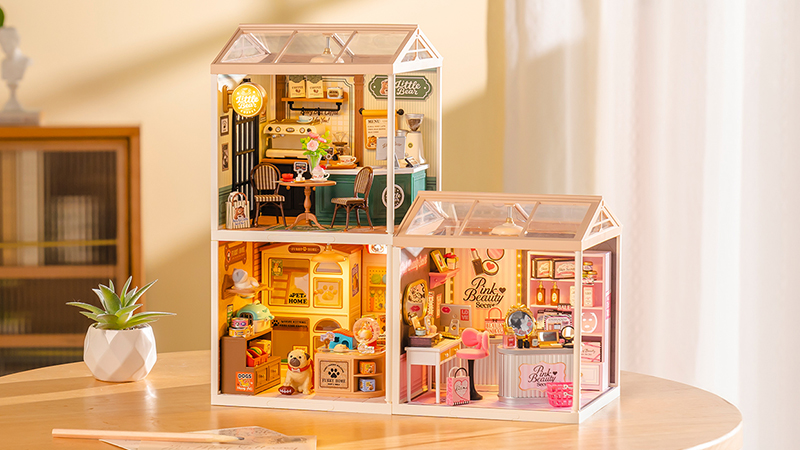

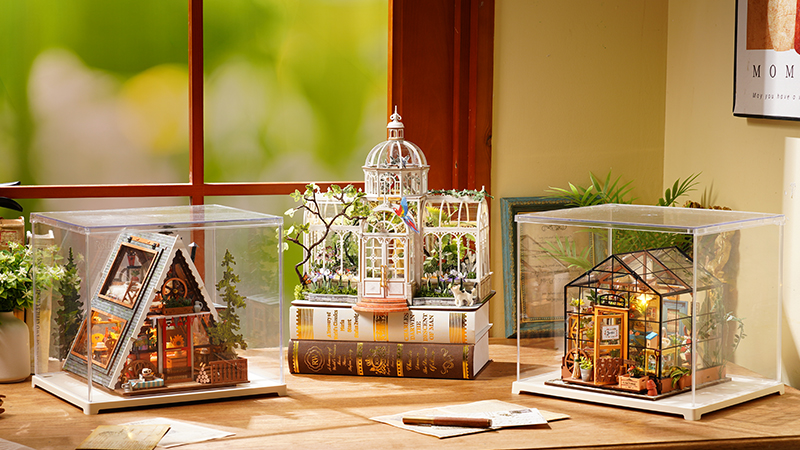
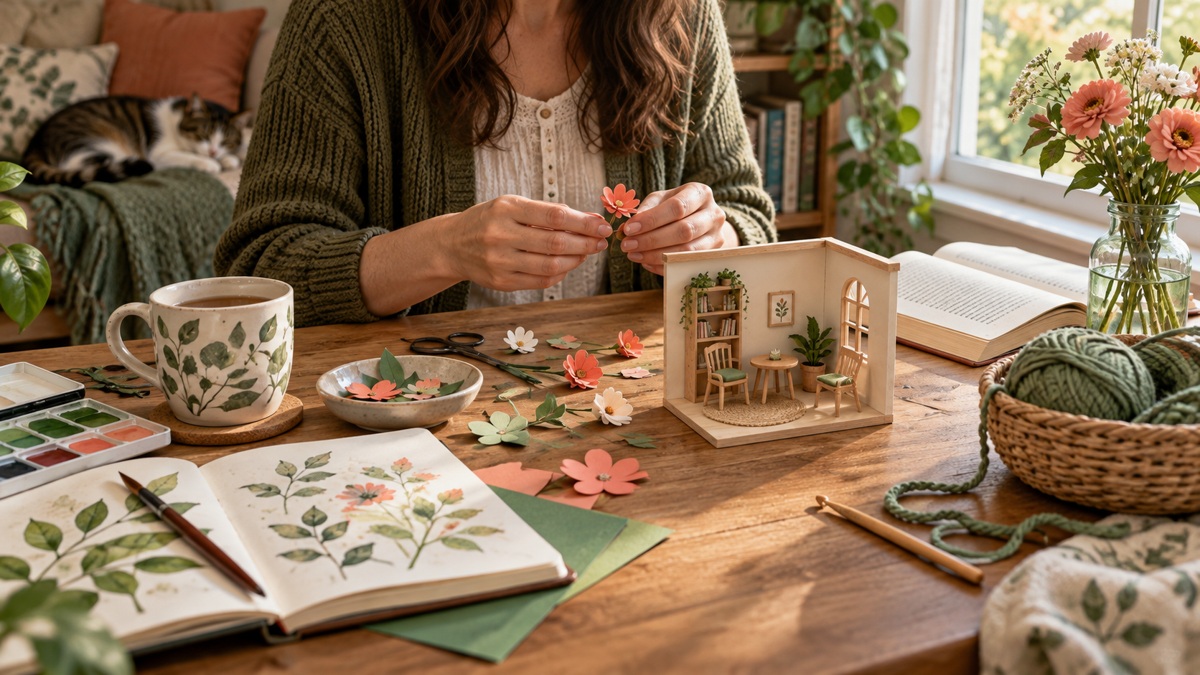
Quick Answer: Good hobbies for homebodies fit your available space, can be enjoyed alone, and give you a reason to look forward to time at home. Try miniature building or book nooks for displayable projects, crochet or embroidery for repeatable handwork, reading or journaling for minimal setup, and baking or indoor gardening for everyday enjoyment. Start with one small project and a practical place to put it between sessions.
You do not need to leave home to have an interesting hobby. An evening spent making a tiny chair, reading a chapter, or learning one crochet stitch can be a satisfying plan in its own right.
Being a homebody does not mean disliking people, and it does not require a particular personality type. These ideas work independently, with the option to share them when you feel like it. Some produce something to keep; others offer enjoyment without adding another object to your shelves.
The best choice fits your ordinary Tuesday as well as your free weekend. Here are 15 indoor hobbies, with a realistic first project and a practical consideration for each.
What Makes a Good Hobby for a Homebody?
Look for an activity that fits the home you actually have. A project that needs your only dining table for three weeks may be less convenient than one that fits on a tray.
- Easy to do at home: It fits your available light, surfaces, and household routines.
- Minimal setup: You can begin with a small supply kit instead of a whole new room.
- A clear stopping point: You can pause after a page, a row, or an assembly stage.
- Works alone: Classes, group schedules, and public sharing are optional.
- Visible progress: You can notice something learned, made, read, or arranged.
- Limited screen dependence: Printed instructions or a saved reference can replace repeated browsing.
There is some research behind the appeal of making things. A 2024 study using survey data from 7,182 adults in England found associations between arts and crafts participation and greater happiness, life satisfaction, and a sense that life was worthwhile. This observational research does not establish that crafting caused those outcomes or that a particular kit will deliver them. Read the study in Frontiers in Public Health.
You do not need a wellbeing goal to justify a hobby. Enjoying the activity is enough.
Best Hobbies for Homebodies
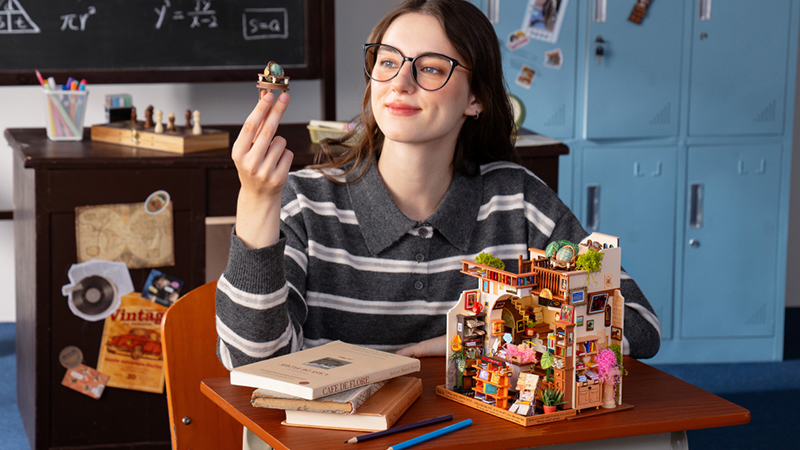
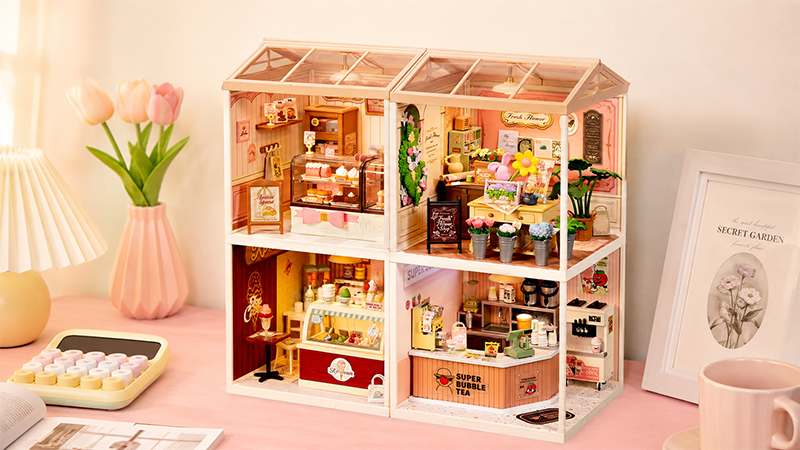
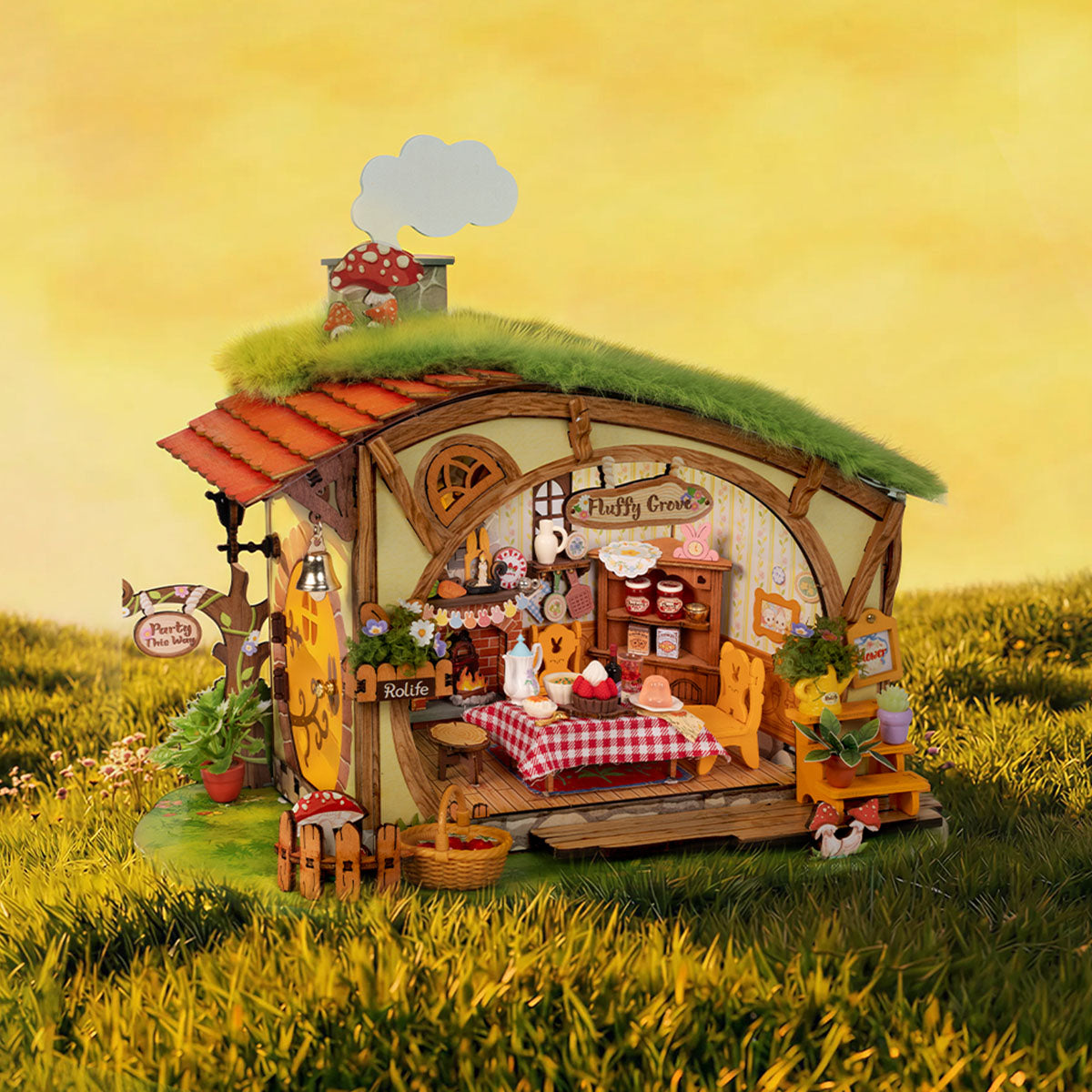
1. Building Miniature Houses
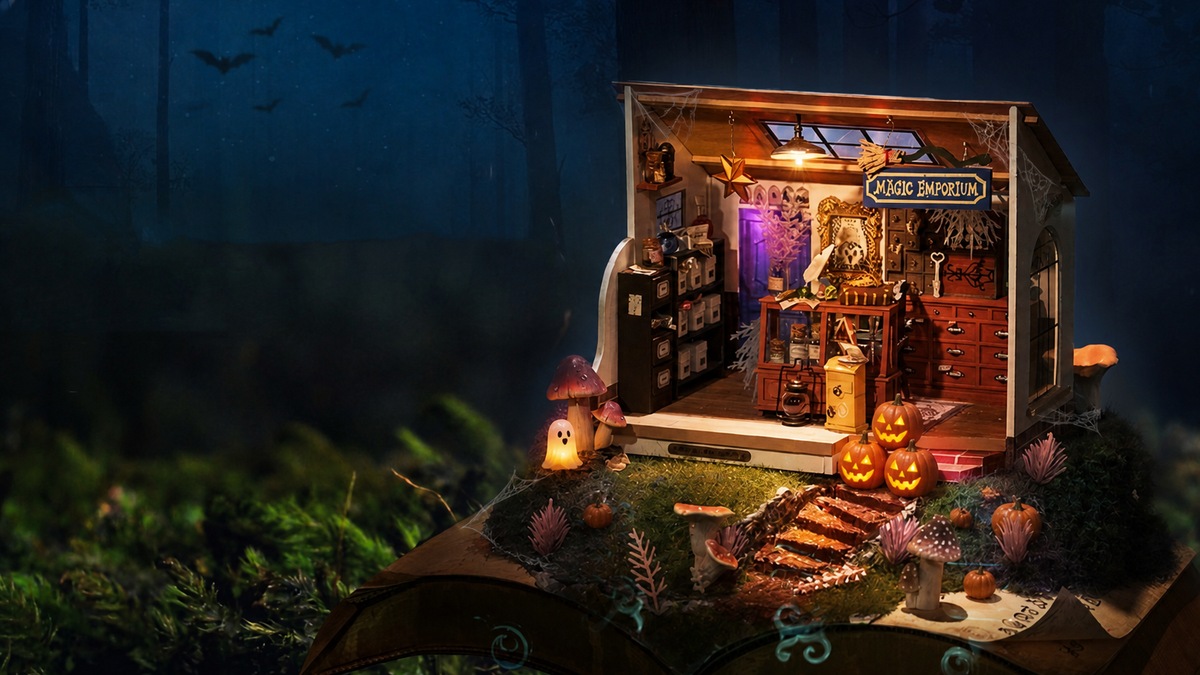
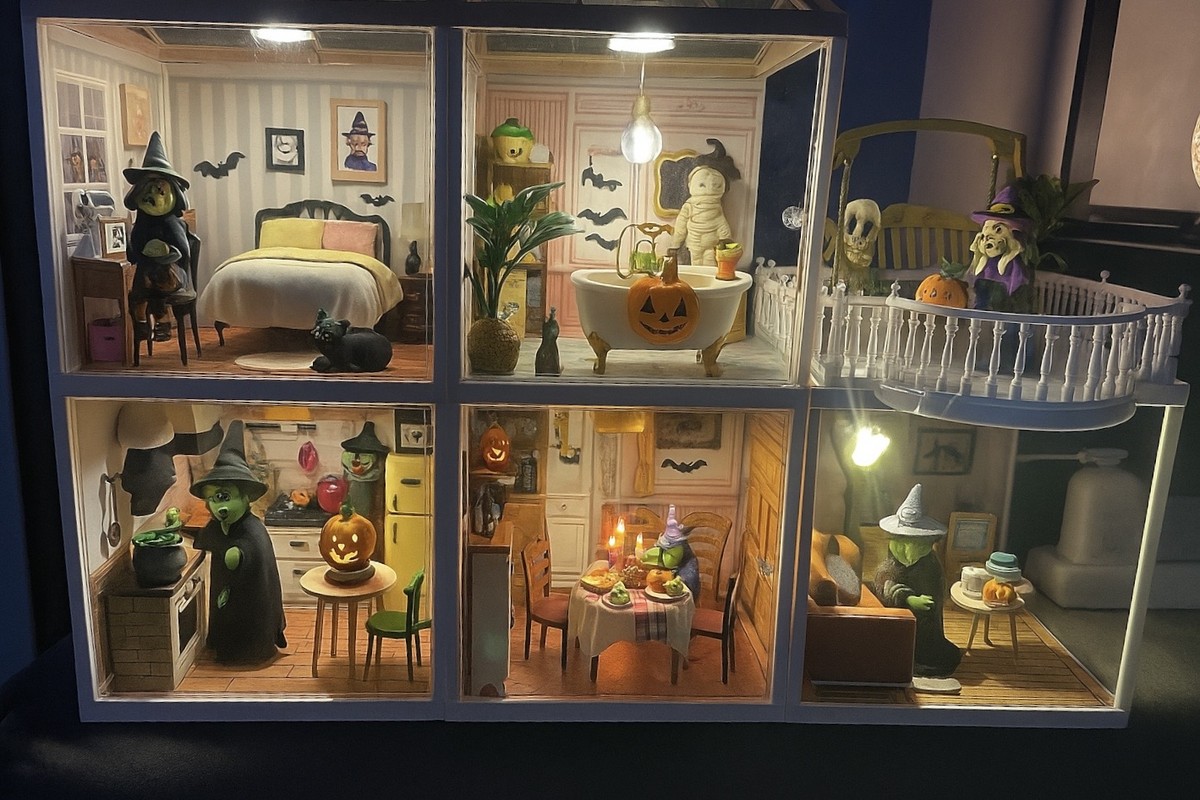
Miniature building gives your hands a sequence of concrete tasks: assemble a shelf, arrange tiny plants, then bring the room together. It suits people who enjoy looking closely at interiors and watching separate parts become a recognizable place.
A finished scene can become home decor, but plan that destination before you buy. The building area also needs room for loose parts, instructions, and tools. A small finished model does not necessarily mean a short or simple build.
Start with: One room or shop whose theme interests you. Compare preparation steps, difficulty, and estimated assembly time in the Rolife DIY miniature house guide.
Keep in mind: If repetitive accessory work frustrates you, examine the construction details before choosing a densely furnished scene.
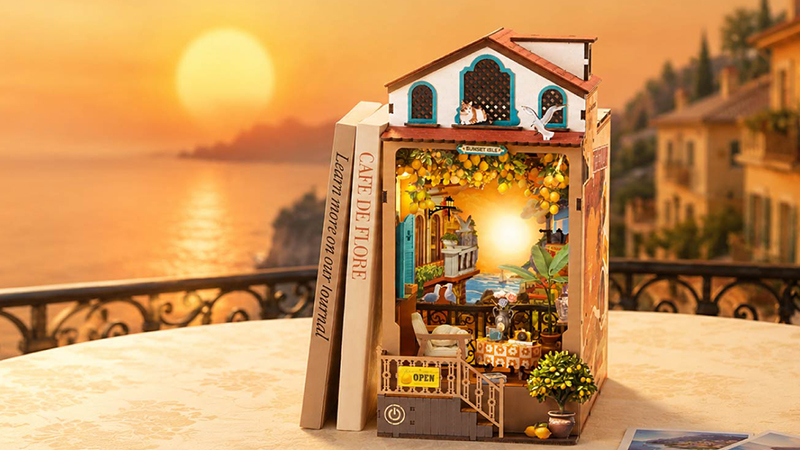
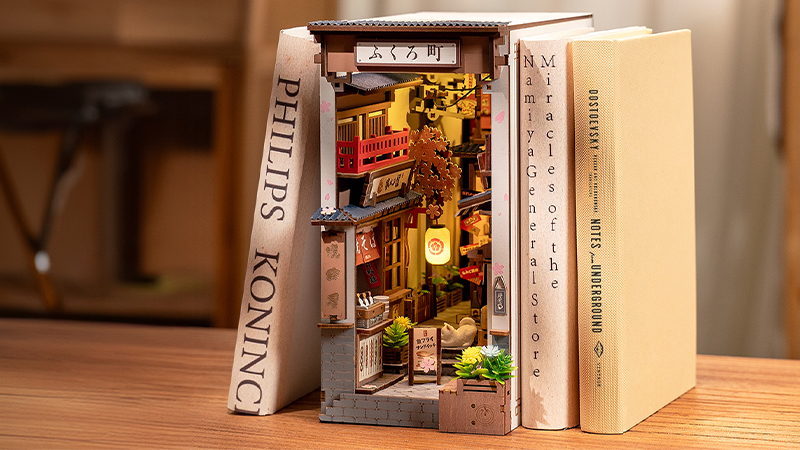
2. Building Book Nooks
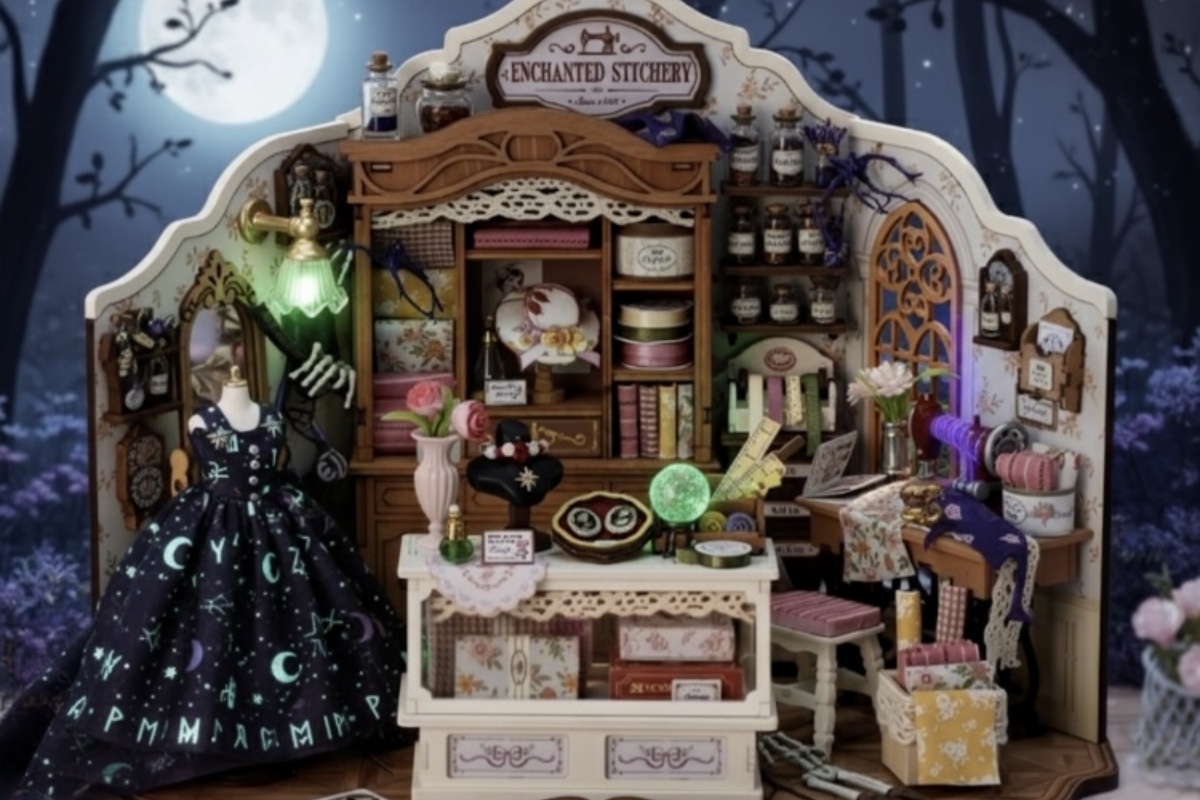
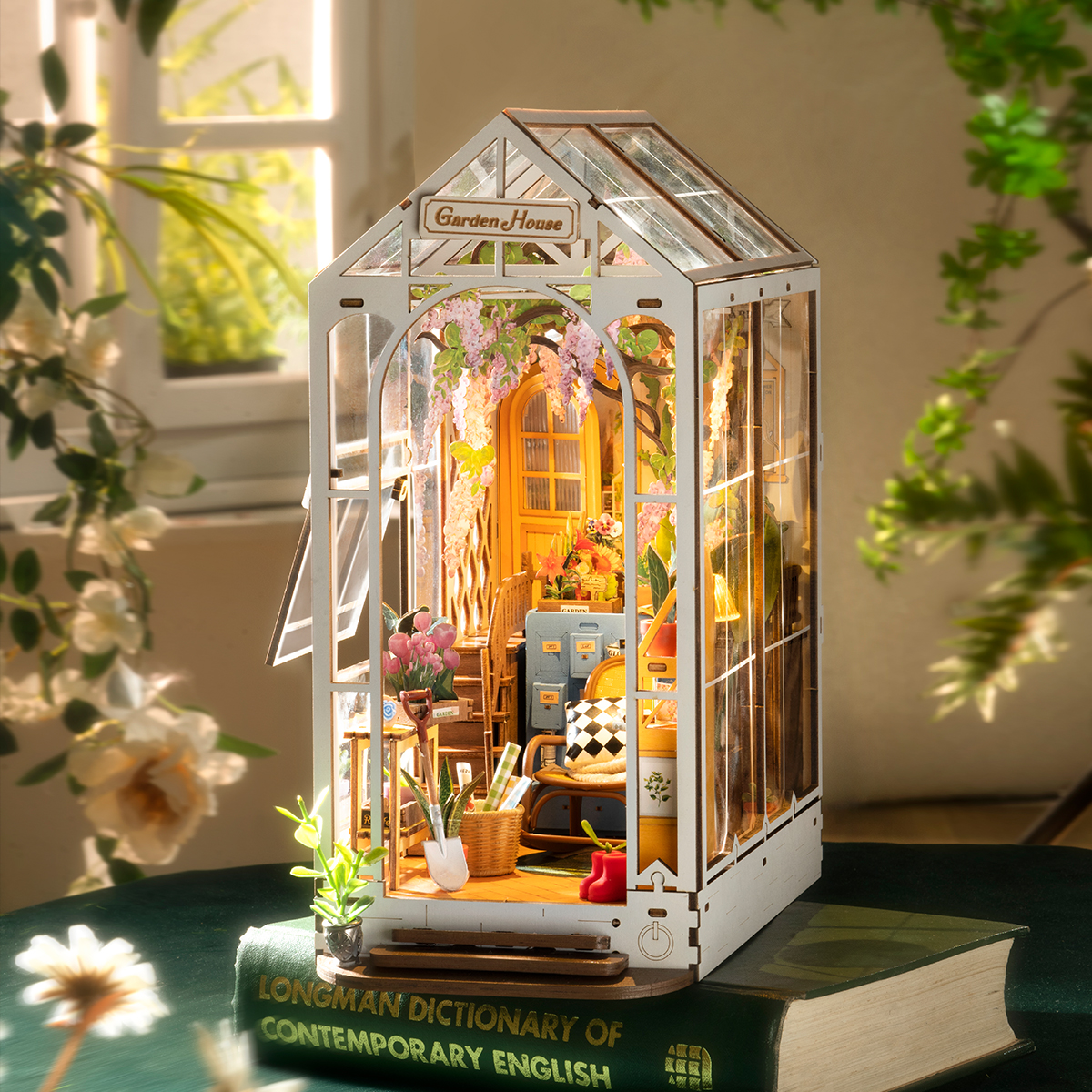
A book nook turns a gap on a bookshelf into a small scene: a shop, reading room, street, or garden. The attraction is both the building process and the view into another place when you walk past your books.
It is a useful direction for readers who want one decorative project with an obvious home. Measure shelf width, depth, and height, including access to a light switch or battery compartment where applicable.
Start with: A design from Rolife book nook kits for beginners, then check that model's actual requirements.
Keep in mind: A narrow format can still contain delicate parts. Choose the construction demands as carefully as the story.
3. Crochet
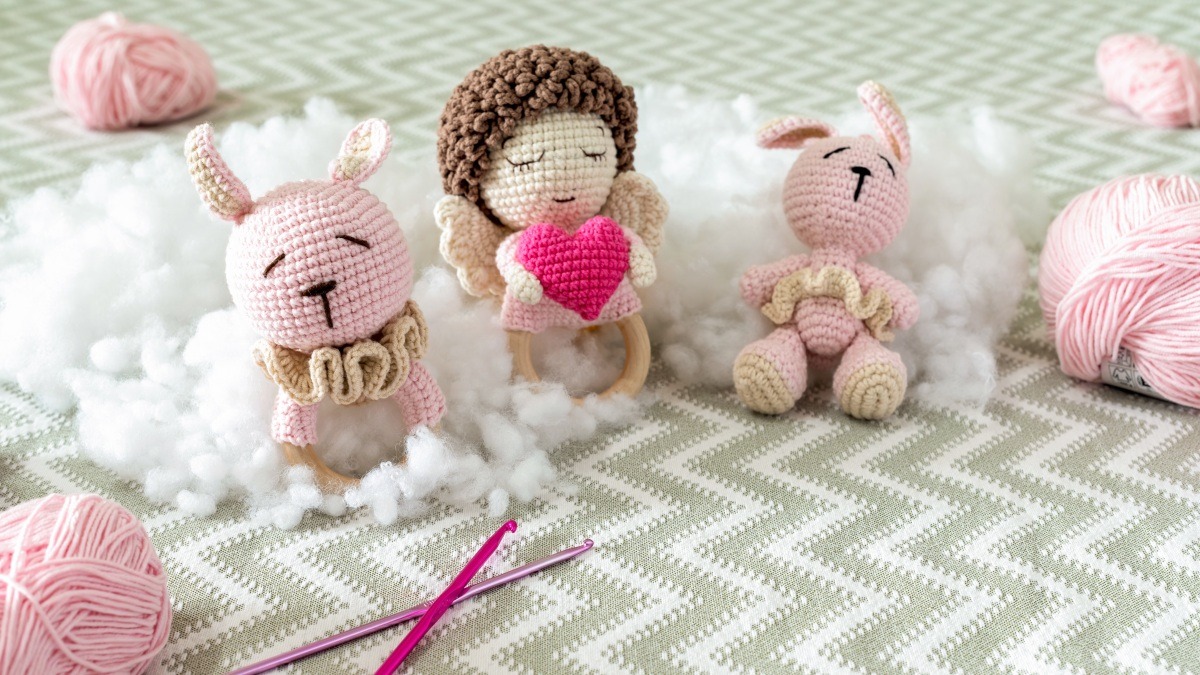
Crochet combines a portable supply kit with progress you can see row by row. Once a stitch becomes familiar, working a simple pattern can suit an evening when you want something repetitive to do with your hands.
Learning the first stitches takes attention, so make the opening project deliberately small. A light-colored, smooth yarn makes individual stitches easier to distinguish than very dark or fluffy yarn.
Start with: A square practice swatch, then a simple coaster, using the hook size recommended for your yarn.
Keep in mind: Count stitches and mark your stopping point. A small basket keeps the work ready for next time without spreading supplies around the room.
4. Reading
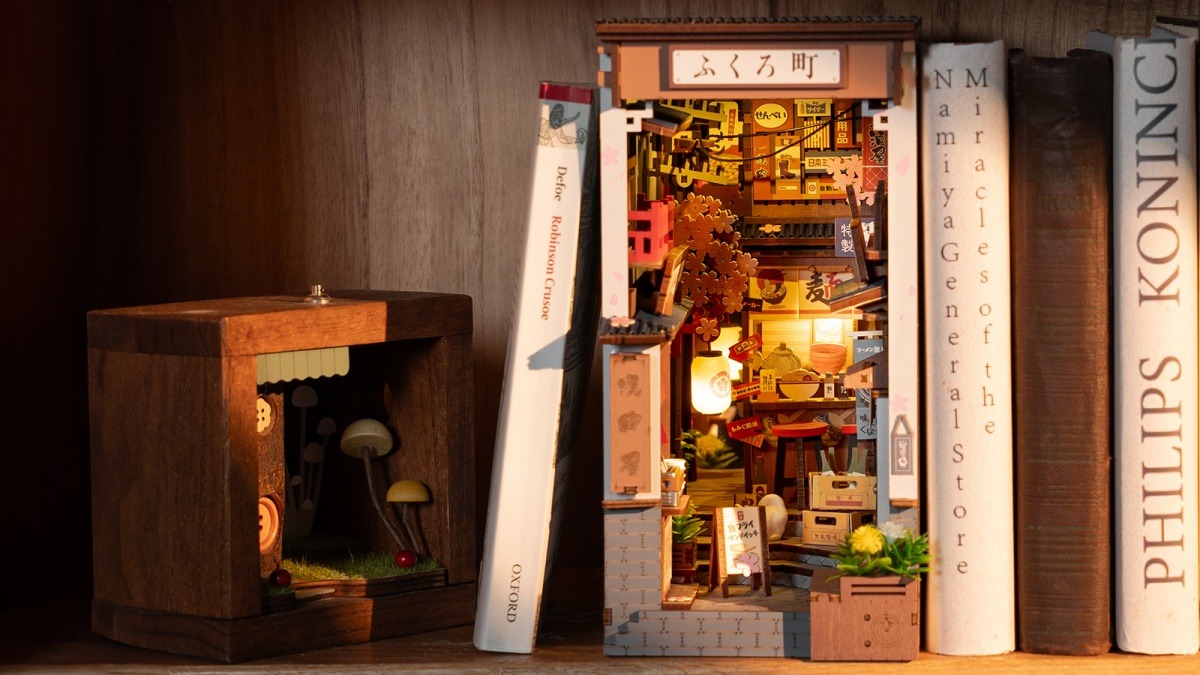
Reading offers an indoor hobby with almost no setup or cleanup. A library book, an existing paperback, or a borrowed short-story collection lets you explore a new interest without investing in equipment.
Choose for curiosity rather than an ambitious reading target. Short chapters or essays can work well when your available time changes from evening to evening.
Start with: One chapter or a few pages of something you actually want to read.
Keep in mind: A paper book makes it easy to leave your phone elsewhere. An e-reader is another option if that is more comfortable; enjoying reading matters more than following a strict format.
5. Jigsaw Puzzles
Jigsaw puzzles offer a clear visual goal and tasks you can divide into small sections. Sorting one color or finishing a corner gives a session a natural endpoint, even when the whole puzzle will take longer.
Choose an image with distinct areas for your first attempt. Broad stretches of similar sky or water may demand more patience than the piece count suggests.
Start with: A modest puzzle on a board or tray that can move off the table.
Keep in mind: Check the completed dimensions. A puzzle does not become a quick project simply because it comes in a small box, and loose pieces need secure storage.
6. Indoor Gardening
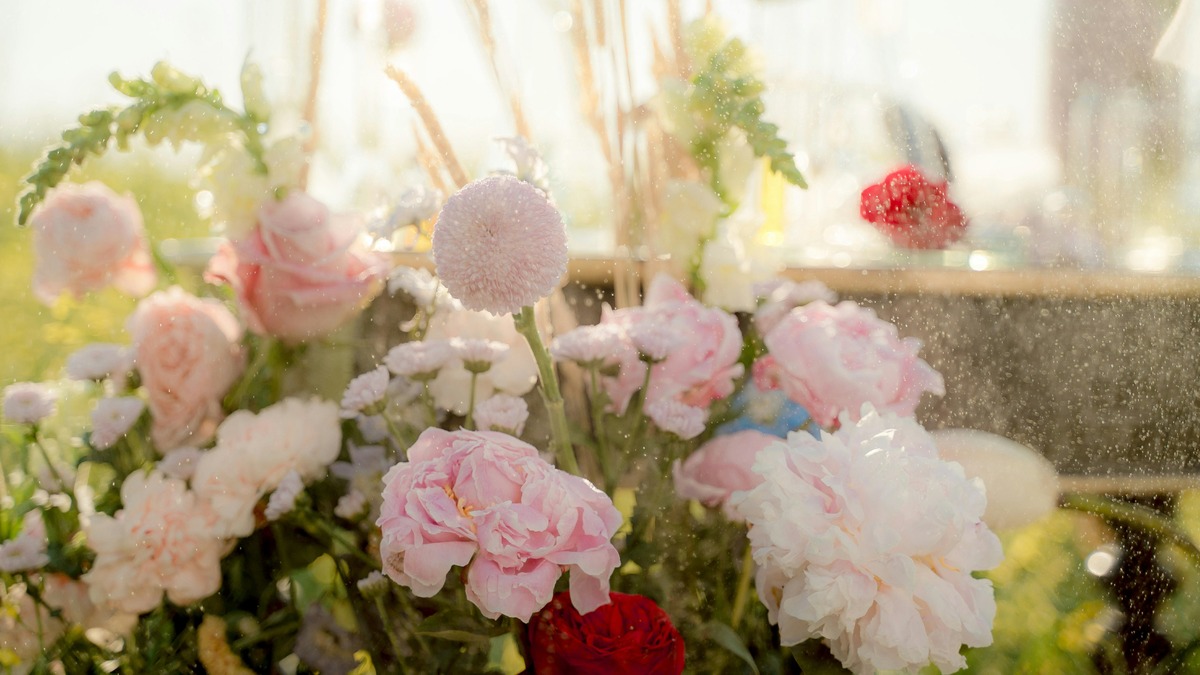
Indoor gardening suits someone who enjoys observing gradual change. A new leaf, a cutting developing roots, or herbs growing beside a window can make the home feel more personal.
Start with your room's actual light and the care you can provide. Choose a plant for those conditions instead of trying to make a dim corner support a sun-loving collection.
Start with: One suitable plant in a pot with appropriate drainage and a simple care note.
Keep in mind: This hobby needs ongoing attention between creative sessions. For styling inspiration, explore indoor garden ideas for slow living at home.
7. Watercolor Painting
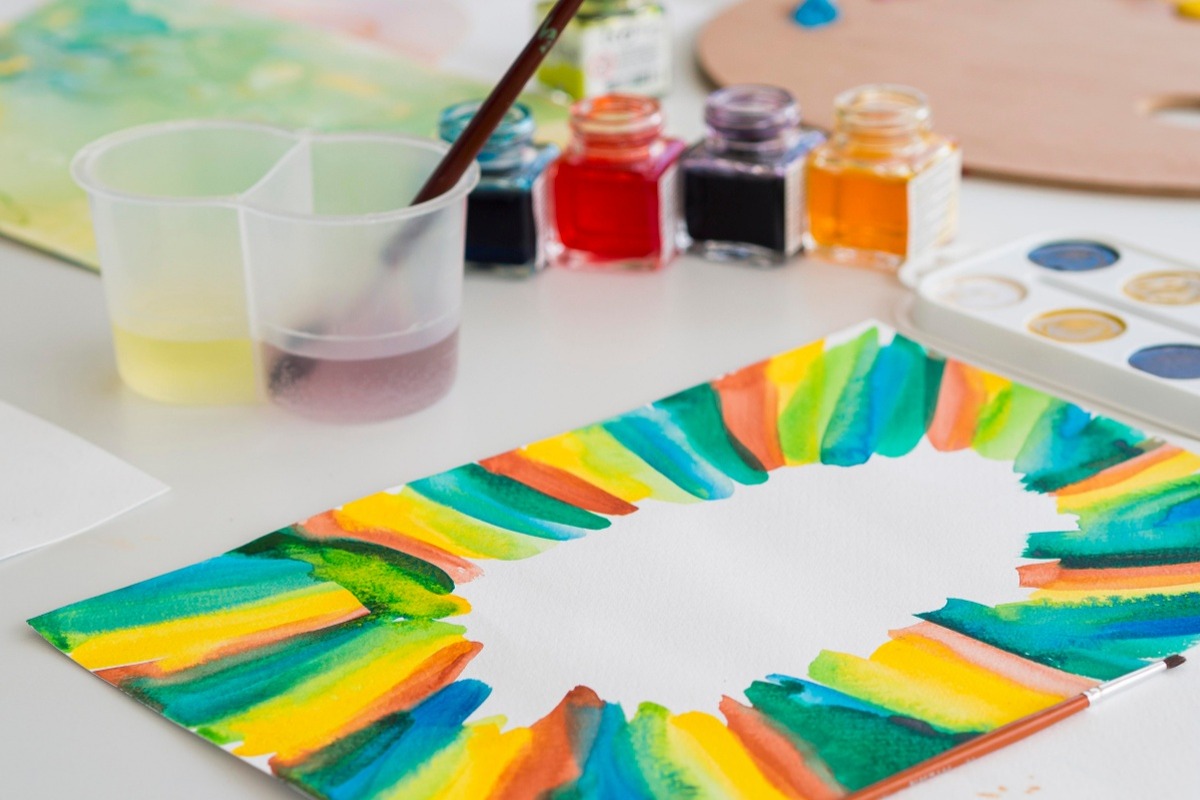
Watercolor lets you explore color without needing a large studio. A small palette, brush, water jar, and watercolor paper are enough to experiment with washes, leaves, or objects already around the house.
Begin with studies rather than a finished painting for the wall. Learning how much water to use is a project in itself, and a page of experiments gives you something to compare later.
Start with: Paint the same leaf shape in three colors.
Keep in mind: Leave a flat place for the paper to dry. Protect the table and separate painting water from drinks.
8. Journaling

Journaling works well when you want a hobby with little equipment and no display-space requirement. It can be a record of ordinary days, a place for observations, or a notebook devoted to books, recipes, or miniature projects.
You do not need elaborate pages or a daily streak. A notebook you use imperfectly is more useful than a beautiful one you avoid marking.
Start with: Write three details you noticed today or a few lines about something you enjoyed.
Keep in mind: Leave difficult prompts alone when they do not appeal. The notebook can stay private, and missed days do not need catching up.
9. Diamond Painting
Diamond painting uses small colored pieces placed on a coded adhesive surface. It suits people who prefer a supplied design and a repeatable action over starting with a blank page.
The growing image makes progress visible. Work in small sections and uncover only the area you plan to complete, following the kit instructions to protect the adhesive.
Start with: A small design with clearly separated colors.
Keep in mind: Tiny pieces require careful handling and labeled storage. This can be a long project, and the canvas needs a protected place between sessions.
10. Baking
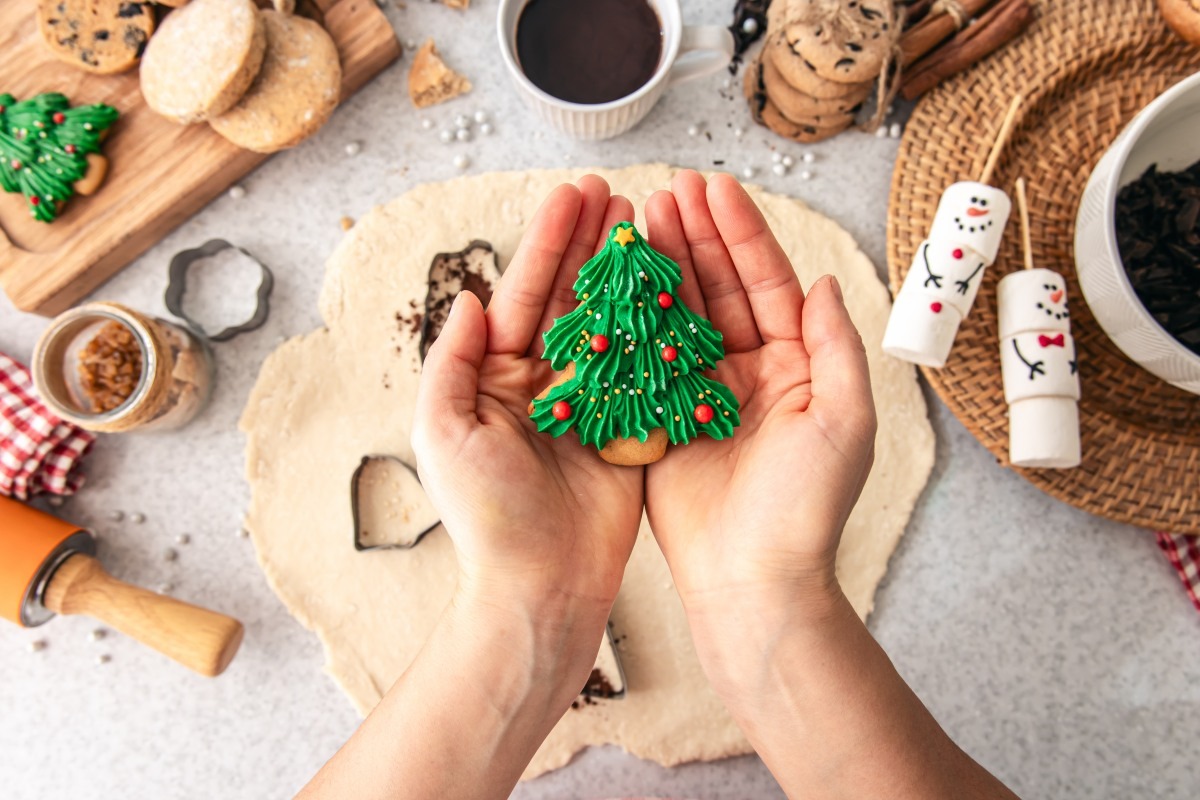
Baking gives an evening at home a tangible result that does not need permanent shelf space. Repeating a familiar recipe can be as rewarding as attempting something new: you learn how texture, mixing, and timing affect the result.
Choose a recipe that matches the equipment and ingredients you already have. A single batch of muffins is a different commitment from a decorated celebration cake.
Start with: A straightforward recipe with a short ingredient list and clearly stated timings.
Keep in mind: Baking has stages you cannot freely pause, especially once food is in the oven. Include preparation, cooling, and cleanup in your plan.
11. Embroidery
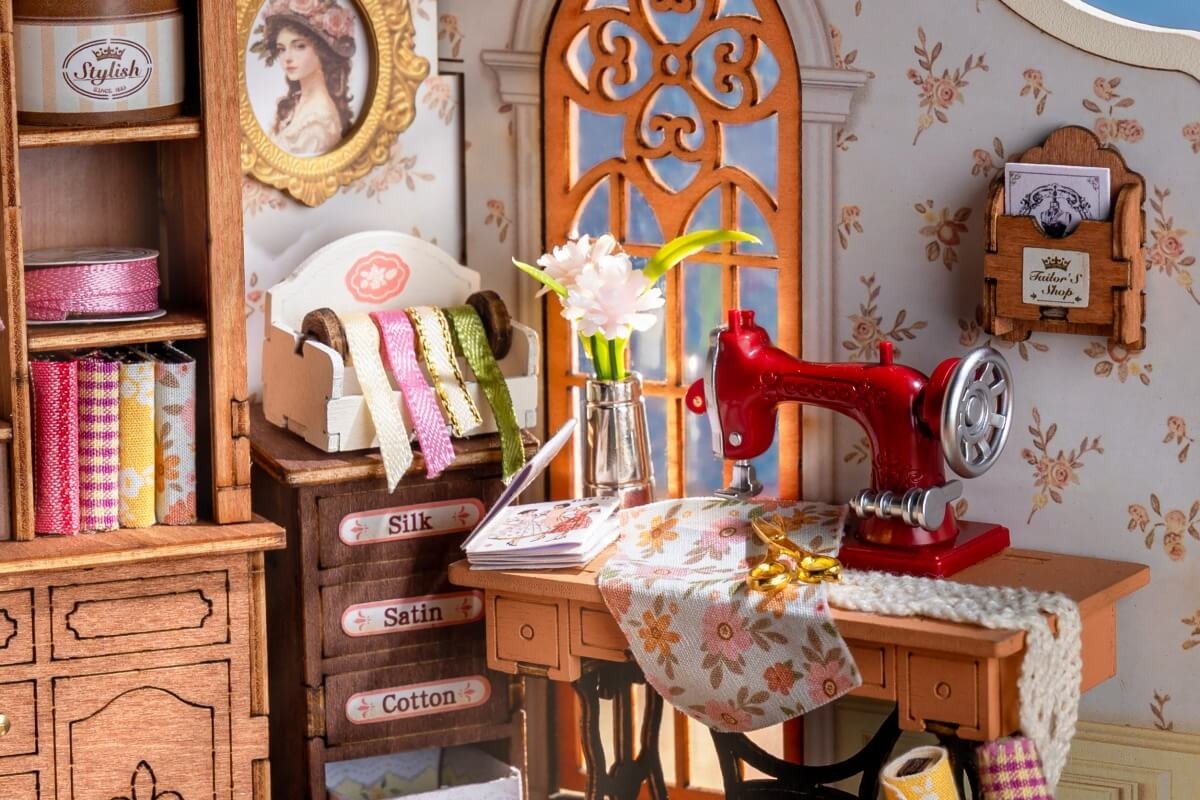
Embroidery offers a way to add a personal image or pattern to fabric. A few basic stitches can become a flower, an initial, or a simple outline, and the work can usually be stored in a small pouch.
A printed pattern removes the need to design everything yourself. Choose one that teaches a few stitches rather than filling every inch with detail.
Start with: A small sampler or one motif on a practice piece of fabric.
Keep in mind: Good task lighting helps you see the fabric clearly. Store the needle securely whenever you put the project away.
12. Flower Arranging
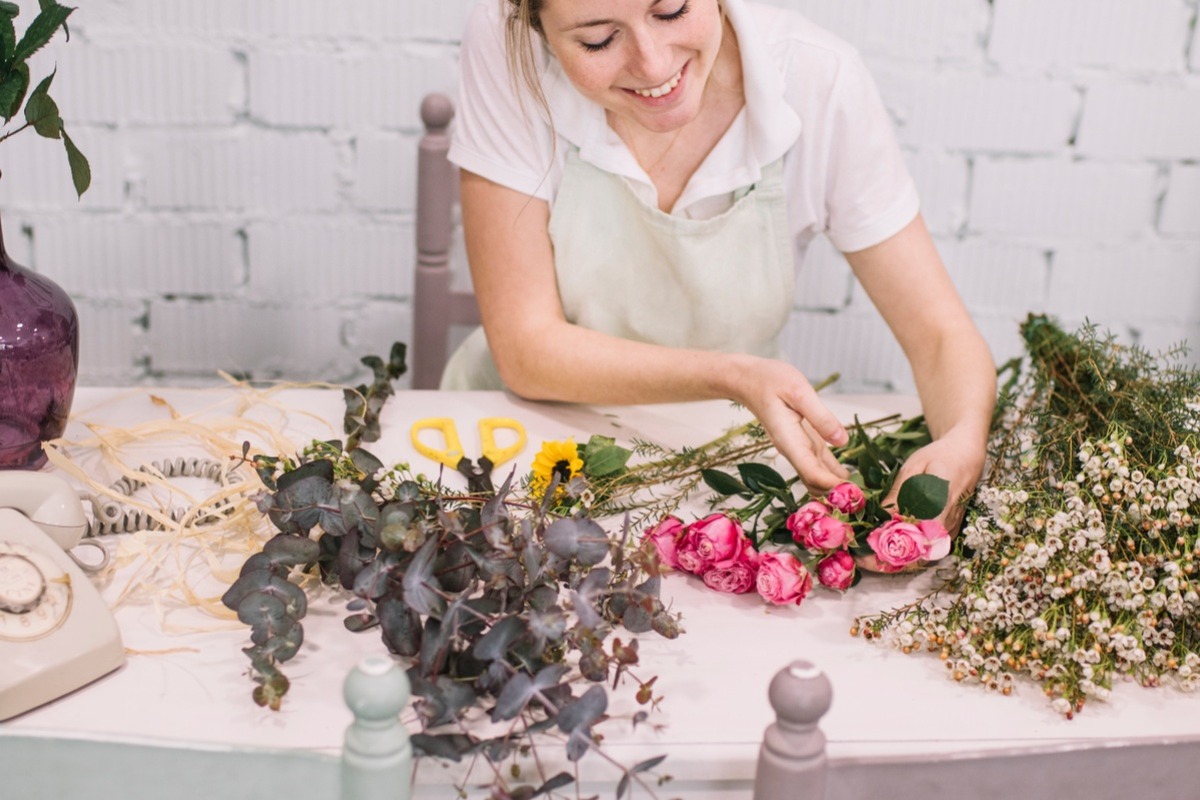
Flower arranging is a home hobby for people who enjoy changing the mood of a small space. You can experiment with height, color, and negative space using a simple vase and a few stems.
Fresh flowers create a temporary display, while dried or crafted flowers offer different possibilities for reuse. Choose the material because you enjoy working with it, then keep the arrangement proportionate to its location.
Start with: One small arrangement for a desk or dining table.
Keep in mind: Fresh stems need care and eventual replacement. Start with a modest quantity so the recurring cost stays comfortable.
13. Miniature Photography
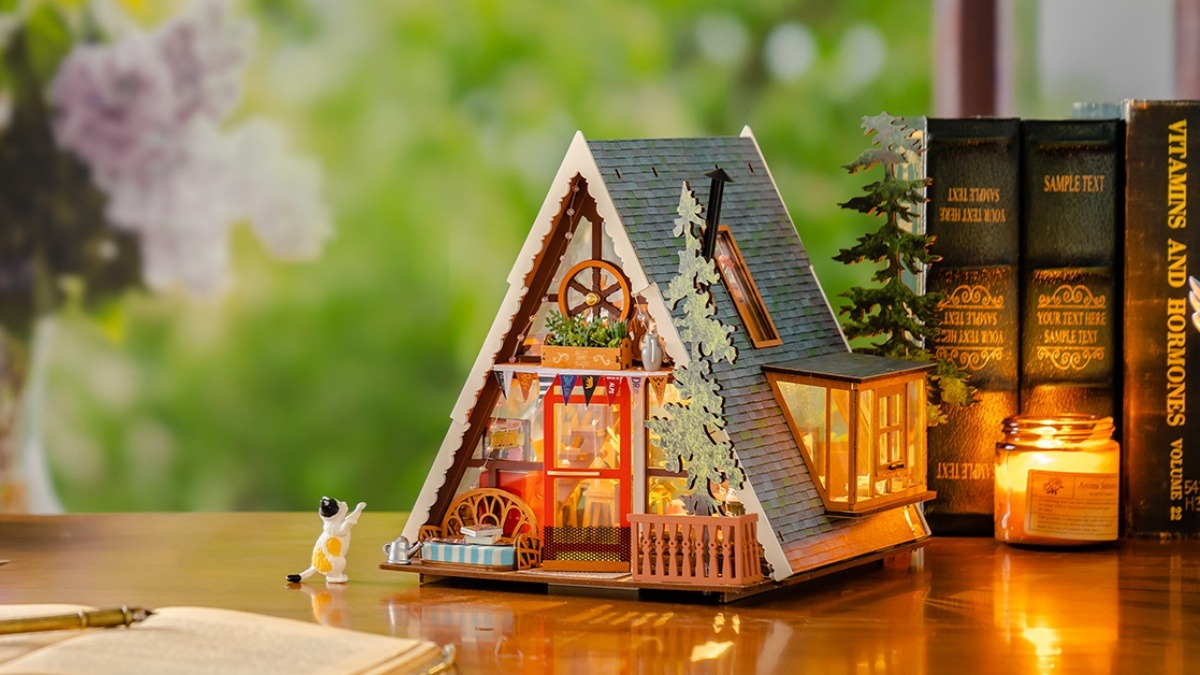
Miniature photography gives a finished craft project another life. A low camera angle can make a tiny doorway feel inviting, while a close detail can draw attention to a table setting you spent time assembling.
Use a window, a plain backdrop, and a model you already own. Try several viewpoints before buying lights or specialist equipment.
Start with: Three photographs of the same miniature: the full scene, a doorway view, and one favorite detail.
Keep in mind: Phone photography is not screen-free. Keep it intentional by opening the camera directly, choosing a few images, and leaving editing or sharing for a separate session.
14. DIY Music Boxes
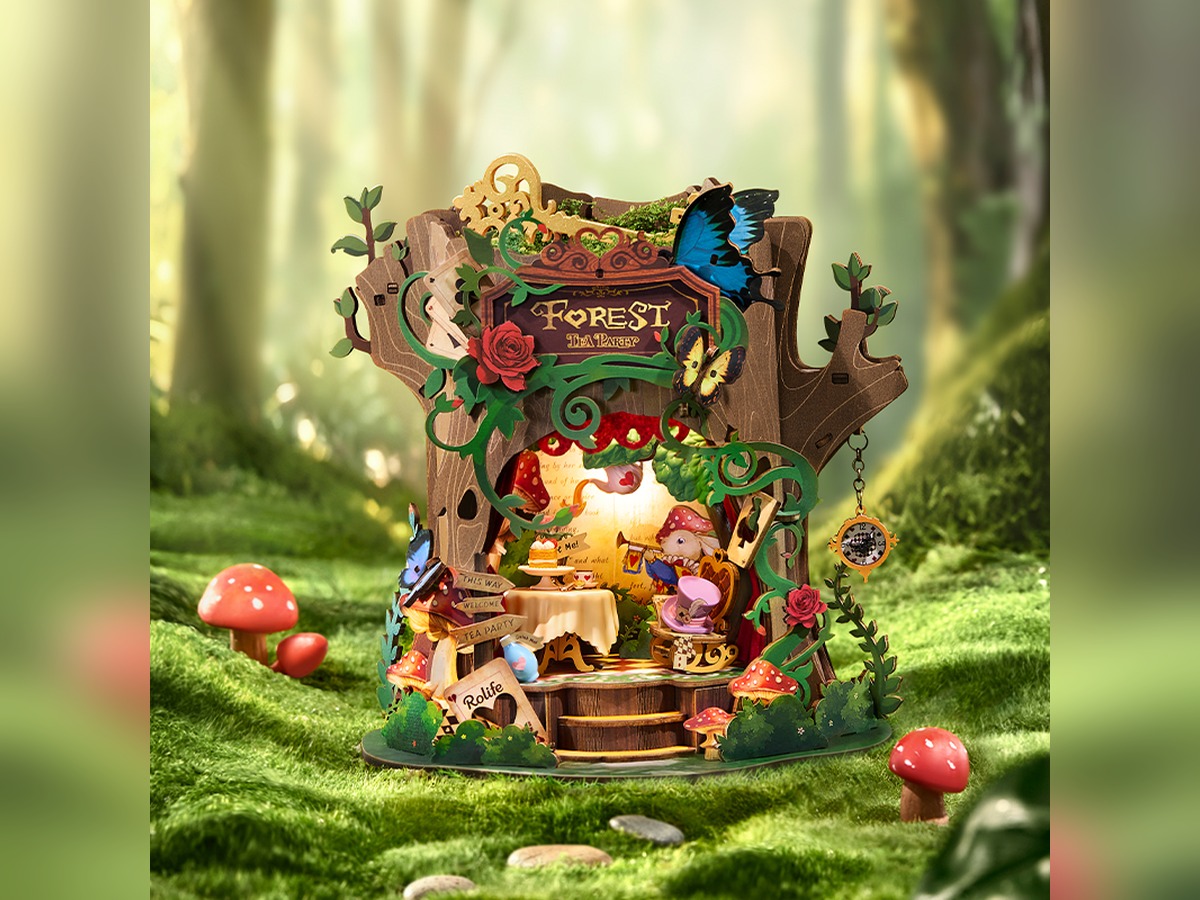
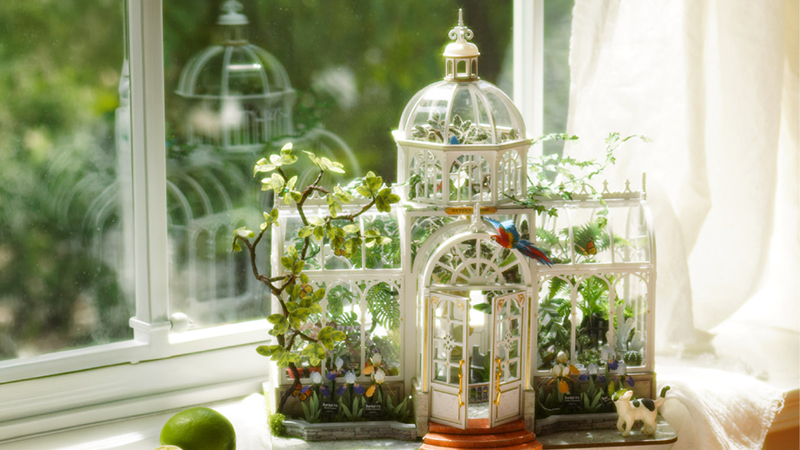
A DIY music box adds sound to a building project. Depending on the kit, you may assemble a decorative scene around a supplied movement or work with more involved moving components.
The finished piece can be a personal display, but the actual assembly experience varies considerably. Look at the mechanism, required alignment, and instructions before choosing by appearance alone.
Start with: A kit whose music movement and construction steps match your experience.
Keep in mind: Moving parts may need careful adjustment. Follow the instructions and avoid forcing a mechanism that does not move freely.
15. Scrapbooking
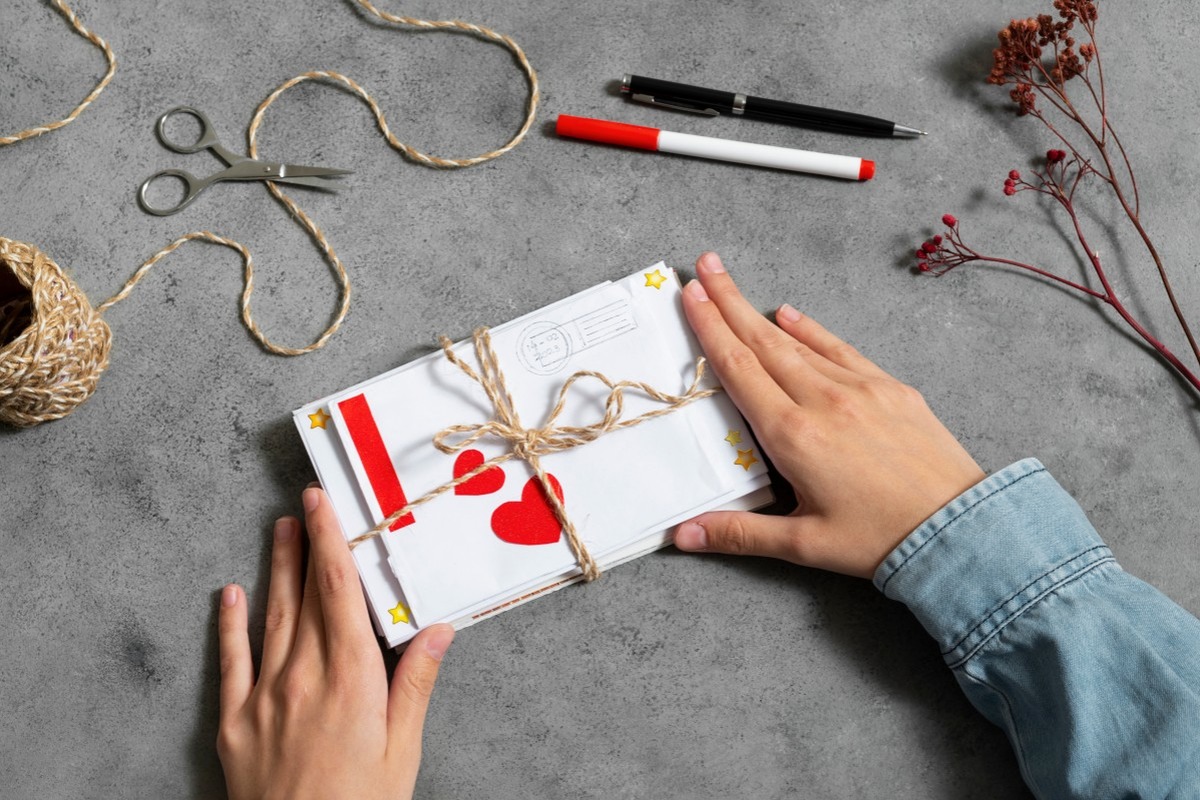
Scrapbooking turns photographs, tickets, notes, and everyday paper into a record of your life. It works especially well when you enjoy choosing colors and arranging objects but would rather start with existing material than draw from scratch.
Choose one memory at a time. A small page about a favorite afternoon is easier to begin than an album intended to document an entire year.
Start with: One photograph, a short written memory, and two or three paper details.
Keep in mind: Supplies can accumulate quickly. Give yourself one storage box and use what is inside before adding more.
Which Hobby Should You Try First?
Choose the experience you want tonight, then consider the space and attention it needs. The options below are starting points, not guarantees about how quickly a project will be finished.
| If you want... | Try... | A realistic first step |
|---|---|---|
| Something decorative to keep | Miniature house building | Compare one scene's build requirements and finished dimensions |
| Something connected to books | A book nook | Measure a bookshelf gap before choosing a kit |
| Repetitive handwork | Crochet or embroidery | Practice one stitch on a small sample |
| A short session with little setup | Reading or journaling | Read a few pages or write one short entry |
| Progress toward a clear picture | Jigsaw puzzles or diamond painting | Complete one small area on a movable work surface |
| A creative project after work | A miniature kit or watercolor study | Finish one assembly stage or one small painted study |
| Enjoyment without permanent decor | Baking or reading | Choose one recipe or borrow one book |
| A new use for a finished miniature | Miniature photography | Photograph three different views |
If cost is the main concern, begin with something already available: a library book, a notebook, borrowed craft tools, or a recipe using ingredients in your kitchen. You can decide whether to invest after trying the activity.
Start With a Hobby You Can Actually Finish
Give your first attempt a small, clear endpoint. That might be a coaster instead of a blanket, one scrapbook page instead of an album, or one miniature scene instead of a collection. Finishing can be satisfying, but changing your mind about an activity is useful information too.
For miniature kits, compare difficulty, estimated assembly time, required tools, and finished size together. Piece count alone does not describe the amount of trimming, alignment, or detail work. A beginner label is a starting point for comparison, not a promise that every step will feel easy.
Put the current project on a tray, keep parts labeled, and note the next instruction before stopping. Allow time for cleanup, especially when a desk or table has another use. A hobby is easier to return to when restarting does not involve finding everything again.
If you want a more focused comparison of creative activities, read which relaxing hobby is right for you.
How Can You Make Hobby Time Easier Than Scrolling?
Prepare a specific next action: leave a bookmark in place, set out one crochet project, or keep the next assembly stage together. Put your phone somewhere that does not interrupt the work, while keeping any necessary instructions accessible.
Use a printed pattern or save the one tutorial you need before starting. You can also choose a small stopping point, such as one row or one page, instead of checking the clock repeatedly. A tutorial is a tool for the activity; you do not have to keep searching for a better project while working on this one.
For more options centered on offline time, explore screen-free hobbies for adults. A hobby can give you an alternative to scrolling, but no particular craft guarantees a change in phone habits.
Key Takeaway: The best hobby for a homebody is one you can start, pause, store, and return to comfortably. Match the activity to your space and attention, and let enjoyment matter as much as the finished result.
FAQ
What Hobbies Are Good for Homebodies?
Reading, crochet, miniature building, book nooks, puzzles, painting, journaling, and baking can all work well at home. Choose according to available space, setup, budget, and whether you want a finished object or an enjoyable activity.
What Hobbies Can I Do Alone at Home?
All 15 hobbies in this guide can be enjoyed independently. Reading and journaling need little setup; embroidery and crochet fit in a small storage bag; miniature building and puzzles benefit from a dedicated tray or work surface.
What Hobbies Help Me Spend Less Time on My Phone?
Paper books, handcrafts, puzzles, painting, and miniature kits offer alternatives to scrolling. Make the activity easy to start and use printed or saved instructions where practical. Miniature photography can be intentional phone use, but it is not a screen-free hobby.
What Is a Good Hobby for Someone With Very Little Space?
Reading, journaling, a small embroidery hoop, or a crochet coaster can fit into limited space. A book nook may suit a bookshelf, but check its dimensions and allow separate space for assembly before buying.
Are Miniature Kits Suitable for Beginners?
Some are. Compare the chosen model's difficulty, estimated assembly time, tools, and preparation steps. A clear theme can make a project appealing, but neither a small footprint nor a low piece count automatically makes it easy.
Do I Need to Finish Every Hobby Project?
No. A manageable first project helps you learn what you enjoy, but a hobby does not need to become another obligation. You can pause, simplify the project, or try something different without turning leisure time into a completion target.
Make Staying In Something to Look Forward To
Choose one activity for your next evening at home and give it a place to begin. A book beside your chair, a crochet basket, or a miniature on a work tray can be enough.
If you enjoy making a scene you can keep, explore Rolife DIY miniature house kits. Choose a story you like, a building commitment that fits your week, and a finished display with a home already waiting for it.