


Building a miniature kit brings a rewarding experience, but adding colors takes it to a whole new level. It adds realism, creates satisfaction, and preserves your model. Whether you are a novice or an experienced hobbyist, acrylic paint will help you take your work to the next level. In this blog, we will discuss the tools and essential methods in painting on metal.
Why Use Acrylic Paint for Metal?
- Superior adherence: Acrylic paints have excellent adhesion, that is, they bond easily to metal surfaces without chipping.
- Huge variety in color: Various colors are available with acrylic paints and you can bring a creative twist to your model by using them. Whether you want a metallic tone or a matte shade, you’ll find a suitable option to suit your model.
- Easy to clean: Acrylic paints are water-based and can therefore be cleaned easily using soap and water. They also dry quickly without waiting for a long time.
- Compatibility with Techniques: Acrylic paints are compatible with whatever painting technique you choose.
Essential Tools and Materials Needed
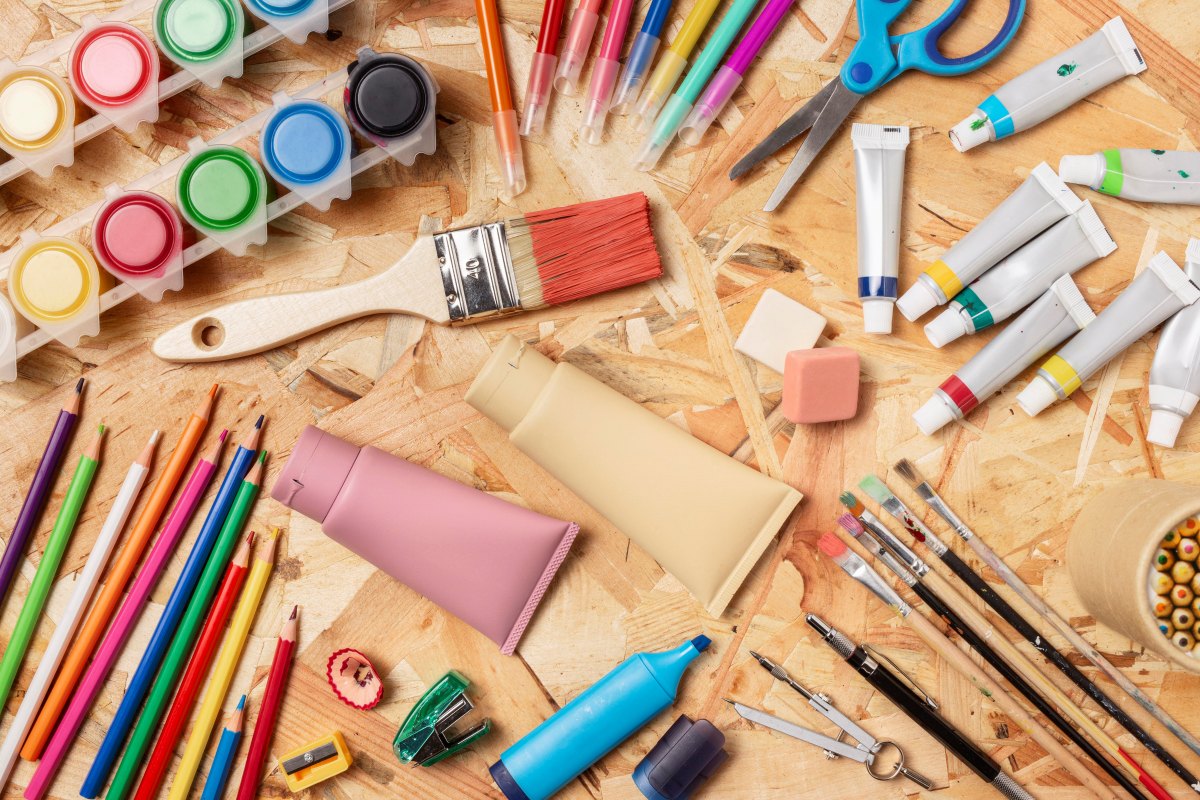
- Acrylic paint
- Metal primer
- Fine-grit sandpaper or file
- Small paintbrushes
- Soap and water or rubbing alcohol
- Base coating
- Overcoat finish (matte or gloss)
- Masking tape
- Tweezers
Step-by-step Metal Model Painting Process
Step 1: Prepare your surface material
Use a mild soap and water to wash your metal models. This removes dirt, dust, and oil. Afterward, use a dry cloth to wipe the piece dry. Carefully sand the surface to increase adhesion. Use tweezers to avoid transferring oil from your skin onto the surface.
Step 2: Apply Primer to Surface
Select the appropriate primer to improve adhesion. Instead of a thin coat, apply a thin layer to create a smooth base before you paint. Allow it to dry fully and then paint.
Step 3: Select the appropriate Paint
While acrylic paint is your go-to preferred choice of paint, enamel or oil-based paints can be used. Pick out a color scheme that complements your metal model. For pieces that take inspiration from the earth, use earthy tones for natural textures. Metallic or specialty paints, bronze, or copper, can be used for steampunk themes.
Step 4: Select the Appropriate Painting Techniques
- Layering: Commence with the basic colours and slowly add the highlights by working on them. Wait until one layer has dried before applying another layer so as to prevent the brush marks.
- Dry brushing: Dip your brush lightly in the paint, and then wipe excess paint off with a cloth and apply it to the raised portions to give a weathered effect.
- Airbrushing: Use airbrushing for large surface areas to give it a gradient effect.
- Detailing: Add fine details to your miniatures, like teeth in open mouths, pupils for the eyes, and costume marks. Try metallic paints for mechanical parts.
- Masking: Use masking tape to create clear lines in between colors or to mark off areas you do not want to paint.
Step 5: Add Finishing Touch
Spray a fine overcoat finish on your model to ensure your acrylic paint does not get scratched. Use a matte, satin, gloss, or preferred finish to seal and protect your work from discoloration.
Tips for Painting Metal Miniatures
- Dilute your paint with water so as to prevent brush strokes and have a smoother finish.
- Use the appropriate brush for different parts. A wide brush to cover a large surface and a brush with fine edges to cover small areas.
- Use a test model to practice your painting technique before doing so on the real one.
- After your miniature kit is put together, cover it with the appropriate sealant to preserve the work. You can use a UV-resistant protective coat to avoid discoloration and fading.
- Do not skip primer, as it will cause paint peeling.
- Use a good painting handle to prevent mistakes while painting your model.
- Consider how light reflects off the miniature to know how to place your highlights and shadows.
- Add customization to make a one-of-a-kind metal model.
- Metallic paints can also be used to accomplish a realistic metallic gloss.
Conclusion
Painting your metal model kit or wooden model with metal part can transform a plain model into a beautiful showstopper. Whether you’re a beginner or an expert, these tips and techniques will help you maximize your painting experience. So, pick up your model, choose your brush and color, and get to work!
FAQs
What is the best prep for a metal surface before painting?
To keep it dry and oil-free, wash off with a mild soap and dry with a clean cloth. Use tweezers to avoid touching it with your hands. Otherwise, you’d transfer oil from your skin to your piece.
Will painting affect my model’s movement?
Painting may block movement, especially in models that have moving parts within them. Use masking tape to prevent those areas or paint around them to enable functionality.
Is it possible to take off paint when I make a mistake?
Yes, you can. This is why it is recommended that you use acrylic paints. You can take it off with alcohol to correct your mistake.
Do I need to sand metal before spray painting?
Scrape your metal surface clean and sand it properly so that paint can stick better.
📖 Miniature Model Painting Guide Series
- 1 How to Choose the Right Paint and Tools For Your Miniature Model – A complete guide to selecting the best materials.
- 2 Acrylic Paint Tips for Wooden Model Painting – Learn the best tips for painting wooden miniatures.
- 3 Plastic Model Painting Tips – Step-by-step guide for painting plastic models.
- 4 Metal Model Painting Tips – Techniques for painting your metal miniatures.
- 5 DIY Model Painting Maintenance and Display Tips – How to maintain and display your painted models.