Added to your cart:
Cart subtotal
loading
loading
A CULTURAL GUIDE BY ROLIFE
Discover how yokocho, izakaya, warm lanterns, and everyday neighborhood life shape Japan's most intimate streets.
Enter the alley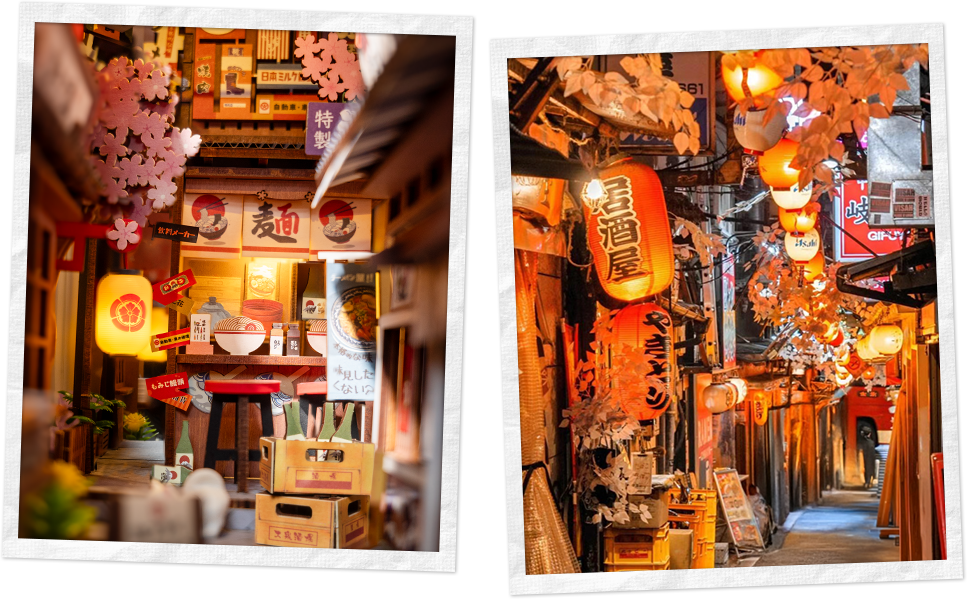
Lanterns and small storefronts soften the night, turning a passageway into a welcoming place to pause.
Signs, crates, plants, stools, and worn surfaces suggest the lives unfolding just beyond each doorway.
Owners, regulars, neighbors, and visitors meet at close range. The alley becomes a human experience, not simply a route.
TOKYO ALLEY MAP
Tokyo makes the relationship between yokocho, izakaya, and city life especially visible. Follow three cultural reference points across the city.
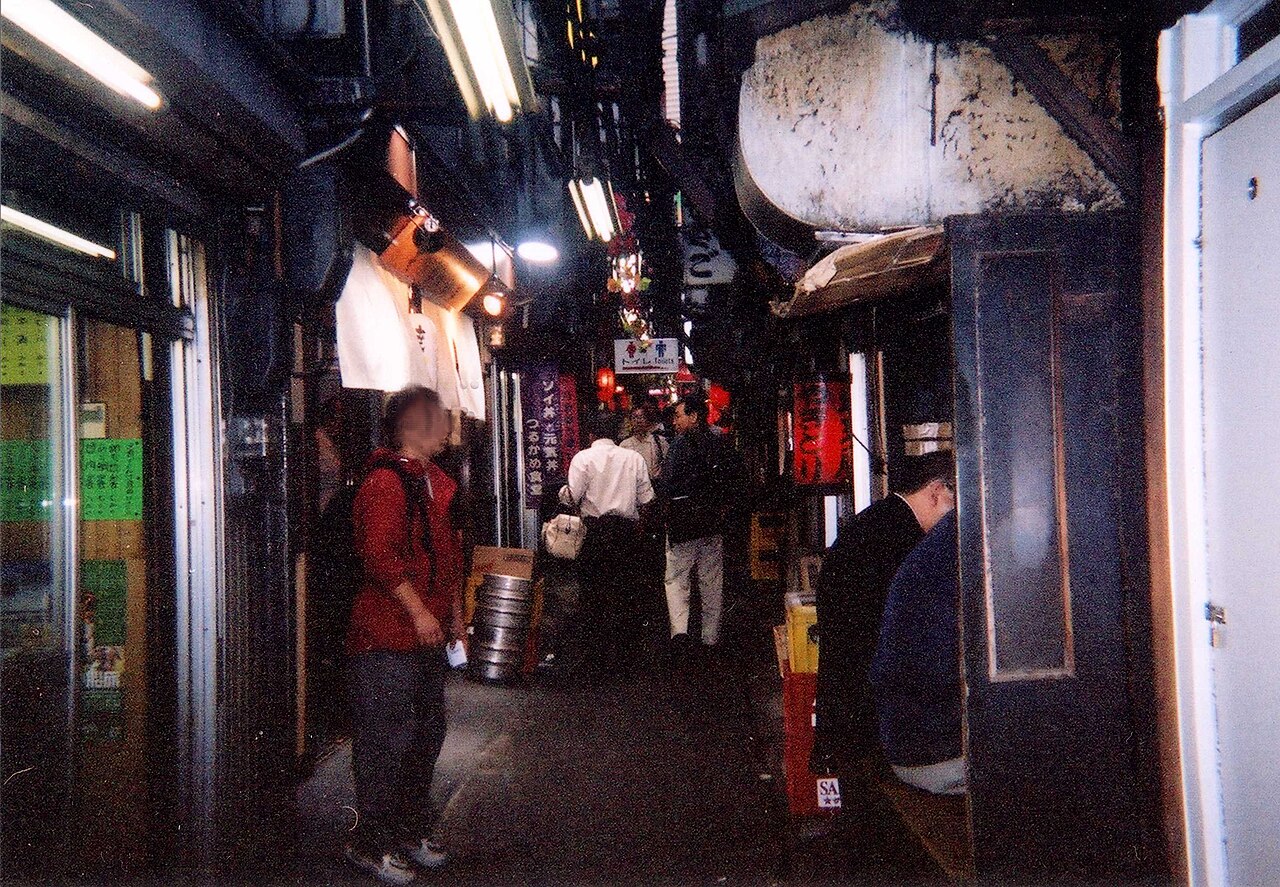
A tight network of yakitori counters and lantern-lit eateries where cooking, conversation, and the alley share the same intimate space.

Six narrow lanes of tiny, individual bars show how small interiors and distinctive doorways can create close creative communities.

Beside modern Shibuya, this compact retro alley preserves the human scale and quiet sense of discovery associated with older Tokyo.
Together, these places connect Tokyo, yokocho, izakaya, food, evening light, and everyday social life.
Photos: Omoide Yokocho by Kentin (CC BY-SA); Golden Gai by Nipponese (public domain); Nonbei Yokocho by Joi Ito (CC BY).
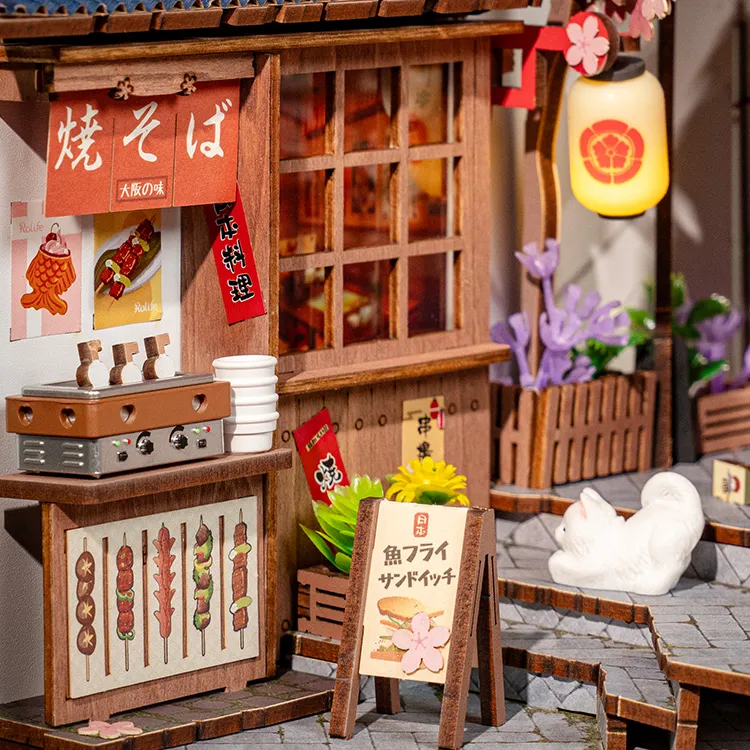
Izakaya and small food shops are central to many Japanese alleyways because they give people a reason to stop, sit close together, and share time. Unlike a large restaurant separated from the street, a compact counter often feels visually and socially connected to the lane outside.
Small shops make interaction more immediate. Owners can speak directly with regulars, customers sit shoulder to shoulder, and the movements of grilling, serving, and clearing dishes become part of the atmosphere. A ramen counter, yakitori grill, yakiniku shop, or tiny izakaya may occupy only a narrow frontage, yet it can anchor an entire stretch of alley.
Evening changes the meaning of the space. Lanterns and illuminated signs mark open doorways, steam and cooking aromas move into the lane, and conversations overlap with footsteps and the sound of dishes. The street no longer feels like a route between buildings; it feels inhabited.
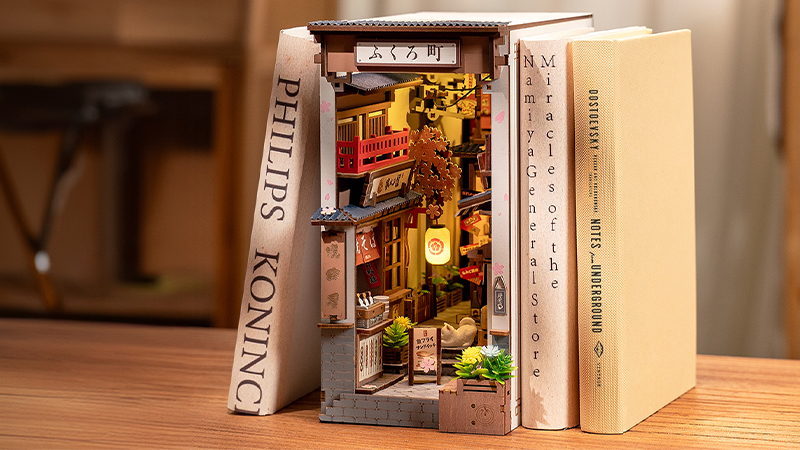
This is why the food element in Sakura Wine Alley matters. The miniature is not simply a collection of façades. Its ramen shop, grill house, izakaya, stools, menus, bottles, and warm light suggest a street where people gather and everyday life continues after dark. Explore the wider context in our guide to Japanese street food culture.
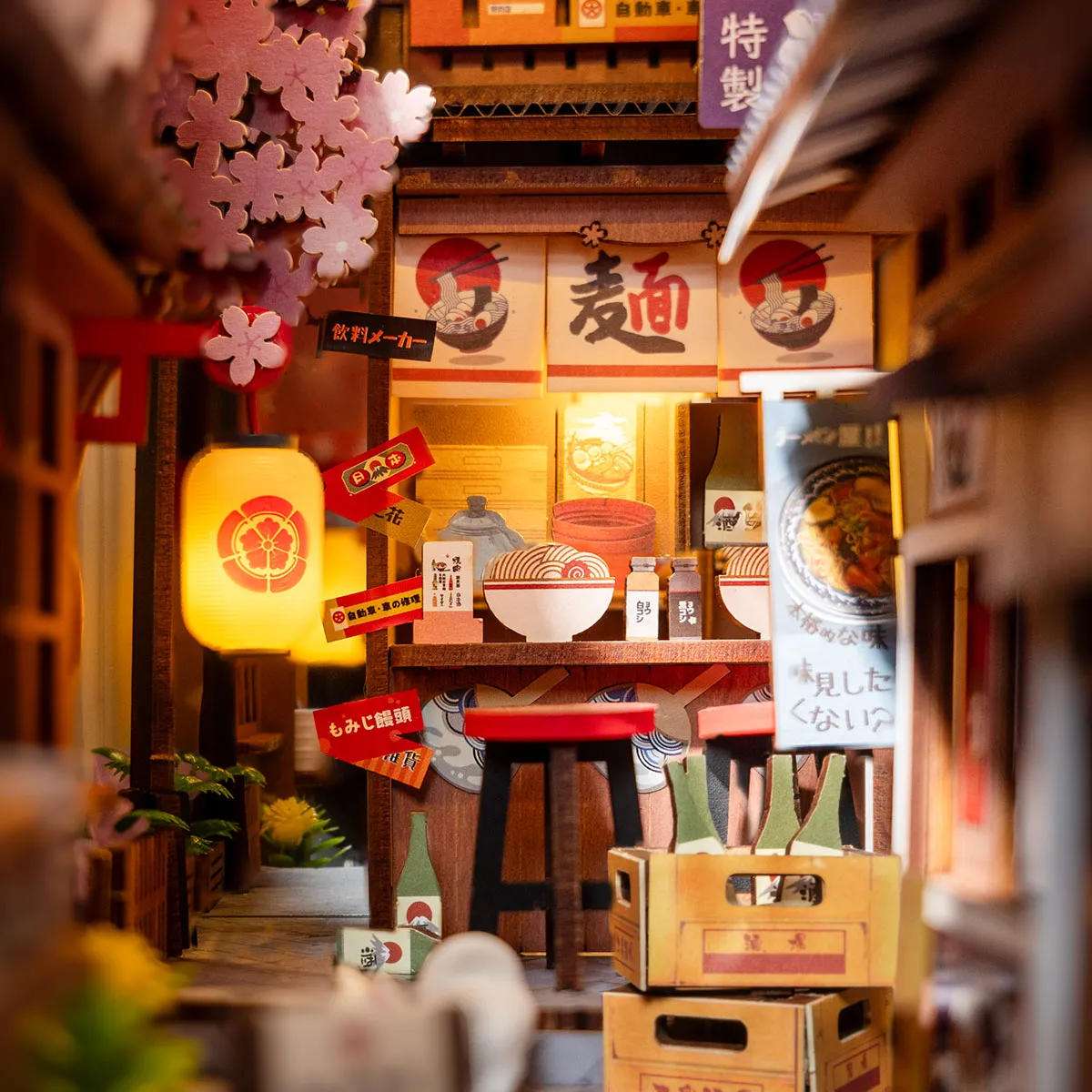
Miniature art can preserve the feeling of a place without reproducing every inch of it. Scale brings the viewer close; carefully chosen details imply lives beyond the frame; light sets the time of day; and layered construction turns a small object into a visual story.
A miniature alley works because atmosphere is carried by relationships: a stool beside a counter, a sign above a doorway, a crate near the curb, or warm light falling across a narrow path.
Sakura Wine Alley brings Japanese alley culture into focus through four small scenes. Open each one to discover the cultural idea behind the detail.
Food preparation gives a small alley sound, aroma, movement, and purpose. The ramen counter turns a narrow passage into a lived-in place where customers pause, cooks work within view, and everyday routines become part of the street.
The izakaya represents conversation, hospitality, and unwinding after work. Its small entrance and close counter place social life beside the alley, showing how limited space can create an intimate neighborhood gathering place.
Cherry blossoms connect an ordinary street with a brief seasonal moment. In the miniature, petals soften the storefronts and give the alley a sense of time, nostalgia, and a memory that feels specific even though the scene is imagined.
Warm LED light changes the model from a collection of façades into an inviting evening environment. It reveals depth between signs, bottles, plants, and rooflines while suggesting that people are present just beyond the visible scene.
Read the story behind Sakura Wine Alley to see how these cultural observations became a buildable miniature world.
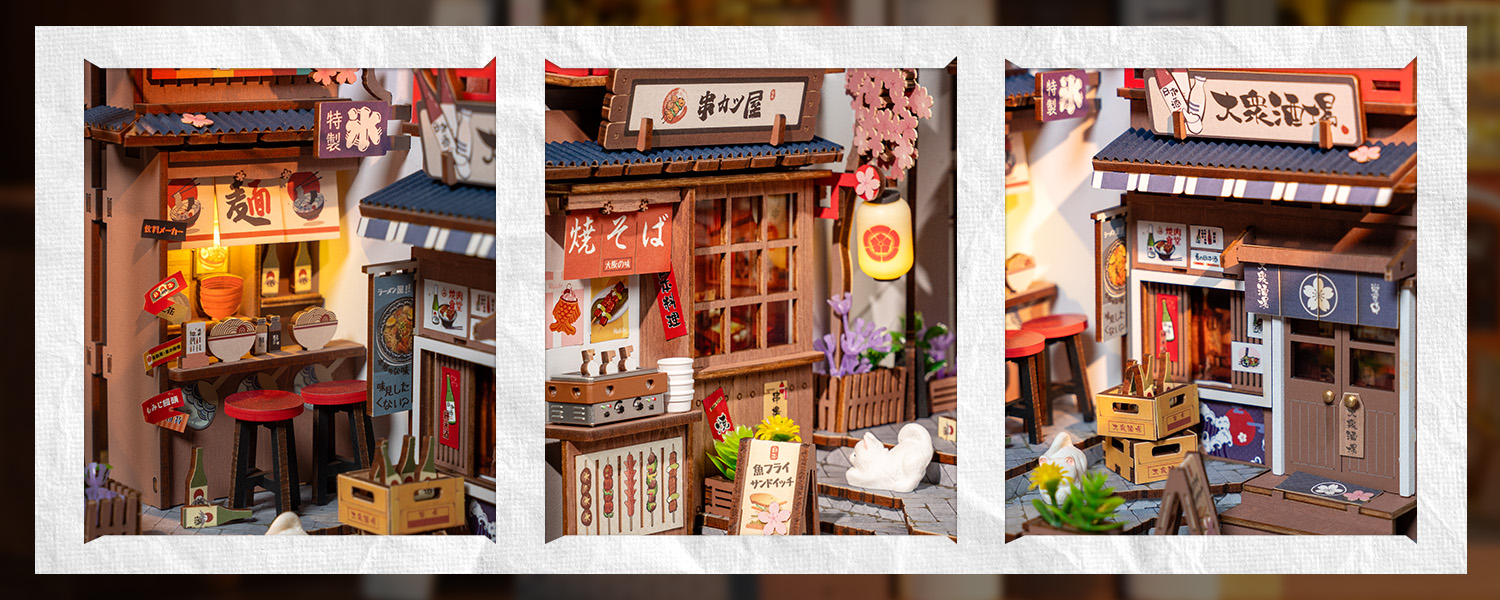
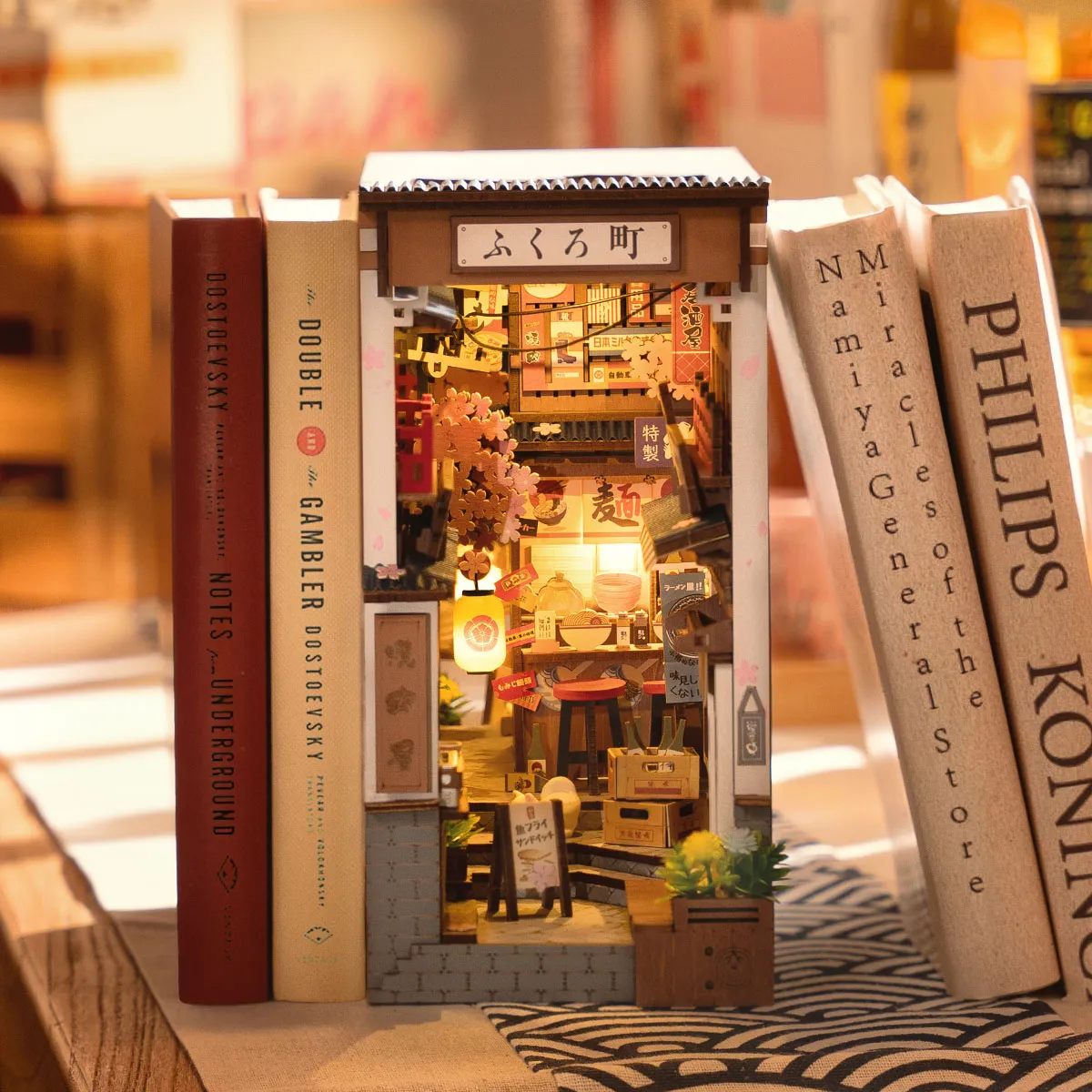
A focused display can bring the mood of a Japanese evening street into daily life.
See more Japanese-inspired reading corner ideas.
Three Rolife Community makers share what made Sakura Wine Alley memorable to build.
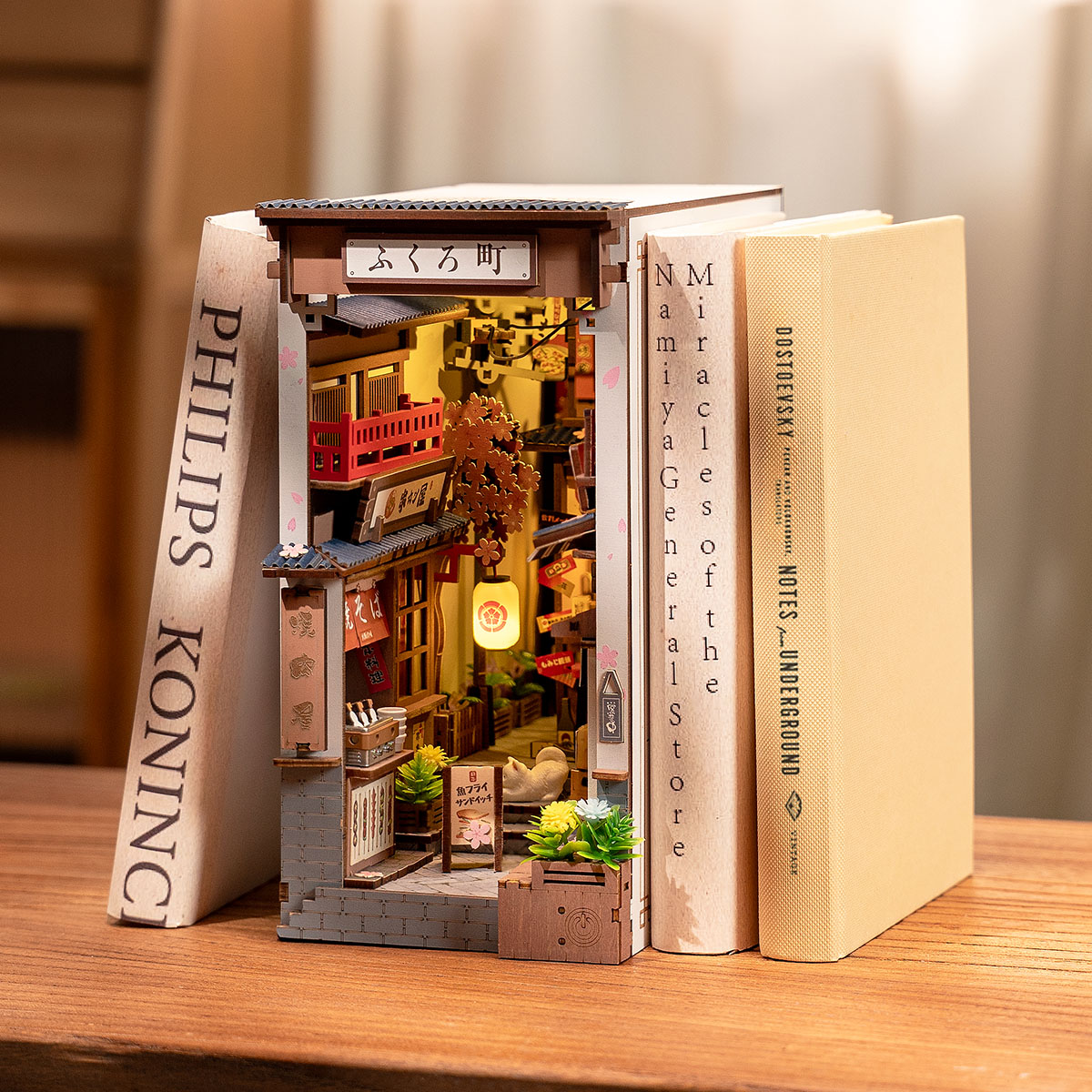
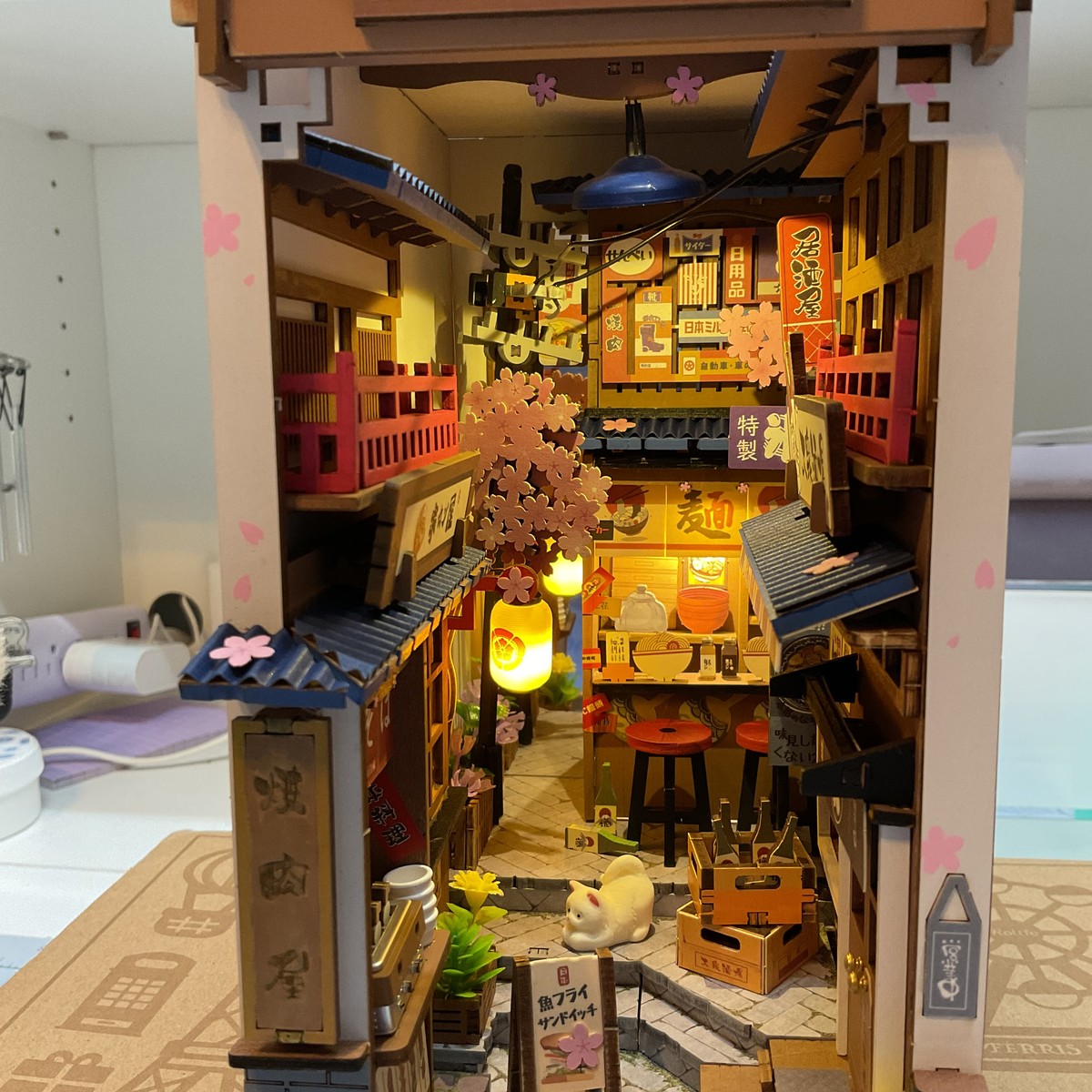
Japanese alleys invite attention to what is small and easily missed. Their nostalgic atmosphere, layered details, slower pace, meaningful use of limited space, and everyday human connections make them feel both intimate and full of possibility.
That is why the same visual language works so naturally in miniature: it rewards looking closely and lets a small space hold a much larger story.
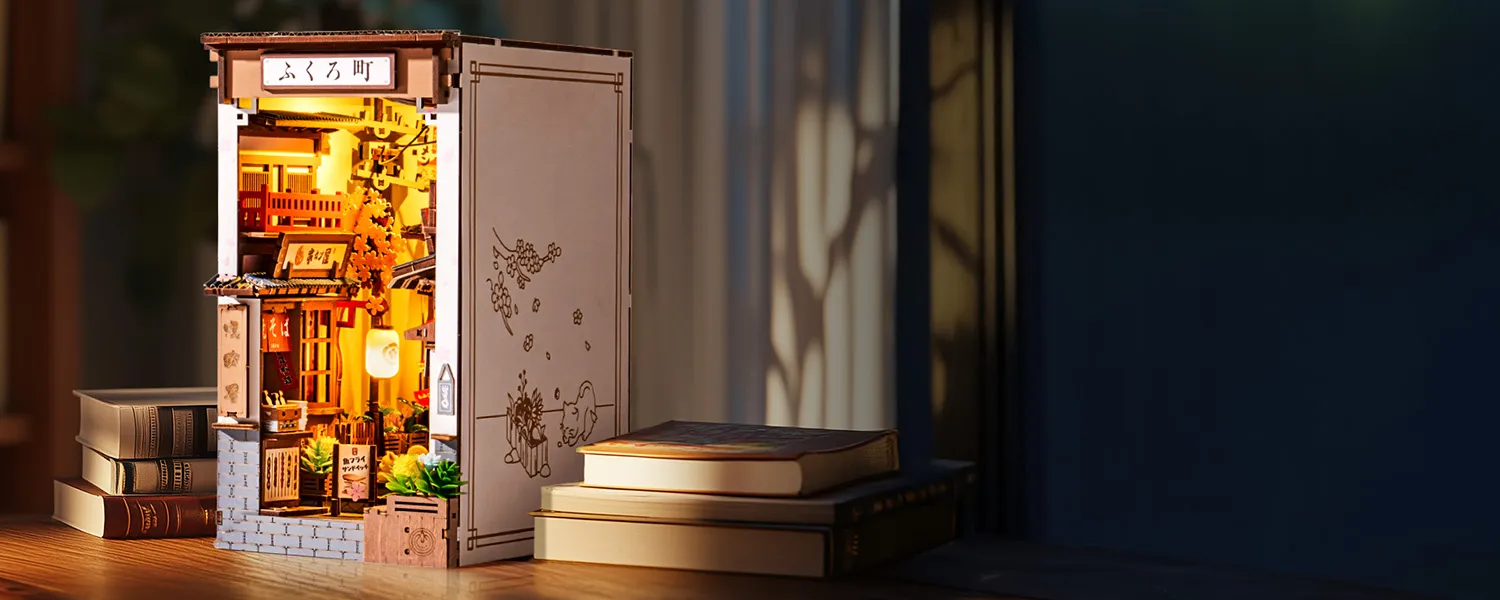
Bring the atmosphere of a Japanese evening alley to your bookshelf through a miniature world you build yourself.