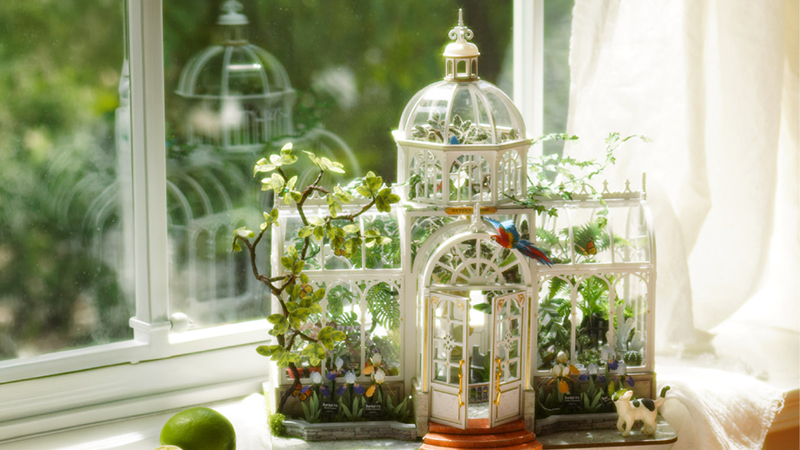
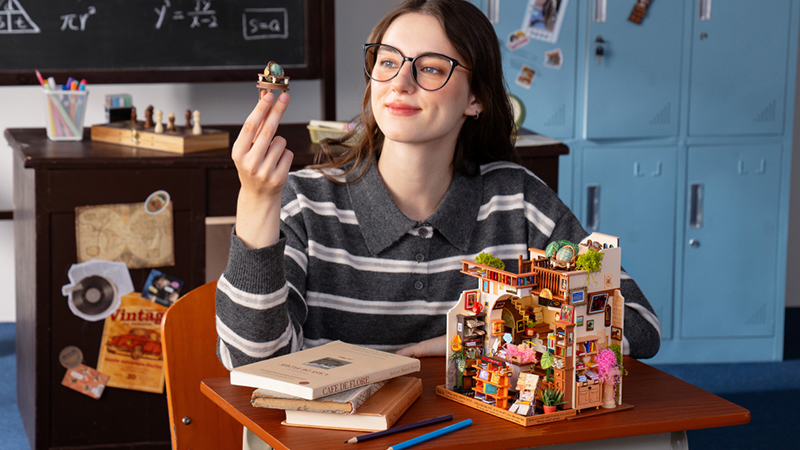
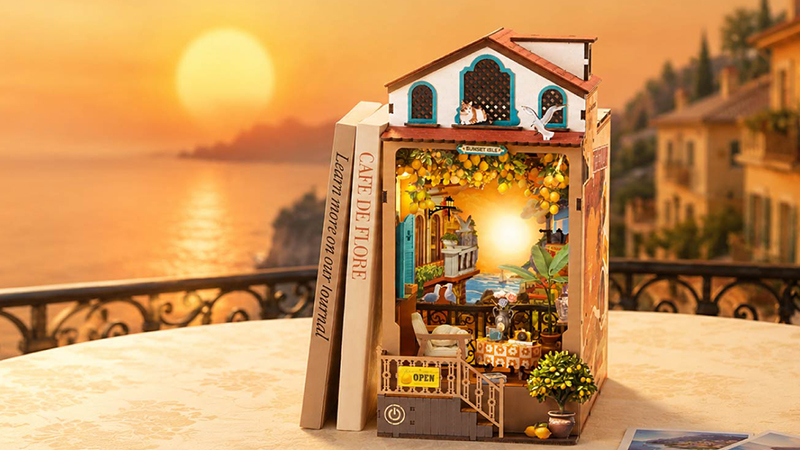
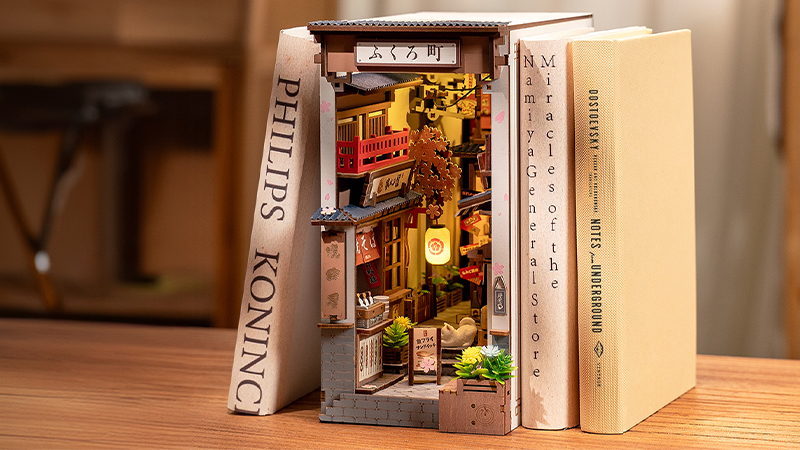
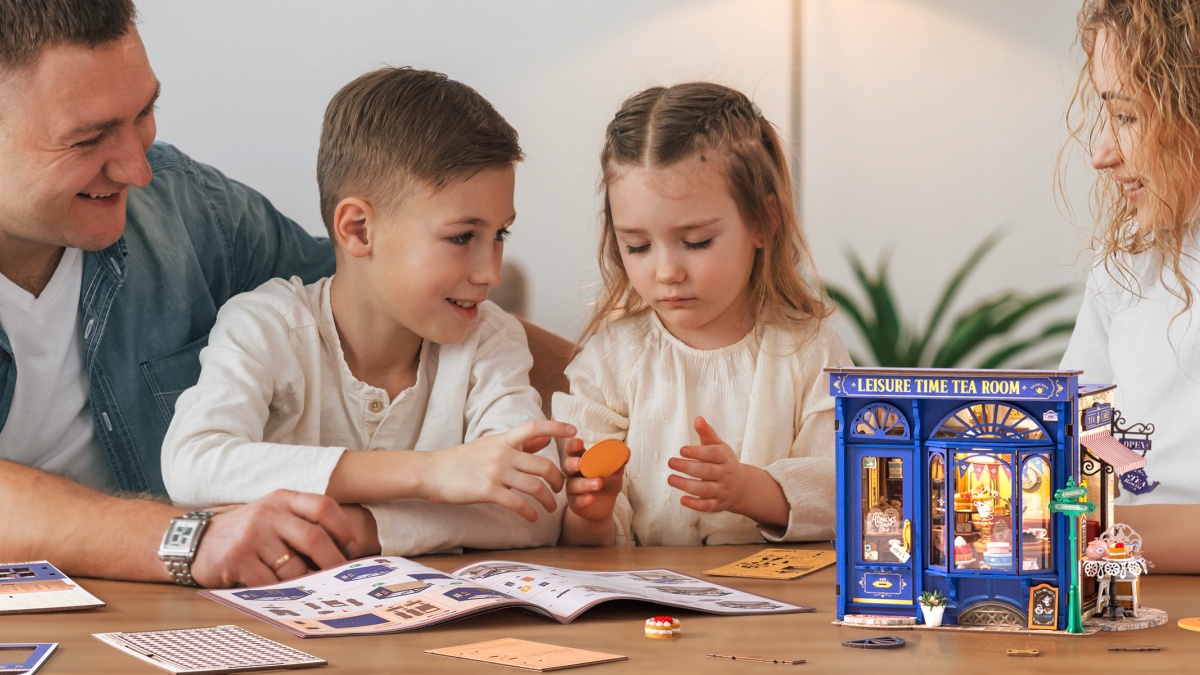
Réponse rapide : Pour choisir un kit de maison miniature DIY, regardez votre niveau de compétence, le thème préféré, la taille d'affichage finie, le temps de construction estimé, les matériaux, l'éclairage, les instructions et si le kit est pour vous ou comme cadeau. Les débutants devraient commencer avec un kit de difficulté inférieure avec des instructions claires et un nombre gérable de détails, tandis que les constructeurs expérimentés peuvent apprécier des maisons miniatures plus complexes avec éclairage, pièces superposées et accessoires réalistes.
Un kit de maison miniature DIY est plus qu'une boîte de petites pièces. Le bon kit peut devenir un projet d'artisanat relaxant, une belle pièce d'affichage, un cadeau réfléchi, ou même le début d'un nouveau passe-temps miniature.
Mais choisir le bon kit est important. Un design qui semble beau peut être trop complexe pour un constructeur novice. Un kit qui semble facile peut ne pas avoir le niveau de détail que vous souhaitez. Une maison miniature finie peut également nécessiter le bon espace pour l'affichage.
Ce guide vous aidera à choisir un kit de maison miniature DIY en fonction de la difficulté, du thème, de la taille, du temps de construction, des matériaux, de l'éclairage, des outils, de l'utilisation d'affichage et des besoins de cadeau, afin que vous puissiez trouver un kit qui semble agréable depuis la première étape jusqu'à la scène finale.
Pourquoi le choix du bon kit de maison miniature DIY est important
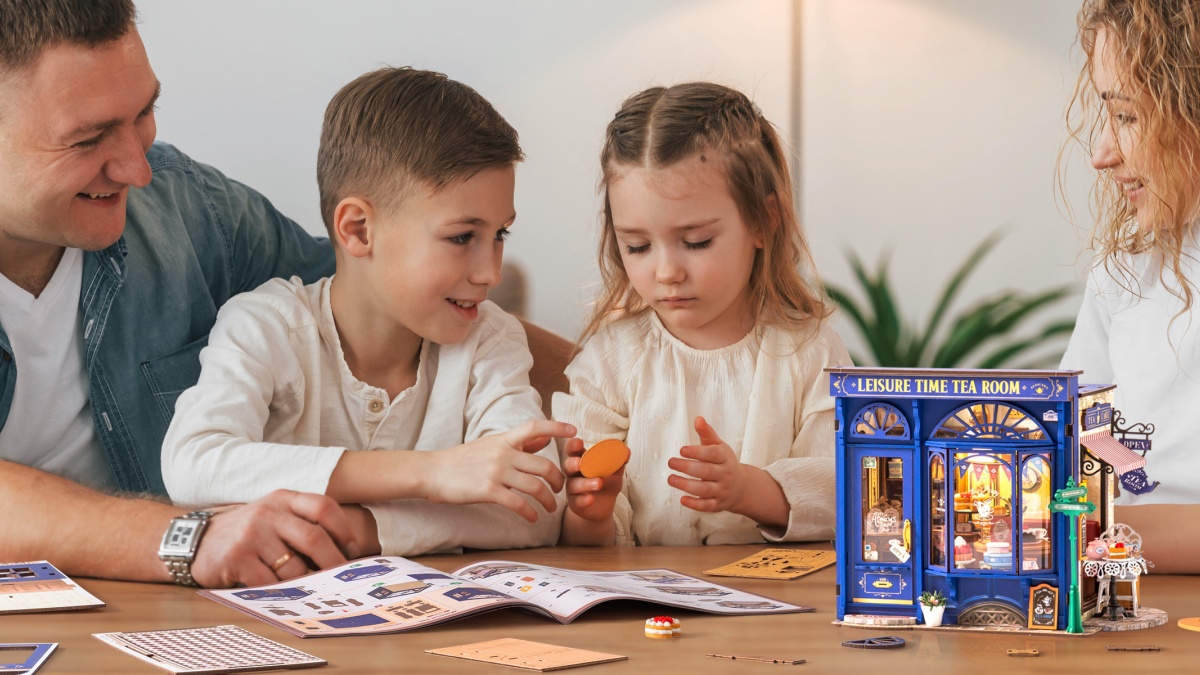
Les kits de maison miniature sont conçus pour être construits lentement et soigneusement. Ils incluent souvent de petits meubles, des accessoires décoratifs, des panneaux muraux, des pièces d'éclairage, des détails imprimés et des instructions d'assemblage étape par étape.
Si vous choisissez un kit qui correspond à votre niveau de compétence et à vos intérêts, le processus peut sembler apaisant et gratifiant. Si vous choisissez un kit qui est trop difficile, trop grand ou pas à votre goût, le projet peut sembler frustrant au lieu d'agréable.
Le meilleur kit de maison miniature DIY doit correspondre à trois choses :
- Votre niveau de compétence : débutant, intermédiaire ou avancé.
- Votre style personnel : maison confortable, café, fleuriste, librairie, cuisine, chambre vintage ou scène saisonnière.
- Votre objectif : passe-temps relaxant, décoration intérieure, cadeau, collection ou projet pratique détaillé.
1. Commencez par votre niveau de compétence
La première chose à vérifier est la difficulté. Un beau kit n'est le bon choix que si le processus de construction semble gérable pour vous.
Pour les débutants, il est généralement préférable de choisir un kit avec une structure claire, moins d'étapes délicates et des instructions faciles à suivre. Pour les constructeurs expérimentés, un kit plus détaillé avec éclairage, accessoires superposés et agencements de pièces complexes peut sembler plus satisfaisant.
| Type de constructeur | Meilleur choix de kit | Ce qu'il faut rechercher |
|---|---|---|
| Débutant pour la première fois | Kits miniatures de difficulté de base | Instructions claires, structure simple, détails gérables |
| Débutant patient | Scènes de chambre confortable ou de petite boutique | Détails modérés, agencement convivial pour les débutants, valeur d'affichage |
| Constructeur intermédiaire | Maisons miniatures avec plus de meubles et d'éclairage | Assemblage superposé, plus d'accessoires, conception de scène plus riche |
| Hobbyiste avancé | Grandes maisons miniatures ou maisons très détaillées | Structure complexe, décoration détaillée, expérience de construction plus longue |
Si c'est votre premier kit Rolife, commencez par un design de difficulté inférieure avant de passer à une maison miniature plus grande ou plus détaillée.
Parcourez les kits Rolife adaptés aux débutants
2. Choisissez un thème que vous apprécierez réellement
Le thème est important car un kit de maison miniature DIY prend du temps. Vous passerez des heures avec la scène, alors choisissez-en une qui correspond à vos goûts, votre personnalité ou à la personne à qui vous l'offrez.
Certaines personnes adorent les intérieurs de maison confortables. D'autres préfèrent les fleuristes, les cafés, les cuisines, les librairies, les jardins ou les scènes vintage romantiques. Plus vous aimez le thème, plus le processus de construction sera agréable.
| Si vous aimez... | Choisissez ce type de kit miniature |
|---|---|
| Intérieurs de maison chaleureux | Kits de salon, de chambre ou de maison confortable |
| Scènes de nourriture et de pâtisserie | Kits miniatures de cuisine, de boulangerie ou de café |
| Fleurs et nature | Kits de fleuriste ou de maison de jardin |
| Livres et coins tranquilles | Kits de librairie, d'étude ou sur le thème de la lecture |
| Décor saisonnier | Maisons miniatures de vacances ou saisonnières |
| Style romantique et nostalgique | Maisons miniatures vintage ou romantiques |
| Esthétique cottagecore | Kits de maison miniature cottagecore |
Explorez les kits de maison miniature DIY Rolife
3. Vérifiez la taille finie et l'espace d'affichage
Avant d'acheter un kit de maison miniature DIY, pensez à l'endroit où la pièce finie ira. Beaucoup de gens se concentrent sur le design de la boîte mais oublient de vérifier la taille finie.
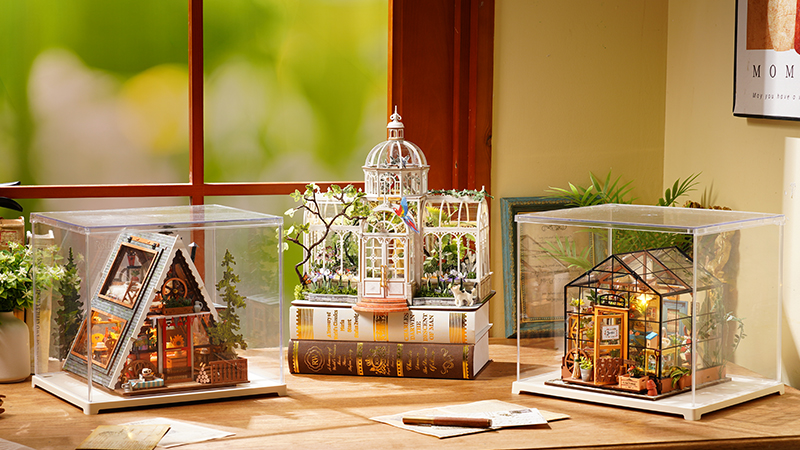
Une maison miniature peut avoir l'air belle sur un bureau, une étagère, une table de chevet, un cabinet d'affichage ou un coin d'artisanat. Mais si vous avez un espace limité, un kit compact ou une pièce modulaire peut être plus facile à afficher.
| Espace d'affichage | Meilleur type de kit |
|---|---|
| Petit bureau | Petite pièce miniature compacte ou pièce Super Creator |
| Étagère | Petite maison miniature ou kit book nook |
| Cabinet d'affichage | Kit de maison miniature DIY détaillé |
| Table de chevet | Scène de maison confortable, de fleuriste ou de café |
| Affichage de cadeau | Kit de maison miniature avec une scène finie claire |
Si vous souhaitez protéger la miniature finie de la poussière, envisagez de l'associer à une boîte d'affichage ou à une vitrine appropriée.
Achetez des boîtes d'affichage pour les kits miniatures finis
4. Regardez le temps de construction et la difficulté ensemble
Le temps de construction et la difficulté sont liés, mais ce ne sont pas la même chose. Un kit peut avoir de nombreuses pièces mais sembler facile si les étapes sont claires. Un autre kit peut avoir moins de pièces mais sembler plus difficile si les pièces sont délicates ou si les étapes d'éclairage sont complexes.
Pour une première expérience relaxante, choisissez un kit que vous pouvez construire en courtes sessions sur plusieurs soirées. Si vous aimez les projets longs et immersifs, un kit plus détaillé peut être un meilleur choix.
| Type de kit | Attente suggérée |
|---|---|
| Kits adaptés aux débutants | Bon pour des sessions courtes sur quelques soirées relaxantes |
| Kits intermédiaires | Mieux pour la construction le week-end ou sur plusieurs jours |
| Kits avancés | Meilleur pour les artisans expérimentés qui aiment les projets plus longs |
Vérifiez toujours la page produit pour le niveau de difficulté, le temps de construction estimé et les notes d'assemblage avant de choisir.
Parcourez les kits Rolife intermédiaires
5. Examinez les matériaux, les détails et les pièces incluses
Un bon kit de maison miniature DIY doit sembler complet et soigneusement conçu. Lors de la comparaison des kits, regardez au-delà de l'image principale et vérifiez ce qui est inclus dans la boîte.
Les détails utiles peuvent inclure des pièces pré-découpées, des accessoires imprimés, des meubles miniatures, des pièces en papier décoratif, des composants d'éclairage, des instructions claires et des détails de scène réalistes.
Ces détails sont importants car ils affectent à la fois l'expérience de construction et la valeur d'affichage finale.
- Les pièces pré-découpées facilitent l'assemblage et réduisent le travail de mesure.
- Les meubles miniatures donnent de la profondeur et du réalisme à la scène.
- Les accessoires imprimés ajoutent de petits détails visuels sans avoir besoin de tout concevoir vous-même.
- Les pièces d'éclairage rendent la maison finie plus chaleureuse et plus atmosphérique.
- Les instructions étape par étape aident les débutants à rester confiants pendant la construction.
Si vous comparez plusieurs kits, choisissez celui qui vous offre le meilleur équilibre entre détail, clarté et valeur d'affichage.
6. Décidez si vous voulez de l'éclairage
De nombreux kits de maison miniature DIY incluent un éclairage LED ou des détails lumineux. L'éclairage peut rendre la pièce finie plus réaliste et confortable, surtout pour les pièces, les cafés, les librairies et les scènes du soir.
Cependant, l'éclairage peut également ajouter quelques étapes d'assemblage supplémentaires. Si vous êtes un constructeur novice et que vous vous sentez nerveux à propos du câblage, choisissez un kit adapté aux débutants avec un éclairage simple ou commencez avec un kit qui a moins d'étapes électriques.
Avant d'acheter, vérifiez si le kit comprend des pièces LED, si des piles sont nécessaires et si la disponibilité des piles varie selon la région ou la politique d'expédition.
7. Pensez aux outils, à la colle et au soutien à l'assemblage
Certains kits de maison miniature DIY peuvent nécessiter de la colle, des ciseaux, des pinces, des piles ou d'autres outils de bricolage de base. Les exigences peuvent varier selon le kit, il est donc toujours préférable de vérifier la page produit et les notes d'instructions avant de commencer.
Si vous achetez votre premier kit, choisissez-en un avec des instructions claires et des étapes d'assemblage faciles à comprendre. Il est également utile d'acheter dans un magasin officiel qui offre un support client et un service de pièces de rechange.
Guides utiles :
- Les kits Rolife ont-ils besoin de colle ?
- Quels outils ai-je besoin pour construire un kit Rolife ?
- Que dois-je faire si une pièce Rolife est manquante ou cassée ?
8. Choisissez par objectif : passe-temps, cadeau, décoration ou collection
Le meilleur kit de maison miniature DIY dépend de la raison pour laquelle vous l'achetez.
Si vous achetez pour vous-même, choisissez un thème qui vous excite à construire. Si vous achetez un cadeau, choisissez une scène qui correspond aux intérêts du destinataire, comme des fleurs, de la pâtisserie, des livres, des chambres confortables ou de la décoration intérieure.
| Objectif | Meilleur choix |
|---|---|
| Passe-temps relaxant | Kits miniatures adaptés aux débutants ou de maison confortable |
| Décoration intérieure | Maisons miniatures dignes d'affichage, cafés, fleuristes ou scènes sur le thème des livres |
| Cadeau | Kits qui correspondent aux intérêts du destinataire et sont beaux une fois finis |
| Collection | Maisons miniatures par thème, style ou niveau de difficulté |
| Projet pratique détaillé | Kits intermédiaires ou avancés avec accessoires superposés et éclairage |
Explorez les cadeaux Rolife pour les amateurs de décoration intérieure
Liste de contrôle pour l'achat de kits de maison miniature DIY
Avant de choisir un kit, utilisez cette simple liste de contrôle :
- Le niveau de difficulté est-il adapté à votre expérience ?
- Le thème correspond-il à votre style personnel ou à celui du destinataire ?
- Avez-vous suffisamment d'espace pour afficher le kit fini ?
- Le kit comprend-il un éclairage ou des détails décoratifs supplémentaires ?
- Les instructions sont-elles claires et adaptées aux débutants ?
- Avez-vous besoin de colle, de piles ou d'outils de bricolage de base ?
- La pièce finie sera-t-elle utilisée pour la décoration intérieure, comme cadeau ou pour la collection ?
- Un support client ou un service de pièces de rechange est-il disponible ?
Meilleurs kits de maison miniature DIY Rolife par besoin
Si vous n'êtes pas sûr par où commencer, choisissez en fonction de votre besoin principal :
| Votre besoin | Direction Rolife recommandée | Où commencer |
|---|---|---|
| Je suis débutant | Kits de difficulté de base avec instructions claires | Kits de difficulté de base |
| Je veux une scène de maison confortable | Chambre, salon ou mini maison confortableature kits | Kits de maison miniature DIY |
| J'adore les cuisines et les boulangeries | Kits de maison miniature de cuisine, boulangerie et café | Kits de maison miniature de cuisine et boulangerie |
| Je veux des fleurs ou des scènes de jardin | Kits de fleuriste et de maison de jardin | Kits de fleuriste et de maison de jardin |
| Je veux une construction de style café | Maisons miniatures de café et de boulangerie | Kits de maison miniature de café et boulangerie |
| Je veux un cadeau | Kits offerts avec une belle valeur d'affichage fini | Cadeaux pour elle |
| Je veux de la décoration intérieure | Maisons miniatures et kits de décoration dignes d'affichage | Cadeaux pour les amateurs de décoration intérieure |
| Je veux un défi | Kits avancés avec plus de détails et un temps de construction plus long | Kits de difficulté avancée |
Les débutants devraient-ils choisir un kit de maison miniature ou une chambre Super Creator ?
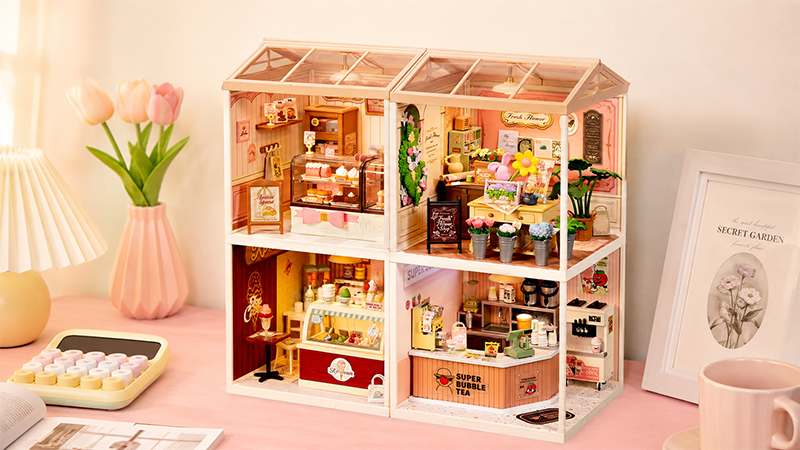
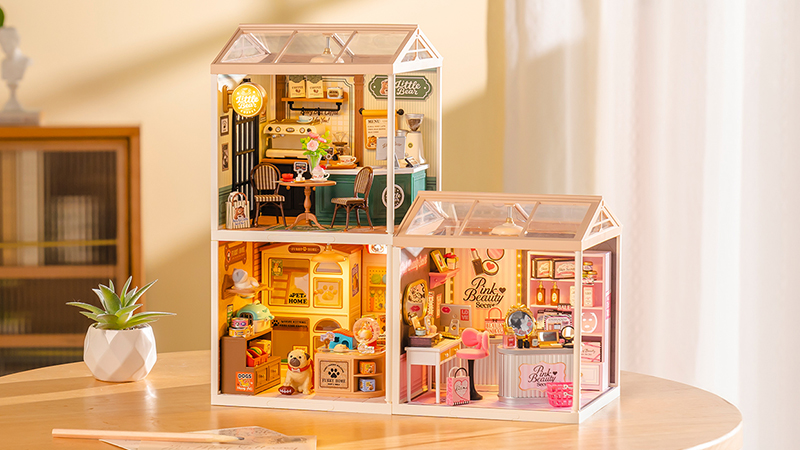
Si vous aimez l'idée de scènes miniatures mais que vous n'êtes pas sûr de commencer par une maison miniature complète, les chambres Rolife Super Creator peuvent être un bon premier pas. Ce sont des chambres miniatures modulaires qui sont plus faciles à aborder et peuvent être affichées seules ou connectées à d'autres chambres.
Choisissez une chambre Super Creator si vous voulez un projet plus court et plus structuré. Choisissez un kit de maison miniature DIY si vous voulez une scène plus complète avec des détails de maison miniature plus traditionnels.
Explorez les ensembles Rolife Super Creator
Guides connexes
Pour continuer à explorer le bon kit d'artisanat DIY Rolife pour vos besoins, vous pourriez également aimer :
- Meilleurs kits DIY pour les personnes qui aiment les projets pratiques détaillés
- Meilleurs kits d'artisanat relaxants pour les adultes à la maison
- Les kits Rolife valent-ils le prix ?
- Les kits Rolife sont-ils bons pour les débutants ?
- Devrais-je acheter des kits Rolife sur le site officiel ou sur Amazon ?
Réflexions finales
Le meilleur kit de maison miniature DIY n'est pas toujours le plus complexe ou le plus détaillé. C'est le kit qui correspond à votre niveau de compétence, votre style, votre espace disponible et votre raison de construire.
Si vous êtes débutant, commencez par un kit de difficulté inférieure qui semble clair et gérable. Si vous aimez les petits détails, choisissez une maison miniature avec des meubles superposés, des accessoires et un éclairage. Si vous achetez un cadeau, choisissez un thème qui correspond à la personnalité du destinataire et crée une belle présentation finie.
Avec le bon choix, un kit de maison miniature DIY peut devenir plus qu'un projet d'artisanat. Cela peut devenir une routine relaxante, un défi créatif, un cadeau réfléchi ou un petit monde dont vous êtes fier d'afficher.
FAQ
Quel est le meilleur kit de maison miniature DIY pour les débutants ?
Le meilleur kit de maison miniature DIY pour les débutants est celui avec des instructions claires, un niveau de difficulté inférieur, un nombre de détails gérable et une taille finie facile à afficher. Les débutants devraient commencer par des kits de difficulté de base avant de choisir des maisons miniatures plus grandes ou plus complexes.
À quel point les kits de maison miniature DIY sont-ils difficiles ?
Les kits de maison miniature DIY varient en difficulté. Certains sont adaptés aux débutants, tandis que d'autres incluent des meubles plus détaillés, un éclairage, du papier créatif et de petits accessoires. Vérifiez le niveau de difficulté, les détails du produit et le temps de construction estimé avant de choisir.
Combien de temps faut-il pour construire un kit de maison miniature DIY ?
Le temps de construction dépend du design du kit, du niveau de difficulté, du nombre de pièces et de votre expérience en artisanat. Les kits adaptés aux débutants peuvent souvent être complétés en quelques sessions détendues, tandis que les kits plus détaillés peuvent prendre plus de temps.
Les kits de maison miniature DIY ont-ils besoin de colle ?
Certains kits de maison miniature DIY peuvent nécessiter de la colle pour certaines pièces. Les exigences varient selon le kit, il est donc préférable de vérifier la page du produit et le manuel d'instructions avant l'assemblage.
Les kits de maison miniature DIY sont-ils de bons cadeaux ?
Oui. Les kits de maison miniature DIY peuvent faire des cadeaux réfléchis pour les adultes, les amateurs d'artisanat, les fans de décoration intérieure, les collectionneurs de miniatures et les personnes qui aiment les loisirs pratiques. Choisissez un thème qui correspond aux intérêts du destinataire.
Que devrais-je vérifier avant d'acheter un kit de maison miniature DIY ?
Avant d'acheter, vérifiez le niveau de difficulté, le thème, la taille finie, le temps de construction, les outils requis, l'éclairage, les instructions, l'espace d'affichage et si un support client ou un service de pièces de rechange est disponible.