
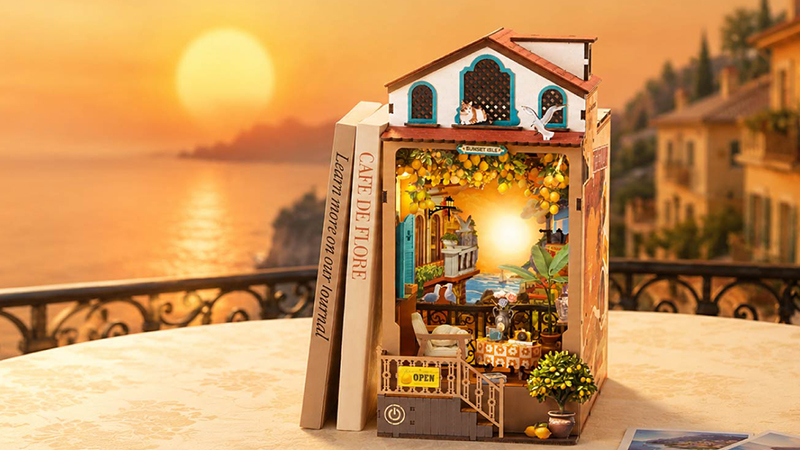
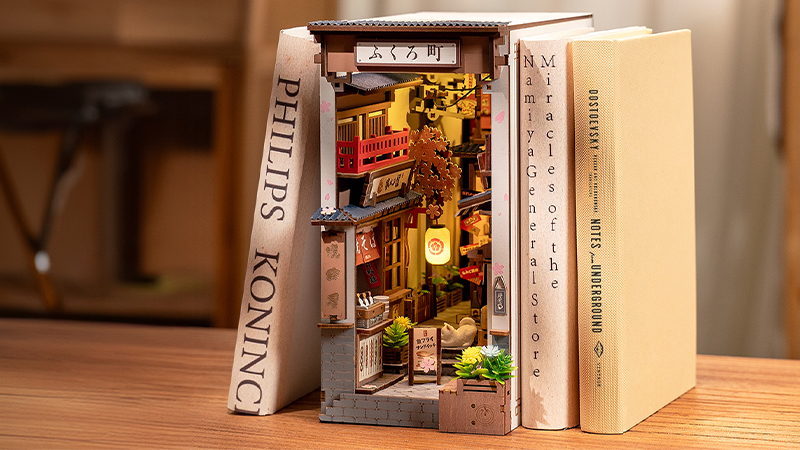
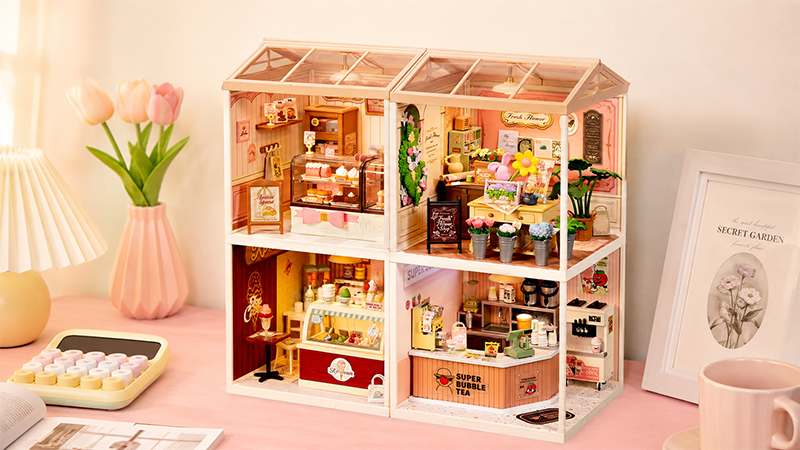
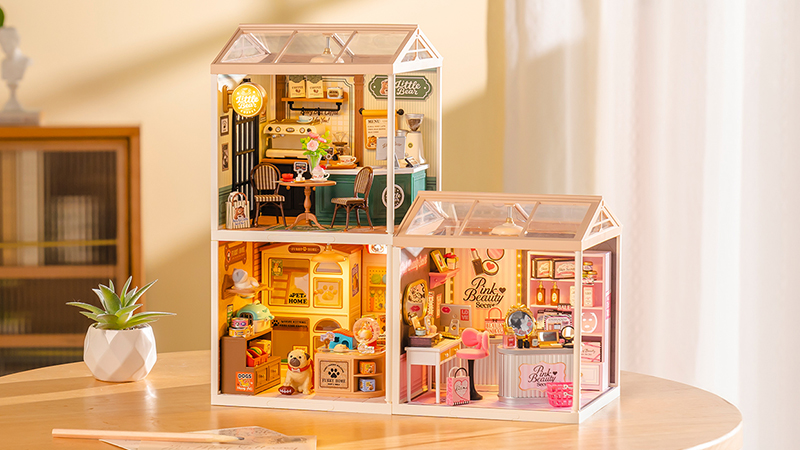

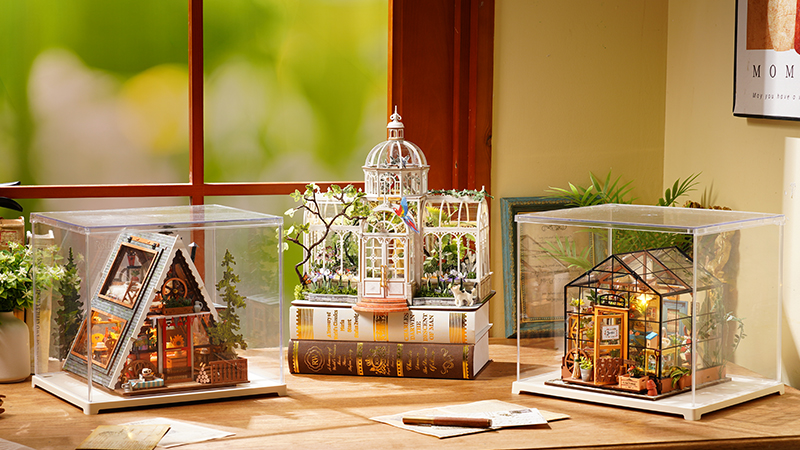

When building miniatures, either as a beginner or a pro, every small detail counts. Some considerations need to be made when deciding to paint miniatures, evaluating the tools that are needed to achieve satisfactory results.
This blog post will cover everything you need to know about choosing the right paint and tools for your miniature model to avoid making mistakes.
How to Choose the Right Paint
Choosing Paint Type
Various types of paints are best suited for different applications and methods. Understanding this will help you achieve the best results.
- Acrylics: Acrylics are water paints that are friendly and versatile. They are the most popular choice of paints, offering fast-drying times, minimal odor, and excellent coverage. These are convenient to novices and seasoned hobbyists. They can be used indoors as they are water-based and can be wiped away with ease.
They come in different colors and finishes and can be used with a brush and an airbrush.
- Enamel paints: These are used among experienced puzzle makers due to their superior durability and excellent finish quality. They are oil-based, thus providing a wide, even coverage of model surfaces. They require more patience as they do not dry quickly. But the outcome is worth the wait.
They are more chip-resistant and are ideal for intricate work. They can also be used to apply weathering effects.
- Lacquer paints: These are durable paints and contain a glass finish, which makes the paintings really tough. They are solvent-based, have a fast drying time and better adhesiveness to different surfaces such as plastic and metal.
- Specialty paints: Specialty paints, such as washes, are appropriate to shade and highlight. Spray paints are also used for base coats and large surfaces.
Choosing Finish Options
- Matte: To obtain an old or rustic look, you could select a matte finish. This is ideal for the natural look of furniture, walls, and floors.
- Satin: To get an even tone sheen to decorative accents, apply a satin finish. It works for most surface areas.
- Gloss: A glossy face makes a high sheen, excellent to metal models and metallic features.
Choosing Your Color Choice
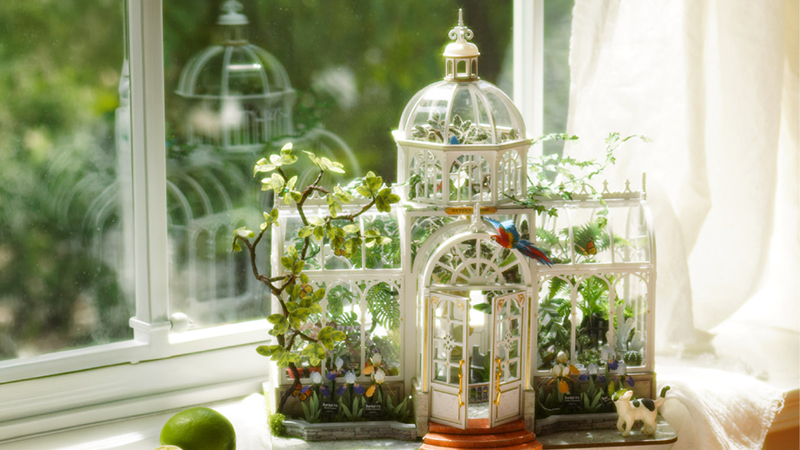
- Use theme-based colors to complement your model. You may incorporate an earth tone to natural objects such as green houses or trees.
- Use reference photos of real rooms and objects for inspiration if you’re lost on color choice.
- Use a small range of colors so as not to get lost.
How to Choose the Right Tools
Painting can be much easier with the right tools.
Paint Brushes
Purchase quality brushes that are sturdy and can hold more paint.
- Get a fine-detail brush to paint intricate parts like tiny lines and edges.
- Get flat brushes if you’re painting base coats and larger areas.
- Get a round brush for more detailing and coverage.
- Synthetic brushes are also ideal for holding shape.
Cutting and Shaping Tools
- Use a craft knife to trim the excess part out of your pieces before you paint.
- Sandpapers or files are also recommended to even out rough edges.
- Use small tweezers to hold small pieces while painting. This is particularly useful when it comes to painting metal model figurines because the oil on your skin may seep into the miniature item.
- Masking tape is helpful to protect areas you don’t want painted.
Finishing Tools
- If you’re using multiple colors, use a palette to mix.
- Use a water pot to rinse off colors from brushes. Use a separate water pot for dark and light shades.
- Seal and preserve your model using gloss, matte or satin finish.
Tips for Choosing Paint and Tools
- You don’t need to buy every color at once. Begin with a limited collection of paint and widen your collection with time.
- Dilute your paints with water to get a flawless application.
- Practice your color choice and technique on another surface before painting your model to get a feel of what it looks like.
- Clean your brushes regularly so they can perform well.
- Don’t be boring; explore different techniques and let your imagination go wild till you find what works for you.
Conclusion
Your miniature model can become a lovely kit by selecting the appropriate paint and other tools. And the next time you open another Rolife miniature, grab your brushes and paints and show us what you can do.
FAQs
Can I use watercolor on my miniature models?
Yes, but it is best preferred for lighter shades and backgrounds. Acrylic paint is the most suitable and safest color choice.
Should I paint before or after I assemble puzzle pieces?
Small areas can be painted before assembly to provide easy accessibility. Larger areas can be painted after assembly.
What can I do to avoid the paint from pouring into other places?
Use masking tape to mark off areas you don’t want painted. Then, add thin layers and let them dry before adding the next.
Can I mix different types of paint for my miniature model?
It is best to stick to one paint type for consistency. If you must mix, apply acrylics first on top before applying enamel or other oil-based paints.
📖 Miniature Model Painting Guide Series
- 1 How to Choose the Right Paint and Tools For Your Miniature Model – A complete guide to selecting the best materials.
- 2 Acrylic Paint Tips for Wooden Model Painting – Learn the best tips for painting wooden miniatures.
- 3 Plastic Model Painting Tips – Step-by-step guide for painting plastic models.
- 4 Metal Model Painting Tips – Techniques for painting your metal miniatures.
- 5 DIY Model Painting Maintenance and Display Tips – How to maintain and display your painted models.