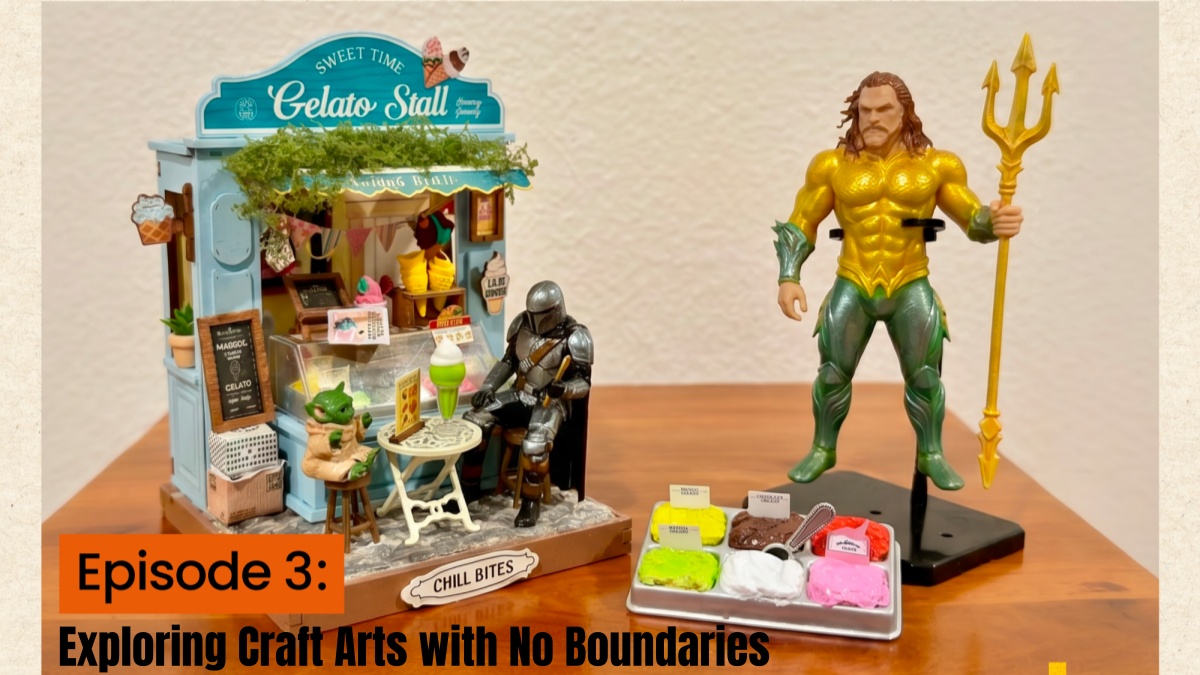
What do Baby Yoda, Jason Momoa, resin art, clay, painting, 3D printing, and a tiny gelato stall have in common? For Michelle, they are all part of one creative world.
In this episode of Craftime, host Patrick Wang talks with Michelle, a passionate maker from Topaz Lake, Nevada, about creativity without boundaries. From Rolife miniature kits and resin art to clay, painting, and 3D printing, Michelle shares how different crafts can connect, inspire each other, and help makers discover creative abilities they did not know they had.
Listen to the Episode
You can Listen to the full Craftime conversation with Michelle below, or find it on Apple Podcasts.
Quick Takeaways from This Episode
- Creativity does not need to stay within one medium.
- Rolife miniature kits can become a starting point for painting, clay work, resin art, 3D printing, and storytelling.
- Making mistakes is part of learning, not a reason to stop.
- A creative hobby should bring personal satisfaction, not pressure.
- Miniature scenes can help makers practice patience, color sense, dexterity, and imagination.
- Challenges can build confidence when makers learn to overcome them one step at a time.
- Sometimes the most magical ideas arrive spontaneously.
Meet Michelle: An Eternal Student of Creativity
Michelle describes herself as an “eternal student.” Over the years, she has explored music, photography, fitness, nursing, resin art, clay, painting, miniatures, and 3D printing. Instead of defining herself by one single medium, she simply calls herself an artist.
Her journey into miniature crafting began when her children introduced her to Rolife. Their first project together was Honey Dessert Talk, a miniature scene that helped Michelle realize she was more creative than she had once believed.
“I didn’t know I was this creative,” Michelle says in the episode. “I just shine whenever I do art.”
That moment became more than a finished kit. It opened the door to a new way of seeing color, detail, texture, and self-expression.
Creativity as Self-Expression
For Michelle, every medium has its own language. Resin, clay, painting, miniatures, and 3D printing may look different from the outside, but they all give her a way to express emotion, mood, and personality.
When she feels happy, she makes art. When she feels down, she makes art. The material may change, but the purpose remains the same: creativity helps her feel calm, connected, and more herself.
“Each and every one of these mediums is a form of self-expression.”
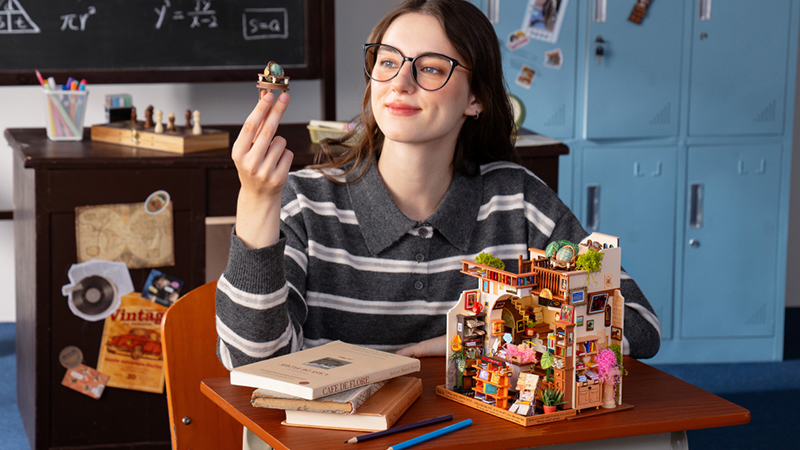
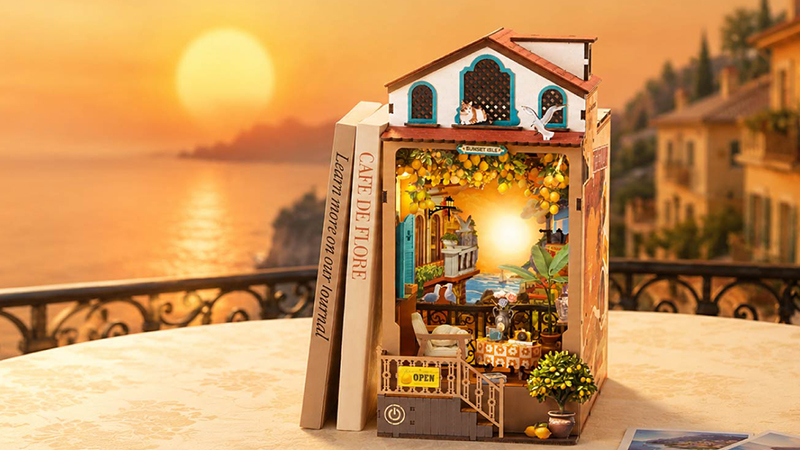
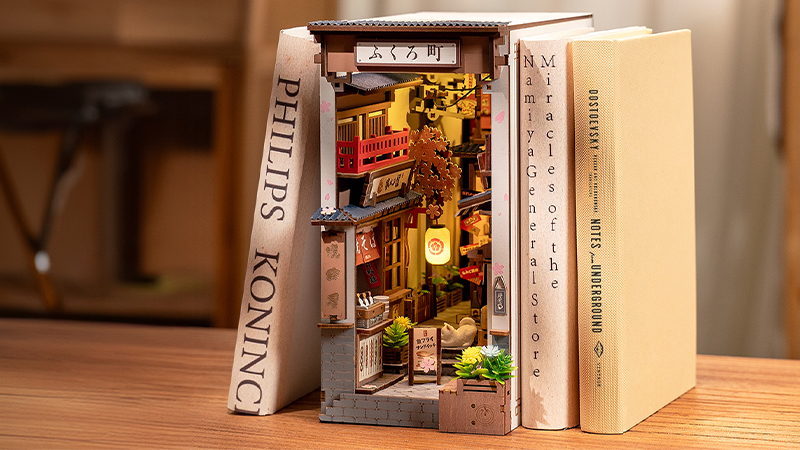
This is one reason miniature crafting can feel so personal. A tiny room, shop, bookstore, flower stall, or dessert scene is not just a collection of small pieces. It becomes a place where the maker’s taste, memories, imagination, and patience all come together.
How Rolife Helped Her Discover a New Creative Side
Before building her first Rolife miniature kit, Michelle did not think of herself as a visual craft artist. She had a strong background in music and nursing, but miniature art felt like a different world.
That changed when she built Honey Dessert Talk with her children. Through the process, she began to notice colors differently. Green was no longer just green. There were shades, tones, blends, and small choices that could change the feeling of an entire scene.
She also discovered a new kind of hand skill. As a nurse, she already understood the importance of careful hand movement. But miniature crafting helped her use that precision in a more playful, artistic way.
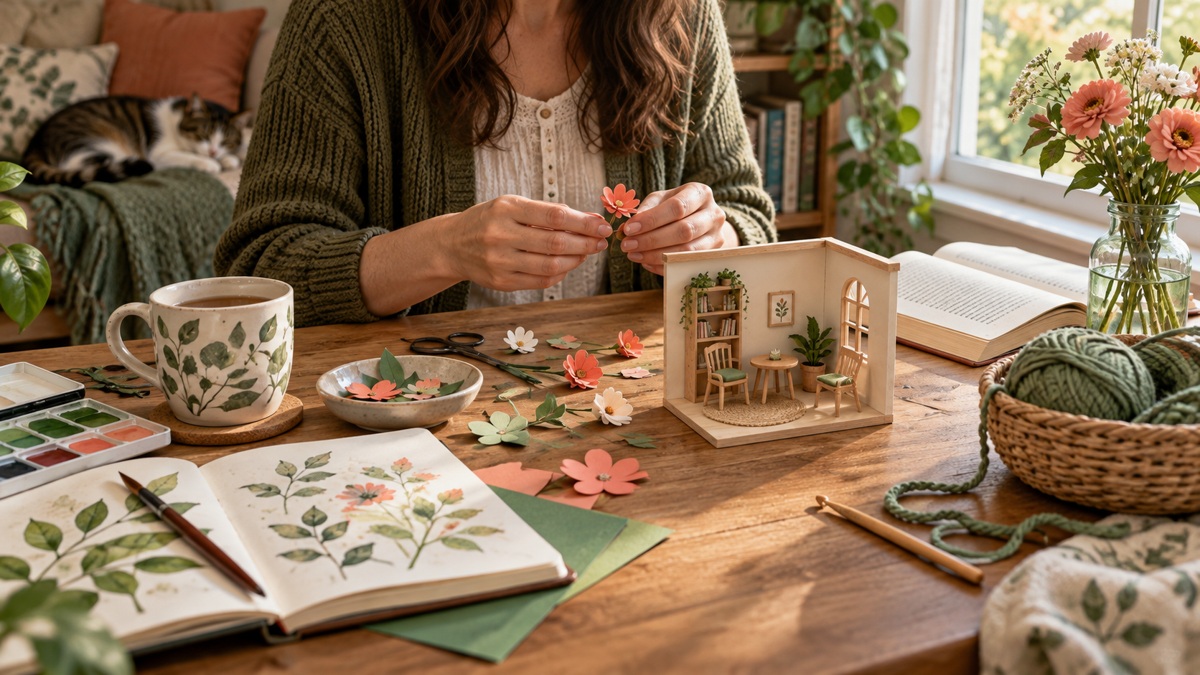
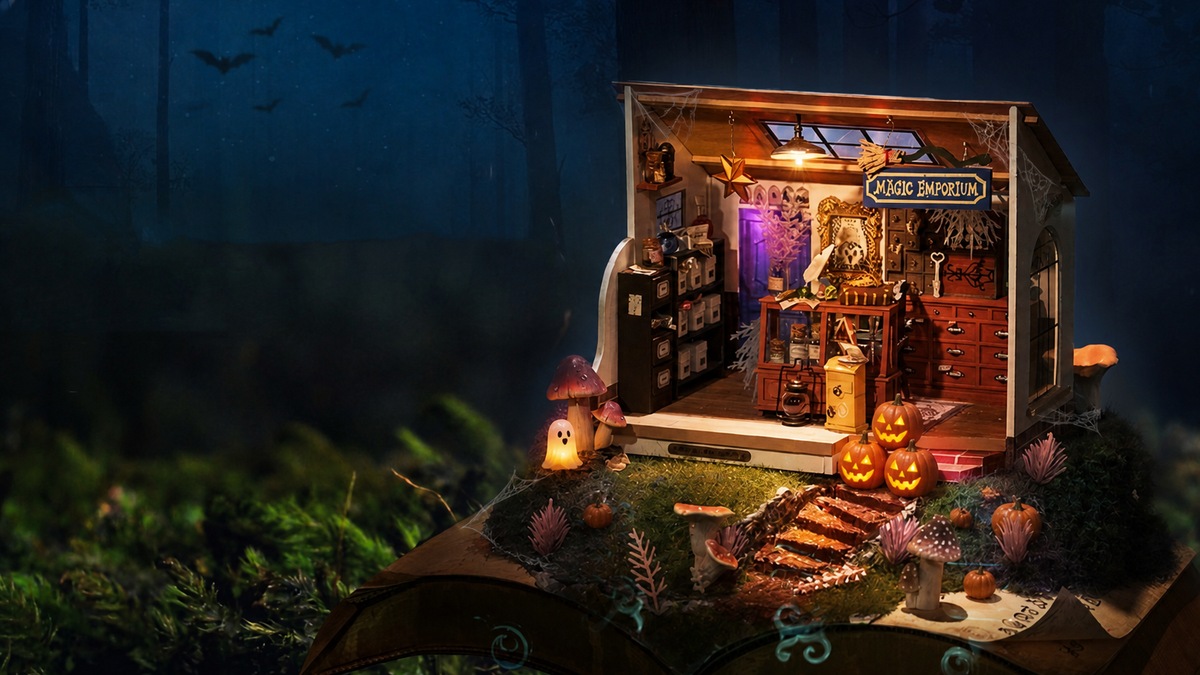
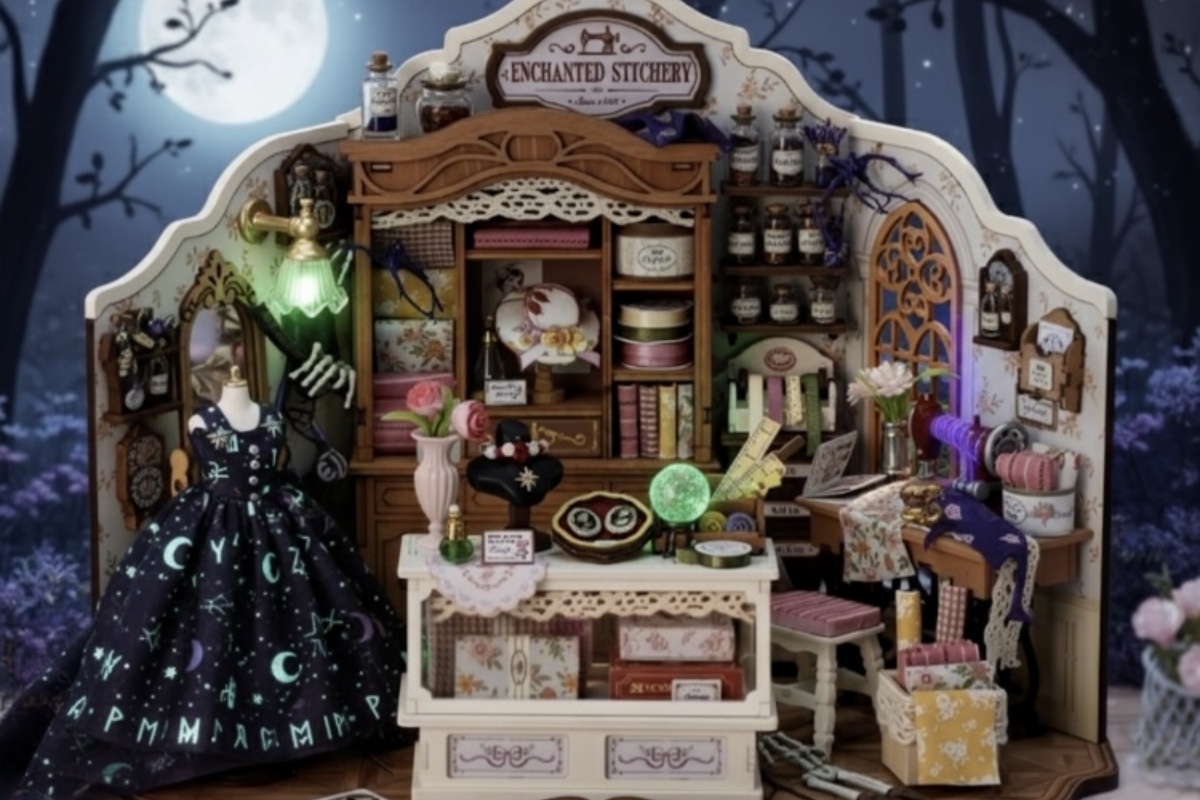
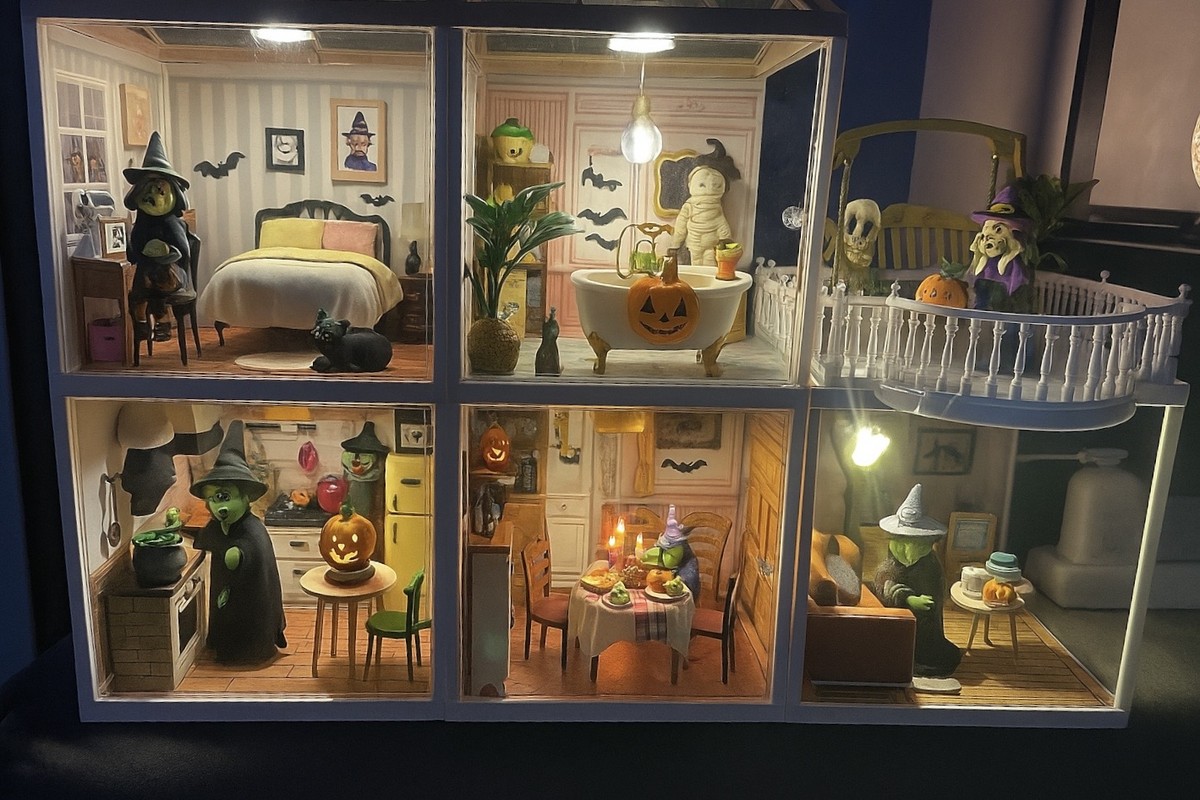
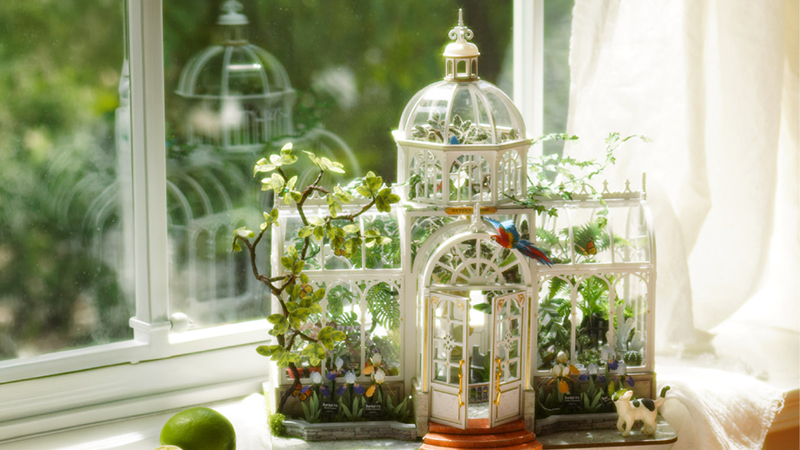
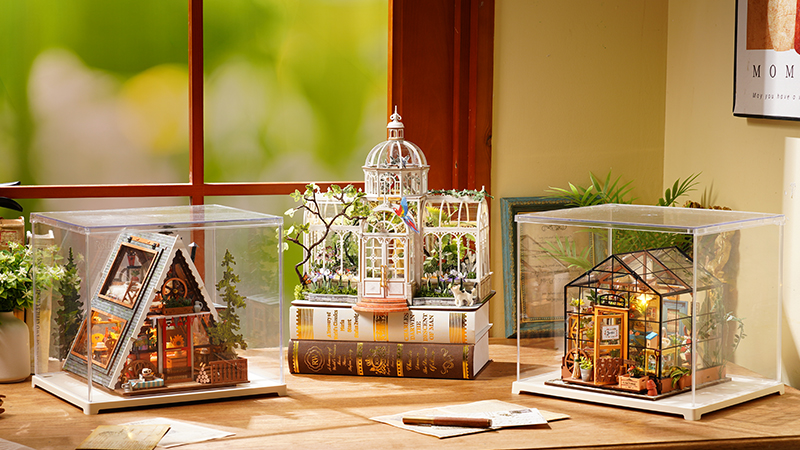
That is one of the quiet strengths of Rolife DIY craft kits. They give makers a structured starting point, but they also leave room for discovery. A beginner can follow the instructions and complete a beautiful miniature world. A more experimental maker can go further by adding paint, clay, resin, lights, handmade accessories, or custom characters.
Michelle's Favorite Rolife Projects
The Kits That Inspired Her Creativity
Michelle's creative journey started with Honey Dessert Talk, but it didn't stop there. As she explored more miniature projects, each build introduced new opportunities to experiment with color, storytelling, customization, and craftsmanship.
Here are a few types of Rolife projects that align with Michelle's creative approach:
Honey Dessert Talk
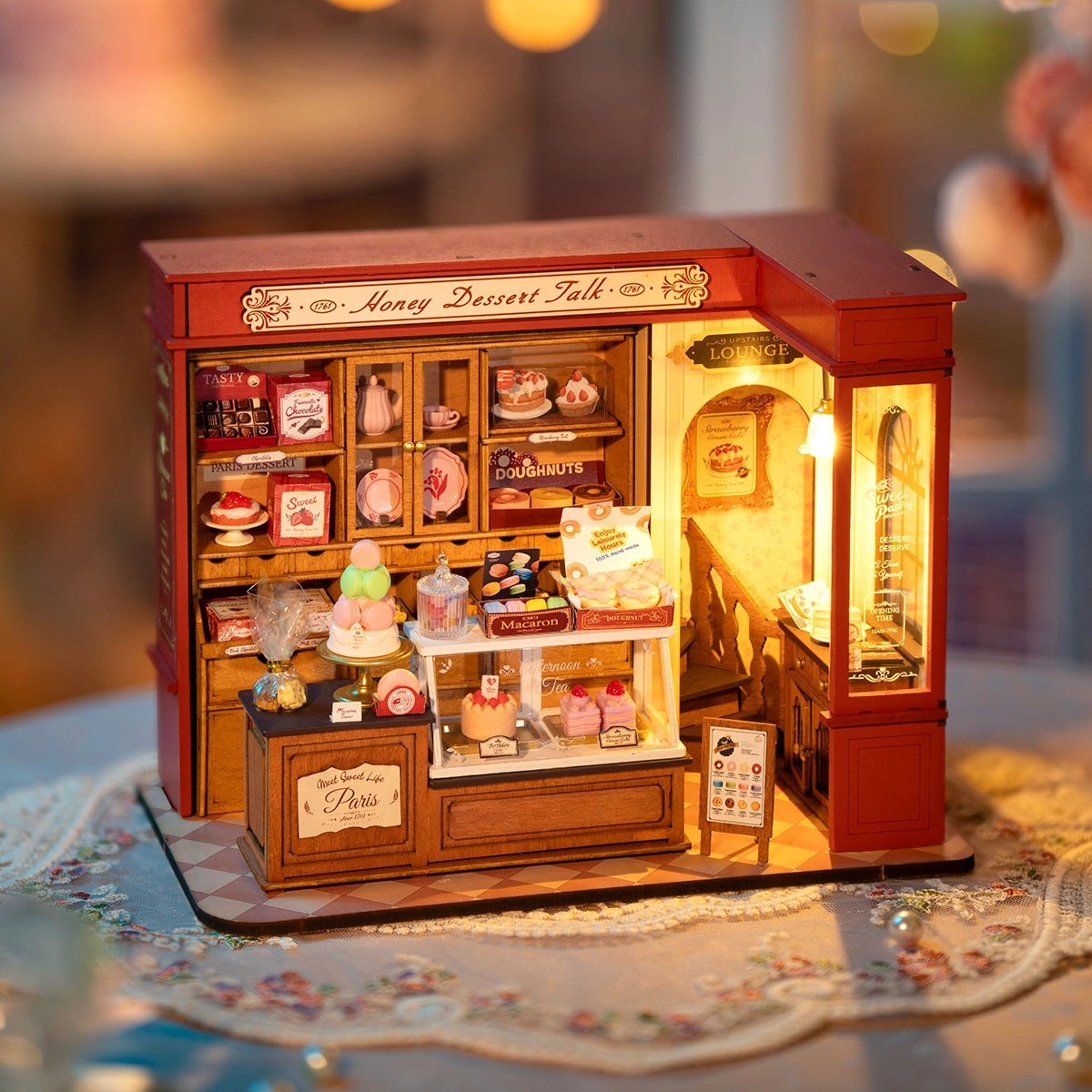
The first Rolife miniature project Michelle built with her children.
This sweet dessert-themed scene helped her discover a passion for miniature crafting and introduced her to the world of color, texture, and creative self-expression.
What she learned:
- Color matching
- Fine-detail assembly
- Creative confidence
Explore → Similar Miniature Houses
Super Creator Series
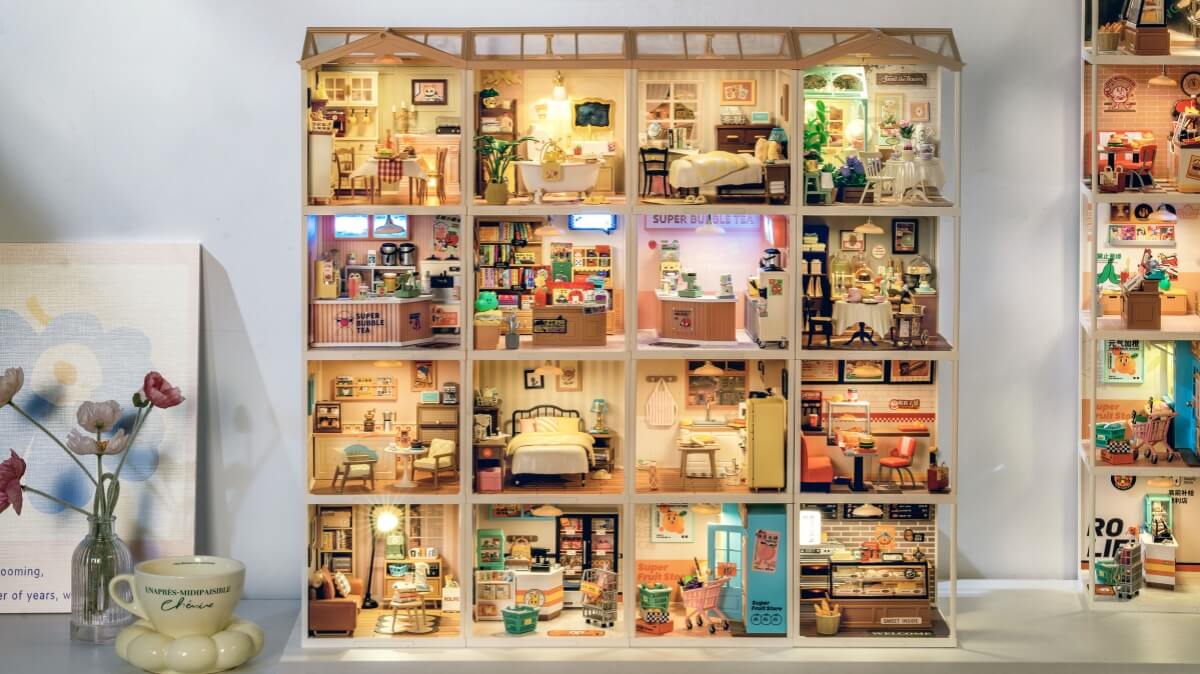
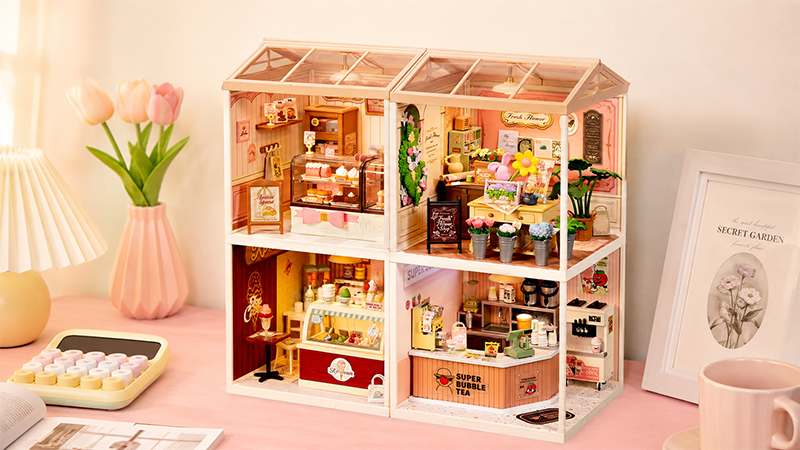
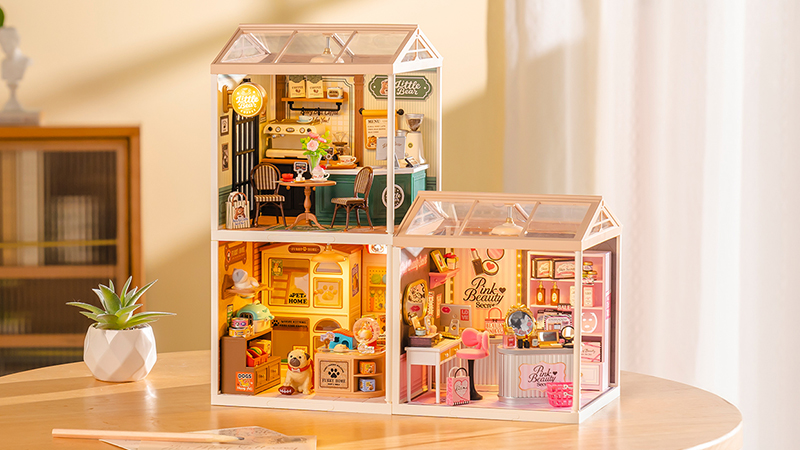
Michelle enjoys combining different creative disciplines. The modular nature of Super Creator kits makes them ideal for makers who love customization.
Potential customization ideas:
- Hand-painted furniture
- Clay decorations
- Resin accessories
- Personalized displays
Explore → Super Creator
A Creative Canvas for Experimentation
One lesson from Michelle's story is that a miniature kit doesn't have to be the final destination.
A kit can become:
- A painting project
- A resin art project
- A clay sculpting project
- A photography scene
- A storytelling display
- A mixed-media artwork
For creative makers, every miniature scene is an opportunity to add something uniquely personal.
Why Different Crafts Can Inspire Each Other
Michelle does not see resin art, clay art, painting, miniature building, and 3D printing as separate boxes. To her, they are connected parts of the same creative flow.
Building miniatures improved her sense of color and detail. Painting helped her think more carefully about texture and finish. Clay gave her a way to add realistic surfaces. 3D printing opened the door to custom figures and unexpected storytelling.
This is why miniature kits can be so inspiring for makers who enjoy more than one hobby. A small scene can become a foundation for many creative experiments:
- Painting walls, furniture, or tiny accessories
- Using clay to add texture to food, floors, stones, or decorations
- Adding resin details for shine, water effects, or glossy surfaces
- Creating custom figures with 3D printing
- Photographing the finished scene as a miniature world
- Inventing a story around the characters inside the scene
Michelle’s work shows that a kit can be both a finished object and a creative starting point.
The Gelato Stall That Became a Tiny Story
One of the most memorable projects Michelle discusses in this episode is her gelato stall. The kit was already beautiful on its own, but she wanted to make it feel even more realistic and personal.
She started with the gelato itself. To make the tiny scoops look creamier and more satisfying, she added modeling clay, matched the colors from the kit, and used glaze to create a smooth, glossy finish.
Then she turned to the floor. Because she loves realistic flooring, she used air-dry clay to sculpt each stone by hand. After the clay dried, she painted the stones gray with acrylic paint and added glaze for a polished look.
But even after all those details, something still felt missing.
The next day, inspiration arrived: Grogu and the Mandalorian. Michelle imagined that even galaxy-saving heroes might need a quiet ice cream break. So she added them to the scene, turning a charming gelato stall into a miniature story full of humor and surprise.
“They need a break from saving the galaxy. So they could use a little ice cream break.”
This kind of spontaneous idea is part of Michelle’s creative process. She believes there is a time for planning, but also a time for letting something unexpected appear.
When a Creative Block Becomes a Signal to Explore
Michelle does not see creative blocks as failure. In fact, she often treats them as signs that it may be time to try something new.
When watercolor painting began to feel too familiar, she explored acrylic painting. When painting, clay, resin, and miniature art still left her wanting a new challenge, she stepped into the technical world of 3D printing.
At first, 3D printing felt overwhelming. Michelle had no background in computer design, and the process came with plenty of frustrating moments. Sometimes a print would come out with a missing eye or only one leg. But instead of stopping, she researched, experimented, and kept learning.
Eventually, she was able to design and print custom figures, including a character inspired by the “king of Atlantis” for an underwater miniature scene.
Her lesson is simple: feeling stuck does not mean you are not creative. Sometimes it means you are ready to grow.
Challenges Are Part of the Joy
Throughout the conversation, Michelle returns to one idea again and again: challenges are opportunities.
Learning a new craft can feel intimidating, especially when it involves unfamiliar tools or techniques. But the satisfaction of overcoming a challenge can be powerful. For Michelle, that satisfaction builds self-confidence. If you can conquer one challenge in art, you may begin to believe you can conquer other challenges in life too.
“Challenges are opportunities.”
This mindset is especially helpful for miniature makers. A tiny piece may not fit perfectly the first time. A painted detail may need another try. A lighting step may require patience. But each small challenge becomes part of the finished story.
Creating Alone and Creating with Community
Michelle enjoys both sides of making: creating alone and sharing with a community.
Working with other makers brings connection, inspiration, and new techniques. It is a way to learn from other people’s tools, ideas, and creative approaches.
Creating alone offers something different. It gives her time to quiet the noise of daily life, reconnect with herself, and enjoy the peaceful rhythm of building. As she says in the episode, both experiences matter.
Whether a maker builds with family, friends, an online community, or in a quiet room alone, the real value is quality time.
Advice for Beginners: One Thing at a Time
For anyone who feels intimidated by resin art, clay, painting, 3D printing, or miniature building, Michelle’s advice is gentle and practical:
Start with one thing that brings you happiness.
It does not have to be complicated. It could be sketching, painting one small piece, building one miniature corner, or trying one simple kit. From there, let the process flow naturally.
“Do one thing first that really brings a lot of happiness to you. No judgment.”
Her most important reminder is to be kind to yourself. Mistakes are not proof that you should stop. They are part of learning. Art is not about instant perfection. It is about patience, discovery, and the courage to keep going.
Selected Quotes from Michelle
“Each and every one of these mediums is a form of self-expression.”
“I call myself an artist.”
“I will keep making mistakes. That’s okay. I will keep learning from them.”
“A hobby actually brings out the person’s real self outside of your work, outside of your responsibilities and commitments.”
“Be kind to yourself. Be very forgiving of your mistakes, of your challenges.”
Interview Highlights
Patrick: What do these different crafts have in common for you?
Michelle: Each and every one of these mediums is a form of self-expression. Whenever I feel down, whenever I feel happy, I make art. Whether it is resin art, clay art, painting, or miniatures, it helps me express my emotions and my mood. As long as I am enjoying it, it is great for the spirit, happiness, and calmness.
Patrick: Did Rolife help you discover a creative side of yourself?
Michelle: Definitely. I did not know I was this creative until my children introduced me to Rolife. Our first project together was Honey Dessert Talk. I thought I was not that creative before. I had done music and nursing, but not that kind of art. When I started doing it, my creative personality really showed.
Patrick: Do you think skills from one craft improve another?
Michelle: Yes. Since that first project with my kids, my artistic visual sense has improved. I did not know there were so many spectrums of green. I also improved my dexterity. Building miniatures helped me branch out into mechanical builds, 3D printing, and miniature painting.
Patrick: How did the gelato stall project come together?
Michelle: I love anything small and anything gelato. The kit was already beautiful, but I wanted to enhance the texture. I added modeling clay to the gelato, copied the colors from the kit, and used glaze to make it smooth and glossy. Then I sculpted each stone on the floor with air-dry clay, painted it, and added glaze.
After that, I felt something was still missing. The next day, I thought of the Mandalorian and Grogu. They needed a break from saving the galaxy, so they could use a little ice cream break.
Patrick: What would you tell someone who feels intimidated by trying a new craft?
Michelle: Do one thing at a time. Do one thing first that brings happiness to you. No judgment. It does not have to be complicated. Be kind to yourself and be forgiving of your mistakes. If something does not go right in the beginning, that is okay. This world is not all about perfection. It is about how you conquer challenges.
FAQ
Can miniature kits help beginners become more creative?
Yes. Miniature kits give beginners a structured way to start making. By assembling small scenes, choosing details, and solving small building challenges, many makers discover creative skills they did not know they had.
Are Rolife DIY craft kits good for adults?
Yes. Rolife DIY craft kits are popular with adults who enjoy relaxing hobbies, miniature scenes, home decor projects, and hands-on creative activities.
Can I customize a Rolife miniature kit?
Yes. Many makers customize Rolife kits with paint, clay, resin, lighting changes, miniature accessories, or 3D-printed details.
What can I learn from building miniature kits?
Miniature kits can help you practice patience, focus, spatial thinking, color matching, storytelling, and detail-oriented handcraft skills.
What is a good first step for someone new to creative hobbies?
Start with one simple project that genuinely makes you happy. It does not need to be complicated. The goal is to begin without judgment and let your creativity grow one step at a time.