



Plastic Model Painting Tips
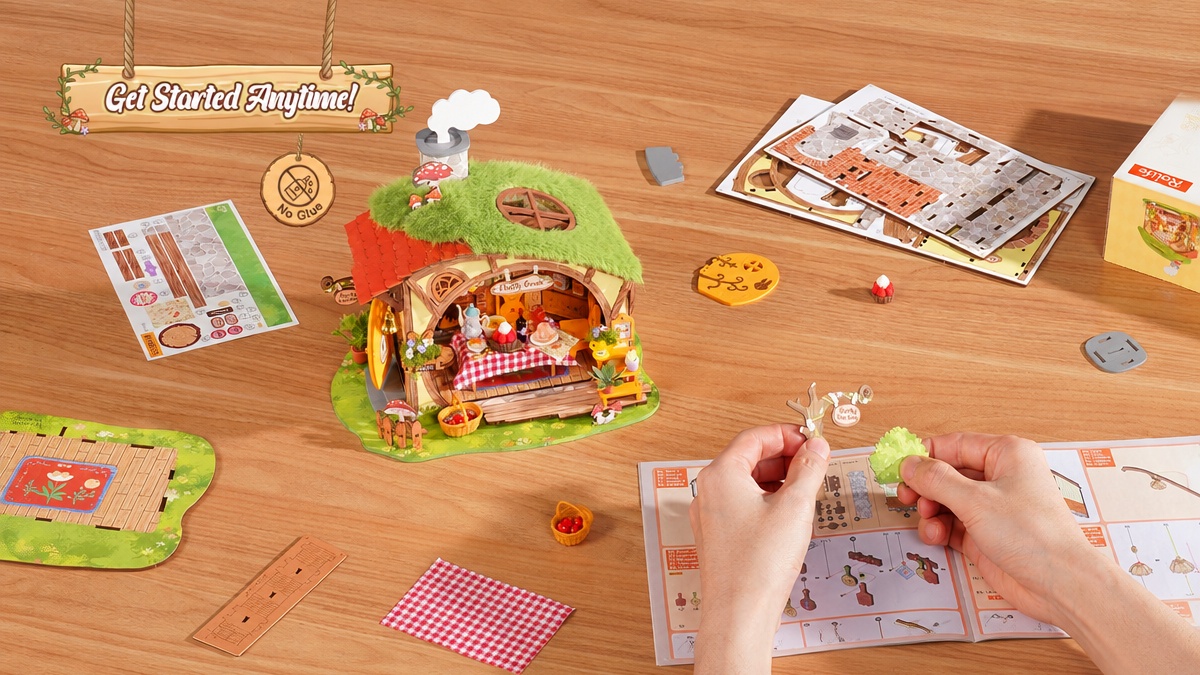
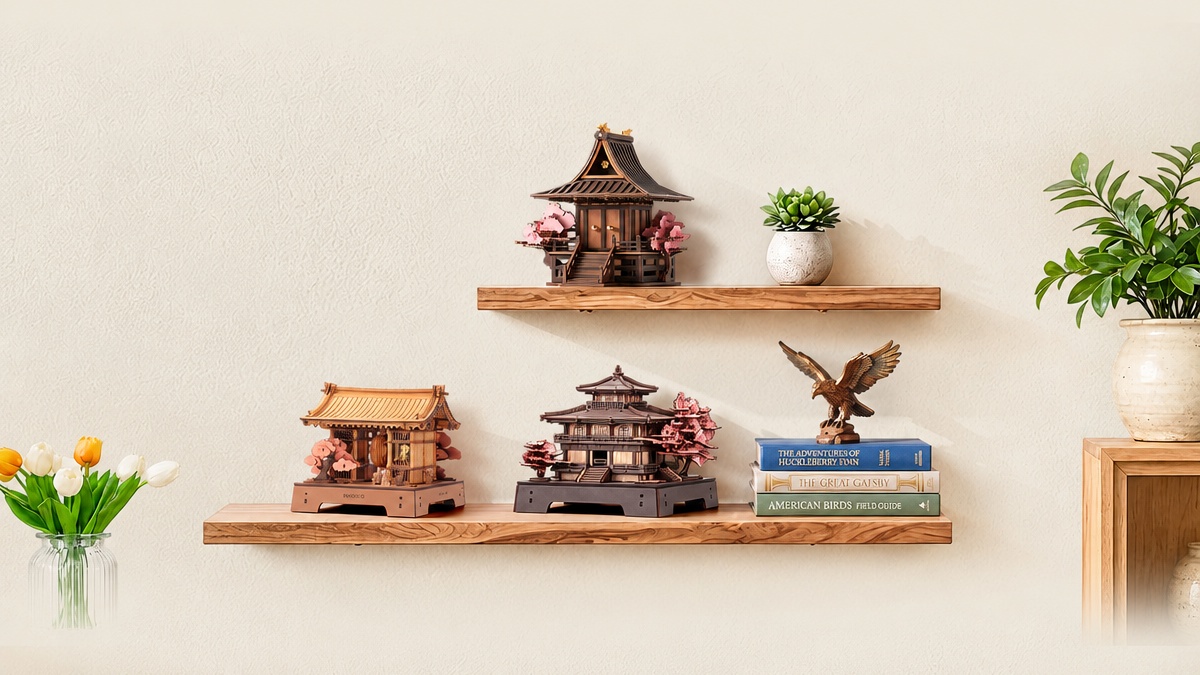
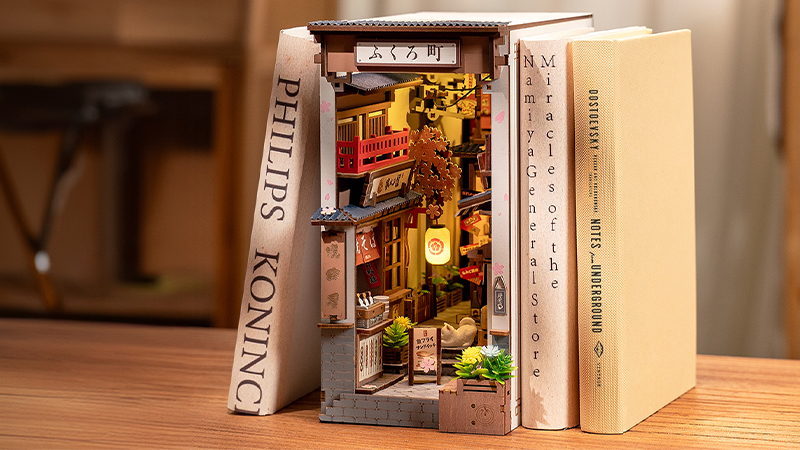
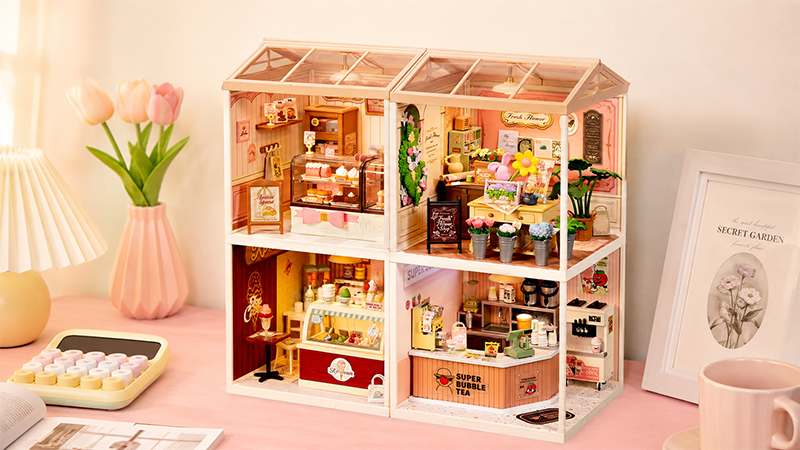
Whether you’re working on a Rolife DIY miniature kit or a collectible, painting your plastic models helps breathe life into them. This guide will provide paint tips and recommended tools to get started.
Why Paint Your Plastic Models?
- Personalization: Painting your models in your favorite color gives them a unique touch.
- Realism: It increases textures, making plain surfaces look realistic.
- Detail: It provides artistic expression by adding a fine detail to the edges and surface.
- Protection: It keeps your model discreet and shelters it against discoloration, stains, and scratches.
Essential Tools for Plastic Model Painting
- Paint Types: The type of paint is important in ensuring that the process of painting is made easy. Acrylic, enamel, and lacquer paint are commonly used. Acrylic paint is water-based, easy to clean up, and perfect to start with. Enamel gives a glossy finish but requires a longer drying time. Lacquer is a fast-drying paint but requires ventilation.
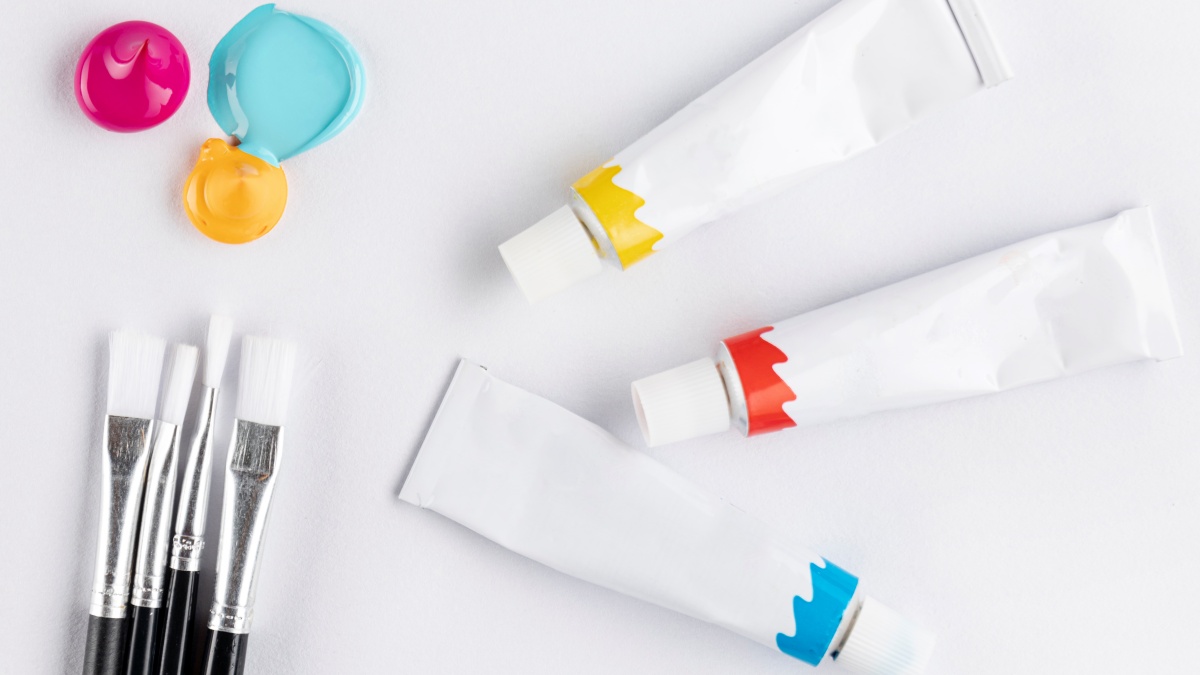
- Brushes: A fine-tooth brush, flat brush, or round-tipped brushes can be utilized to do detailed work.
- Primer: Aids better adhesion of paint to the model to achieve a smooth surface.
- Palette and water cup: This is needed for mixing colors.
- Masking tape: This is needed for marking lines, creating patterns, and protecting certain areas.
- Sealer: To make your plastic model resistant to damage.
How to Paint Plastic Models Like a Pro
Prepare Your Surface
To remove dirt, dust, or oil, clean plastic model surfaces using a dry, clean cloth. Sand glossy areas lightly to give excellent adhesion. If there’s any area that doesn’t need painting, use masking tape to cover that part. To ensure good adhesion, you may use primer (light coat) before painting.
Choose Your Painting Method
You could either use the brush, airbrush, or spray can method.
- Brush: A brush is good with beginners since it is easy to apply and clean. It gives you an exact result, no matter the color used.
- Airbrush: Airbrush gives you color gradients and effects. All areas are easily accessible for uniform application, and no visible brush stripes.
- Spray can: This is good when you want immediate and efficient application. Shake your can and test your spray on a paper surface before trying it on the model. Hold the can at 25-30cm away from the model before spraying. “ Reference from: Wikihow
Choose Your Layering Technique
Choose your layering technique. Begin with a base coat (as few strokes as you can) to set your main color. On larger surfaces, apply with a flat brush. Use fine-tipped brushes and short strokes for intricate areas and more detailing.
Overlap each brush stroke so you won’t miss small areas in between each brush stroke. Use dry brushing to define raised features, and pop textures. Thin your paint with water to add depth to your plastic model.
Create Color Harmony
Choose a color palette that matches that of your model. Mix all the paint in a cup before pouring it into the palette. You can use warm tones for cozy scenes, and cool tones for mechanical plastic models.
Seal Your Work
After the painting has dried, apply a clear matte, gloss or satin varnish which will protect your model against scratches.
DIY Inspirations to Make Your Model Stand Out
- Use sponging and dry brushing to give your model a weathering effect.
- Customize color schemes. Instead of using usual colours, use metallic or single-coloured themes.
- Use holiday colors to paint your models to give them seasonal themes.
- Put glitter or small decorations to add flair.
Common Mistakes To Avoid in Plastic Model Painting
- Do not rush your layers. Allow time to pass for one layer to dry before adding the next.
- Do not overload your model with thick paint. Start with a thin layer and add in succession for even strokes.
- Do not use dirty brushes; clean your paintbrush to avoid muddy tones.
Conclusion
Painting your plastic models adds a bold statement and makes them unique. You can make your Rolife miniature kit a work of art with the right tools, techniques and a little imagination.
FAQs
What is the best paint for 3D plastic models?
Acrylic paint is considered the preferred choice for painting plastic models. You could use a primer to strengthen adhesion.
What is the best way to fix painting mistakes?
Mistakes can be corrected with a wet cloth or fine sandpaper. After that, touch up with fresh paint and continue your activity.
Can I combine brands of acrylic paint?
Yes, you can, providing you test it out to see whether it is compatible with your model.
📖 Miniature Model Painting Guide Series
- 1 How to Choose the Right Paint and Tools For Your Miniature Model – A complete guide to selecting the best materials.
- 2 Acrylic Paint Tips for Wooden Model Painting – Learn the best tips for painting wooden miniatures.
- 3 Plastic Model Painting Tips – Step-by-step guide for painting plastic models.
- 4 Metal Model Painting Tips – Techniques for painting your metal miniatures.
- 5 DIY Model Painting Maintenance and Display Tips – How to maintain and display your painted models.