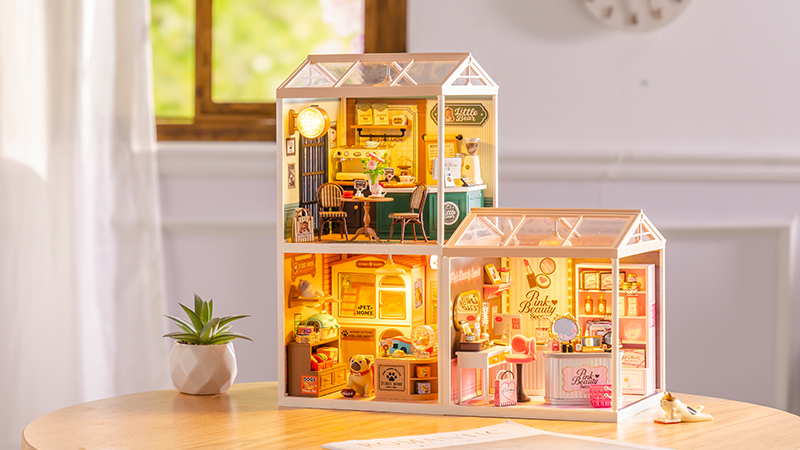

Color Your DIY for Easter: Creative Ways to Refresh Mini Projects This Spring
Apr 07,2026 | Rolife Team

Spring is more than a change in temperature - it’s a shift in mood, light, and energy. And Easter, at its heart, is not just about decoration. It’s about renewal, brightness, and creative transformation.
If you love DIY crafts, Easter is the perfect time to refresh your projects with color. Instead of starting from scratch, you can reimagine what you already built - turning familiar pieces into something that feels entirely new.
In this guide, we’ll explore creative and practical ways to color your DIY for Easter while keeping your designs elegant, balanced, and seasonally inspired.
Easter as a Season of Color, Not Decoration

When most people think of Easter DIY ideas, they picture eggs, bunnies, and themed ornaments. But Easter is fundamentally about color energy - soft pastels, fresh florals, warm sunlight tones, and gentle contrasts that signal a new beginning.
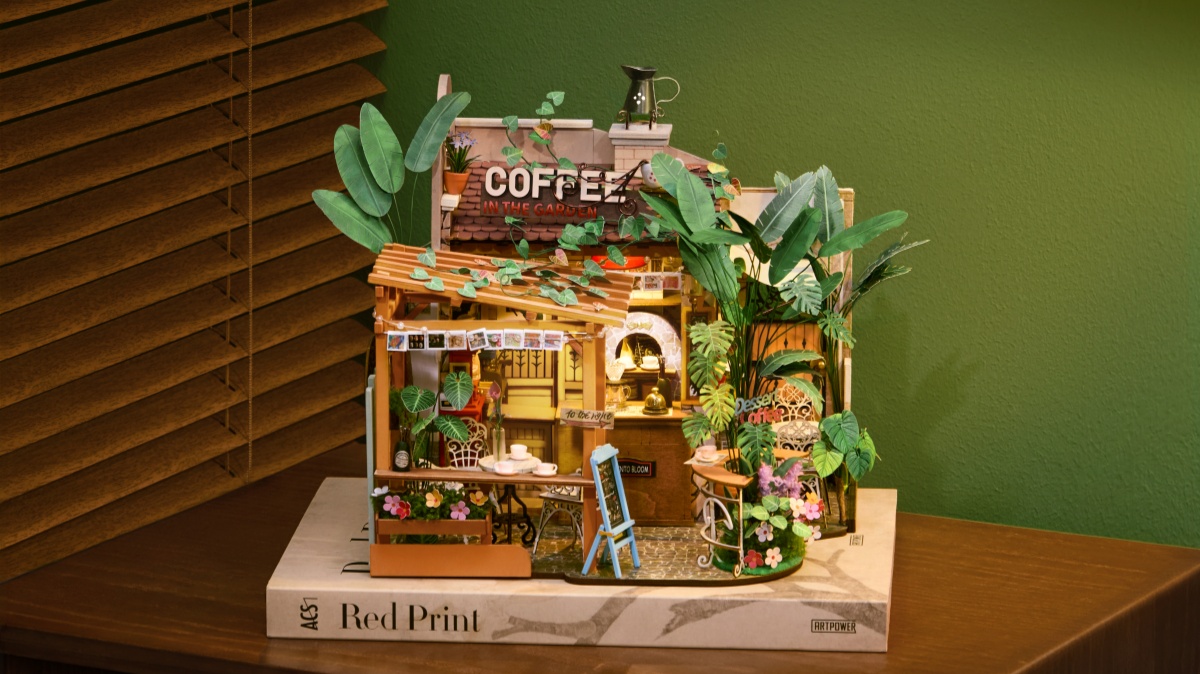
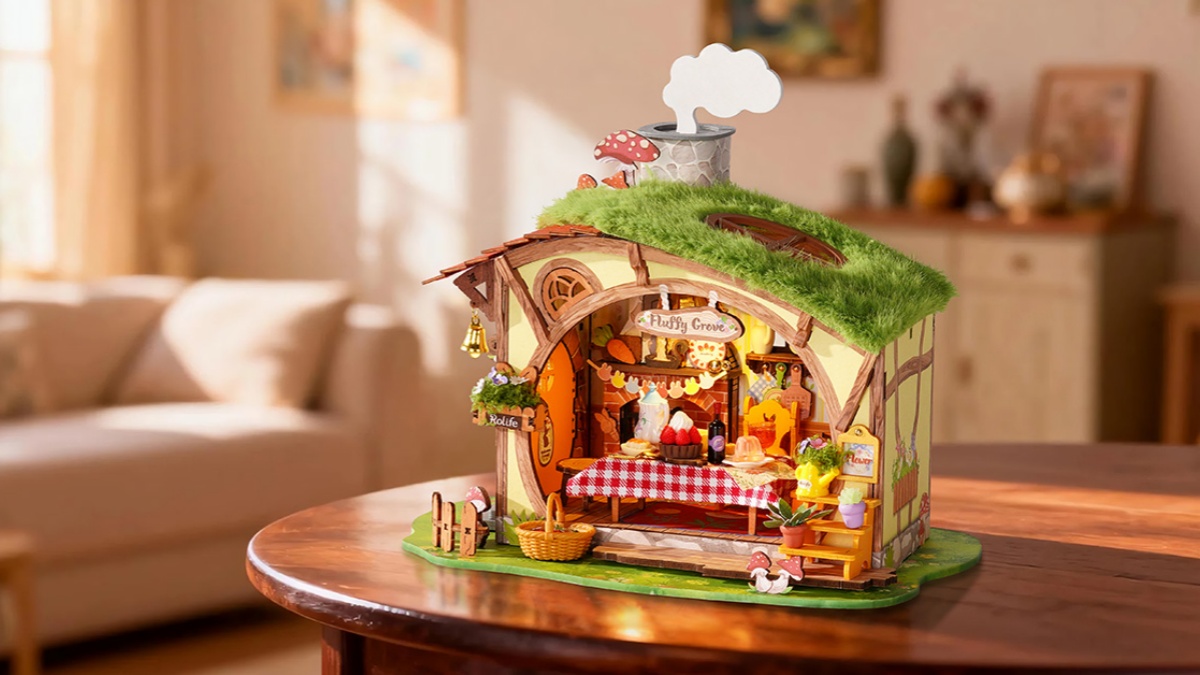
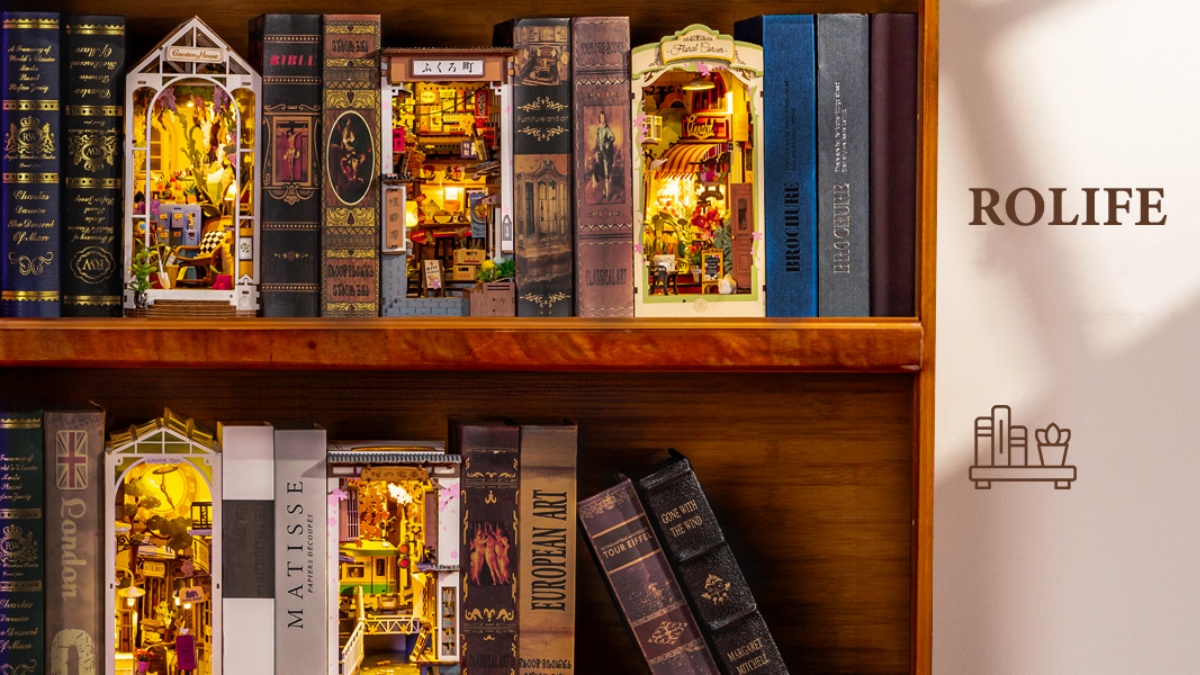
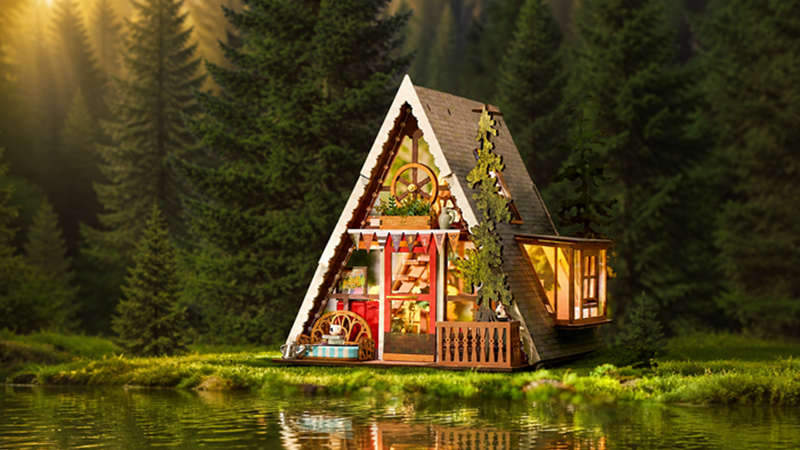
For miniature enthusiasts, this shift in color can completely transform the mood of a project:
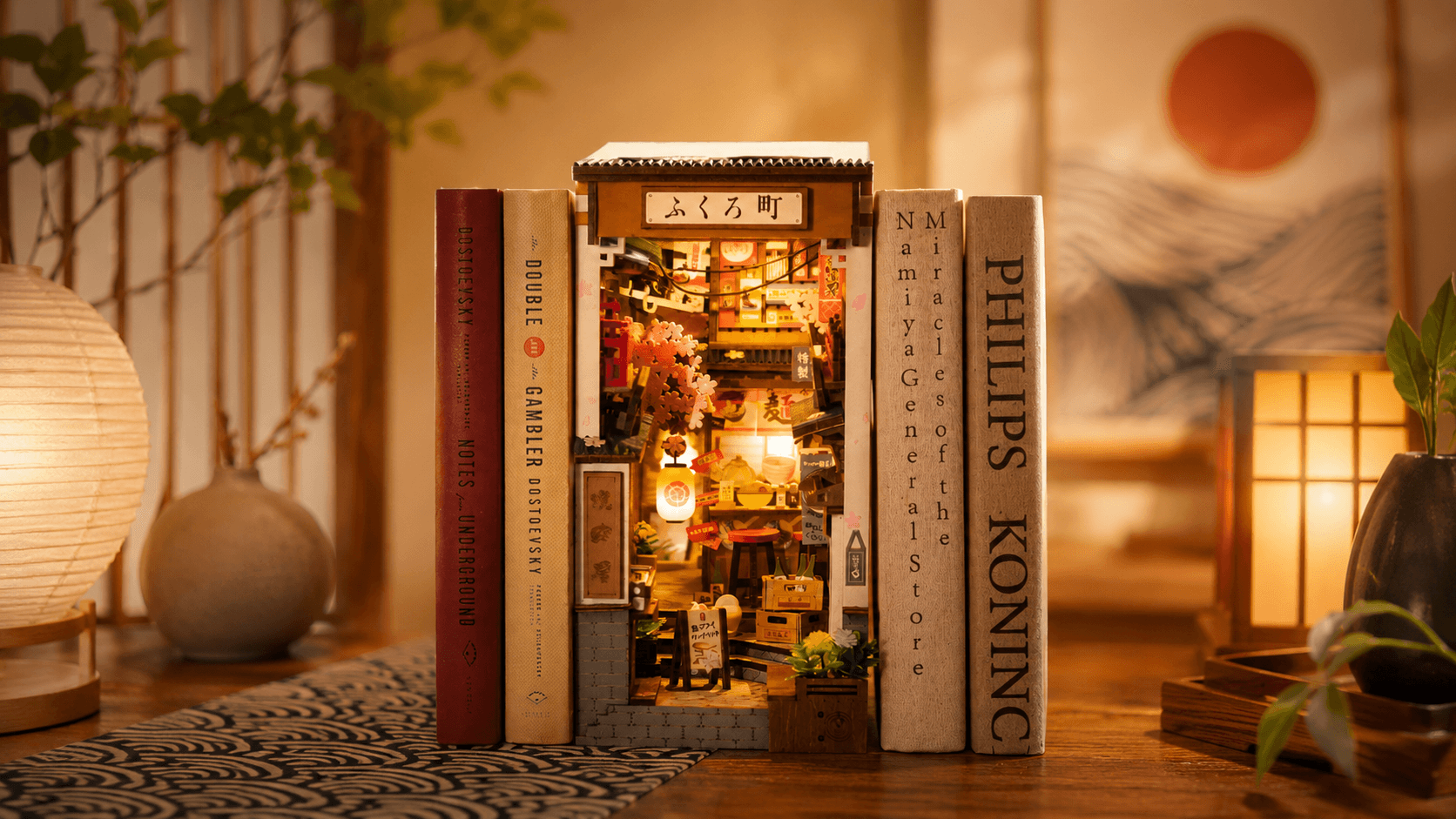
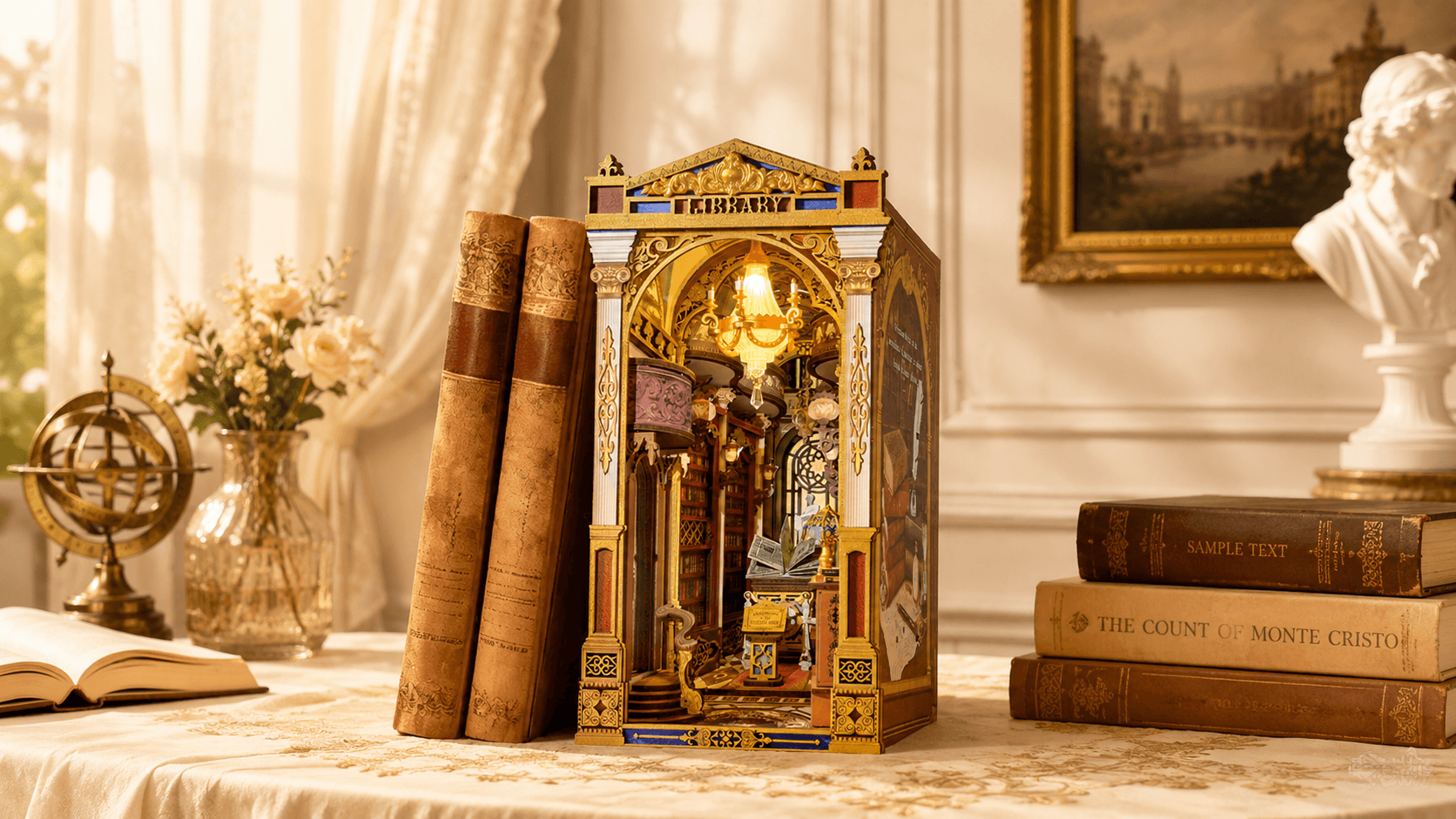
- A cozy book nook becomes lighter and airier.
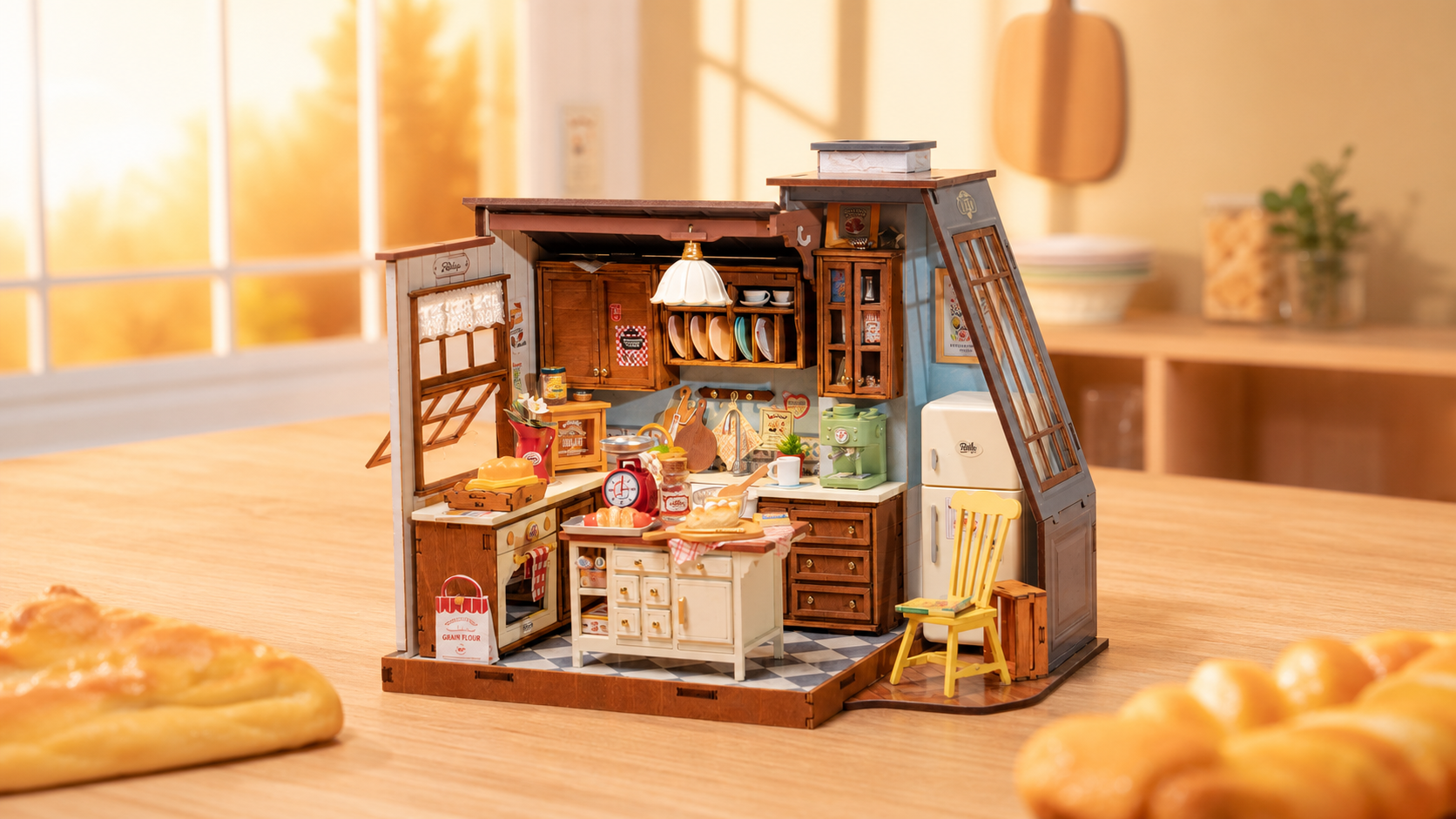
- A vintage miniature house feels revived.
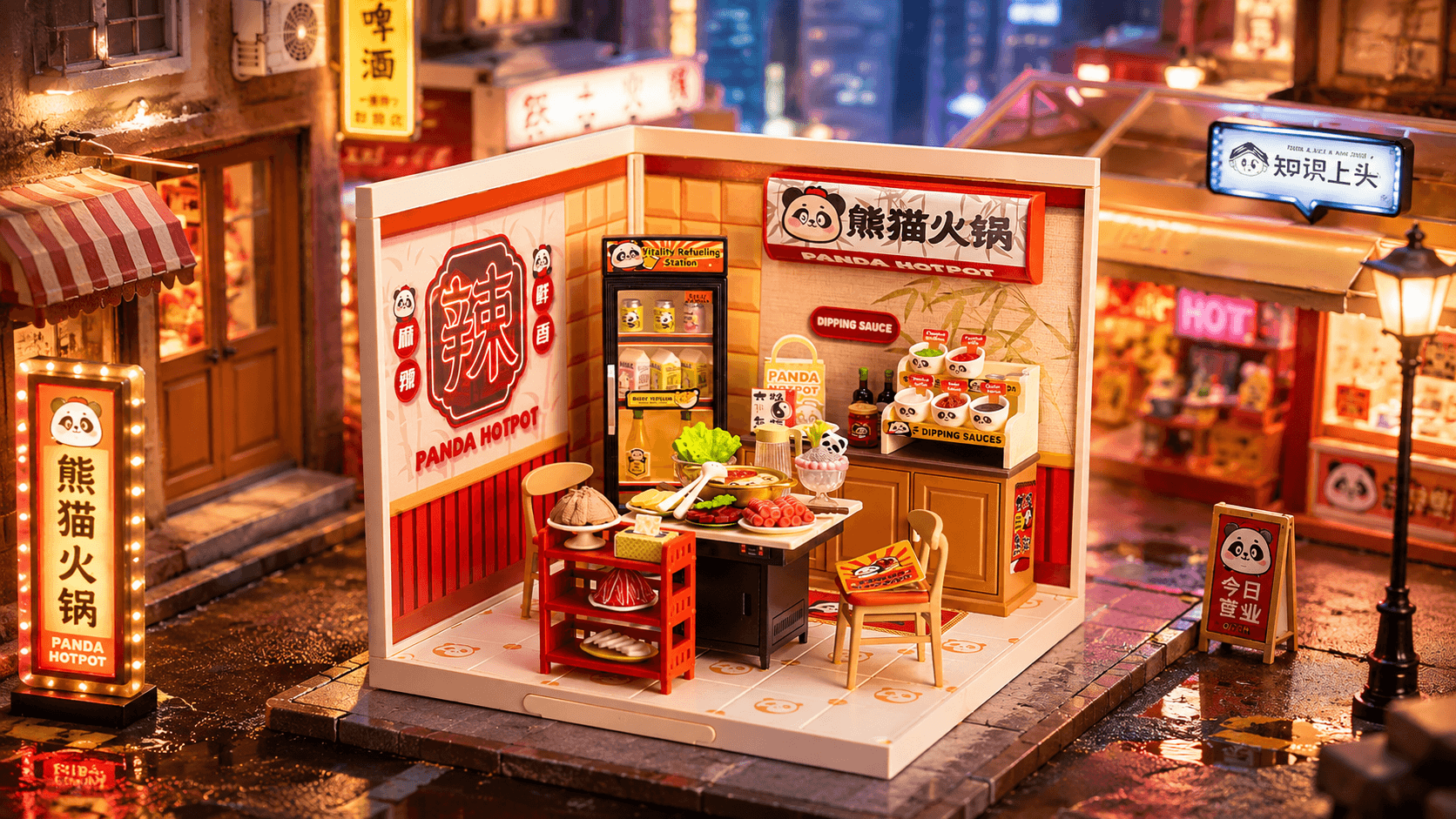
- A wooden puzzle scene gains warmth and personality.
Rather than adding obvious Easter symbols, focus on seasonal color storytelling. Think blush pink window frames, sage green shutters, pale yellow café chairs, or lavender flower boxes.
This approach keeps your DIY craft timeless while still embracing the spirit of spring.
Why Coloring Your DIY Makes It Feel New Again
One of the biggest creative challenges for crafters is the feeling that a finished project can’t evolve. But adding color is the easiest way to breathe new life into an existing build. Here’s why recoloring works so well:
- Color changes emotion: Color psychology plays a powerful role in how we experience miniature scenes. Soft greens evoke calm renewal. Light yellows create warmth and optimism. Baby blues introduce freshness and clarity. A simple repaint or pastel wash can shift a project from “winter cozy” to “spring bloom.”
- Budget-friendly: Instead of buying an entirely new kit, refreshing your DIY miniature house with spring colors makes your investment feel brand new.
- Encourages creative customization: Easter is the perfect excuse to experiment. Try watercolor-style finishes, distressed pastel edges, hand-painted floral accents, and subtle gradient shading. Recoloring transforms a finished DIY from a static display into an evolving creative journey.
Easter-Inspired Color Palettes to Try
If you’re unsure where to start, choosing a clear color palette can make the entire refresh process feel easier and more intentional. Below are four carefully balanced Easter color palettes that work beautifully for DIY crafts and miniature projects.
1. Soft Bloom Pastels
- Blush Pink
- Lavender
- Mint Green
- Cream
These colors work especially well for romantic miniature houses and cozy café-style book nooks, where softness and warmth matter more than contrast.
2. Fresh Garden Greens
- Sage
- Olive
- Pale Yellow
- Dusty White
Ideal for greenhouse-inspired miniatures or nature-themed wooden puzzle scenes that lean into organic textures and light.
3. Warm Sunrise Glow
- Peach
- Light Coral
- Butter Yellow
- Sky Blue
This palette adds brightness without overpowering small details, making it perfect for compact scenes and interior-focused builds.
4. Modern Neutral Spring
- Warm Beige
- Soft Grey
- Muted Rose
- Eucalyptus Green
A subtle option for crafters who prefer understated elegance while still welcoming spring freshness.
Here’s a simple rule to remember: When coloring your DIY crafts, use lighter tones on larger surfaces and reserve brighter hues for accents. This keeps your project visually balanced.
Where to Add Color Without Overdoing It
Color works best in miniature projects when it feels intentional. Instead of repainting everything, try selective enhancements:
Accent Areas That Make the Biggest Impact
- Window frames
- Door panels
- Furniture cushions
- Flower boxes
- Stair railings
- Rooftop trim
- Interior wallpaper panels
Even small updates in these areas can create dramatic visual upgrades without disrupting the original design.
Try the 70–20–10 Rule
If you’re unsure how much color to add, this simple design principle can help:
- 70% base neutral
- 20% secondary spring tone
- 10% accent pop color
This prevents your DIY from looking cluttered while still embracing Easter vibrancy.
Add Texture, Not Just Color
Consider:
- Matte pastel paint for softness
- Gloss details for glass elements
- Dry brushing for vintage charm
- Light distressing for rustic appeal
A Creative Easter at Home
Easter crafting isn’t just about aesthetics - it’s about slowing down, reconnecting with creativity, and celebrating renewal at home.
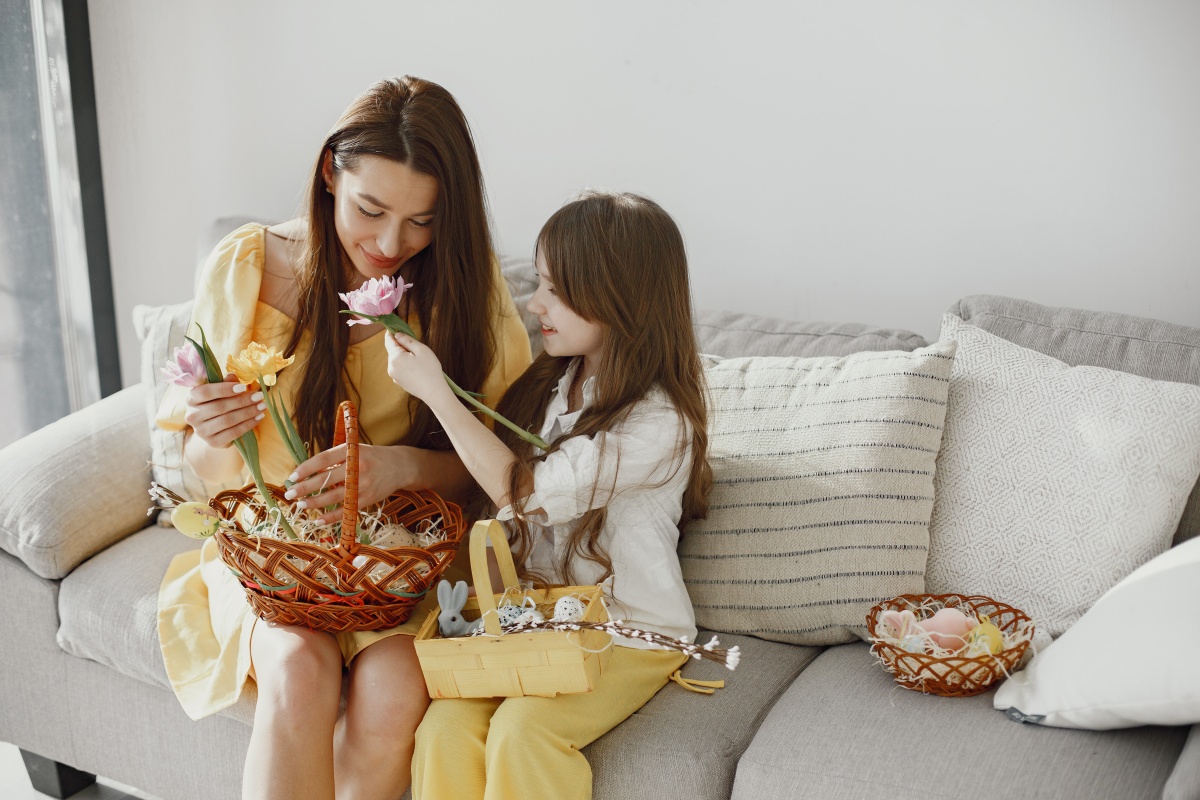
Coloring your DIY projects can become a mindful weekend activity, a creative bonding session with family, or a spring home refresh tradition. With just a few thoughtful color choices, familiar mini projects can feel lighter, warmer, and full of new energy.
If you're ready to explore new possibilities, gather your paints, choose your palette, and let this Easter become your most colorful DIY season yet.
Comment