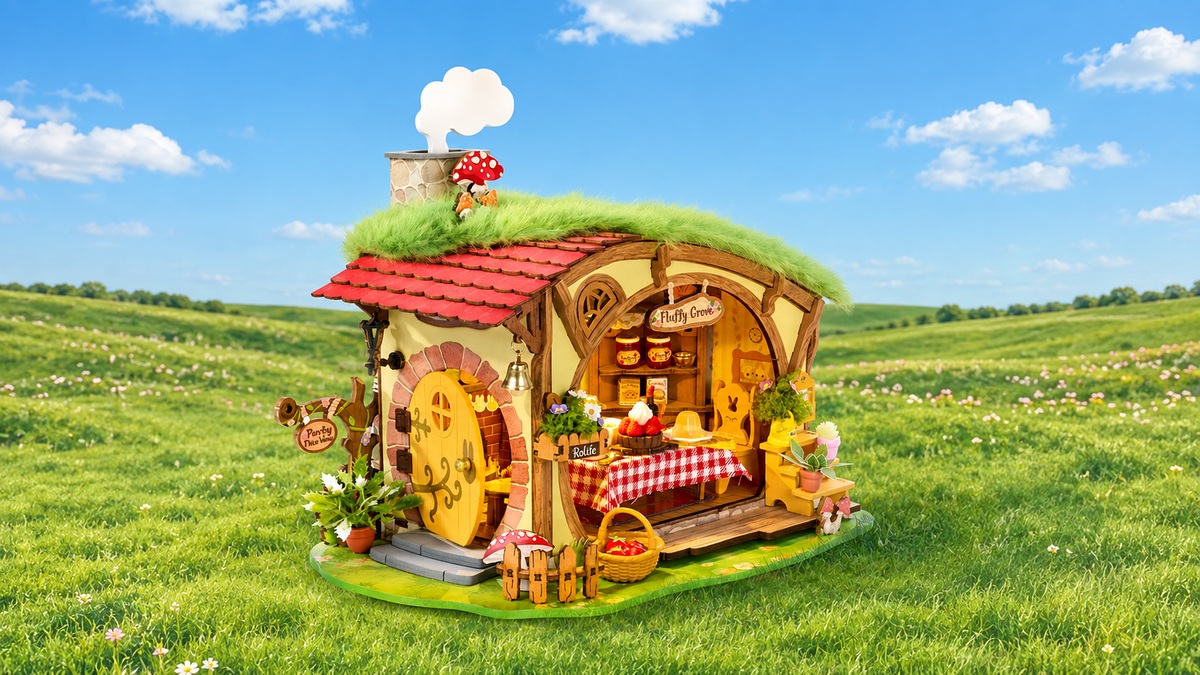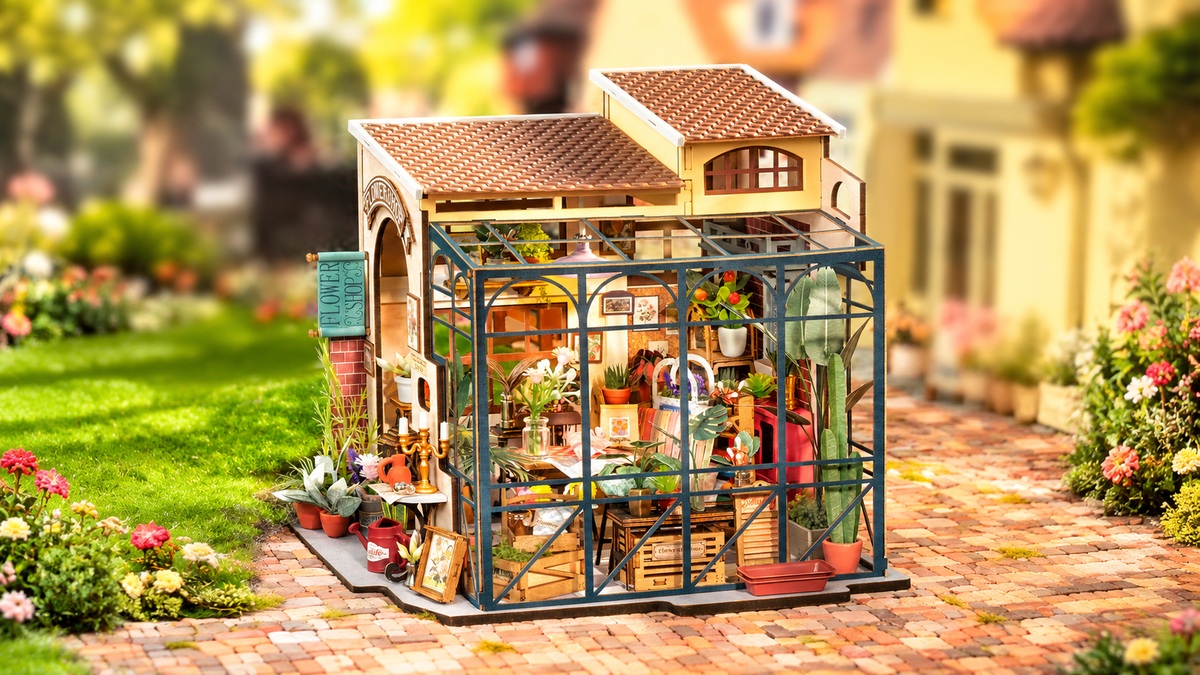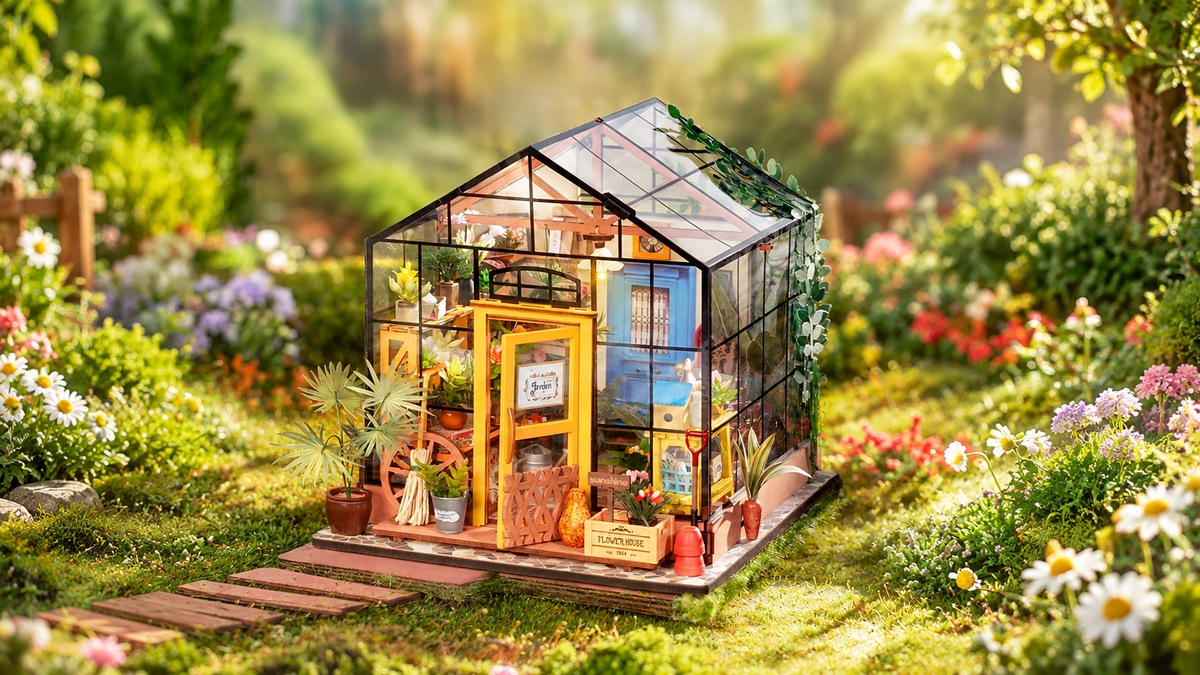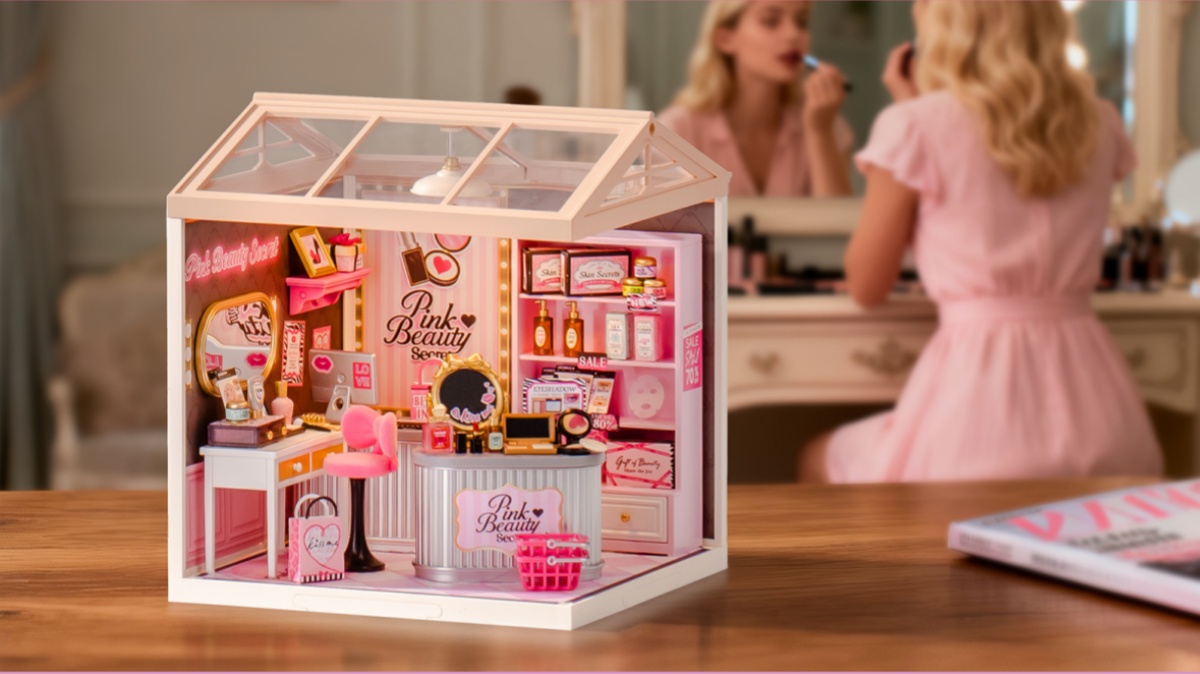
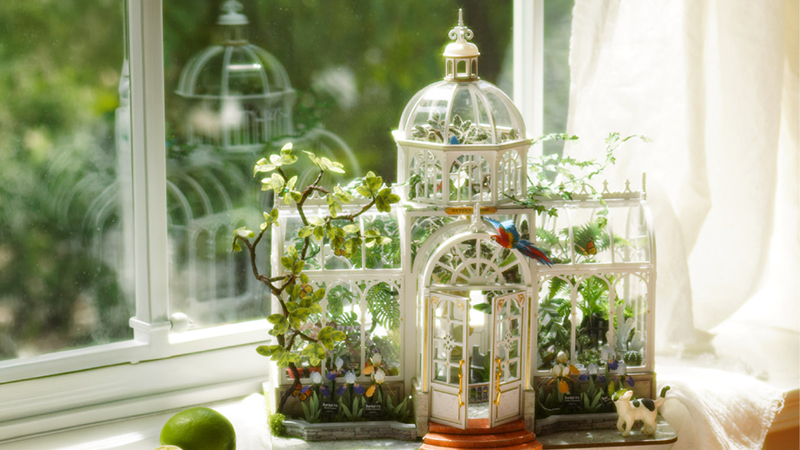
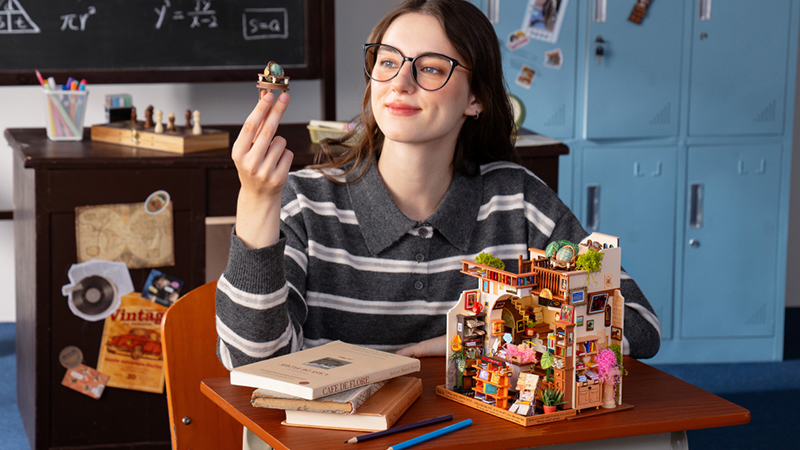
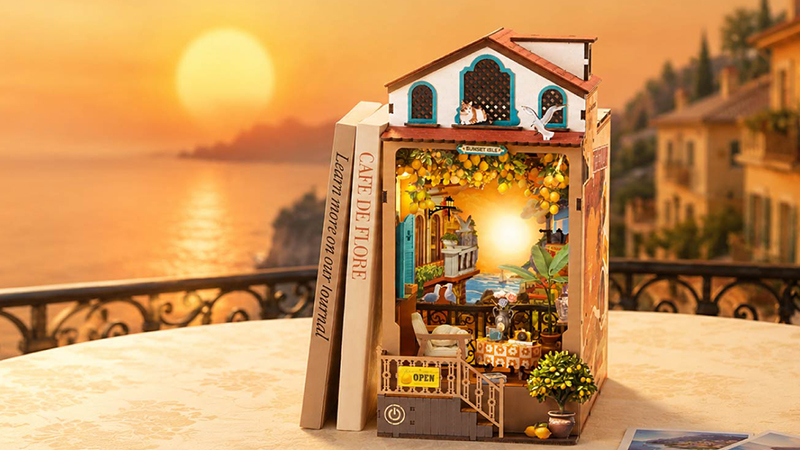
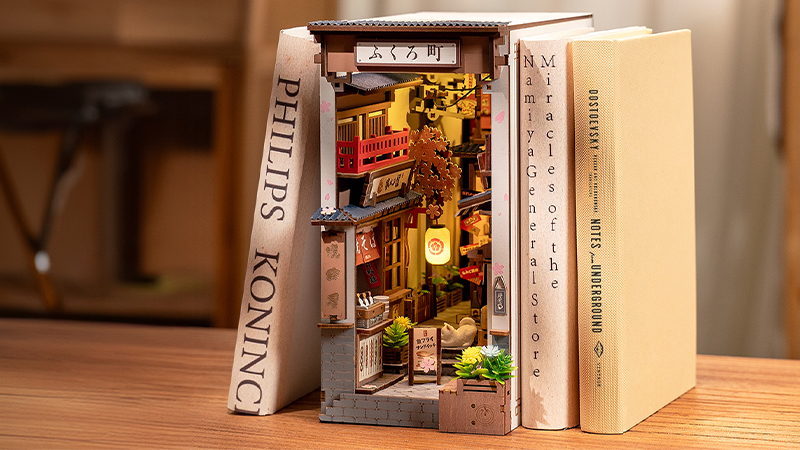
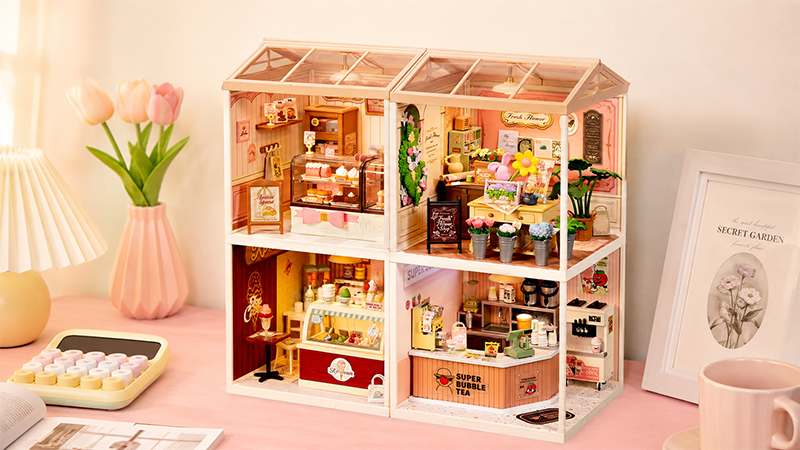
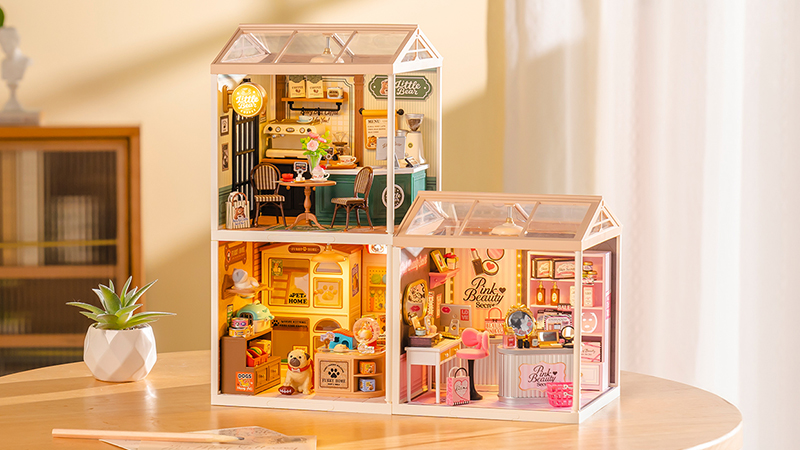
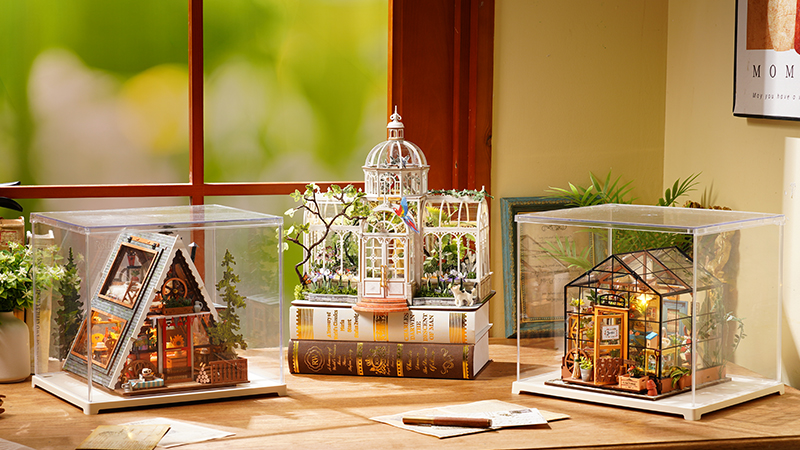
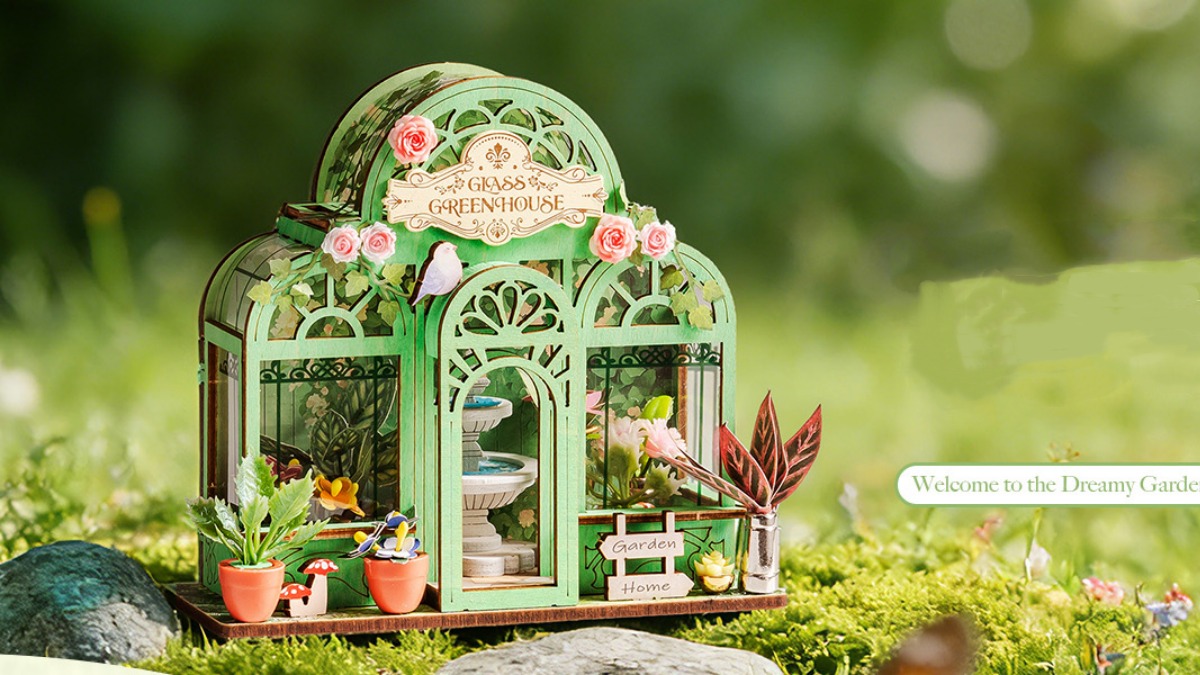
Respuesta rápida: Para elegir un kit de miniaturas amigable para principiantes, busca un nivel de dificultad más bajo, instrucciones claras paso a paso, un tiempo de construcción manejable, menos piezas delicadas y un tema que realmente te guste. Los constructores primerizos deben comenzar con kits de dificultad básica, habitaciones de Super Creator o kits más simples book nook antes de pasar a casas de miniaturas más grandes con más iluminación, muebles y pequeños accesorios.
Comenzar tu primer kit de miniaturas debería ser emocionante, no intimidante. Un buen kit para principiantes te brinda la alegría de construir un mundo pequeño a mano sin que el proceso se sienta confuso o abrumador.
El desafío es que muchos kits de miniaturas se ven hermosos en línea, pero no todos son la elección correcta para un constructor primerizo. Algunos tienen piezas más delicadas, un tiempo de ensamblaje más largo, pasos de iluminación complejos o un tamaño terminado que puede no encajar en tu espacio de exhibición.
Esta guía te ayudará a elegir un kit de miniaturas amigable para principiantes basado en la dificultad, instrucciones, tiempo de construcción, herramientas, tema, uso de exhibición y soporte, para que tu primer kit de manualidades Rolife DIY se sienta manejable, relajante y valga la pena terminar.
¿Qué hace que un kit de miniaturas sea amigable para principiantes?
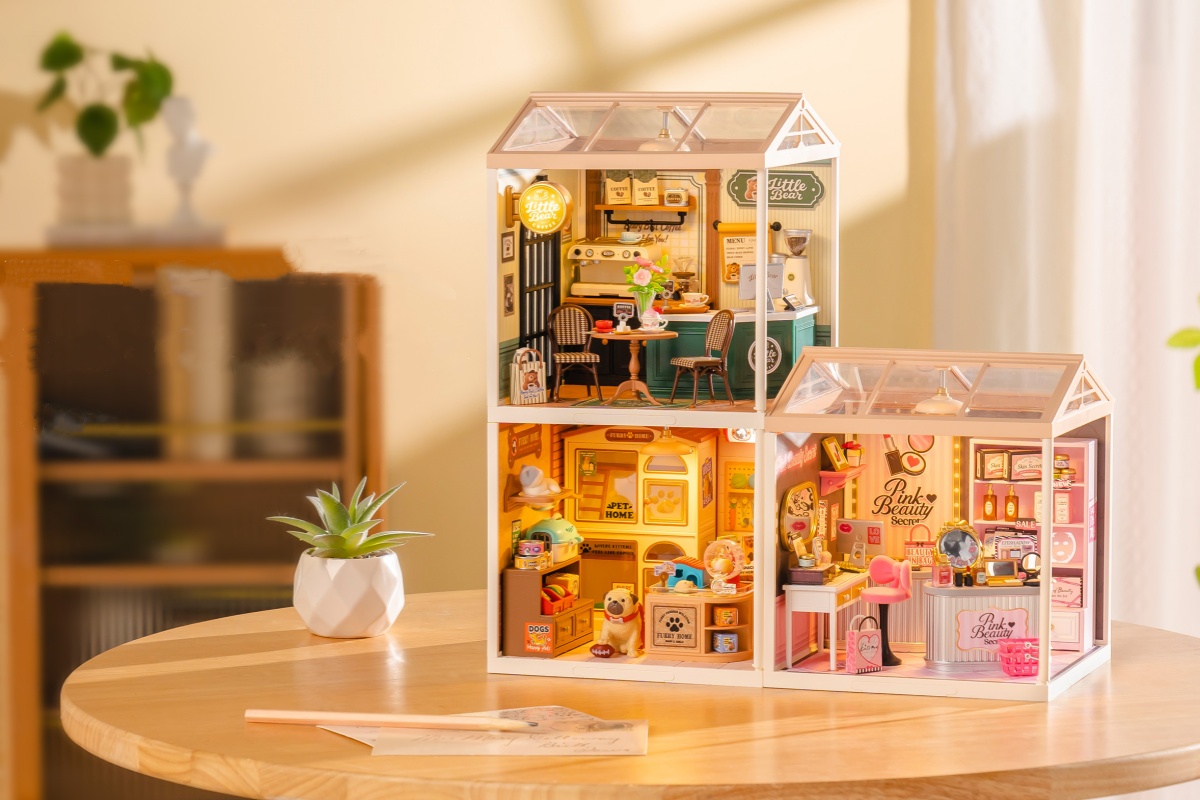
Un kit de miniaturas amigable para principiantes debe ser fácil de entender, pero no necesita ser simple o aburrido. Los mejores kits de inicio aún se sienten detallados y gratificantes, pero están diseñados de una manera que ayuda a los constructores primerizos a avanzar de manera constante.
Para los principiantes, el objetivo no es elegir el kit más complejo. El objetivo es elegir un kit que te ayude a completar tu primer proyecto con confianza.
| Factor amigable para principiantes | Lo que los principiantes deben buscar |
|---|---|
| Dificultad | Nivel de dificultad básico, fácil o amigable para principiantes |
| Instrucciones | Orientación clara paso a paso con soporte visual de ensamblaje |
| Tiempo de construcción | Un proyecto que se puede completar en sesiones cortas |
| Piezas | Detalles manejables sin demasiadas piezas pequeñas frágiles |
| Herramientas | No se requieren herramientas complicadas ni habilidades avanzadas de manualidades |
| Tema | Una escena que realmente te guste y que quieras terminar |
| Uso de exhibición | Una pieza terminada que puedas colocar en una estantería, escritorio o rincón de lectura |
| Soporte | Soporte al cliente o servicio de piezas de repuesto si algo sale mal |
1. Comienza con el nivel de dificultad
La dificultad es lo primero que los principiantes deben verificar. Un kit de miniaturas puede parecer pequeño, pero aún puede incluir muchos pasos, pequeños accesorios, partes de iluminación o detalles en papel. Comenzar con el nivel de dificultad correcto te ayuda a disfrutar del proceso en lugar de sentirte atascado.
Para tu primer kit, busca términos como dificultad básica, ensamblaje fácil, amigable para principiantes o adecuado para constructores primerizos. Si nunca has construido un kit de miniaturas antes, generalmente es mejor comenzar con un kit más simple y mejorar más tarde.
| Nivel de dificultad | Mejor para | Consejo para principiantes |
|---|---|---|
| Básico / Fácil | Constructores primerizos | Mejor punto de partida si deseas una primera experiencia fluida |
| Principiante a Intermedio | Principiantes pacientes | Bueno si disfrutas de los detalles y puedes construir en varias sesiones |
| Intermedio | Constructores con algo de experiencia en manualidades | Mejor después de completar al menos un kit más fácil |
| Avanzado | Aficionados experimentados | No recomendado como primer kit de miniaturas |
Si no estás seguro, comienza con los kits de dificultad básica de Rolife. Un proyecto terminado genera confianza y hace que el siguiente kit sea más fácil de disfrutar.
Explora los kits amigables para principiantes de Rolife
2. Elige el tipo correcto de kit de miniaturas
No todos los kits de miniaturas ofrecen la misma experiencia para principiantes. Algunos son más fáciles porque tienen una estructura modular. Otros se sienten más inmersivos pero pueden requerir más paciencia.
Para los constructores primerizos, las mejores opciones suelen ser las habitaciones de Super Creator, kits de dificultad básica, kits más simples book nook o kits de casas de miniaturas más pequeñas.
| Tipo de kit | Ajuste para principiantes | Mejor para | Por dónde empezar |
|---|---|---|---|
| Habitaciones de Super Creator | Muy amigable para principiantes | Personas que quieren una habitación de miniaturas modular más fácil | Super Creator |
| Kits de dificultad básica | Muy amigable para principiantes | Primeros constructores de Rolife | Kits de dificultad básica |
| Kits de rincón de libros simples | Principiante a intermedio | Amantes de los libros y fanáticos de la decoración de estanterías | Kits de rincón de libros |
| Kits de casas de miniaturas pequeñas | Principiante a intermedio | Personas que quieren una escena completa de habitación o casa de miniaturas | Kits de casas de miniaturas DIY |
| Kits de flores de madera | Amigable para principiantes | Creadores de regalos y amantes de la decoración del hogar | Kits de manualidades de flores de madera |
| Casas de miniaturas avanzadas | No ideales para la primera construcción | Aficionados experimentados en miniaturas | Kits de dificultad avanzada |
3. Decide cuánto tiempo y paciencia tienes
Un kit amigable para principiantes debe ajustarse a tu horario real. Si solo tienes cortas noches después del trabajo, elige un kit que se pueda construir en sesiones más pequeñas. Si deseas un proyecto de fin de semana, puedes elegir algo ligeramente más detallado.
El tiempo de construcción depende del diseño del kit, el nivel de dificultad, los pasos de iluminación y tu experiencia en manualidades. Los principiantes deben evitar juzgar solo por el número de piezas. Un kit con pasos claros puede sentirse más fácil que un kit más pequeño con piezas delicadas o confusas.
| Tu tiempo disponible | Elección de kit recomendada |
|---|---|
| Sesiones cortas por la noche | Habitación de Super Creator o kit de dificultad básica |
| Proyecto de fin de semana | Miniatura simple book nook o casa de miniaturas amigable para principiantes |
| Hobby lento de varios días | Kit de casa de miniaturas con más detalles |
| Primera construcción de regalo | Kit con estructura clara y fuerte valor de exhibición terminado |
El mejor kit para principiantes es uno que puedas terminar de manera realista. Un kit simple completado es más gratificante que un kit avanzado que queda sin terminar.
4. Busca instrucciones claras
Instrucciones claras son una de las características más importantes para los principiantes. Un kit de miniaturas puede incluir paredes, muebles, accesorios de papel, pequeñas decoraciones y partes de iluminación. Sin pasos claros, incluso un kit hermoso puede sentirse frustrante.
Al elegir tu primer kit, busca orientación de ensamblaje paso a paso y páginas de productos que expliquen claramente el nivel de dificultad. Buenas instrucciones te ayudan a entender qué construir primero, cómo encajan las piezas pequeñas y cómo se une la escena final.
Esto es aún más importante si estás comprando un kit como regalo. Un regalo amigable para principiantes debería ser agradable para el destinatario, no como un rompecabezas complicado sin orientación.
Aprende más sobre si los kits de Rolife son buenos para principiantes
5. Considera herramientas, pegamento y baterías antes de comenzar
Los principiantes a menudo se preocupan de que necesitarán muchas herramientas adicionales. En la mayoría de los casos, los kits de miniaturas están diseñados para ser accesibles, pero los requisitos pueden variar según el kit.
Algunos kits pueden requerir pegamento para ciertas partes. Algunos kits con iluminación LED pueden requerir baterías. Herramientas básicas de manualidades como pinzas, tijeras o una regla también pueden facilitar el proceso, especialmente al trabajar con pequeños detalles.
Antes de comprar, verifica la página del producto y las notas de instrucciones para los requisitos de herramientas. Esto te ayuda a evitar sorpresas después de abrir la caja.
- ¿Los kits de Rolife necesitan pegamento?
- ¿Qué herramientas necesito para construir un kit de Rolife?
- ¿Cómo enciendo las luces en un kit de Rolife?
6. Elige un tema que realmente te guste
Para los principiantes, el tema es más importante de lo que muchas personas se dan cuenta. Un kit que realmente te guste es más fácil de terminar porque la escena te mantiene motivado.
Si amas los libros, un book nook puede parecer más emocionante que una habitación de miniaturas tradicional. Si te gustan los interiores acogedores, una pequeña habitación o escena de casa puede ser una mejor opción. Si disfrutas de las flores o la decoración suave, un kit inspirado en flores o jardines puede parecer más relajante.
| Si te gusta... | Elige esta dirección para principiantes |
|---|---|
| Libros y estanterías | Kit amigable para principiantes book nook |
| Escenas de hogar acogedor | Pequeña casa de miniaturas o habitación de Super Creator |
| Flores y decoración | Kit de miniaturas con tema floral o kit de flores de madera |
| Cafés y panaderías | Kit de miniaturas de cocina, panadería o café |
| Exhibiciones modulares simples | Habitación de Super Creator |
| Proyectos detallados | Kit de casa de miniaturas de principiante a intermedio |
Un kit amigable para principiantes no solo debe ser lo suficientemente fácil de construir. También debe ser lo suficientemente interesante como para que quieras volver a él.
7. Piensa en la exhibición terminada
Una de las mejores partes de construir un kit de miniaturas es exhibir la pieza terminada. Antes de elegir, piensa en dónde irá el kit completado.
Los rincones de libros son ideales para estanterías. Las habitaciones de Super Creator funcionan bien en escritorios o estanterías. Las casas de miniaturas pueden convertirse en piezas de gabinete de exhibición, acentos de decoración del hogar o regalos hechos a mano pensativos.
| Espacio de exhibición | Mejor elección amigable para principiantes |
|---|---|
| Pequeño escritorio | Habitación de Super Creator o kit de miniaturas compacto |
| Estantería | Kit de rincón de libros |
| Gabinete de exhibición | Kit de casa de miniaturas con detalles terminados fuertes |
| Rincón de lectura | Rincón de libros o escena de habitación acogedora |
| Exhibición de regalo | Kit amigable para principiantes con un tema claro y un resultado atractivo |
Si deseas mantener la pieza terminada limpia con el tiempo, considera si necesitas una caja de exhibición o una cubierta contra el polvo.
Explora cajas de exhibición para kits terminados de Rolife
8. Asegúrate de que haya soporte disponible
Los kits de miniaturas incluyen muchas piezas pequeñas. Para los principiantes, es reconfortante saber que hay soporte disponible si falta algo, está dañado o es confuso.
Antes de comprar, verifica si la marca ofrece soporte al cliente, orientación sobre piezas de repuesto e información clara de compra. Esto es especialmente importante si el kit es un regalo o tu primer kit de manualidades DIY.
Comprar en el sitio web oficial puede facilitar la búsqueda de información del producto, contactar soporte y solicitar ayuda cuando sea necesario.
- ¿Qué debo hacer si falta o está roto una pieza de Rolife?
- ¿Debería comprar kits de Rolife en el sitio web oficial o en Amazon?
- ¿Cuál es la política de devoluciones de Rolife?
Lista de verificación del kit de miniaturas amigable para principiantes
Antes de elegir tu primer kit de miniaturas, utiliza esta lista de verificación para asegurarte de que el proyecto se sienta agradable, manejable y valga la pena terminar.
¿Está marcado el kit como básico, fácil o amigable para principiantes?
¿Incluye el kit instrucciones claras paso a paso?
¿Puedes construirlo en sesiones cortas en lugar de una larga?ng sentado?
¿Evita el kit demasiadas piezas pequeñas o delicadas para un primer proyecto?
¿Sabes si se necesitan pegamento, baterías, pinzas o tijeras?
¿Te gusta realmente la escena lo suficiente como para mantenerte motivado?
¿Encajará la pieza terminada en tu estante, escritorio, gabinete o rincón de lectura?
¿Está disponible el servicio de atención al cliente o de piezas de repuesto si es necesario?
Mejores Kits Rolife para Principiantes según Necesidad
Si no estás seguro de por dónde empezar, elige según lo que quieras de tu primera construcción.
| Tu Necesidad | Dirección Rolife Recomendada | ¿Por dónde empezar? |
|---|---|---|
| Quiero el inicio más fácil | Kits de dificultad básica | Kits de Dificultad Básica |
| Quiero una habitación en miniatura simple | Habitaciones de Super Creador | Super Creador |
| Me encantan los libros | Kits amigables para principiantes book nook | Kits de Rincón de Libros |
| Quiero una escena en miniatura completa | Kits de casas en miniatura pequeñas o amigables para principiantes | Kits de Casa en Miniatura DIY |
| Quiero algo relajante después del trabajo | Kits de dificultad básica o proyectos de manualidades ligeras | Kits de Manualidades Relajantes para Adultos |
| Estoy comprando un regalo | Kits amigables para principiantes que son un buen regalo con un fuerte valor de exhibición | Regalos para Amantes de la Decoración del Hogar |
| Quiero intentar algo más difícil más tarde | Kits intermedios o avanzados después de tu primera construcción | Kits de Dificultad Intermedia |
¿Deberían los principiantes comenzar con un Rincón de Libros, una Casa en Miniatura o Super Creador?
Los rincones de libros, los kits de casas en miniatura y las habitaciones de Super Creador pueden funcionar para principiantes, pero se adaptan a diferentes objetivos de primera construcción.
Elige un book nook si amas los libros y quieres decoración para estanterías. Elige un kit de casa en miniatura si deseas una escena más completa con muebles y detalles de la habitación. Elige Super Creador si quieres la entrada modular más fácil a la construcción en miniatura.
| Tipo de Kit | Elígelo si... | Notas para Principiantes |
|---|---|---|
| Kit de Rincón de Libros | Quieres decoración para estanterías y una escena compacta | Bueno para amantes de los libros; verifica la iluminación y el tamaño del estante |
| Kit de Casa en Miniatura DIY | Quieres una escena de habitación o casa más completa | Elige una dificultad más baja para tu primera construcción |
| Habitación de Super Creador | Quieres una habitación en miniatura modular y más fácil | A menudo es el punto de partida más accesible |
Para muchos constructores primerizos, Super Creador o kits de dificultad básica son el punto de partida más seguro. Para los amantes de los libros, un simple book nook puede sentirse más personal y motivador.
Errores Comunes de Principiantes a Evitar
Elegir tu primer kit en miniatura es más fácil cuando sabes qué evitar. Muchos principiantes cometen el error de elegir solo por apariencia, sin verificar la dificultad, el tamaño, las herramientas o el tiempo.
- Elegir solo por la imagen del producto: Un kit hermoso puede seguir siendo demasiado complejo para tu primera construcción.
- Ignorar el tamaño terminado: Siempre verifica si el kit completado encaja en tu estante o escritorio.
- Saltar notas de herramientas: Verifica si se necesitan pegamento, baterías o herramientas básicas.
- Comenzar demasiado avanzado: Es mejor completar un kit más fácil primero y ganar confianza.
- Elegir un tema que no amas: Un tema que disfrutas hace que el proceso sea más motivador.
- Apresurar el proceso: Los kits en miniatura son más fáciles y relajantes cuando se construyen paso a paso.
Guías Relacionadas
Para continuar eligiendo el kit de manualidades DIY Rolife adecuado, también te puede gustar:
- Cómo Elegir un Kit de Casa en Miniatura DIY
- Cómo Elegir un Kit de Rincón de Libros
- ¿Son Buenos los Kits Rolife para Principiantes?
- ¿Qué Herramientas Necesito para Construir un Kit Rolife?
- ¿Qué Debo Hacer Si Falta o Está Roto un Pieza de Rolife?
- Mejores Kits DIY para Personas que Aman Proyectos Detallados y Prácticos
Reflexiones Finales
El mejor kit en miniatura amigable para principiantes no es simplemente el más fácil. Es el kit que coincide con tu nivel de habilidad, tiempo disponible, tema favorito y espacio de exhibición.
Si estás eligiendo tu primer kit de manualidades DIY Rolife, comienza con un kit de dificultad básica, una habitación de Super Creador o un kit más simple book nook. Estas opciones te ayudan a aprender el proceso, disfrutar de un progreso visible y terminar con algo de lo que estés orgulloso de exhibir.
Una vez que completes tu primer kit, puedes pasar a casas en miniatura más detalladas, rincones de libros más grandes o proyectos intermedios con iluminación y accesorios más ricos. Un buen primer kit no es solo una compra. Es el comienzo de un pasatiempo en el que puedes crecer.
FAQ
¿Cuál es el mejor kit en miniatura para principiantes?
El mejor kit en miniatura para principiantes es uno con un nivel de dificultad más bajo, instrucciones claras, tiempo de construcción manejable y un tema que realmente le guste al constructor. Los kits de dificultad básica de Rolife, las habitaciones de Super Creador y los kits más simples book nook son buenos puntos de partida.
¿Son difíciles los kits en miniatura para principiantes?
Los kits en miniatura no siempre son difíciles para los principiantes. La dificultad depende del diseño del kit, el número de piezas, los pasos de iluminación, las instrucciones y tu nivel de paciencia. Los principiantes deben comenzar con kits de dificultad básica o amigables para principiantes antes de intentar proyectos más complejos.
¿Deberían los principiantes comenzar con un book nook o un kit de casa en miniatura?
Los principiantes pueden comenzar con cualquiera de los dos, dependiendo de sus intereses. Un book nook es una buena opción para los amantes de los libros que quieren decoración para estanterías, mientras que un kit de casa en miniatura es mejor para personas que quieren una escena de habitación o casa más completa. Las habitaciones de Super Creador son a menudo el punto de partida modular más fácil.
¿Los kits en miniatura para principiantes necesitan pegamento?
Algunos kits en miniatura para principiantes pueden requerir pegamento para ciertas partes. Los requisitos varían según el kit, así que verifica la página del producto y las notas de instrucciones antes de comenzar.
¿Cuánto tiempo lleva construir un kit en miniatura para principiantes?
El tiempo de construcción depende de la dificultad del kit, el tamaño, el número de detalles y tu experiencia en manualidades. Muchos principiantes prefieren kits que se pueden completar en sesiones cortas durante unas pocas noches o un fin de semana.
¿Son buenos regalos los kits en miniatura amigables para principiantes?
Sí. Los kits en miniatura amigables para principiantes pueden ser regalos reflexivos para adultos, adolescentes con paciencia, amantes de los libros, amantes de las manualidades y fanáticos de la decoración del hogar. Elige un kit con un tema claro, dificultad manejable y un fuerte valor de exhibición terminado.