
The History of Miniature Houses Around the World
Oct 17,2025 | Rolife Team
Many of us had dollhouses when we were children, but did we ever think of them as more than just toys? In fact, they were once out of bounds for children, but were prized possessions for adults who showed them off to their friends. In this article, we will delve into the history of dollhouses worldwide.
The Earliest Dollhouses

Photo by Badiou Alain
The first known dollhouses date back to Ancient Egypt. They were found in the tombs of the Old Kingdom, dating back 5,000 years. Models of furniture, people, livestock, and pets have been found, which were made of wood. However, there is not much evidence of dollhouses existing again until the 16th century.
The 16th Century
The earliest known European dollhouses appeared in the 16th century and were called ‘baby houses’. (History of Dollhouse,2025)
Source: History of Dollhouse
These 'baby houses' were not just intricate toys, but status symbols that allowed their owners to showcase their wealth and taste.
At that time, the word ‘baby’ meant ‘doll’. They were generally made from wood but with decorative elements in finer materials. The furniture and accessories were intricately detailed and realistic.
These baby houses were not dollhouses as we know them, but cabinet display cases with individual rooms. They were not intended for children to play with, but were trophy collections for adults. The richer you were, the more elaborate a baby house you could afford to have built.
The dollhouses of this era reflect the period and are a good learning tool. From them, we can see how the people of the time lived. In particular, we can learn about the differences between the rich owners and the domestic servants.
The most renowned dollhouses of this time could be found in Holland, England, and Germany. Fully furnished, they cost as much as a medium-sized house. Each of these miniature houses was custom-built, so every one was personal to the owner.
The earliest known baby house was commissioned by Albrecht V of Bavaria and was built between 1557 and 1558.
The 18th Century
By the beginning of the 18th century, dollhouses had become even more lavish, with intricate woodwork, intricately designed furnishings, and hand-painted interiors.
However, in 1760, the Industrial Revolution began in the UK, soon spreading throughout the world. Factories started to mass-produce toys, including dollhouses. While handcrafted dollhouses were still made, with the rise of mass production, these once luxurious items became more accessible, bringing joy to children and families from all walks of life.
The 19th Century
The late 19th century saw dollhouses being made in the US, in particular, by the Bliss Manufacturing Company. (Dollhouse,wikipedia)
Source: Dollhouse, Wikipedia
History of Dolls Houses, House on the Hill Museum
In the late 19th century, factories started to produce dollhouses out of tinplate and cardboard, making it possible for almost anyone to be able to afford them. They often came in bright colors, which appealed to youngsters.
The 20th Century
The 20th century saw a dramatic shift in dollhouse design. From the pristine craftsmanship of the early 1900s to the vibrant, colorful tinplate houses of the mid-century, dollhouses became a way for children to learn about the world around them while engaging in hours of imaginative play.
Art movements, such as Art Nouveau, Art Deco, and Modernism, influenced the miniature world, with dollhouses decorated in these different styles. There was a focus on realism, with miniature houses becoming detailed portrayals of real homes.
Additionally, some dollhouses were themed, portraying various periods in history and also different cultures. Children could now learn from their dollhouses as well as play with them.
While Germany had dominated the dollhouse market until World War I, its involvement in the war put an end to this. New manufacturers appeared in other countries, in particular the USA. From 1917 onwards, the Tynie Toy Company of Providence, Rhode Island, made replicas of antique houses.
Source: Dollhouse, Wikipedia
Source: History of Dollhouse,www.historyofdolls.com
Dollhouses were now also made in Japan. These were first based on German designs.
After World War II, dollhouses were made on a much larger scale without the detailed craftsmanship of the past. By the time the 1950s arrived, dollhouses were typically made of painted sheet metal with plastic furniture.
Source: Dollhouse, Wikipedia
History of Dolls Houses, House on the Hill Museum
Of course, there were still specialists to be found who created handmade miniature houses.
The 21st Century
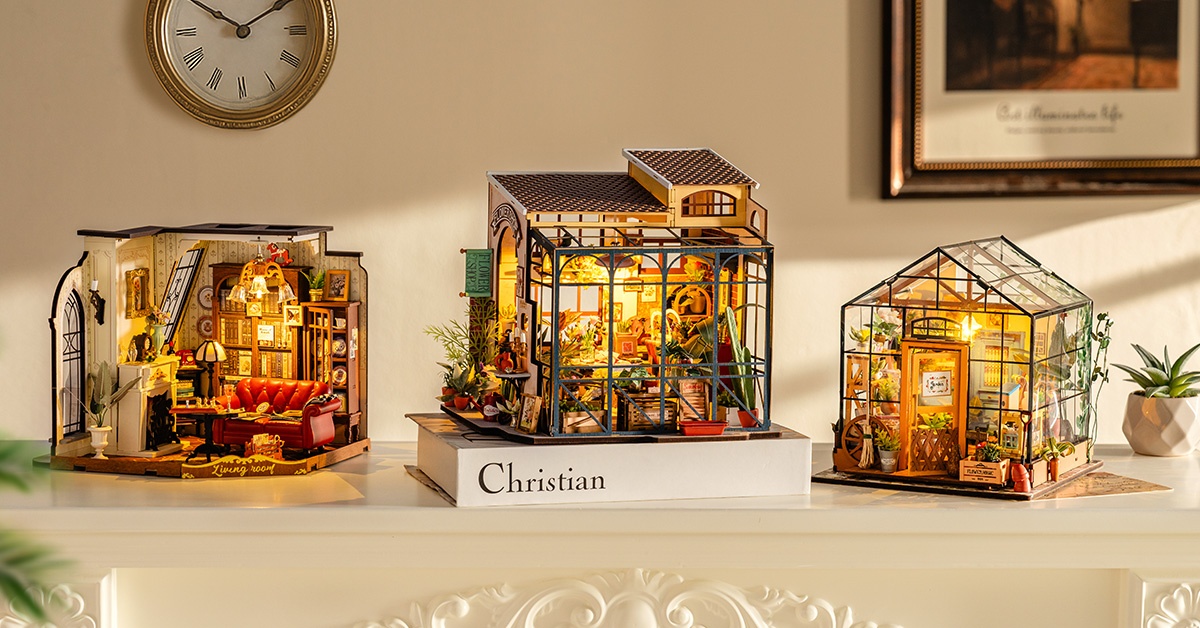
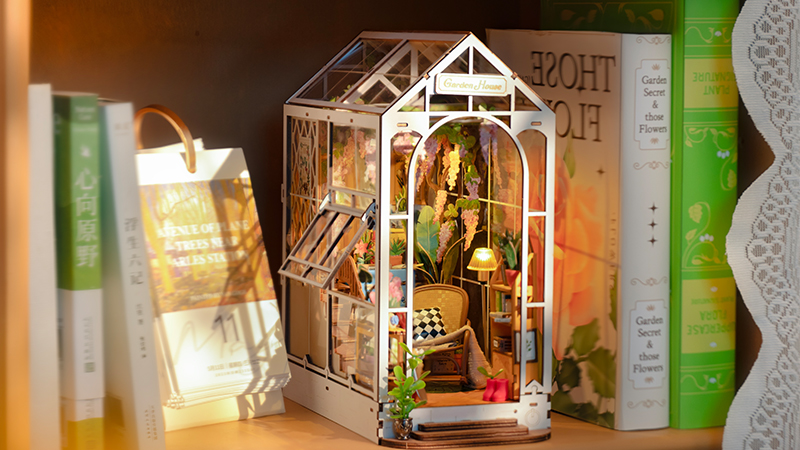
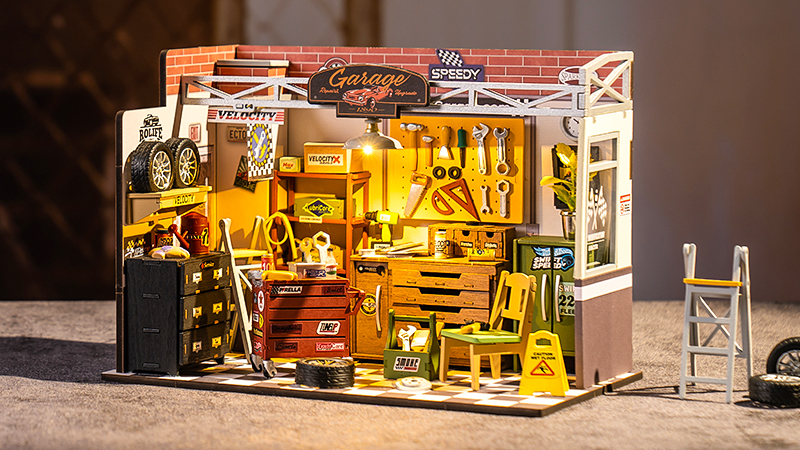
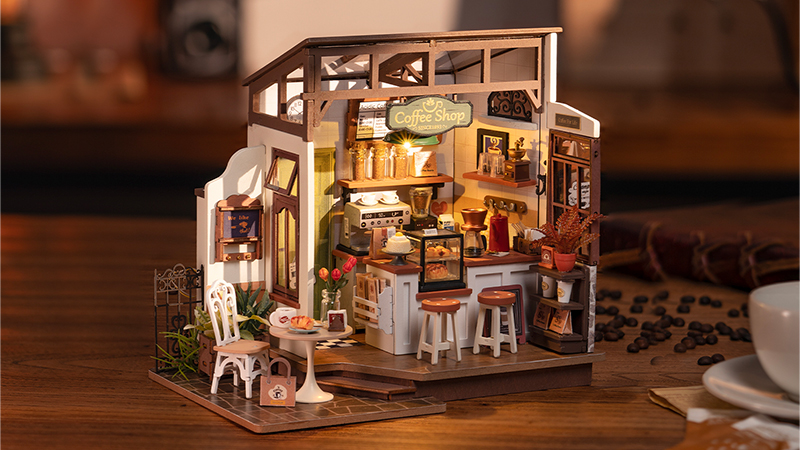
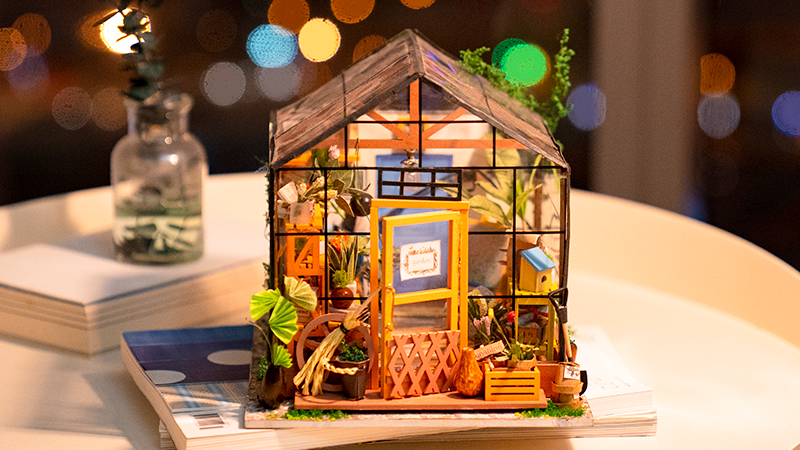
Dollhouses are still very popular, and now companies, such as Rolife, are offering DIY kits.
With Rolife's DIY miniature house kits, you are not just assembling a structure; you’re creating a world that reflects your personality and creativity. Every piece you fit together is a step closer to a masterpiece that you can proudly display.
These miniature kits can make a room in a house, a cafe, a bookstore, and much more. Some Rolife miniatures in the Super Creator series come in sets so you can stack the different rooms to make a house, a shopping center, or a combination of both.
Rolife DIY miniature houses are made from products of the highest quality so you can be assured that they will last for a long time. Sustainability is important to the company, and they focus on eco-friendly materials and practices.
The Scale of Dollhouses
Until the early 20th century, dollhouses didn’t often have a uniform scale. However, afterwards, most dollhouses were made in a scale of 1:18. Miniature houses for adults are usually on a scale of 1:12, though they can be smaller, 1:24, and even 1:48. The largest size is 1:6, which is used for dollhouses for dolls such as Barbie.
A Sense of Community
Since the original ‘baby houses’, miniature house enthusiasts have gathered together to share their love for this hobby.
These days, social media and online forums provide opportunities for collectors to connect with. Rolife has a community group you can join where you can learn more about Rolife miniatures and share your experiences with other community members. They also have a Facebook page.
Dollhouse exhibitions and conventions also allow collectors to meet and share their creations while mixing with others who have the same interests.
Final Thoughts
As we’ve seen throughout history, the evolution of dollhouses is not just about toys; it’s a cultural reflection of society, art, and status. By examining the work of historians and examining these miniature treasures, we can gain insights into the lives of those who built and cherished them.
The history of the dollhouse is not just about the past; it’s about the joy, creativity, and memories that continue to inspire us today. So why not dive into this timeless tradition with a Rolife DIY miniature house kit? Start building your own miniature world today—and see where your imagination takes you.
Comment