




DIY Assembly Help
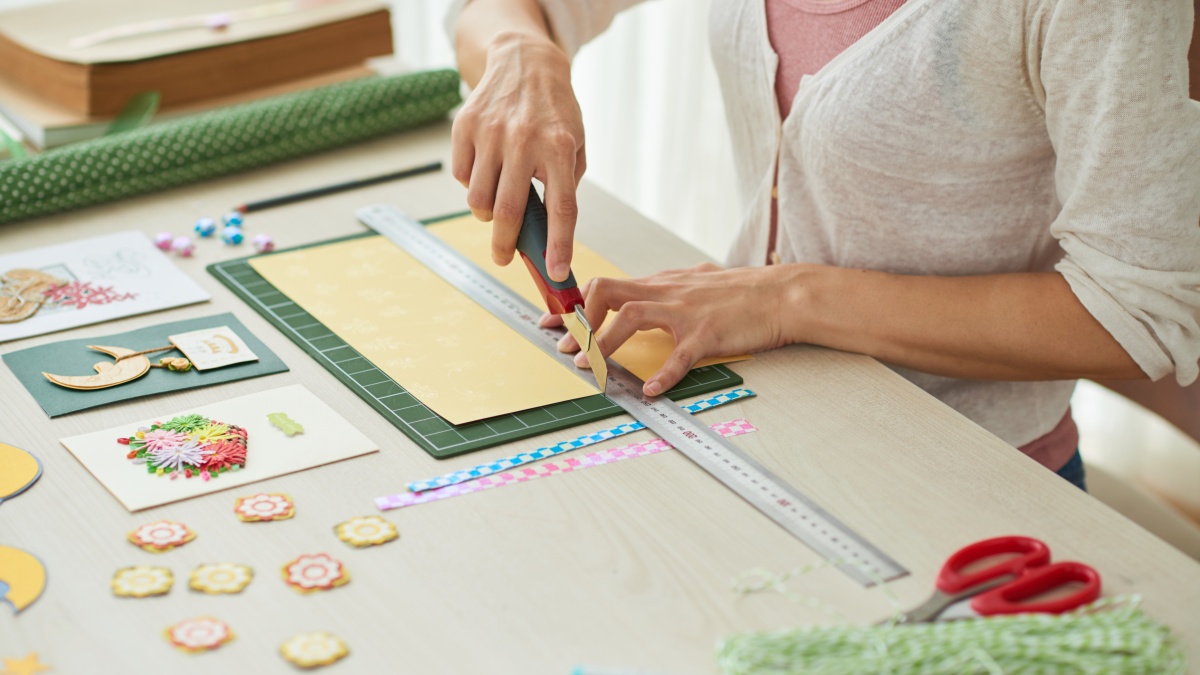
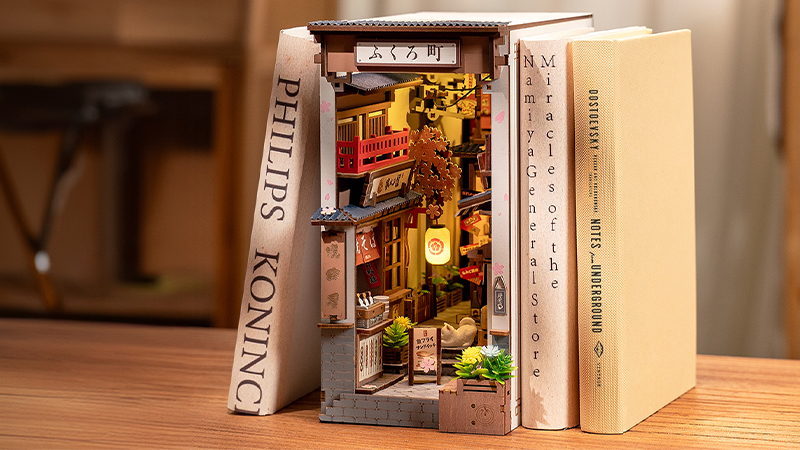
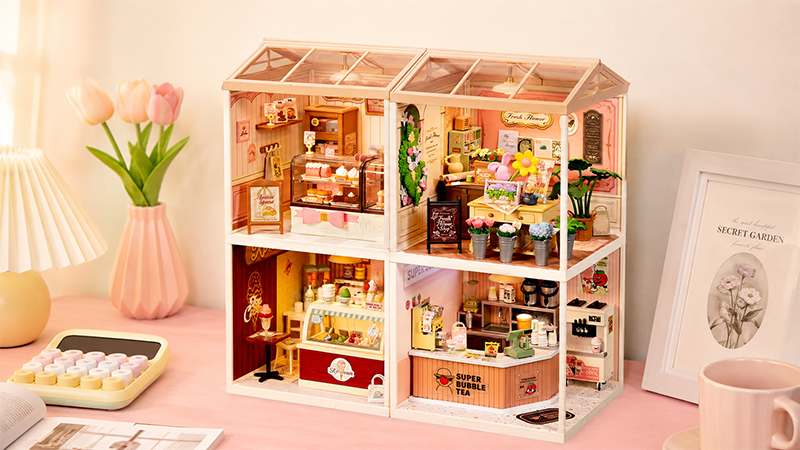
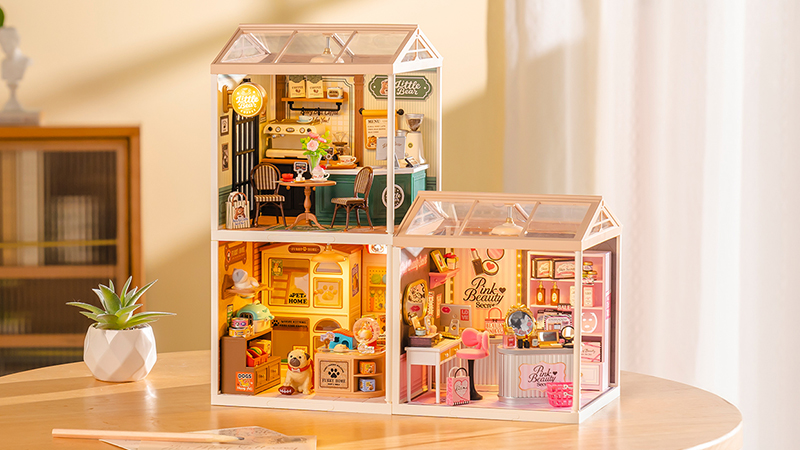
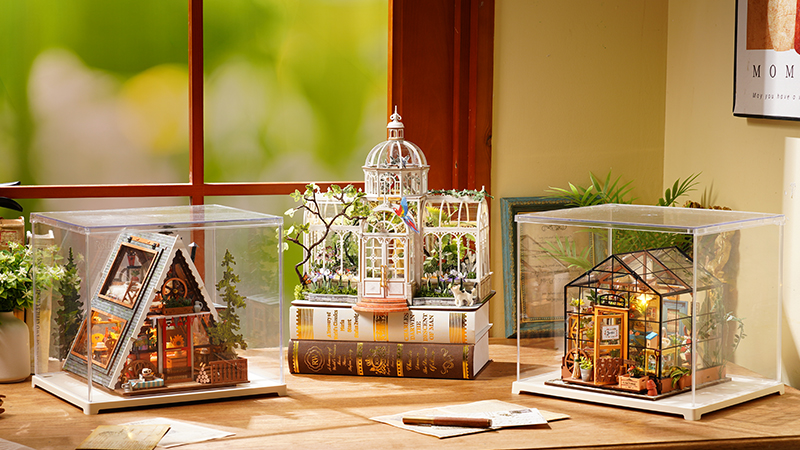
Rolife DIY kits are more than creative projects — they are small worlds filled with detail, atmosphere, and the joy of making. Whether you are building a cozy Book Nook, a charming Miniature House, or a thoughtful gift, this page brings together official help for the most common assembly issues.
From bent wooden pieces and tight-fitting parts to fragile components, beginner tips, and powered accessories, you can find the right guide here and enjoy a smoother, more relaxing building experience.
Please bookmark this page — we update it as new DIY assembly guides go live.
Find the Help You Need
Start with the topic that matches your issue and go directly to the guide you need.
Fix Bent or Warped Wooden Pieces
Slight bending or warping can happen due to humidity, storage conditions, or the natural behavior of wood. Learn how to correct it gently without affecting the final look of your build.
Read the guide →What to Do If Parts Don’t Fit Properly
If parts feel too tight, too loose, or difficult to place, do not force them. This guide will help you check the fit and make safe, small adjustments.
Read the guide →How to Handle Fragile or Thin Parts Safely
Delicate parts often carry the smallest details in a Rolife scene. Learn how to remove, hold, and place them with extra care during assembly.
Read the guide →Beginner’s Guide to DIY Miniatures and Puzzles
New to DIY building? Start here for simple setup tips, tool suggestions, and step-by-step habits that make the process feel easier and more enjoyable.
Read the guide →How to Handle Powered Accessories Safely
Some Rolife kits include LED lights and other powered elements that bring warmth and life to your finished display. This guide explains how to handle them safely.
Read the guide →Missing or Damaged Parts
If a part is missing, broken, or no longer usable after careful troubleshooting, you can visit our official replacement support page for the next steps.
Get support →Before You Start
A calm and organized workspace can make your building process smoother and help protect the small details that make each Rolife creation feel special.
- Work on a clean, flat surface with good lighting.
- Read the instruction manual before starting assembly.
- Sort parts by number, type, or assembly step.
- Test-fit pieces before gluing whenever possible.
- Handle thin, decorative, or printed parts gently.
Recommended Tools
The right tools can help you build more smoothly and enjoy the process with greater ease.
- Craft knife for clean cutting
- Tweezers for placing tiny parts
- Glue for required assembly steps
- Sandpaper or nail file for smoothing edges
- Mini clips or clamps for holding glued parts in place
- Small brush or toothpick for controlled glue application
- Batteries for kits with LED lights or powered accessories
Pro Tips for a Better Building Experience
Even a relaxing and rewarding DIY project can come with a few challenges. These simple habits can help keep your assembly experience neat, calm, and enjoyable.
- Take your time and build one section at a time.
- Do not force parts into place, especially printed or fragile pieces.
- Apply glue carefully and use only as much as needed.
- Keep small parts in a tray or container so they do not get lost.
- Test lights and powered accessories before final sealing, when possible.
FAQs
What should I do if a part breaks during assembly?
First, check whether the part can be repaired safely. If it is heavily damaged or no longer usable, please visit our Part Replacement Service page for the next steps.
Can beginners start with a Rolife DIY kit?
Yes. Many Rolife kits are enjoyable for beginners, especially when you prepare your tools, follow the instructions carefully, and take the process step by step.
Why do some wooden pieces become slightly bent?
Wood may react to humidity, storage conditions, or temperature changes. Slight bending is usually manageable with gentle correction methods.
Should I force a part into place if it feels tight?
No. Always check the direction, tabs, and fit first. Forcing a part may crack or damage it. Use the fitting guide above before continuing.
Where can I get more help if I still cannot solve the issue?
You can visit our Troubleshooting & After-Sales Support page, request replacement parts, or contact us through our Contact page.
Need More Support?
We want your Rolife building experience to stay smooth, creative, and enjoyable. If you still need help after following the guides above, here are the next steps.
Explore All DIY Assembly Guides
Browse the full set of Rolife DIY assembly help articles below and keep your creative project moving forward.
- How to Fix Bent or Warped Wooden Pieces
- What to Do If DIY Kit Parts Don’t Fit Properly
- How to Handle Fragile or Thin Parts Safely
- Beginner’s Guide to DIY Miniatures and Puzzles
- How to Handle Powered Accessories Safely
- Part Replacement Service
This page is part of Rolife official assembly support and will continue to grow as more help guides are added.