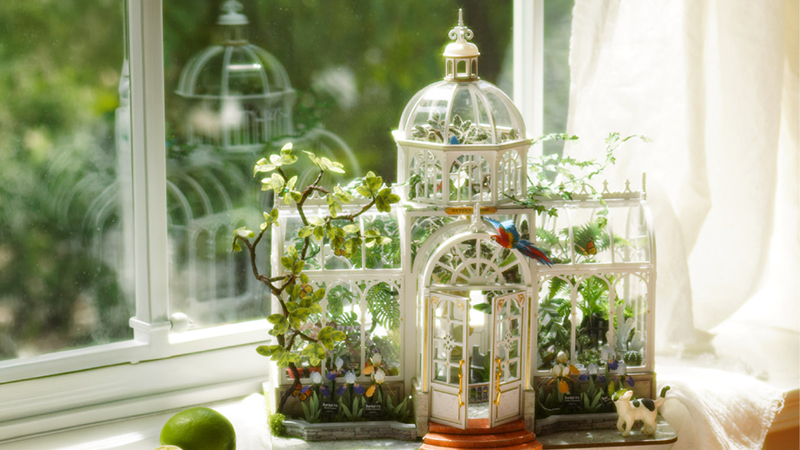
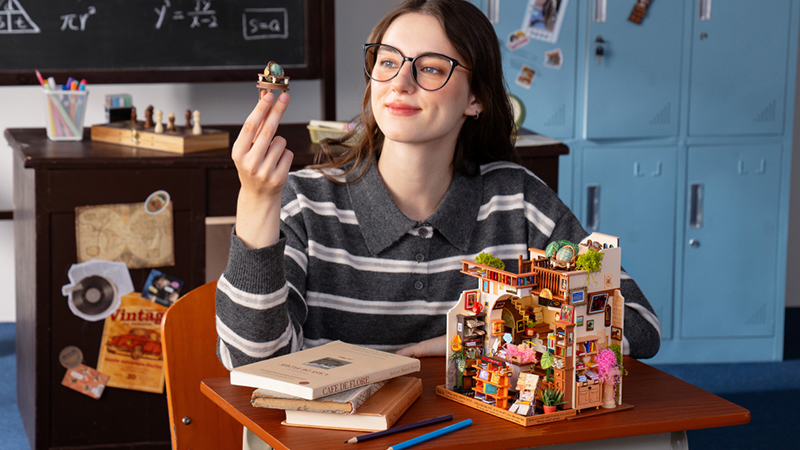
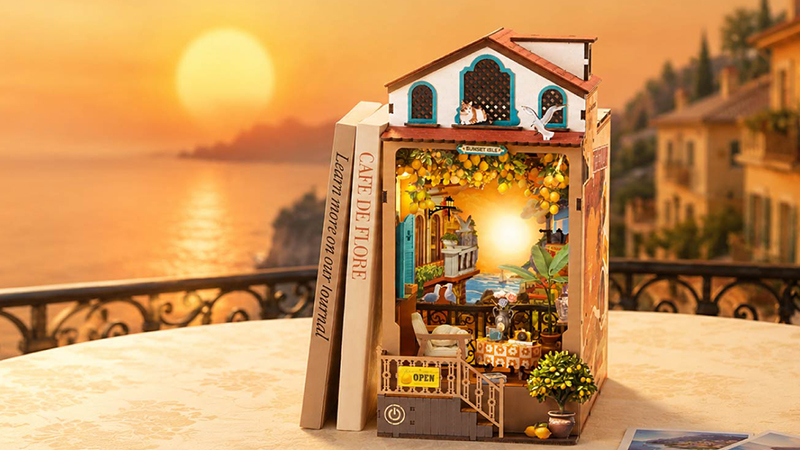
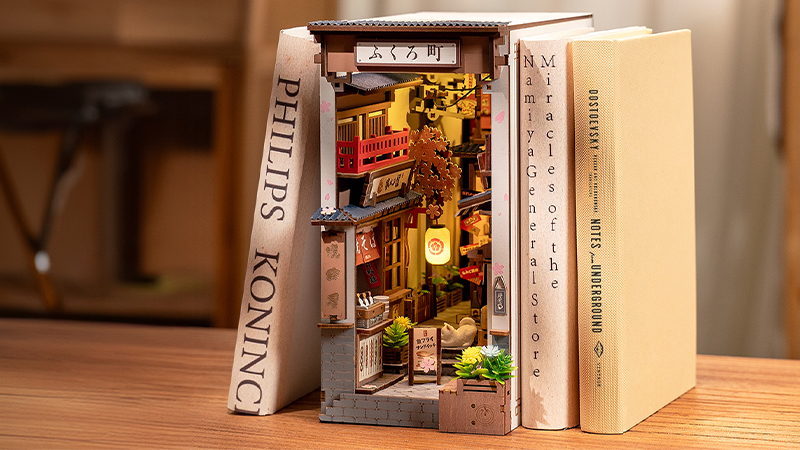
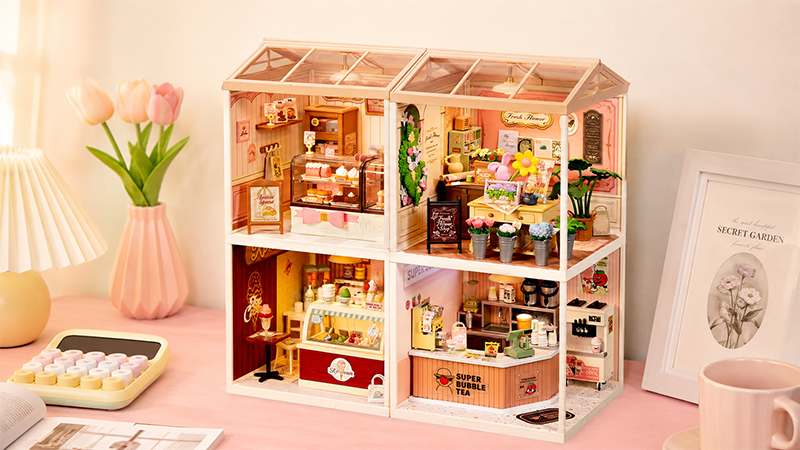
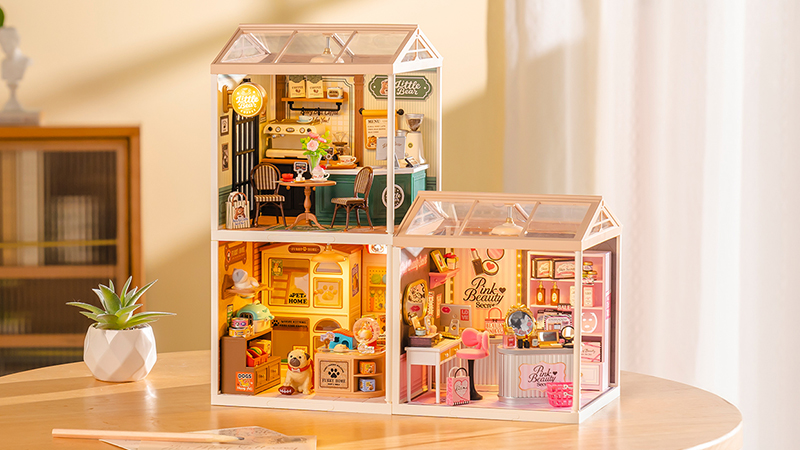
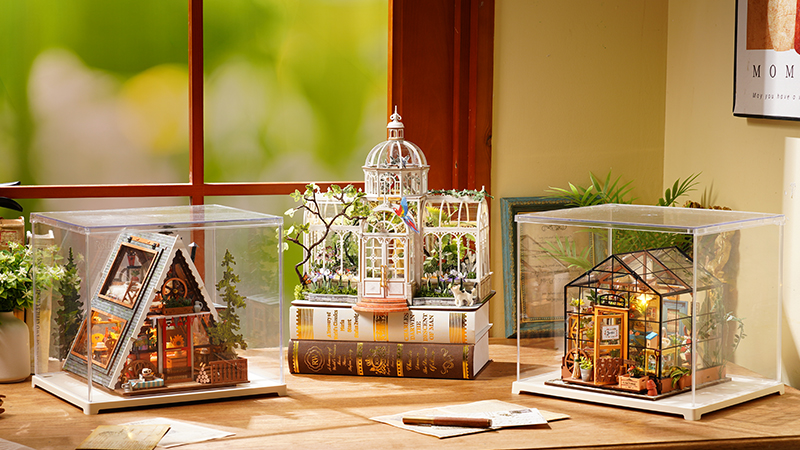
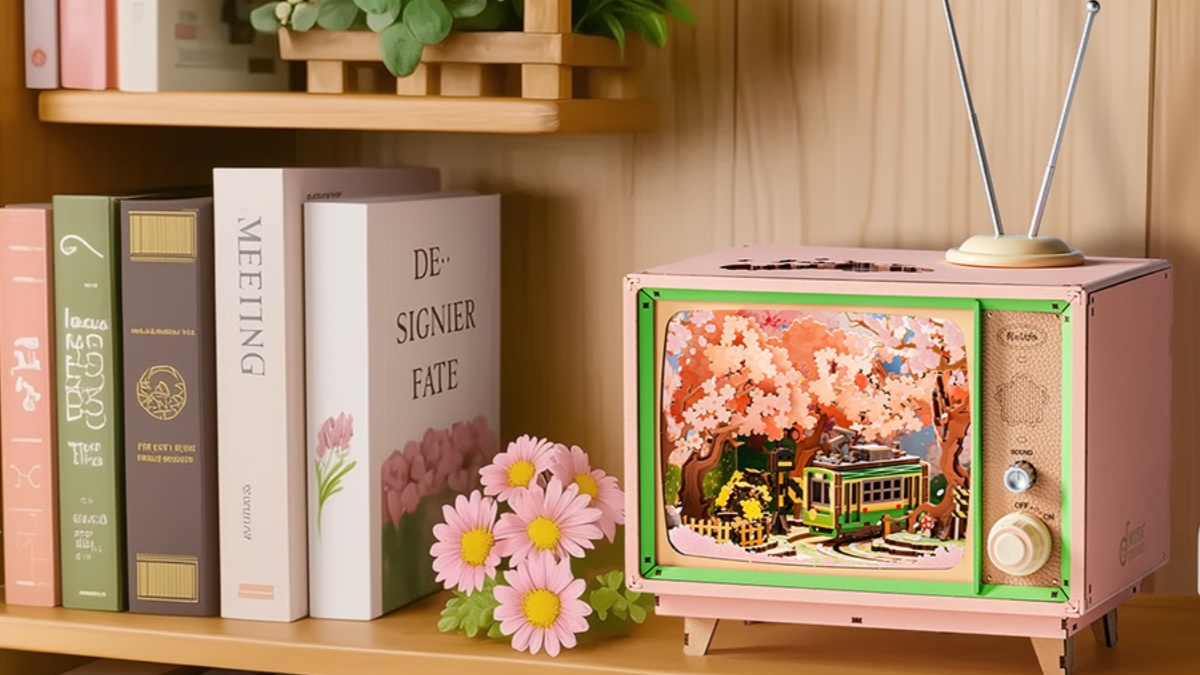
It usually begins quietly.
You order one miniature DIY craft kit, maybe out of curiosity. You spend a few evenings assembling tiny wooden pieces, placing miniature furniture, wiring soft LED lights. You finish it and place it on the shelf. All of a sudden, you want to build another one.
This is how miniature DIY becomes a long-term hobby. Not through pressure or hype, but through the steady satisfaction of creating something detailed, immersive, and deeply personal.
This article will explore why miniature DIY slowly evolves into a lasting creative practice.
It Often Starts with Just One Kit
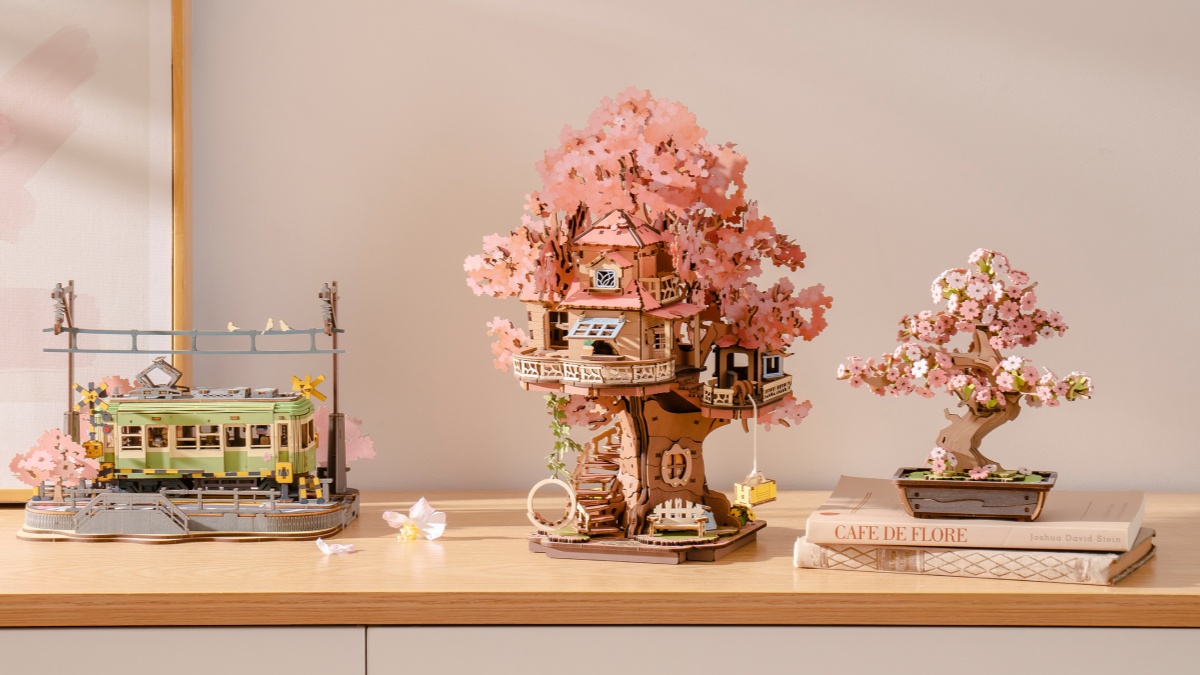
Many hobbyists discover miniature house kits, DIY book nooks, or 3D wooden puzzles while searching for:
- relaxing hobbies for adults
- screen-free evening activities
- creative indoor hobbies
- unique craft kits for stress relief
They don’t necessarily intend to start a long-term hobby. They simply want to try something new. But they are in for a surprise.
But miniature DIY kits offer something rare:
- A clear beginning and end
- Tangible progress
- A finished display-worthy piece
Unlike fleeting digital entertainment, a completed DIY miniature house stays in your space. It becomes part of your environment. And that physical presence creates emotional attachment. That attachment often leads to the next build.
The Joy of Seeing Progress, Piece by Piece
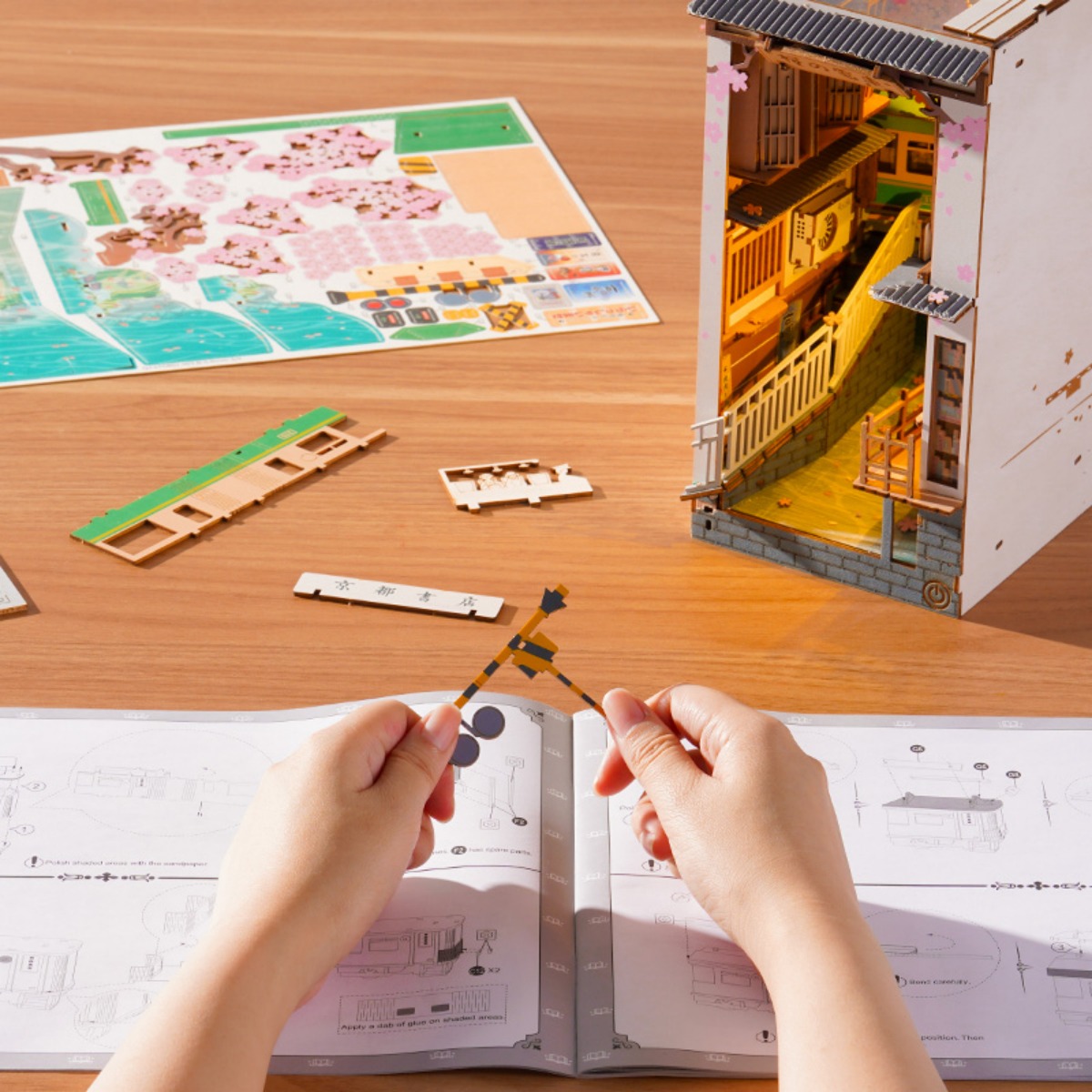
One reason miniature DIY turns into a lasting hobby is simple: visible progress. With each tiny chair assembled, each bookshelf installed, each light switched on - you see how one step leads to another.
Building a wooden miniature kit delivers consistent micro-wins. Psychologically, this activates a powerful sense of accomplishment. You don’t have to wait months to see results. Every session - whether 30 minutes or 2 hours - moves the project forward.
This makes miniature crafting:
- A rewarding evening routine
- A relaxing after-work hobby
- A mindful, hands-on activity
Unlike large-scale crafts that require dedicated studio space, most DIY miniature kits are designed for manageable, incremental building. That steady rhythm keeps people coming back.
Each Build Feels Familiar - Yet Completely New
Once someone finishes their first miniature, they often think:
“I want to experience that feeling again.”
But here’s the thing: every kit feels different.
A cozy study room offers a different experience than a bustling café. A floral book nook creates a different mood than a vintage library scene. Themes, color palettes, architectural styles, and storytelling elements vary widely.
For example:
- A classic library setting focuses on detail and lighting.
- A spring-themed scene leans into atmosphere and seasonal emotion.
- A study-themed build emphasizes warmth and narrative.
The building process feels familiar - wooden pieces, glue, careful placement - but the emotional experience changes every time. That balance between structure and novelty is what transforms DIY miniature building into a sustainable creative hobby.
Miniature DIY Fits Easily into Real Life
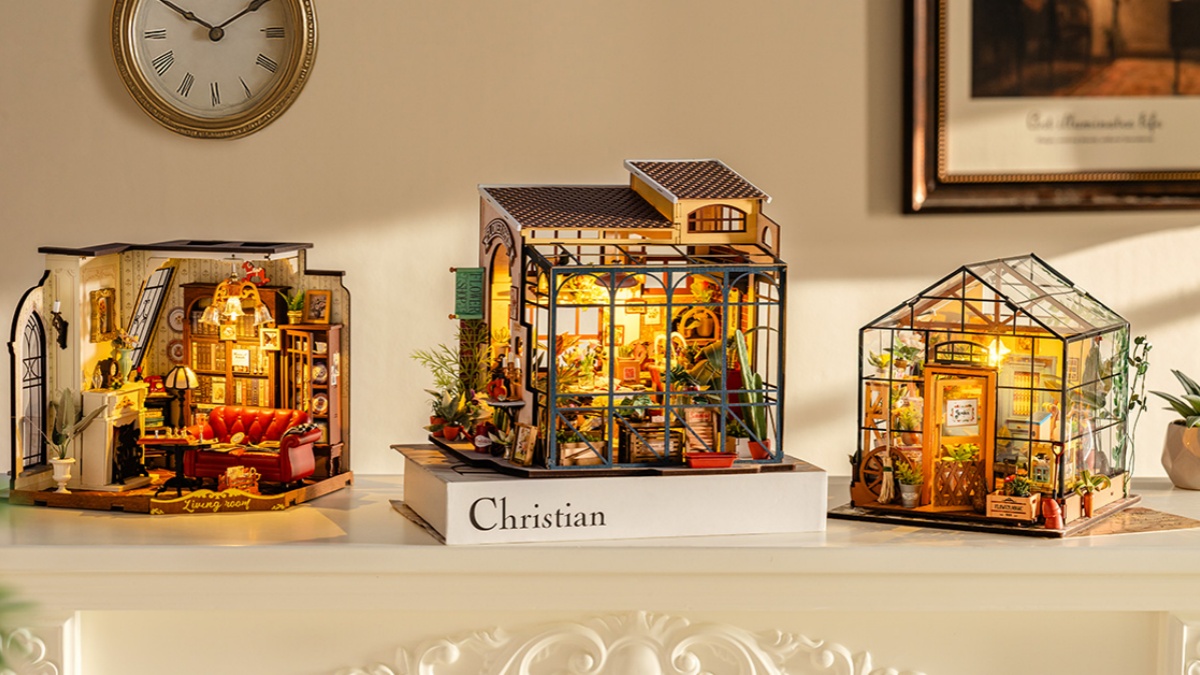
One of the biggest barriers to long-term hobbies is time.
Many people abandon hobbies because they require:
- Large uninterrupted blocks of time
- Dedicated workspace
- Expensive tools or materials
Miniature DIY kits solve these problems.
They are:
- Compact and space-friendly
- Pre-designed with organized components
- Suitable for small tables or desks
- Easy to pause and resume
This makes them ideal for:
- Busy professionals
- Students
- Parents seeking quiet evening activities
- Anyone looking for relaxing indoor hobbies
You can build for 20 minutes after dinner. Or spend a full day immersed in the process. The flexibility makes it realistic - and sustainability depends on realism. When a hobby fits your life, it lasts.
From a Project to a Personal Ritual
Over time, miniature DIY stops being just a craft project.
It becomes a ritual. You clear your desk. Put on music or a podcast. Turn on warm lighting. Open your kit and begin.
This repeated rhythm transforms the activity into something restorative. As your collection grows, you begin curating not just objects, but memories. Each piece represents a season of life, a quiet weekend, a moment of focus.
That emotional layering is what sustains a long-term hobby.
That’s why miniature DIY doesn’t fade like other hobbies — it grows with you.