



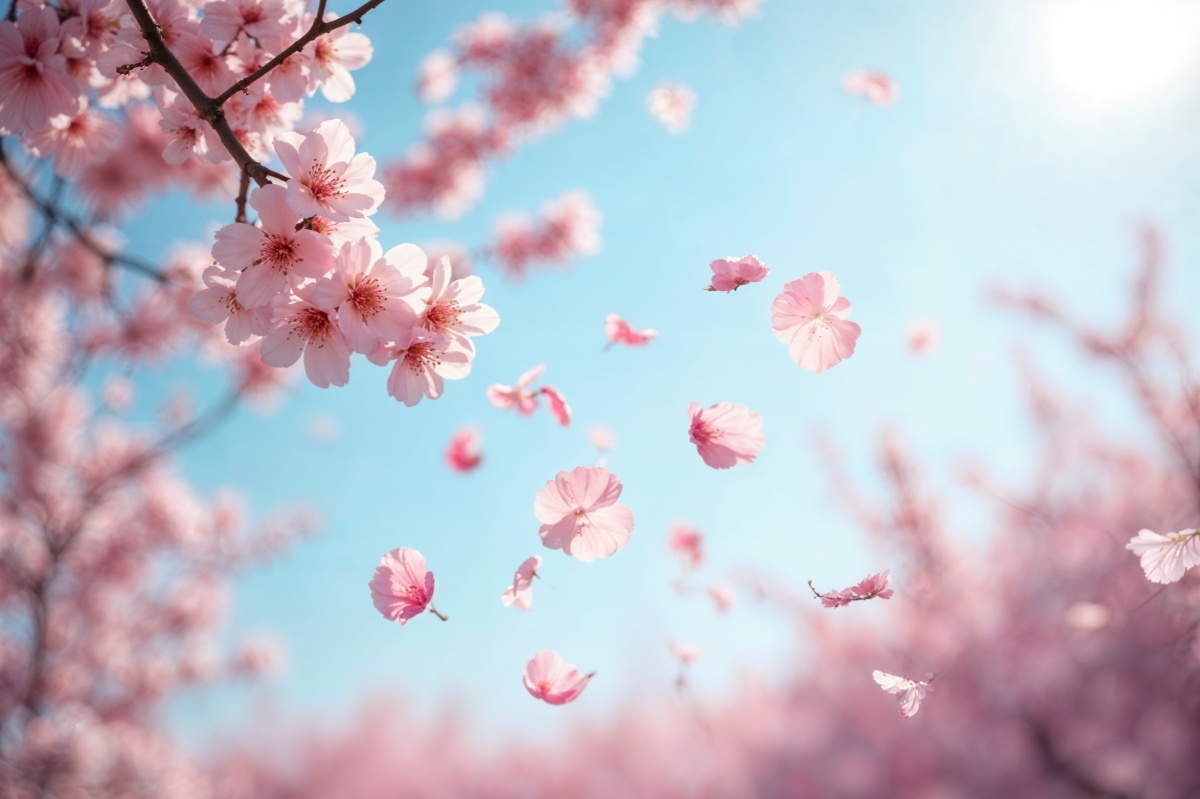
Sakura symbolizes renewal, impermanence, and the mindful appreciation of the present moment.
Its beauty is fleeting, yet unforgettable—reminding us that life feels precious precisely because it does not last forever. Each spring, cherry blossoms invite us to pause, breathe, and notice what is here right now, before it quietly fades.
In this article, we explore the cultural meaning and emotional value of sakura—and why it continues to inspire a slower, more intentional way of living.
The Cultural Meaning of Sakura in Japan

Every spring, something gentle and extraordinary unfolds. Soft pink petals begin to appear, streets glow with delicate color, and time seems to slow down - only for a short while. This is what happens in the Japanese culure when Sakura arrives.
Sakura, or cherry blossom, carries deep cultural significance in Japanese tradition. For centuries, it has represented “mono no aware”, that is, an awareness of impermanence and the gentle sadness that follows it. When Sakura arrives, families and friends gather for flower-viewing, celebrating life even if it’s just for a moment.
Across history and literature, sakura has represented:
- Renewal and new beginnings: Cherry blossoms mark the arrival of spring—a season of fresh starts, growth, and quiet hope.
- Fleeting nature of life: Their short bloom reflects how moments, youth, and beauty pass quickly, encouraging mindful appreciation.
- Beauty and fragility: Delicate yet abundant, sakura reminds us that softness can be powerful.
- Resilience and continuity: Though brief, the blossoms return every year, carrying the promise that life moves forward.
- Connection and togetherness: During hanami (flower-viewing), families and friends gather, sharing food, stories, and presence beneath the trees.
Sakura is not celebrated despite its impermanence—but because of it.
The Emotional Value of Sakura
Beyond cultural symbolism, sakura holds quiet emotional weight. Watching soft petals fall can instill feelings of nostalgia, warmth, tenderness, and quiet joy. It’s often a season of childhood springs, first loves, or brief moments we wish we could relive.
In essence, sakura teaches us:
- To embrace change rather than resistit
- To noticebeauty in small, ordinary moments
- To accept that joy and sadness often coexist
- To feel connected - to nature, to time, and to one another
This shared emotional experience is why sakura resonates across generations and cultures. It speaks softly, yet universally.
Sakura as a Reminder to Slow Down
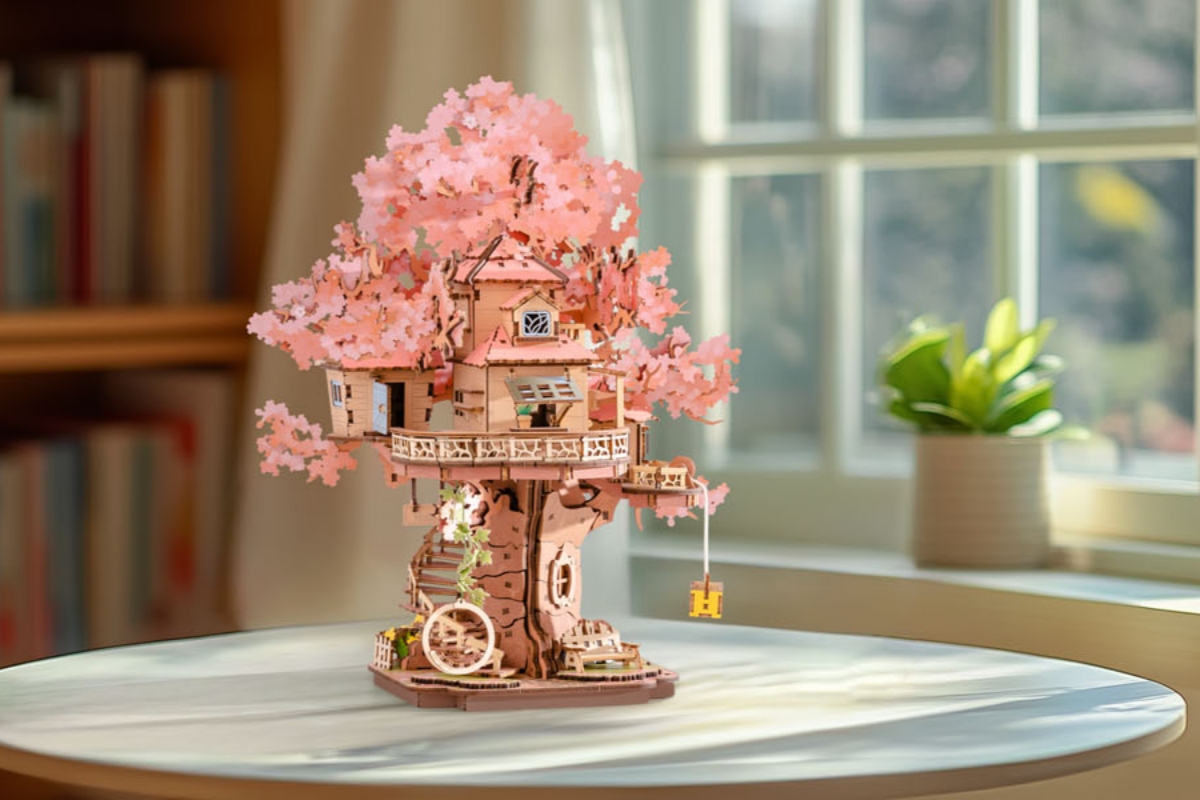
In a busy world characterized by deadlines and notifications, Sakura offers a gentle escape. No rush, just the gentle bloom that comes when it’s ready, stays briefly, and leaves gracefully. Sakura reminds us that:
- Slowing down doesn’t mean falling behind.
- Mindful moments restore calm and creativity
- Beauty reveals itself when we give it time.
To pause beneath a cherry blossom tree—even for a moment—is to practice presence.
Final Thoughts: Finding Meaning in Fleeting Moments
Sakura is more than a flower. It is a quiet philosophy—one that invites us to slow down, cherish what is temporary, and welcome each season as it comes.
As you watch petals fall this spring, remember life doesn’t need to be rushed. Life is more meaningful when you take a deep breath and enjoy the little things around you.
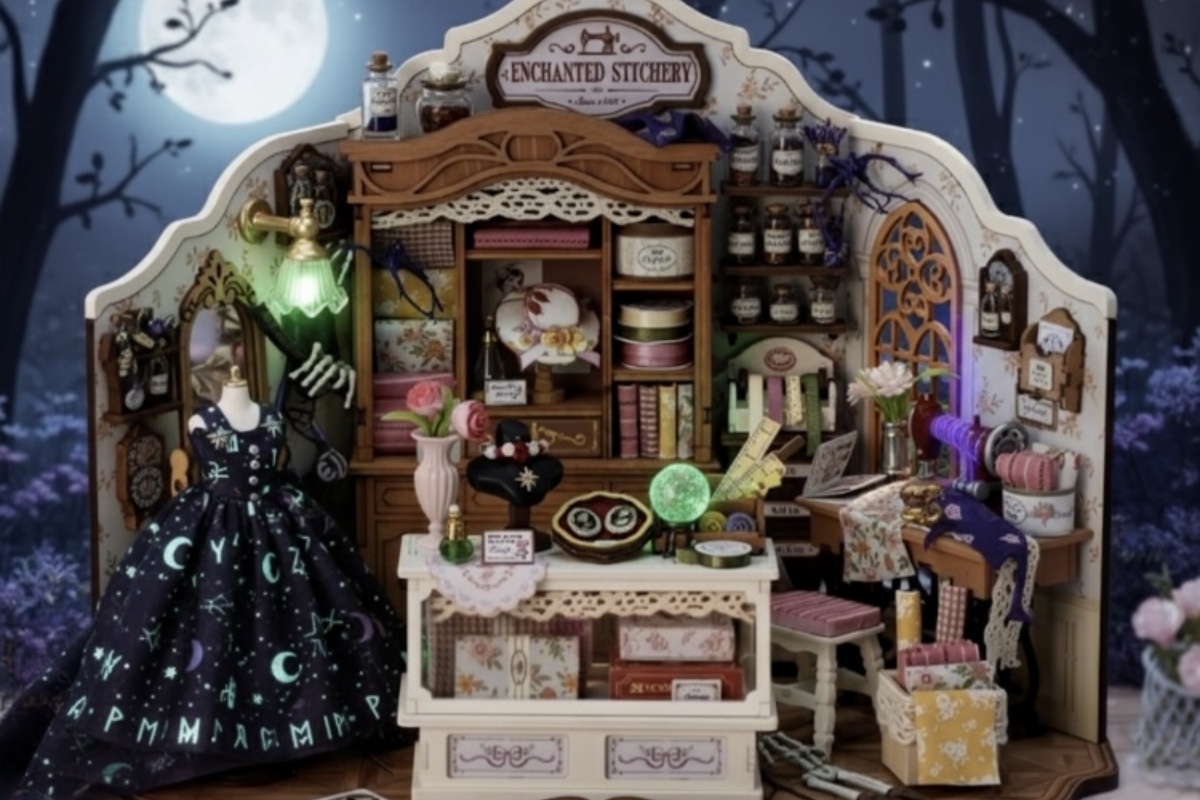
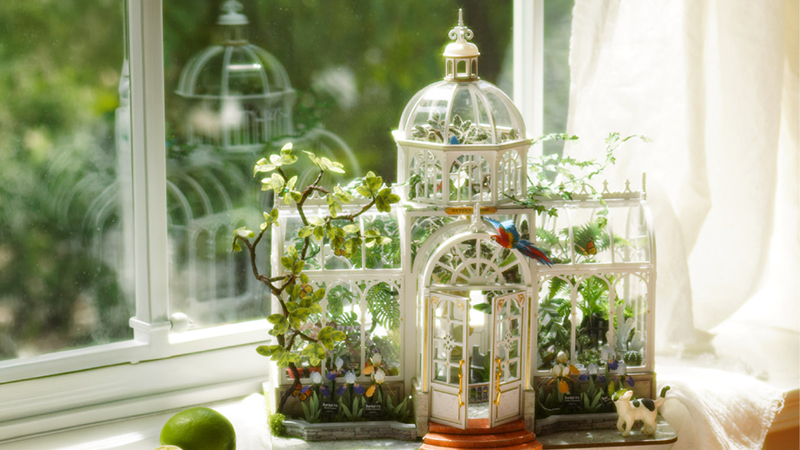
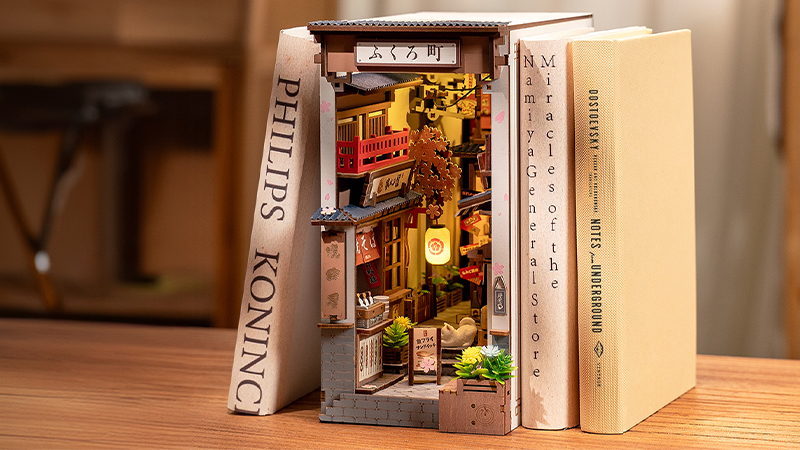
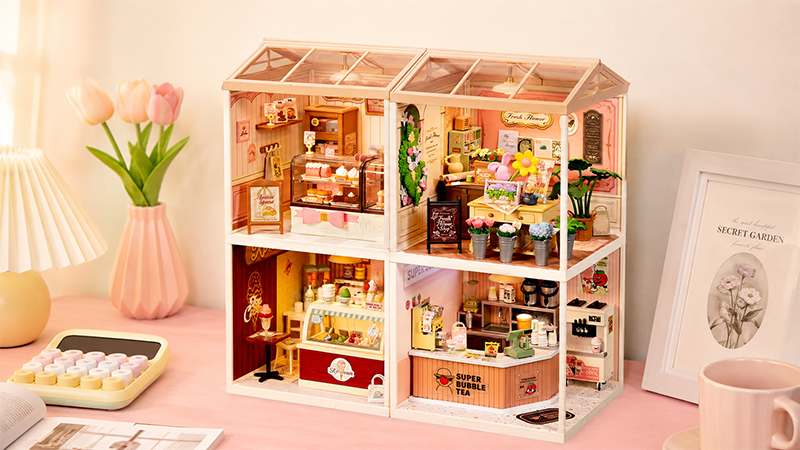
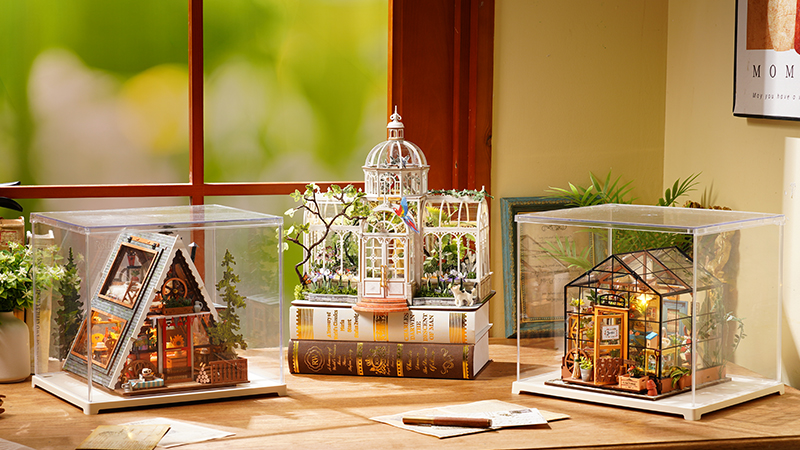
If you’d like to carry that feeling indoors, creating a miniature sakura scene can be a gentle way to hold onto the season a little longer. With Rolife’s sakura-inspired DIY kits, you can build a small, timeless reminder of spring—one quiet moment at a time.