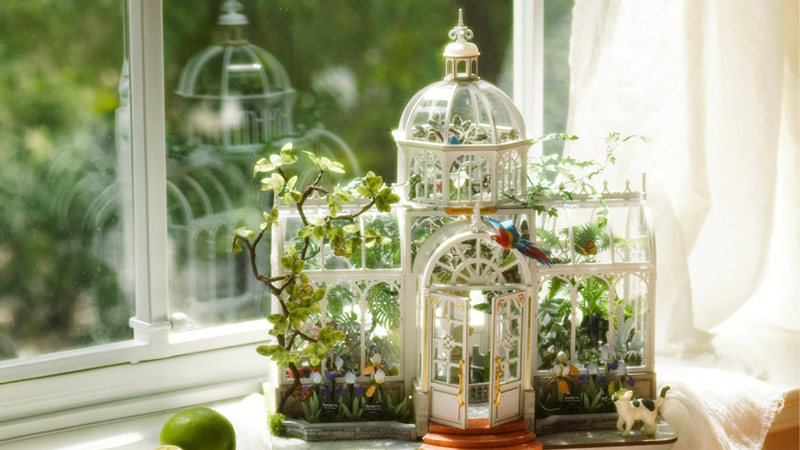
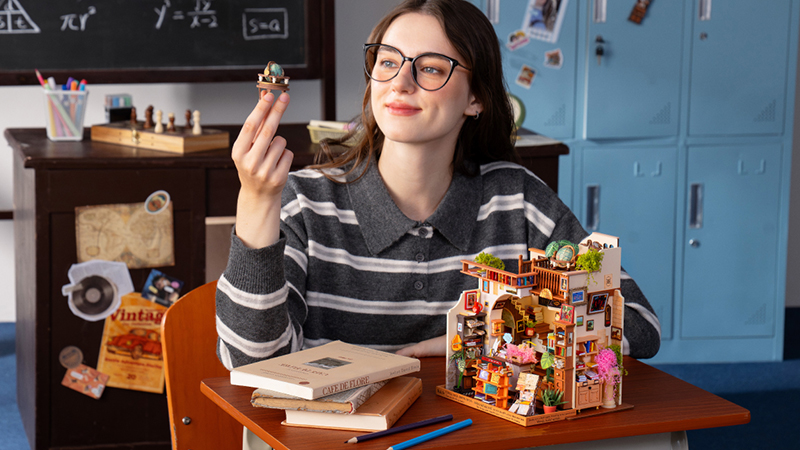
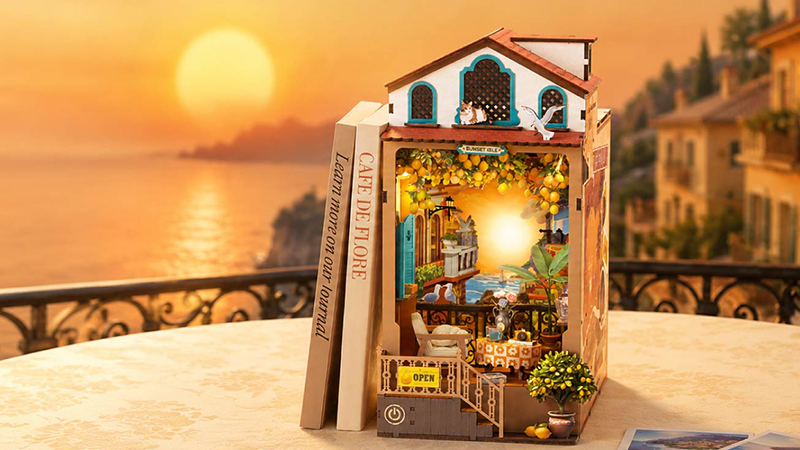
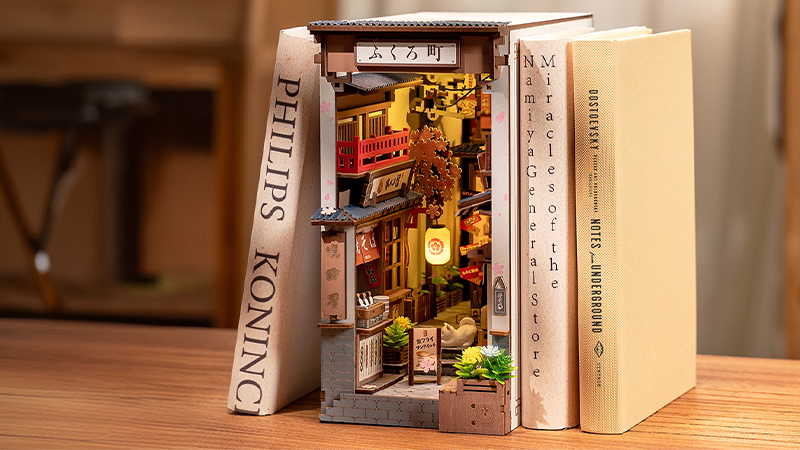
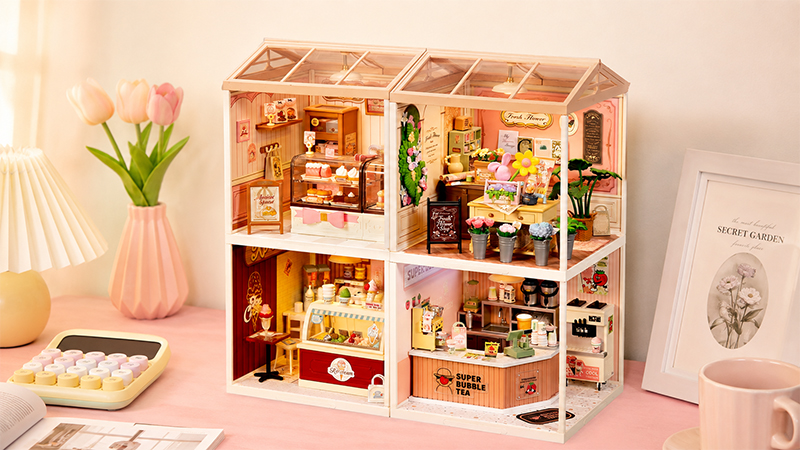
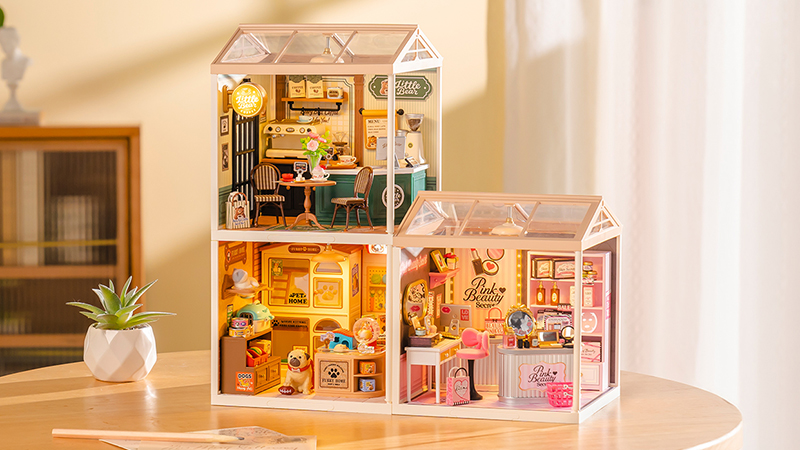
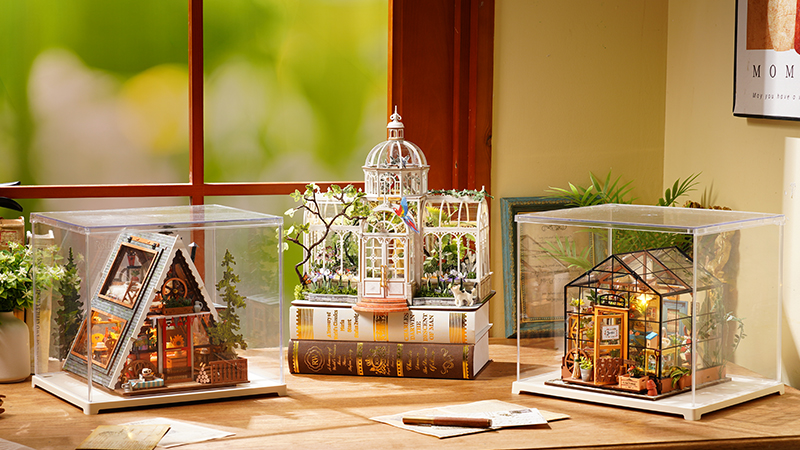
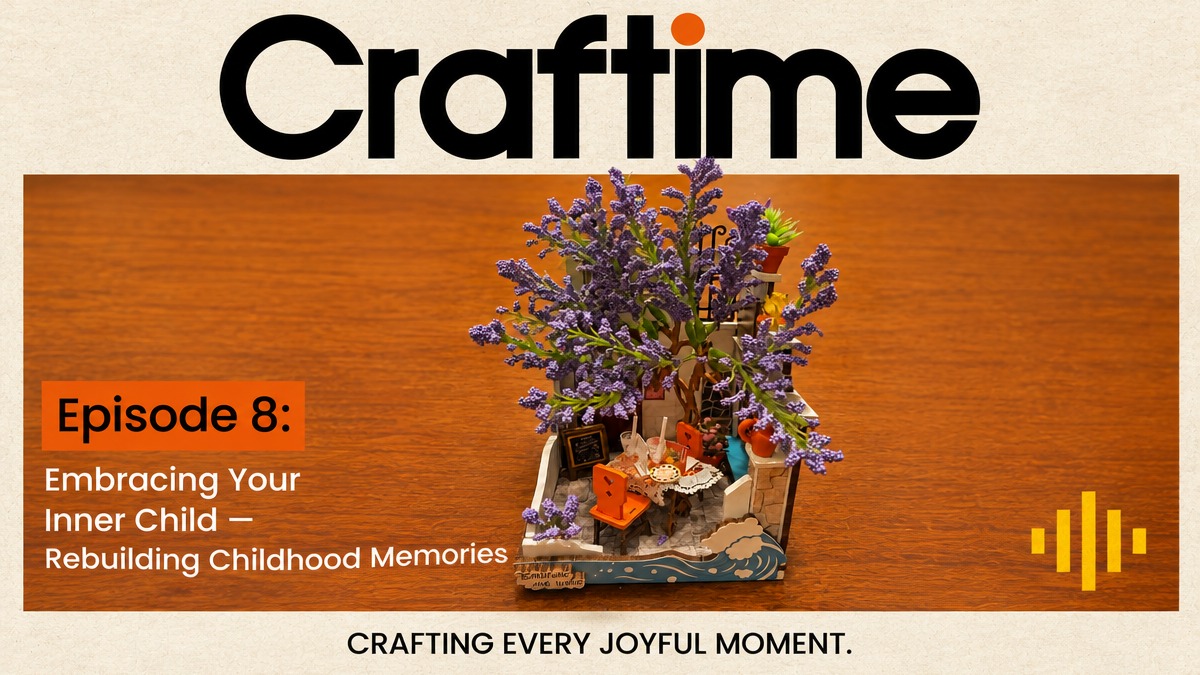
What if a miniature could hold a lifetime of memories?
For Cathleen Clark, a tiny sewing room is a way to return to her grandmother's home. For Miriam Reina, a miniature cafe can bring back early dates with her husband. Their projects begin with small pieces, but the places they hope to recreate carry years of personal history.
In Craftime Episode 8, host Patrick introduces a special conversation recorded at Rolife's ninth anniversary celebration in New Jersey. Miriam, Rolife's Canadian Brand Ambassador and the creator of Minis with Mimi, interviews Cathleen, Rolife's Brand Ambassador from California, USA. As they talk, the interview becomes a shared reflection on childhood, creativity, and the places that make us feel at home.
Listen to the Episode
You can listen to the full Craftime conversation with Cathleen and Miriam below, or find it on Apple Podcasts or Spotify.
Finding Joy in Making, Then and Now
Cathleen has spent more than thirty years teaching and creating crafts. Her interests have included ceramics, painting, jewelry making, calligraphy, embroidery, resin, and, more recently, 3D printing.
When Miriam asks where that love began, Cathleen speaks openly about a difficult childhood. Crafting was one of the ways she found joy. As an adult, returning to creative activities has helped her reclaim those happy parts of childhood, and teaching gives her a way to share that feeling with others.
Miriam recognizes something of her own experience in that story. Growing up in the Philippines with limited resources, she learned to make things from scraps and whatever materials were available. Creativity grew through imagination and the pleasure of making something with her own hands.
The Five-Year-Old Who Introduced Cathleen to Miniatures
Cathleen's introduction to miniature kits came during a trip to Michaels with her five-year-old granddaughter. Her granddaughter spotted a kit and suggested they try one together.
Once they brought it home, the little girl worked on it for about ten minutes before heading off to play. Cathleen kept going. What began as her granddaughter's idea became a hobby she loved.
The experience still delights her: after years of teaching crafts, a five-year-old had introduced her to something new about herself. It is a small reminder that inspiration can come from any generation.
Rebuilding Grandma's Sewing Room
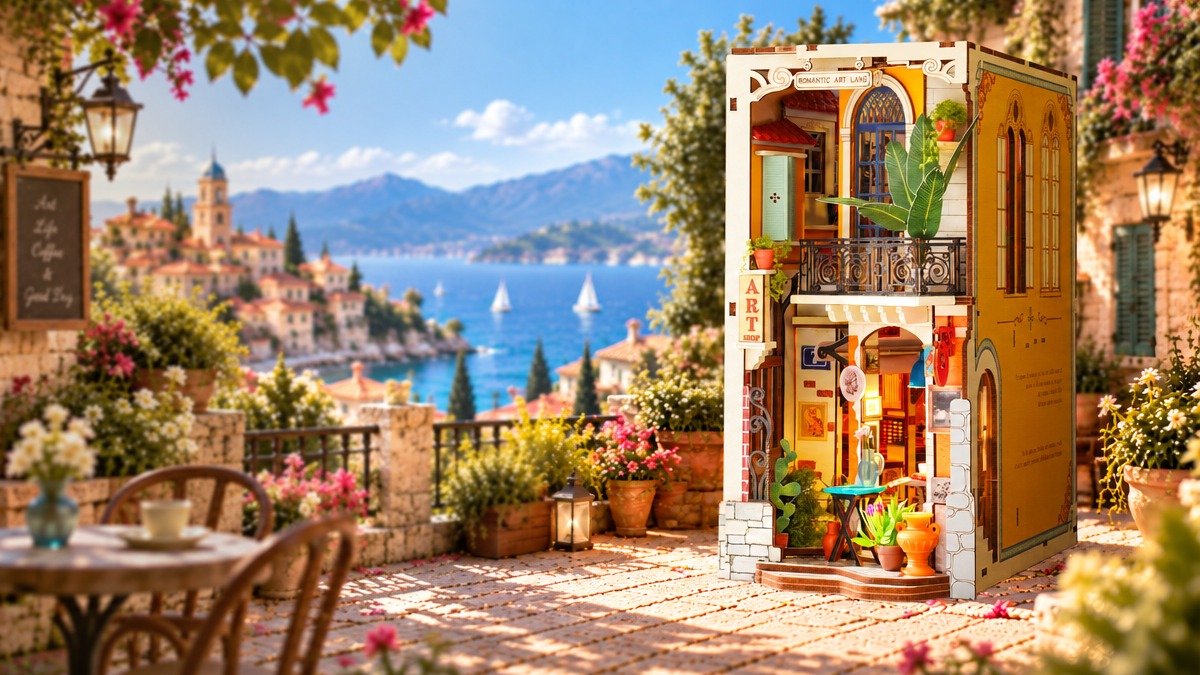
Cathleen enjoys constructing miniature kits, but she also loves modifying them to reflect her own experiences. In the conversation, she describes her plan to turn a miniature sewing room into her grandmother's sewing room, one of the few places where she remembers feeling joy as a child.
She has already customized a miniature library as a tribute to one of the first libraries that inspired her love of reading. These scenes connect the building process to places that shaped her life.
For Cathleen, customization gives a kit a personal direction. A familiar room becomes something she can revisit through the choices she makes while building.
A Tim Hortons Cafe and a Home That No Longer Exists
Miriam has her own meaningful places in mind. She shares plans to customize a miniature cafe into a Tim Hortons, where she and her husband spent some of their earliest dates. The connection is both Canadian and deeply personal.
She also hopes to recreate part of her childhood home. The house is no longer there, so returning to the location would not bring back the rooms she remembers. Building a miniature offers another way to revisit them.
At the time of this conversation, these were projects Miriam was looking forward to. Hearing her describe them shows how a memory can become the starting point for a build long before the first piece is assembled.
Learning to Enjoy the Process
The conversation also turns to what happens while we build. As someone who has taught reading as well as crafts, Cathleen values the attention a kit asks of its maker: reading instructions, following steps, making mistakes, finding the problem, and working out how to repair it.
Miriam reflects on how different that feels from the instant results we often expect. A project may take several sessions, and the satisfaction of finishing arrives through the time spent figuring things out.
Both makers appreciate that gradual progress. There is pleasure in discovering a new skill, returning to an unfinished scene, and seeing what patient work can produce.
Little Homes That Can Travel with You
For Miriam, miniatures also offer a sense of continuity. After moving between homes many times, she finds comfort in having small worlds and personal treasures she can take with her.
A miniature can stay familiar even when its surroundings change. The scene, and the memories connected to it, can come along to the next home.
That perspective adds another layer to the episode's theme of belonging. Sometimes a place we remember can be recreated; sometimes a small place we make becomes something steady to carry forward.
Giving Yourself Permission to Play
Cathleen hopes more adults will feel free to enjoy the things that made them happy when they were young. She talks about exploring her childlike side without letting age decide which interests she is allowed to keep.
Miriam connects that idea to caring for her own inner child. Making miniatures gives her space to enjoy play and creativity in ways that were not always available when she was younger.
Their experiences are personal, and each arrives at miniature crafting with a different history. Together, they offer an inviting thought: growing older can include making room for curiosity, collecting, building, and the simple pleasure of imagining a tiny world.
What Memory Would You Build?
A meaningful miniature project can start with a place you remember clearly: a relative's workspace, a favorite library, a cafe, or a corner of a childhood home.
- Choose one place and think about why it matters to you.
- Write down the details you remember first, such as a color, a piece of furniture, or an object someone used every day.
- Let those details guide a few personal changes to your scene.
- Keep a short note with the finished miniature explaining the memory behind it.
Your scene can capture the parts that matter to you, even if every detail is not an exact replica. Cathleen's library and the projects both guests describe show how personal memories can give a build its direction.
Follow Miriam's work on Instagram at Minis with Mimi. For another conversation about creativity and home, read Hailey and Justin's Craftime story, or explore more stories from the Rolife community.
Listen to Episode 8 above to hear Cathleen and Miriam share the memories, discoveries, and everyday joys behind their miniature worlds.