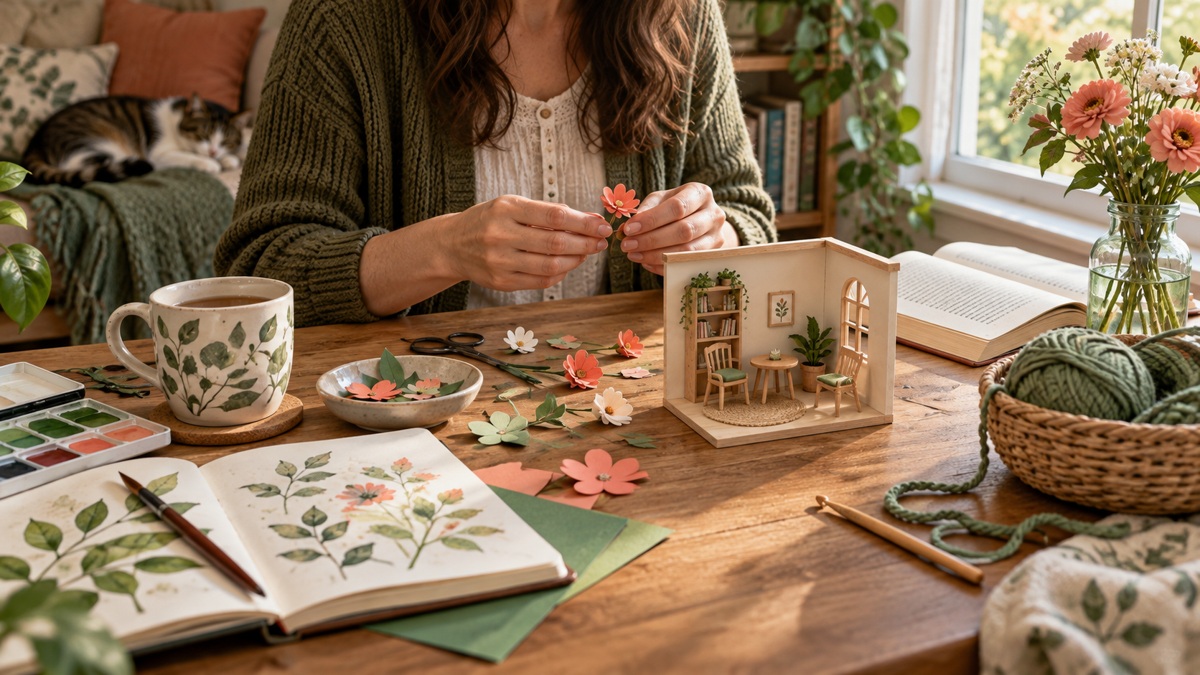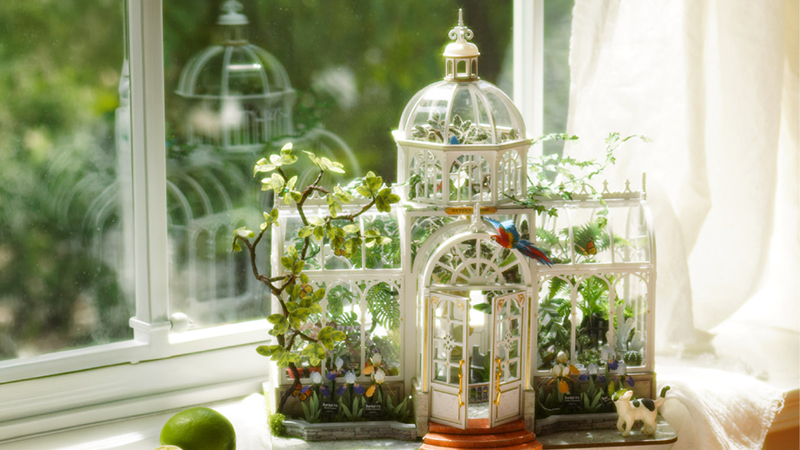
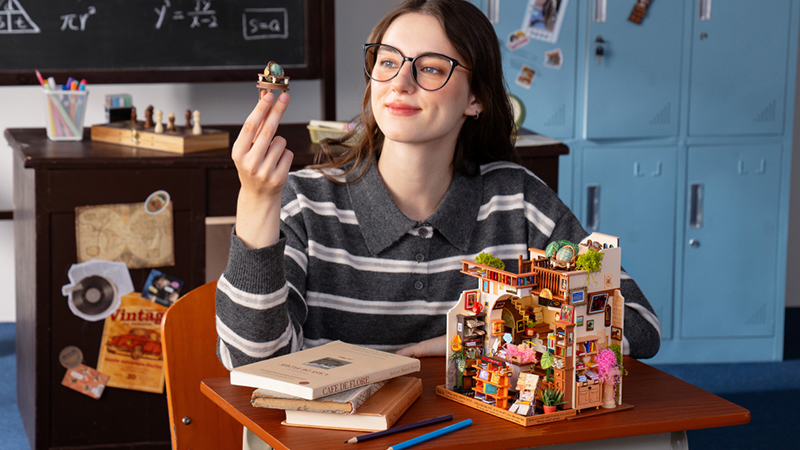
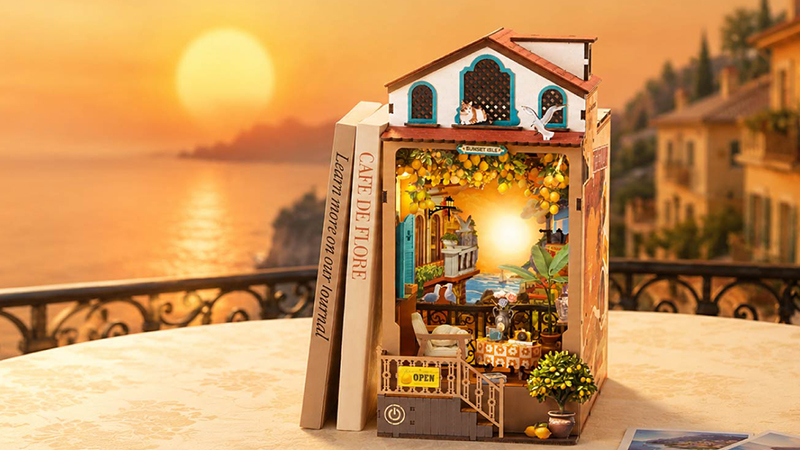
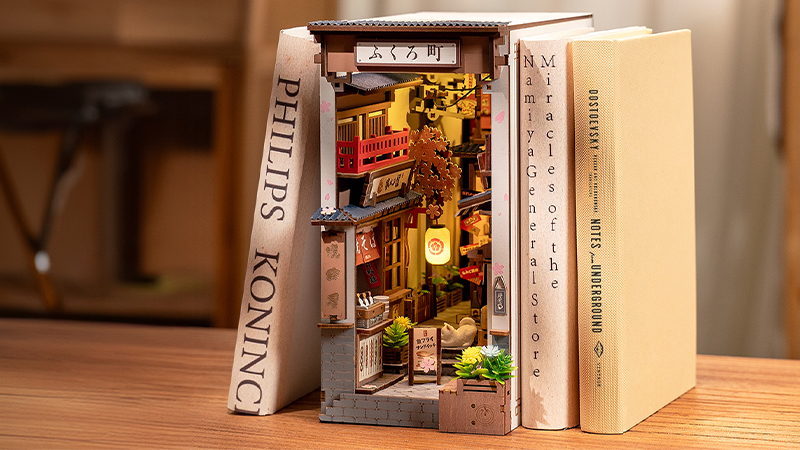
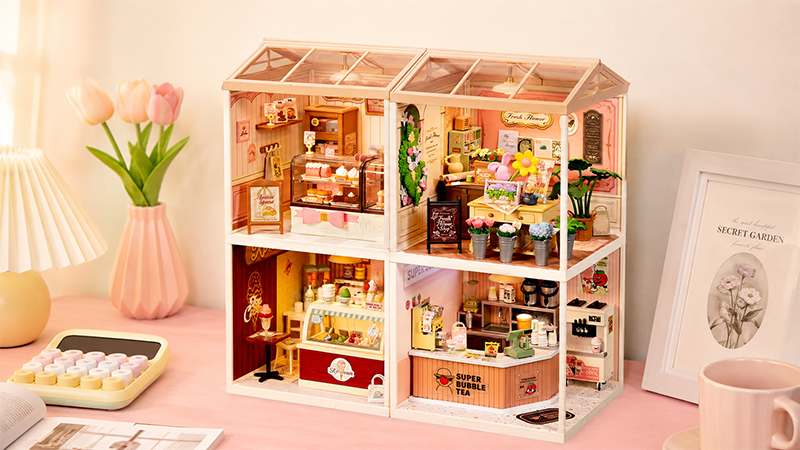
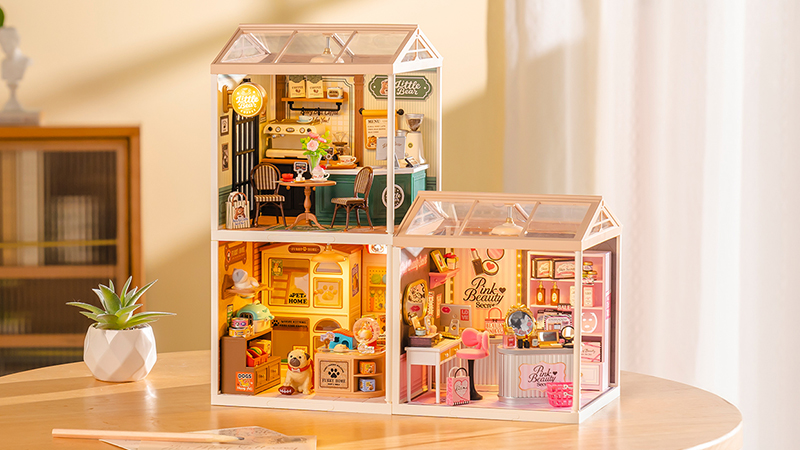
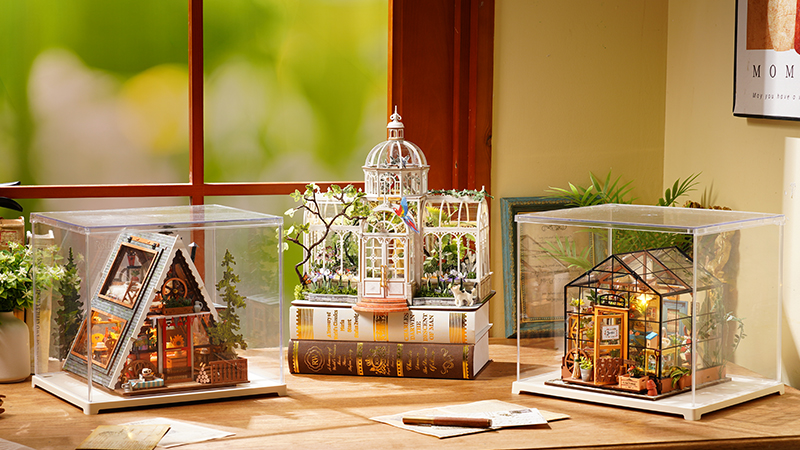
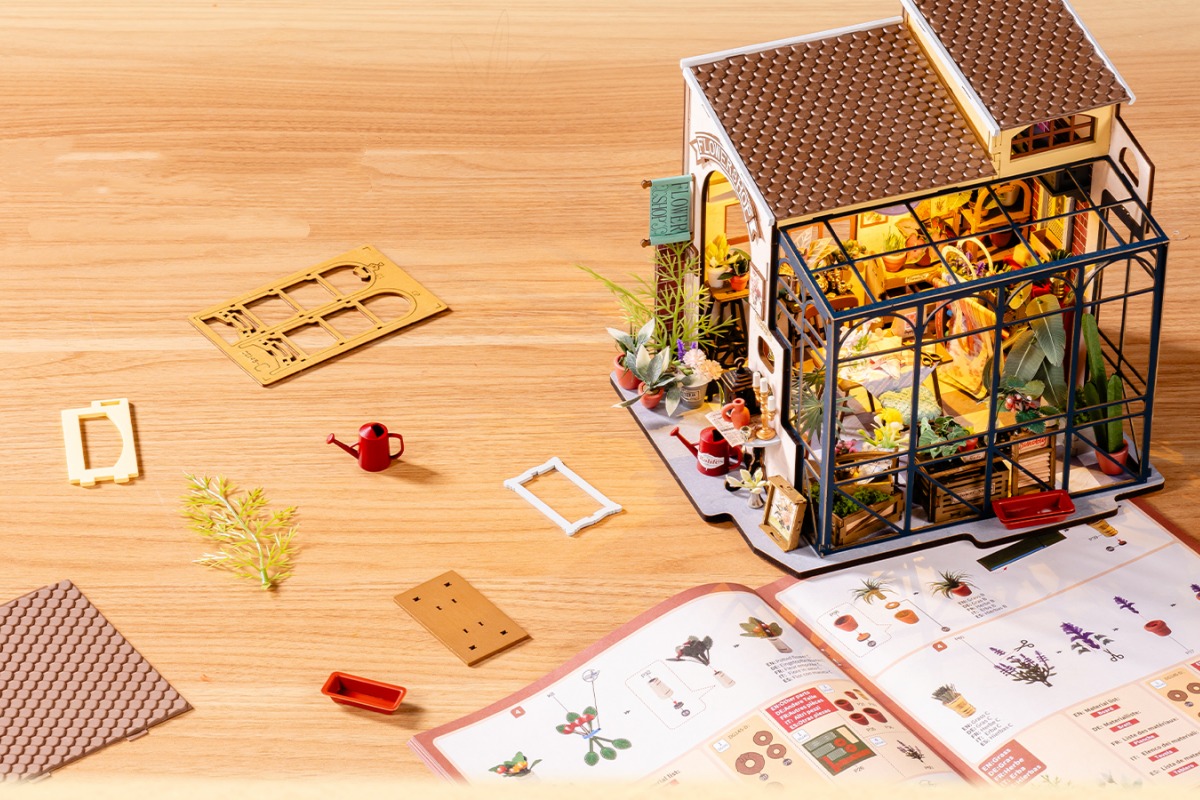
There’s a special kind of hesitation that happens when you consider giving away something you built with your own hands. It’s not about the kit itself; it’s about the time, effort, focus, and feeling that have gone into creating something beautiful. These traits have been embedded in the object that we just can’t let go of.
Handmade things carry weight. They’re harder to discard, harder to replace, and often harder to explain to someone who didn’t build them. In this blog, we’ll explore why we form a connection with things we build ourselves.
The Psychology Behind Attachment to What We Build
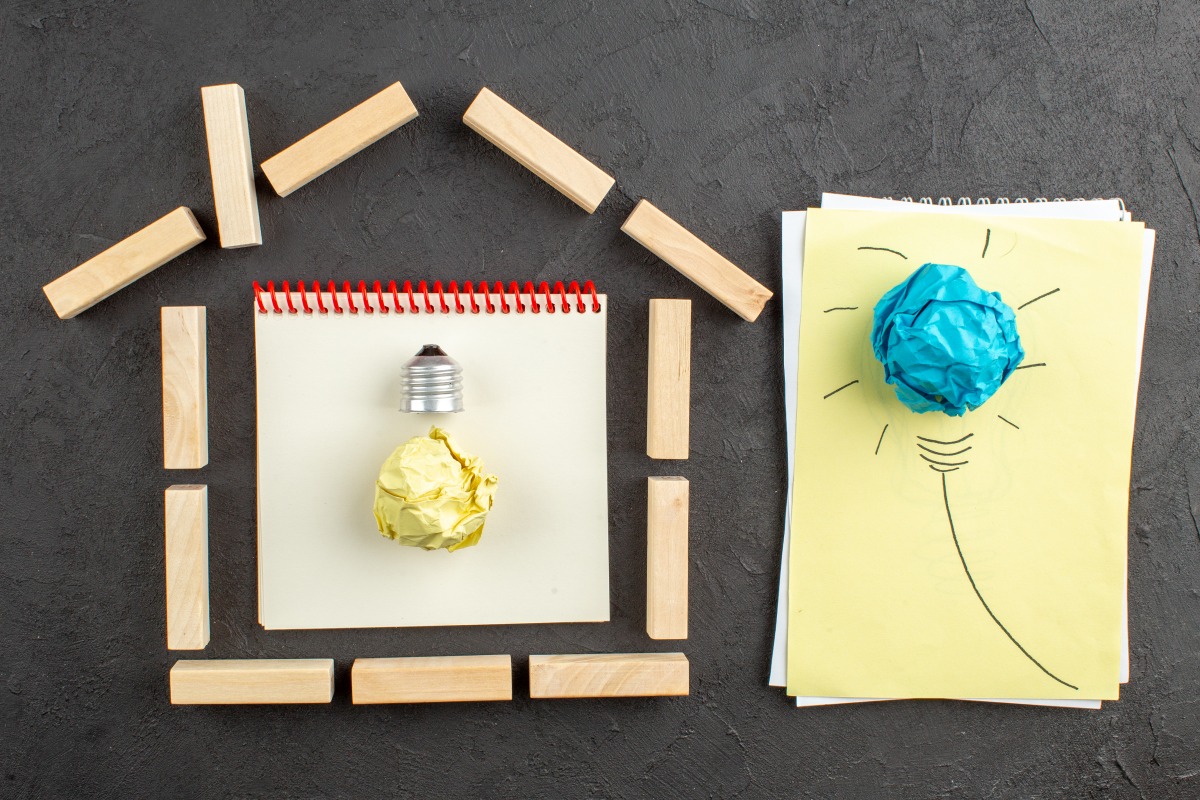
Research in behavioral psychology consistently shows that effort increases emotional attachment and perceived value. Psychologists often refer to something called the “IKEA Effect”, a well-documented phenomenon showing that people value objects more when they’ve had a hand in creating them. Even if the final result isn’t perfect, the act of building triggers a sense of ownership and pride that store-bought items rarely inspire.
When you build something yourself, your brain registers it as earned. You didn’t just acquire it; you invested in it. That investment makes you find your identity, competence, and accomplishment. In effect, “I made this” becomes “This is part of me.”
This is why DIY projects often feel personal, even when they’re based on a kit. The instructions guide you, but the experience is entirely yours.
How Effort Changes the Way We Value Objects
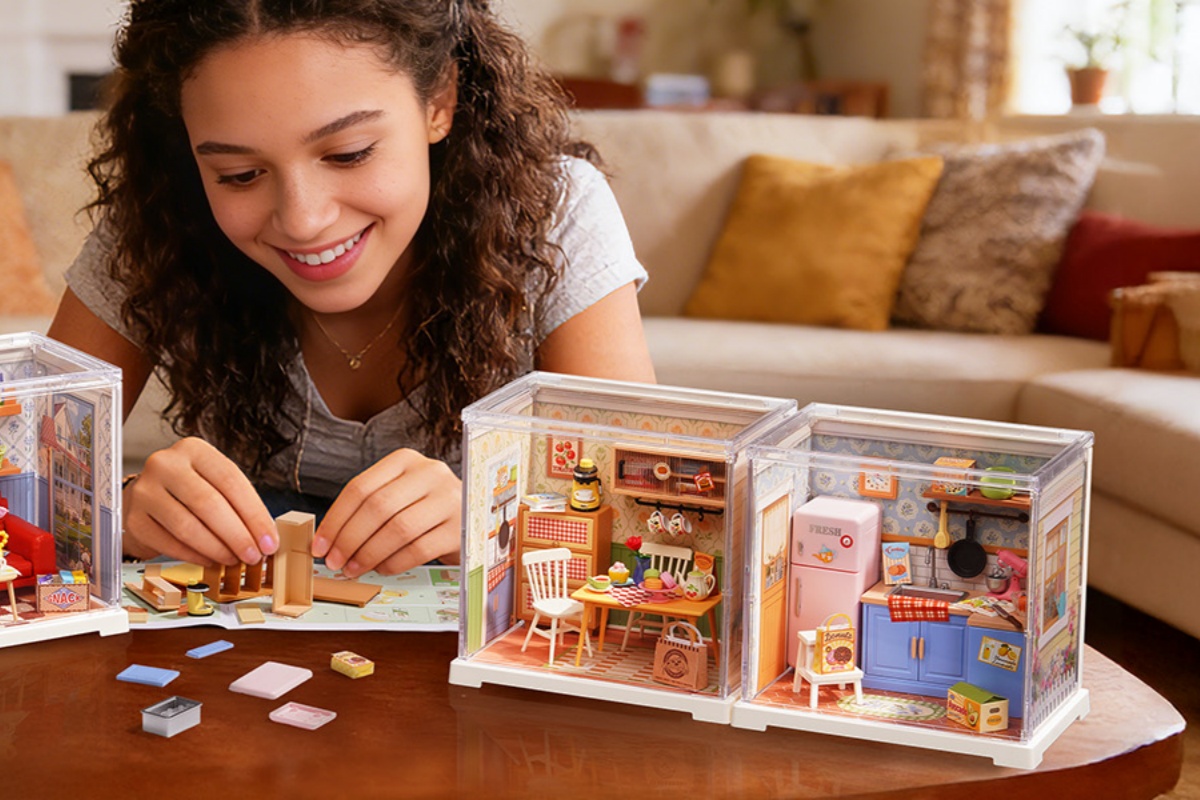
Effort transforms perception. The more time and concentration you put into something, the more meaningful it becomes.
When building a miniature house or mechanical model, you’re not just assembling pieces - you’re solving small problems, practicing patience, and staying present through dozens of steps. Each completed section becomes a tiny victory.
That effort creates value beyond money. A finished DIY piece represents:
- Hours of focus in a chaotic and distracted world
- Progress you can see and touch
- Proof that patience leads somewhere tangible
Because of this, handmade items tend to feel irreplaceable. Their value isn’t defined by price, but by process.
Why Building Creates Memories, Not Just Results
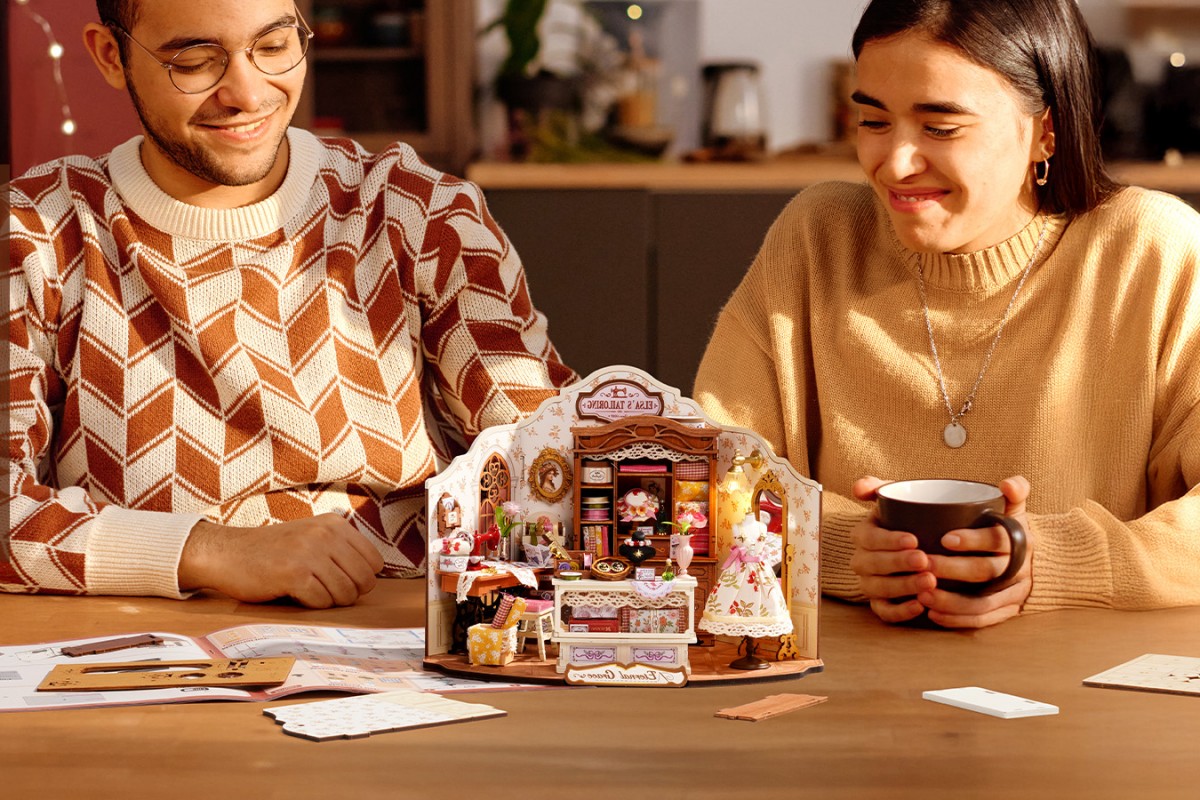
Most objects mark moments in subtle ways. A DIY project, however, actively records them.
You might remember:
- Building late at night with a cup of tea nearby
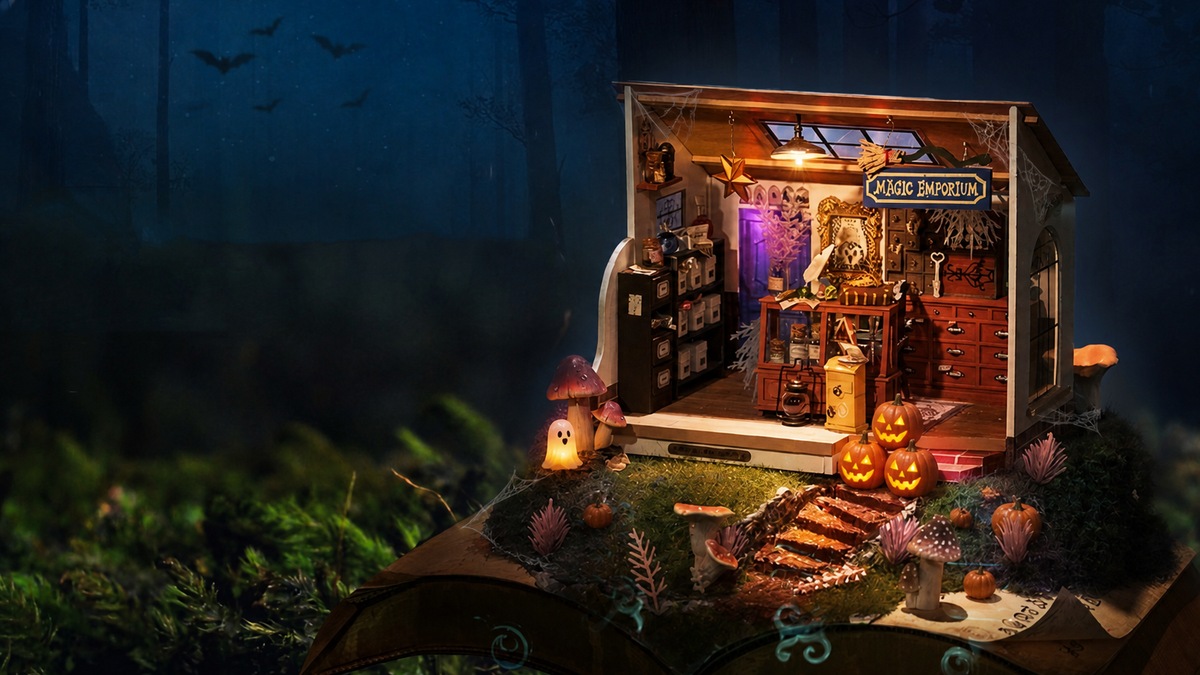
- Working on a book nook during a quiet weekend
- Laughing over a misplaced piece while building with family
- Finishing the final step after days of anticipation
These memories attach themselves to the object. Long after the glue dries, the finished piece becomes a keepsake - holding emotions, routines, and even seasons of life.
That’s why people don’t just display DIY creations. They revisit them. They point to them. They tell stories about them.
Why Imperfect Things Feel More Personal
Imperfections do not change the quality of a DIY object. Whether there’s a slightly uneven edge, a tiny scratch, or a piece that took three tries to get right, imperfections personalize rather than ruin objects. Perfect, mass-produced items can feel distant. Handmade ones feel honest. Each flaw is evidence of touch, effort, and learning. It’s a reminder that creation is a process, not a performance.
In DIY, imperfections often become favorite details. They mark where you slowed down, adjusted, or figured something out on your own. And in a world that constantly pushes for polished results, there’s comfort in owning something that reflects real human effort.
How DIY Changes the Way We See Value
DIY isn’t just about crafting objects; it’s about reclaiming ownership. When you build something yourself, you shift from being a passive consumer to an active creator. You engage your hands, your mind, and your patience. You slow down. You pay attention.
This changes how you value not just the finished piece, but the process itself.
For many builders, DIY becomes:
- A form of mindful relaxation
- A way to disconnect from screens
- A shared activity that creates connection
- A quiet reminder that creating can be joyful
DIY teaches us that meaning isn’t always instant. Sometimes, it’s assembled piece by piece.
Conclusion: What We Build Often Builds Something Back in Us
The things we build don’t just fill shelves or decorate spaces. They shape how we feel, how we remember, and how we see ourselves. Every handmade project carries more than materials; it carries time, care, and a small reflection of the person who made it. And maybe that’s why they’re so hard to let go.
Because in building something with our hands, we often build patience, confidence, and a deeper connection to the moment we’re in. And those are things worth holding onto.
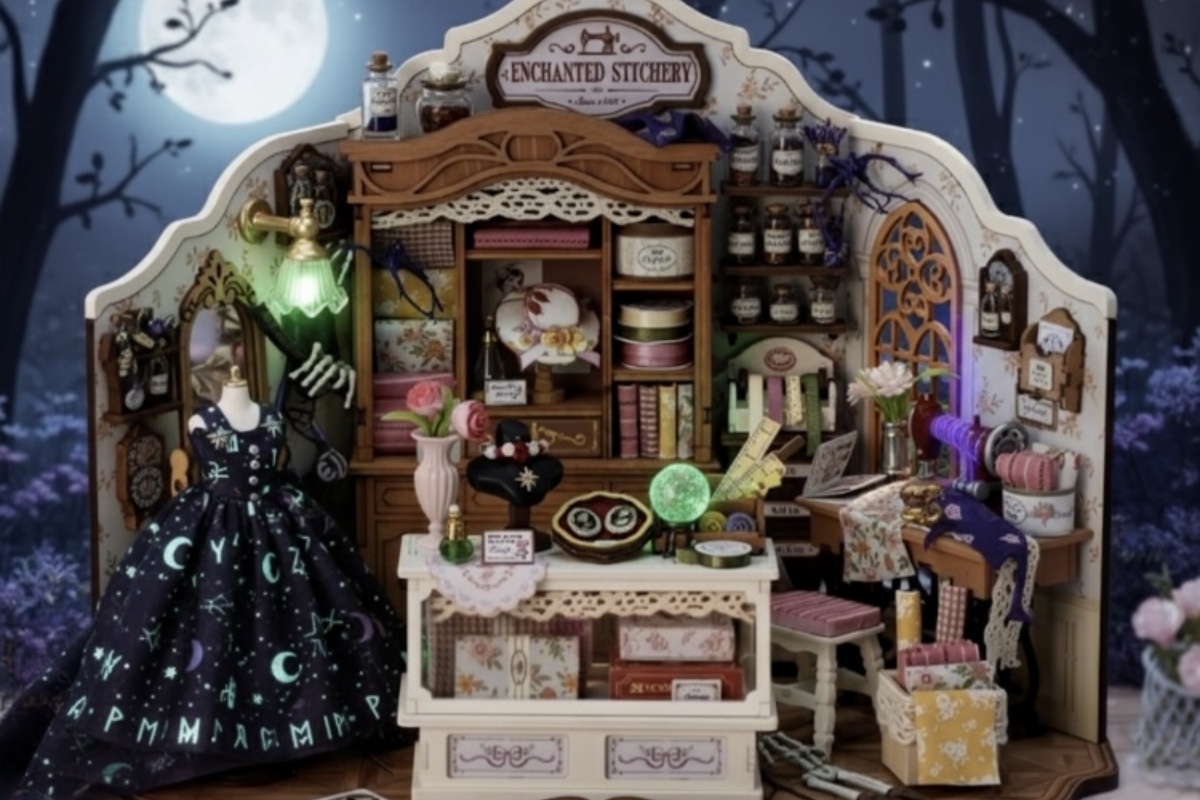
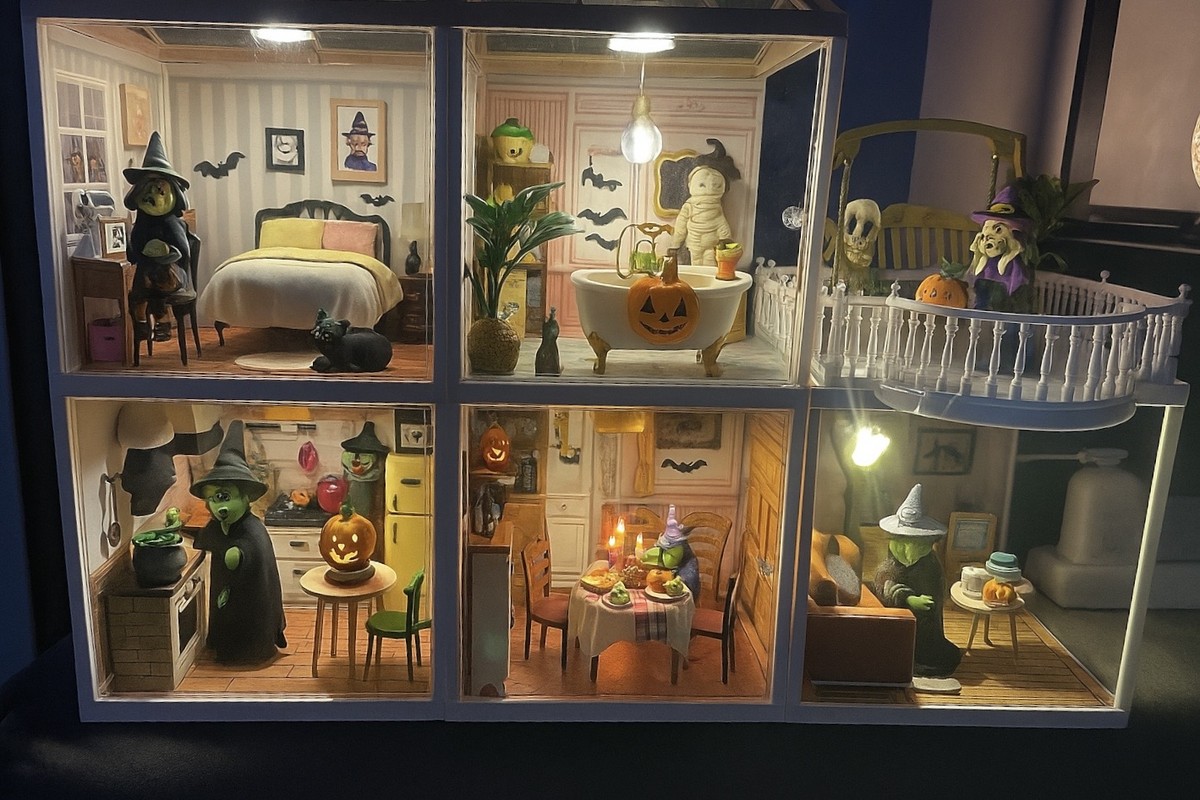
That’s why so many people choose miniature houses, book nooks, or mechanical models as more than hobbies—they become personal keepsakes.