
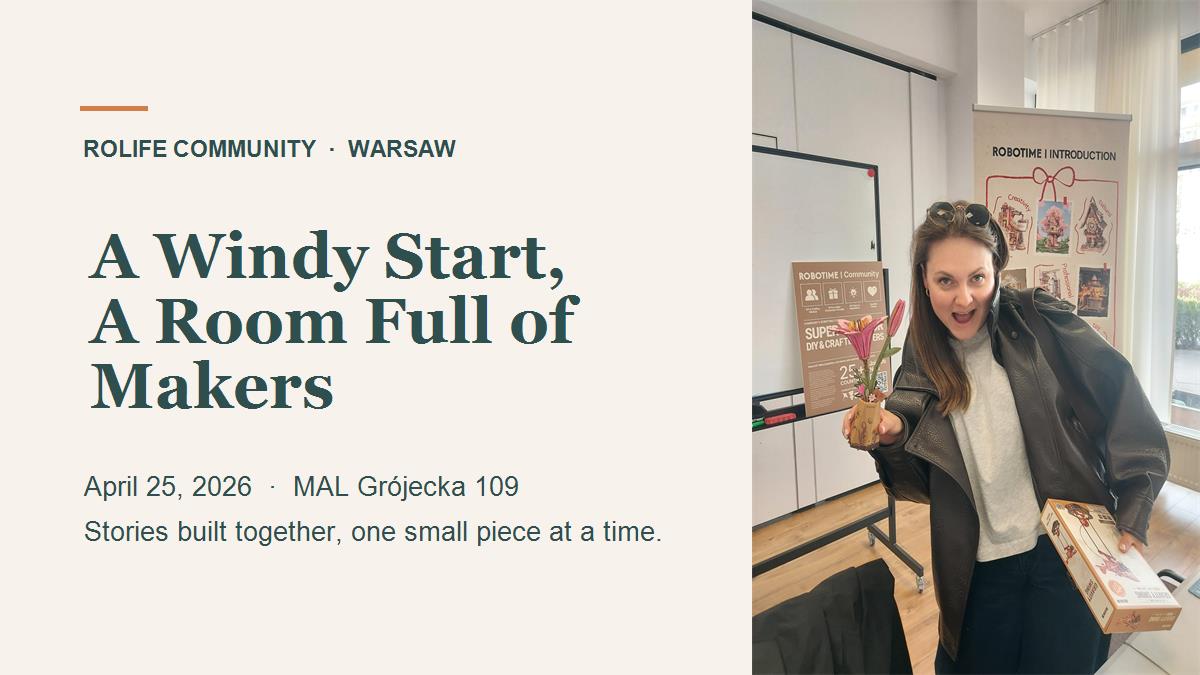
Wind pressed against the windows at MAL Grójecka 109, and the morning began with the kind of uncertainty every first-time host knows: would anyone make it through the weather? In Warsaw, Agnieszka Sosnówka had prepared tools and kits for a roomful of builders. Then the venue opened late, setup time shrank, and two early arrivals stepped in to help. Before long, the delay had become part of the story: people who had come to make things were already making the gathering work together.
At a glance
Warsaw, Poland · April 25, 2026
MAL Grójecka 109
Hosted by Agnieszka Sosnówka
16 attendees, according to the event tracker

A beginning shaped by helping hands
Agnieszka had reason to feel nervous. Several people had cancelled, each for a different reason. One person had been in a car accident, though everyone was safe; another had a sick child at home; a third was called in to work. On a windy day, with the room still unavailable, it was easy to imagine the plans unravelling. Instead, two friends helped her get ready, and two participants who arrived on time joined in. One had travelled from Spain. The venue’s late opening left little time to arrange the space, so those extra hands mattered.
The early teamwork set a tone before the first kit was opened. This would not be a polished demonstration with an audience waiting to be entertained. People were already contributing, asking what needed doing, and making room for one another. With participants helping rather than standing by, the gathering could begin in a human way even though the schedule had been squeezed. The scramble became part of the shared memory, not something hidden behind a perfect-looking recap.
Introductions found their own way
Agnieszka had prepared a company and product introduction, and, as she later joked, got so carried away with it that she forgot to introduce herself until halfway through. That small detour loosened the room. Once everyone had heard about the kits and displays, the host’s own introduction felt less like a formal opening and more like another conversation around the table. The event did not need a flawless script to find its footing.
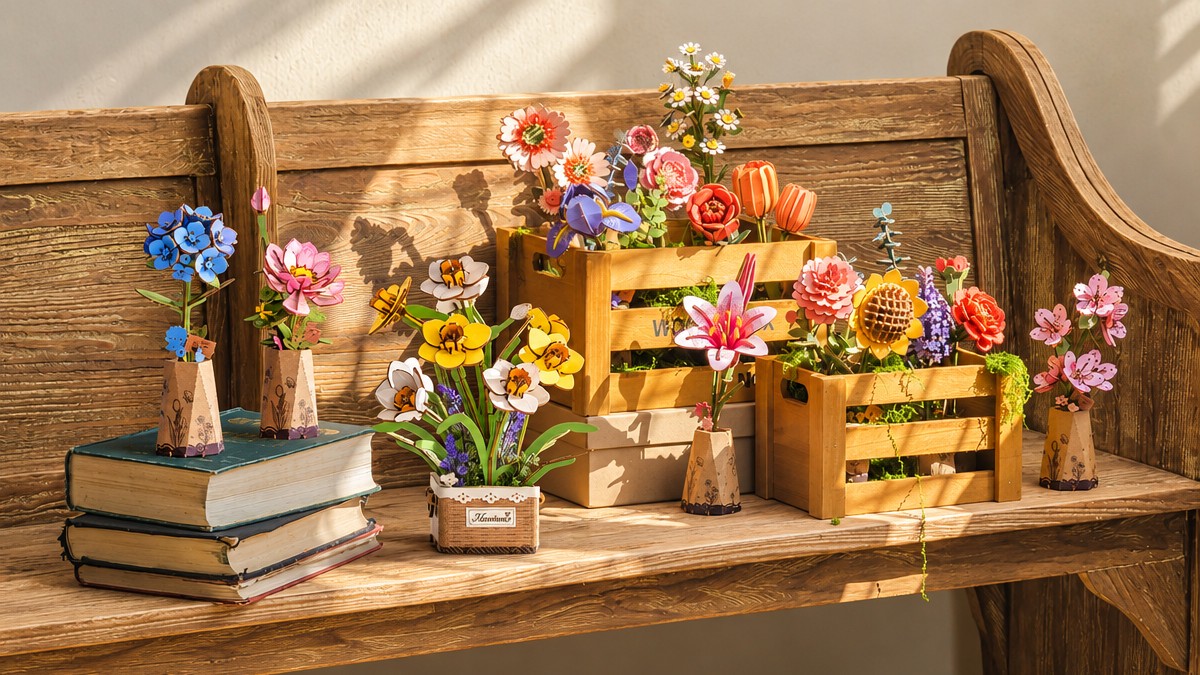
Many attendees were new to the hobby. They focused on their kits, asked questions, and looked for guidance as they worked through unfamiliar steps. Agnieszka had prepared a toolkit for each participant, so tools were ready when building began. She also recommended glue from the Rolife Community toolkit, a practical suggestion participants appreciated. For a first-time builder, a kit can raise a string of small questions: which piece comes next, how firmly should it fit, and when is patience better than force? The meetup gave those questions a place to be asked aloud. Participants could compare what they were seeing, ask Agnieszka for help, and return to their own work without needing to keep pace with someone else.
Miniature worlds drew people in
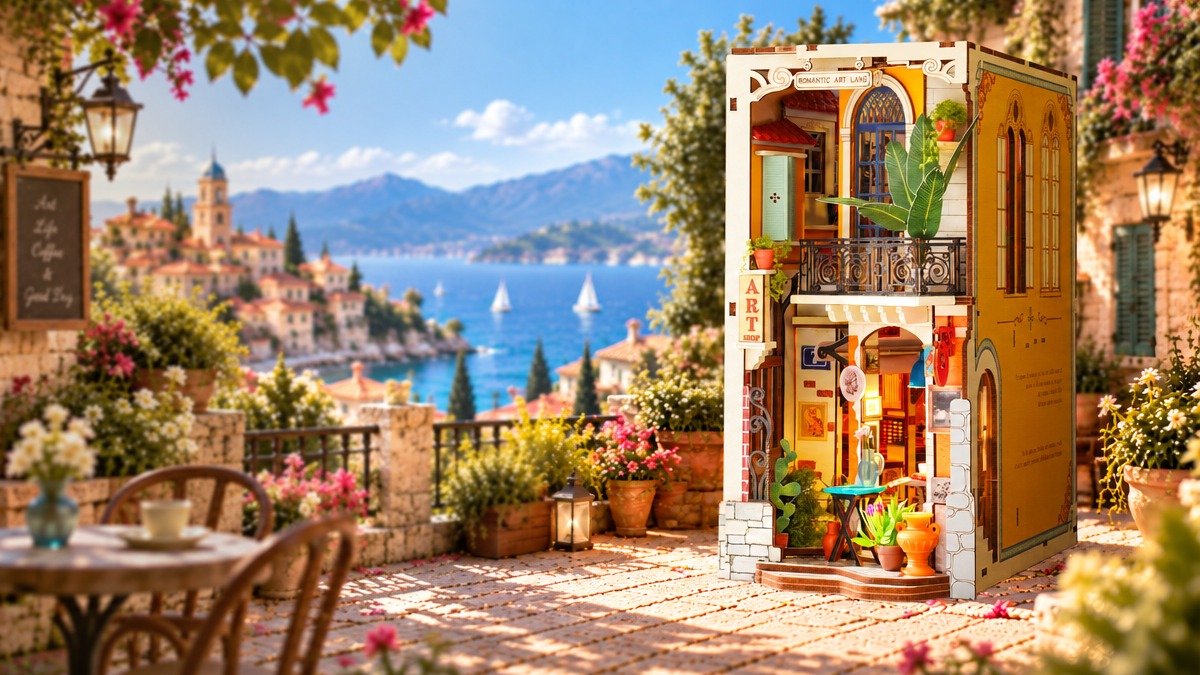
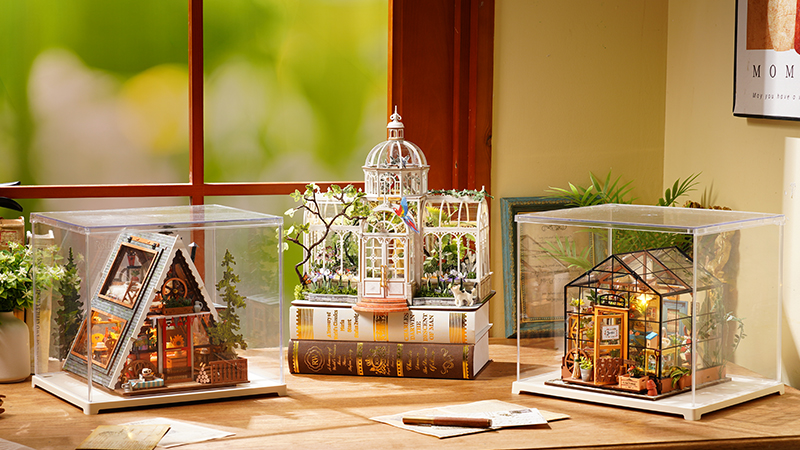
The display models offered a second invitation. Agnieszka brought the ROKR Parallel World Marble Run and the Magic Fantasy Corner Book Nook, and both drew attention. Participants could pause their builds, look more closely at the finished examples, and ask about the details that had caught their eye. The room found a natural rhythm: a stretch of careful assembly, a break to explore the display, then another round of conversation and building. A finished marble run or book nook showed what a patient build could become; the pieces on the table showed the work still taking shape.
The snack bar found its audience too. It gave people an easy reason to step back, chat, and return to their projects without feeling every minute had to be spent assembling. In a room where some builders were meeting the craft for the first time, those pauses were part of the experience rather than interruptions. The models and the kits made different kinds of conversation possible, and people could move between the two, letting curiosity about a display lead back to the project in their hands.
A young visitor joined the table
One memorable exchange began outside the room. A mother and daughter had been watching the activity curiously through the windows. Agnieszka invited the daughter to join, and the young visitor helped build before leaving with her mother ahead of the end. She even posed for a photo. It was a small moment, but it captured something the host hoped to create: a gathering open enough that curiosity could turn into participation.
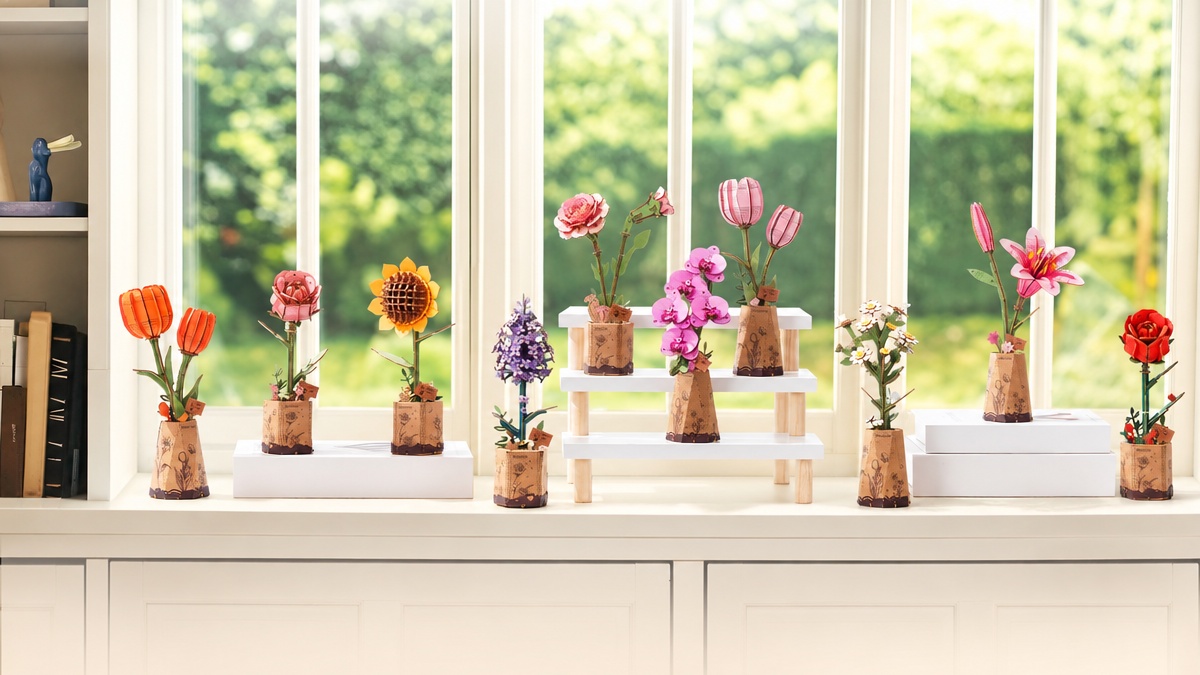
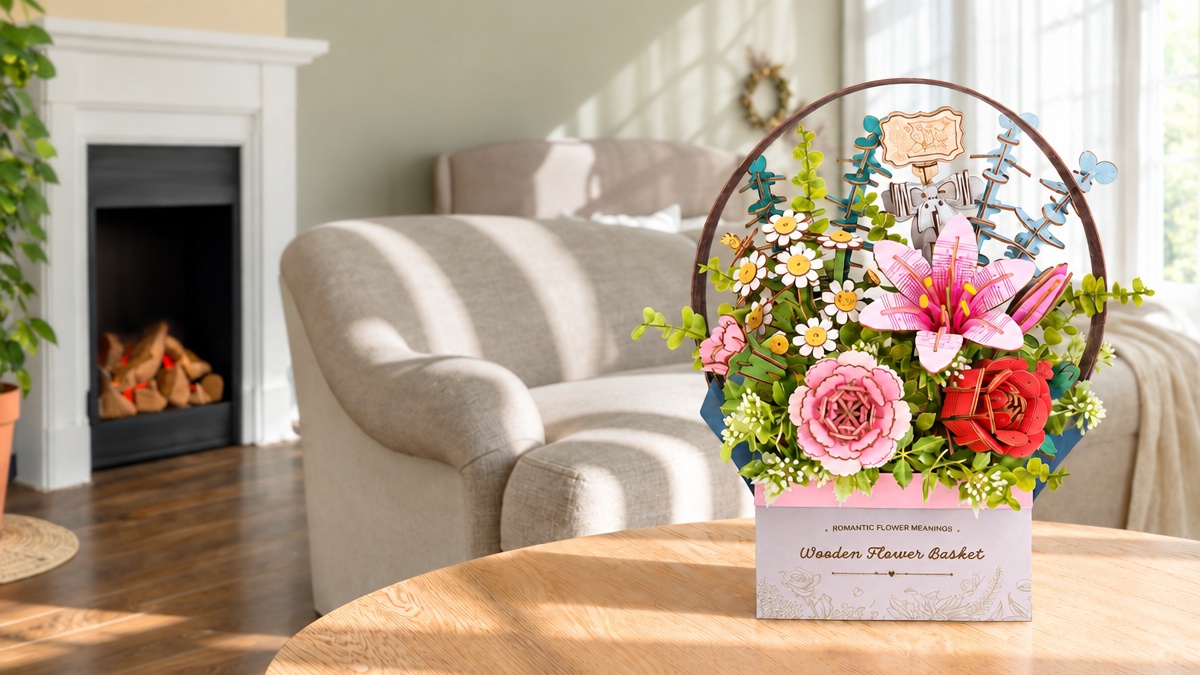
Across the tables, people’s progress looked different. Some completed flower pieces in about an hour; another builder had finished only three pieces from a different set. The kits called for different amounts of time and attention, and no single pace defined a successful afternoon. A few assembly problems needed emergency gluing, while participants stayed focused and helped one another through tricky steps. A quick win with one kit and a slower, more demanding build could happen in the same room at once. Builders could enjoy what they had finished and still have a good reason to keep going after the meetup ended.
Three hours, many kinds of progress
After three hours, some models were complete and others remained works in progress. That mix was an honest snapshot of hands-on making. A miniature build can ask for patience, especially when someone is learning the materials and techniques for the first time. Conversations continued alongside the work, and the room held both the satisfaction of finished pieces and the promise of projects still to come.
In the community discussion afterward, readers praised the gathering and noticed the behind-the-scenes effort and the hiccups that came with it. Agnieszka’s reflection was specific: next time, she would choose kits with more similar difficulty, allow more time for setup, check the venue schedule more carefully, and bring a dedicated photographer. Each lesson came from a real constraint in Warsaw. Comparable kits could make the shared activity feel more even; extra setup time could protect the opening from a late start; a dedicated photographer could let the host focus more fully on welcoming people and answering questions. Her recap did not pretend everything had gone to plan. It showed how a host can carry the good parts forward and adjust what proved difficult.
What the afternoon left behind
The Warsaw gathering began with cancellations, weather, and a delayed room opening. It carried on because friends and participants helped set up, because questions were welcome, and because there was room for different levels of progress. Finished models mattered, but so did pauses to inspect a marble run, share a snack, or invite a curious visitor to try a few pieces. For Agnieszka, the afternoon offered both a first-host story and a practical blueprint for the next one. For the builders, it made space to try something new alongside people who understood the pleasure—and occasional challenge—of bringing a miniature world together piece by piece. Read Agnieszka’s full community recap, or explore more stories in the DIY Crafting Club.