
Valentine’s Day is often celebrated with familiar rituals—flowers, chocolates, and a romantic dinner out. While these gestures are meaningful, psychology suggests that shared experiences tend to create deeper emotional connections than passive activities.
Crafting together offers couples a different way to celebrate. Beyond the enjoyment of making something by hand, DIY activities provide measurable psychological benefits: they encourage communication, reduce stress, and help couples build lasting emotional memories. Creating something side by side is not just a creative choice—it is a meaningful way to strengthen a relationship.
Choosing a Project You’ll Both Enjoy

Some couples may enjoy candle-making for a cozy Valentine’s evening, while others might prefer creating a scrapbook filled with shared memories, painting a canvas together, or crafting personalized home décor. What matters most is that the project invites collaboration and shared decision-making.
The act of choosing and committing to a project together already begins to activate a sense of partnership—this is something we are doing together.
Shared Effort and Emotional Bonding
One of the strongest psychological benefits of crafting together is the way shared effort increases emotional connection. Research in behavioral psychology suggests that people tend to value experiences more when effort is involved, especially when that effort is shared.
During a DIY project, couples naturally communicate—discussing ideas, solving small problems, and making decisions together. These interactions reinforce trust and cooperation. Over time, this creates a subtle but powerful shift from “you and me” to “we,” strengthening the emotional foundation of the relationship.
In a world dominated by screens and digital distractions, crafting also creates rare moments of focused, uninterrupted connection. Couples talk, laugh, concentrate quietly, and experience the satisfaction of completing something together.
Why Creating Together Reduces Stress
Valentine’s Day often falls on a busy workday, and stress can easily carry into the evening. Creative activities offer a gentle way to transition out of that tension.
Psychologically, hands-on crafting has been shown to reduce levels of cortisol, the hormone associated with stress. At the same time, working toward a shared goal can stimulate dopamine release, supporting positive mood and emotional balance.
For couples, this combination is especially meaningful. Lower stress and shared positive emotions create a calmer, more supportive atmosphere—one that allows connection to grow naturally rather than through forced romance.
Creativity, Focus, and Mental Well-Being
Crafting together encourages presence and focus. When couples concentrate on assembling, painting, or building, everyday worries temporarily fade into the background. This focused state—often referred to as “flow”—helps quiet mental noise and supports emotional well-being.
Creative problem-solving also strengthens cognitive engagement. Couples face small challenges together, adapt, and learn from the process. These moments build confidence, self-esteem, and mutual appreciation.
Completing a project brings a shared sense of achievement. Whether it’s celebrating with a homemade dinner or simply admiring the finished piece, the experience becomes something to cherish together.
Shared Creativity and Long-Lasting Memories
Creativity thrives when ideas are exchanged. Crafting as a couple allows partners to learn from each other, experiment freely, and accept imperfections as part of the process. Mistakes become part of the story rather than something to avoid.
Unlike a single dinner or gift, a completed DIY project becomes a tangible reminder of time spent together. Each time it is seen or used, it recalls the laughter, conversations, and quiet moments shared during its creation.
These emotional memories tend to last longer because they are tied to both effort and meaning.
Why DIY Projects from Rolife Are Ideal for Couples
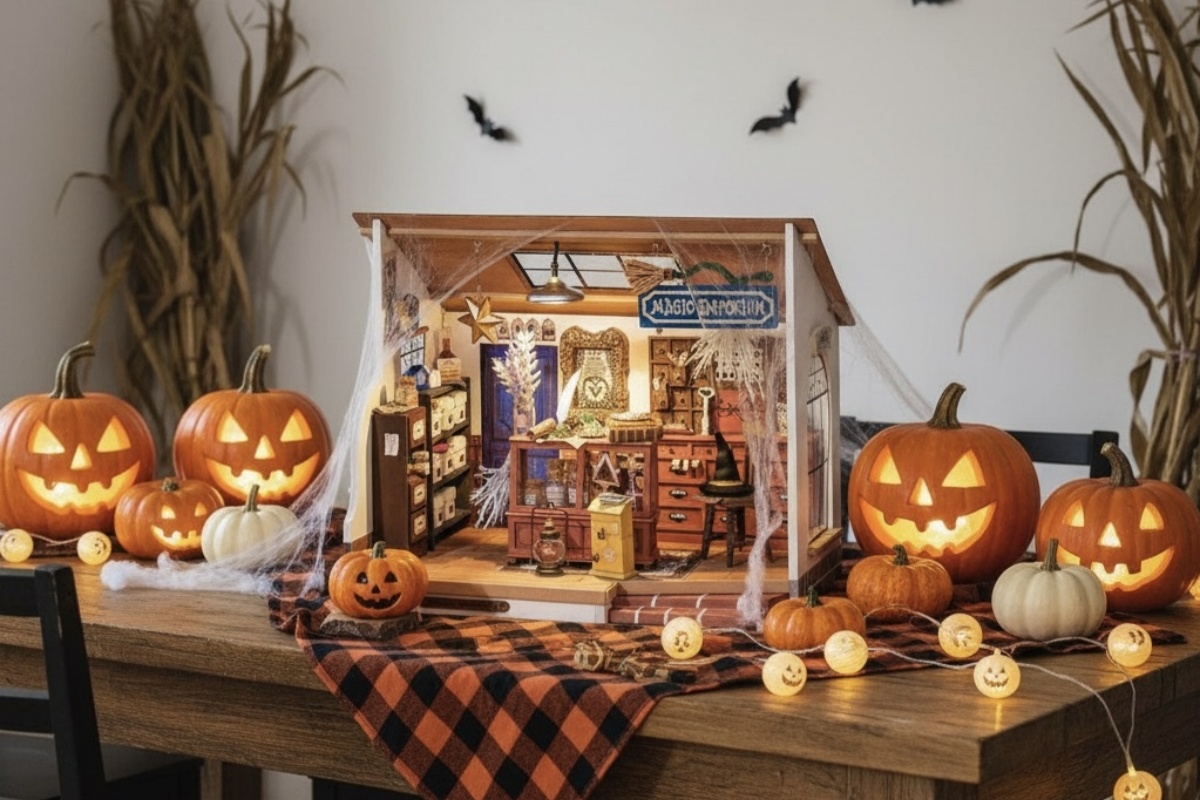
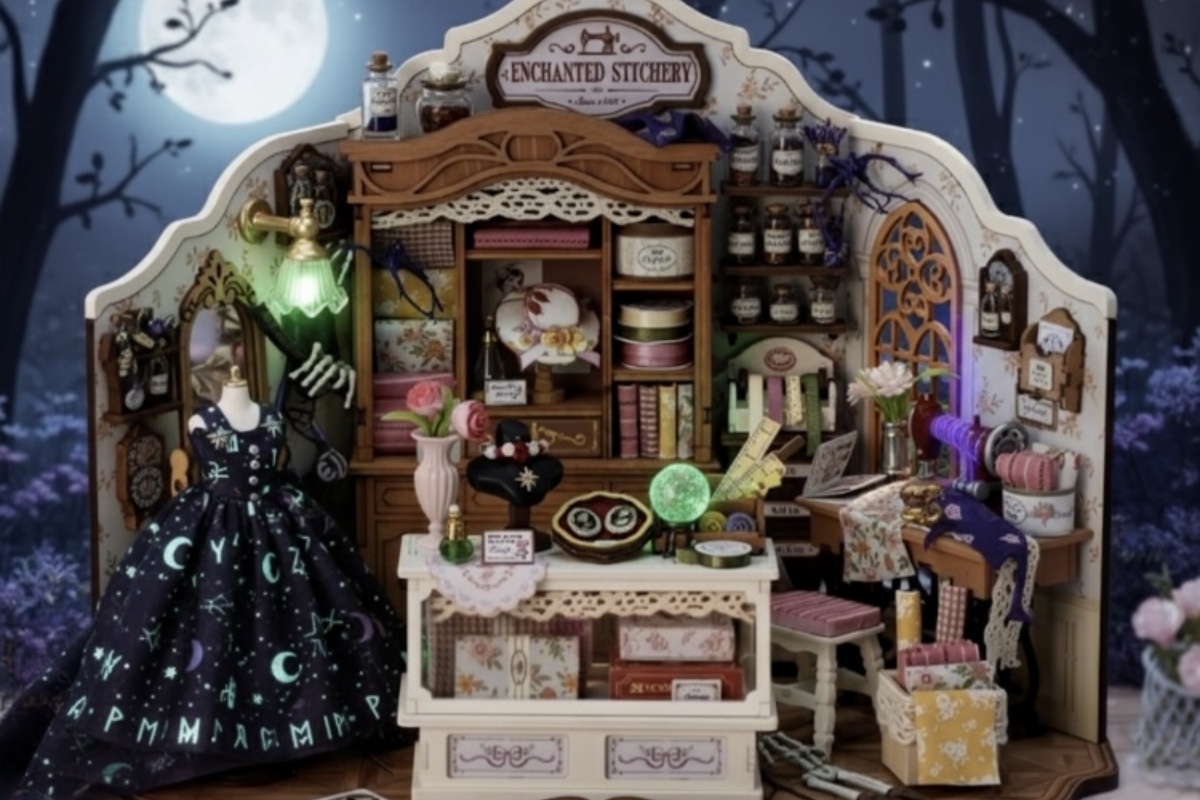
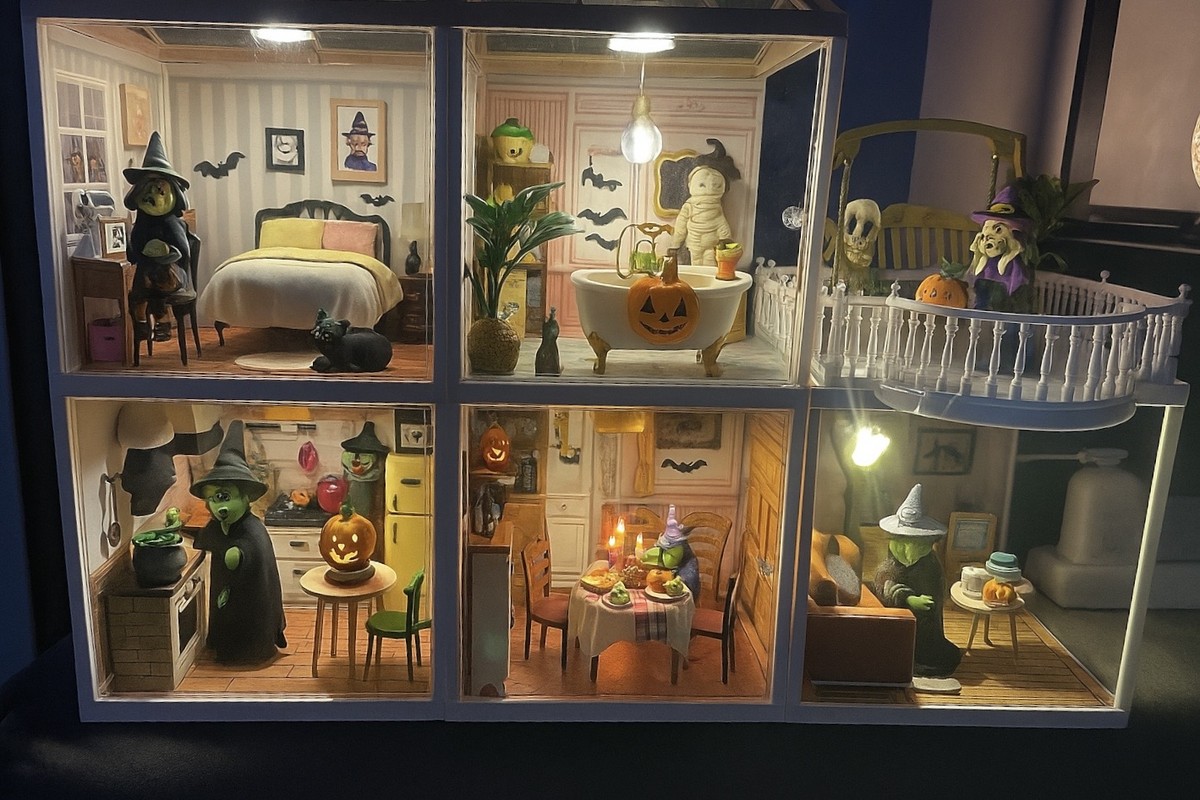
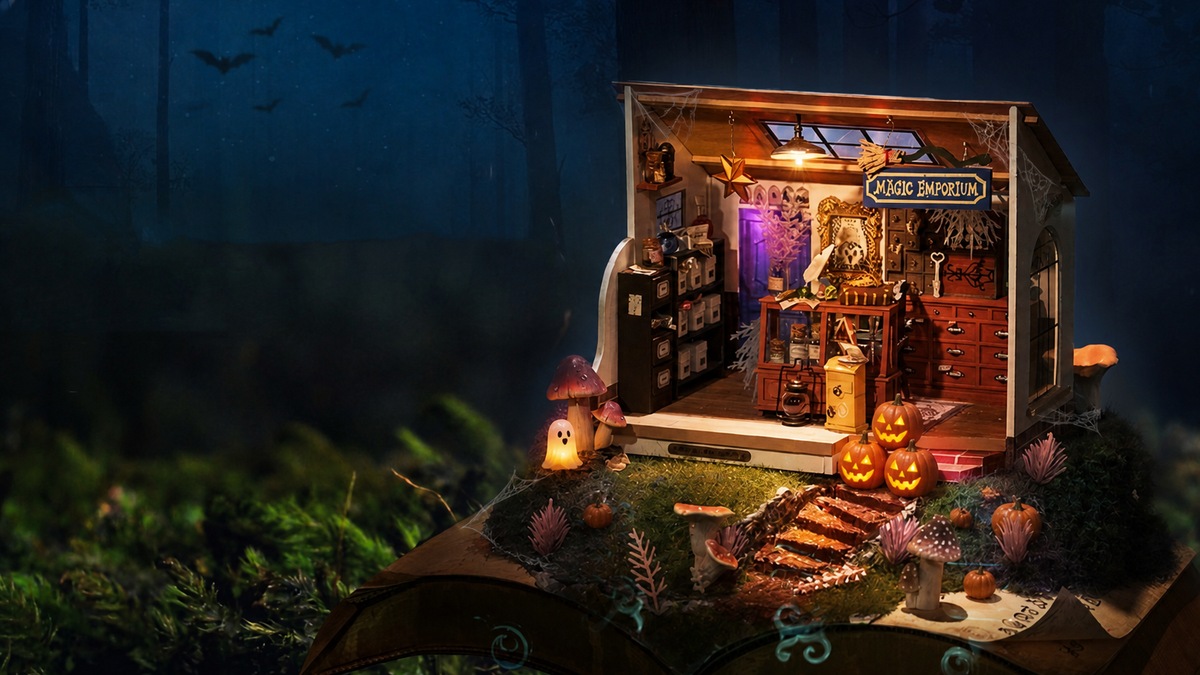
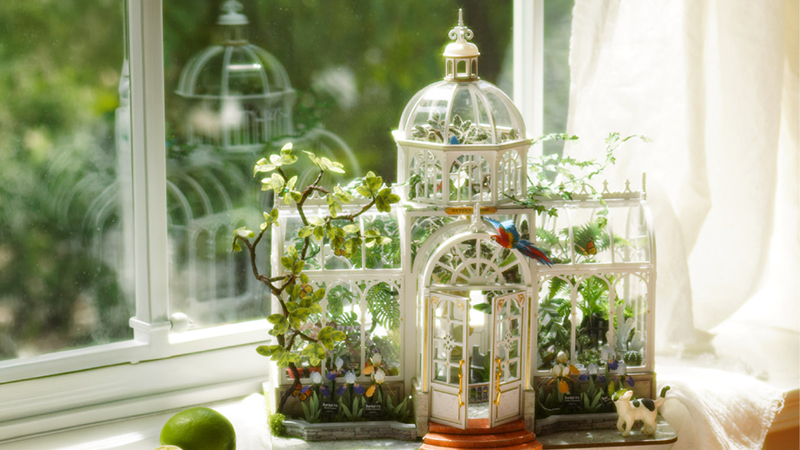
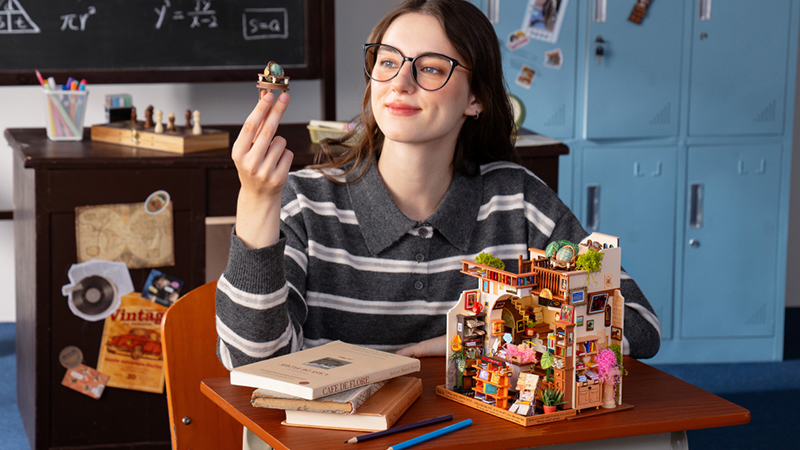
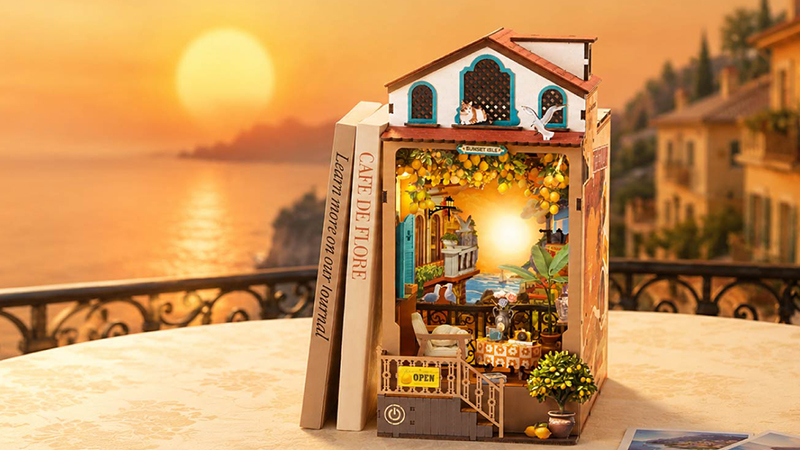
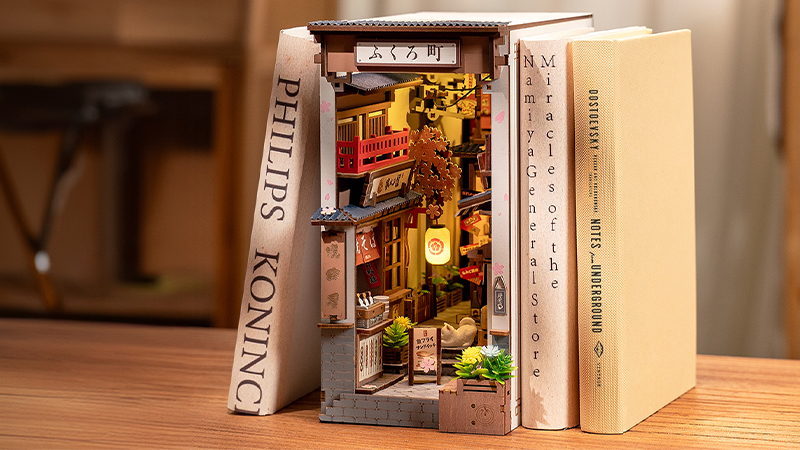
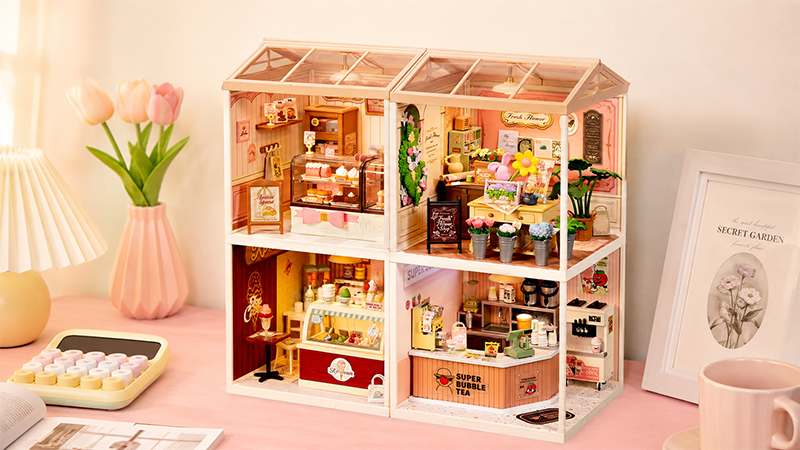
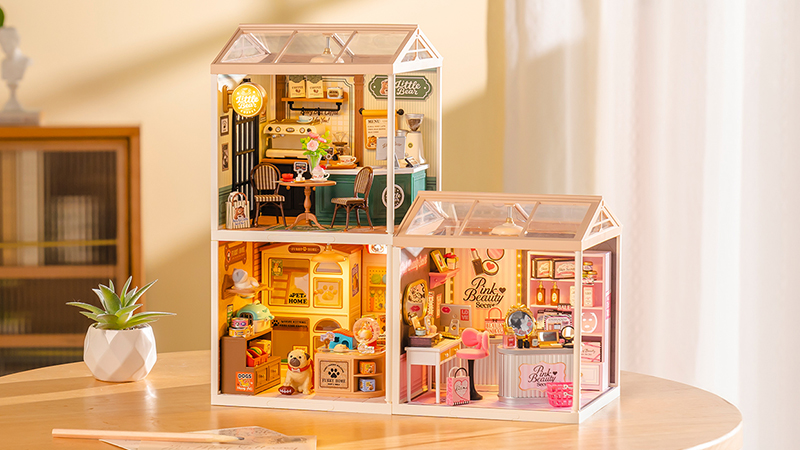
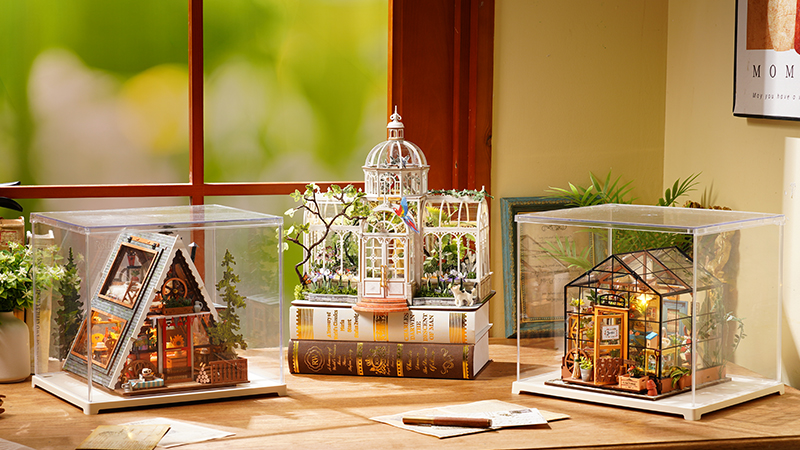
DIY projects designed for shared experiences naturally align with these psychological benefits. Rolife’s miniature houses, book nooks, and creative DIY kits are crafted to offer immersive, hands-on building experiences that invite cooperation and focus.
With clear visual progress, thoughtful design, and a rewarding sense of completion, these projects encourage couples to slow down, create together, and enjoy the process as much as the result.
Final Thoughts
Crafting together offers more than a creative alternative to traditional Valentine’s Day plans. It provides couples with quality time, emotional connection, and a shared sense of accomplishment.
Sometimes, love grows not through grand gestures, but through quiet moments—spent building something side by side.