

Quick Answer
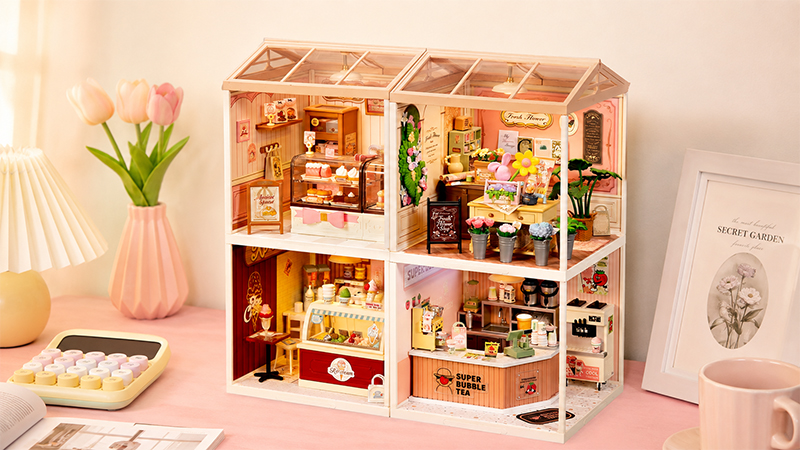
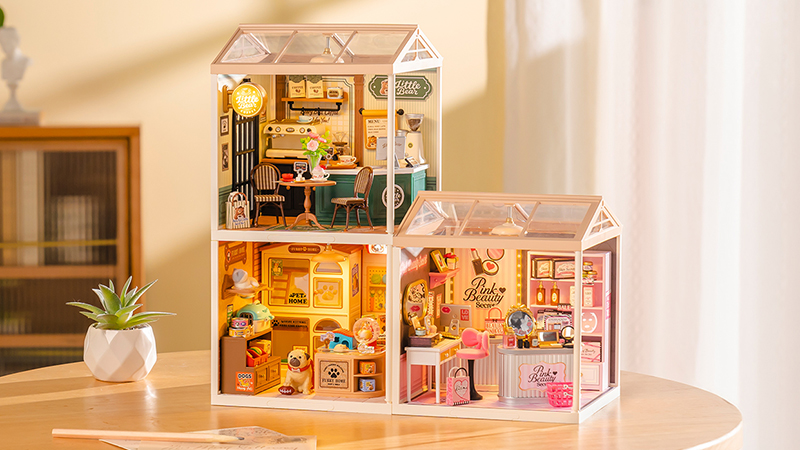
Start with a scene you would love to step into: a cozy home, a quiet café, or a little dessert shop. These official Rolife styling examples show how furniture placement, color, and everyday details can give the same two-story frame a different personality. Choose the main furniture first, then add smaller pieces around the story you want to tell.
Styling note: The images are for styling inspiration only. Not all furniture, accessories, and decorative items shown are necessarily included with the frame or set you purchase. Please refer to the individual products in the Fun Pieces collection and the accessories listed in the Fun Pieces virtual building tool.
A bed beneath the sloping roof suggests a slow morning. A coffee counter downstairs turns the same space into somewhere to stop for a drink. With Rolife Fun Pieces Joyful Moment FPA18006, a useful starting point is deciding what happens on each floor.

How can you style a cozy miniature home?

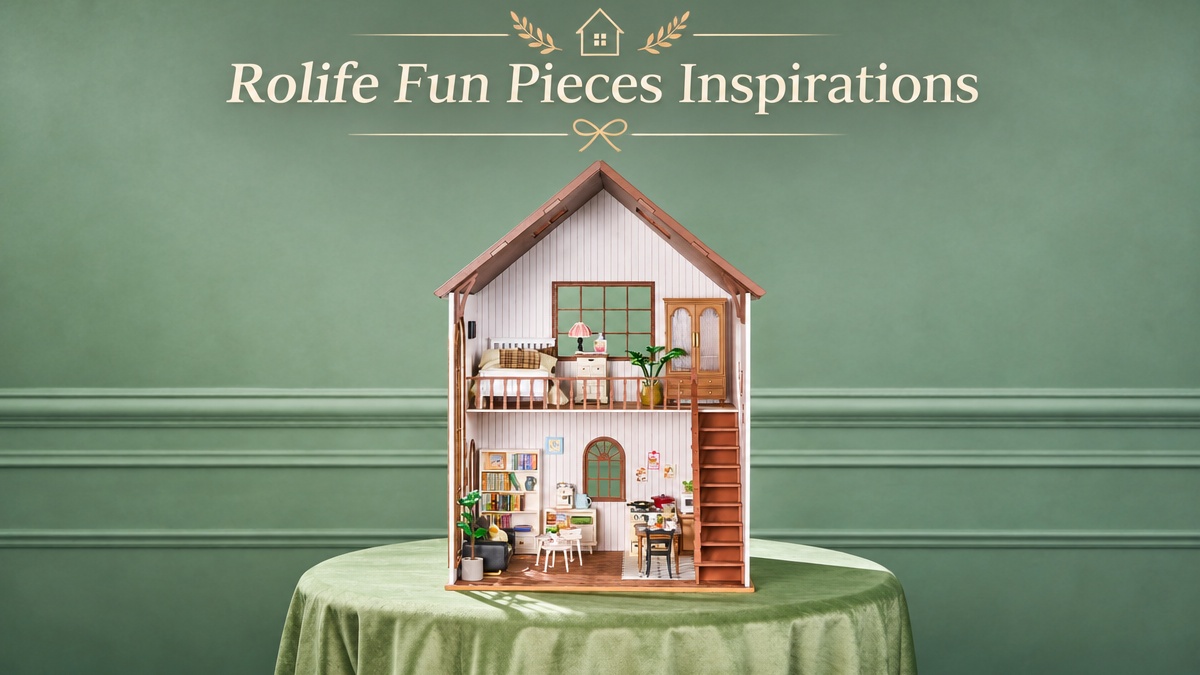
The home arrangement uses the upper floor as a bedroom, with a white bed on the left, a narrow drawer unit near the window, and a tall warm-brown cabinet on the right. Cream bedding and checked cushions soften the white walls, while a pink-shaded lamp adds a small touch of color.
Place the largest pieces toward the sides so the central window remains visible. A plant between the smaller drawer unit and the taller cabinet helps connect their different heights. Leave a little floor visible beside the bed so its shape remains easy to see.
Downstairs, the bookcase and dark armchair form a reading corner on the left, while the cooker and dining table create a kitchen area on the right. The contrasting floor pattern beneath the dining area separates the two zones without adding a wall. Books, cups, and miniature food give each area a purpose.
Try this first: arrange the bed upstairs and a chair beside a bookcase downstairs. Add a cup or a small stack of books after those larger pieces feel balanced.
How can you turn the frame into a miniature café?

The café arrangement makes the lower floor feel like a small neighborhood coffee stop. A tall coffee cabinet sits at the back left, with a counter near the front and a yellow refrigerator beside the staircase. The cabinet provides height; the lower counter lets the details behind it remain visible.
Give coffee-related pieces a clear place to belong. Cups can sit near the serving area, while coffee packages and a miniature coffee machine can be grouped on the cabinet. A small menu board near the front suggests an entrance without needing another large piece of furniture.
Upstairs, a green armchair, a small round table, books, and plants create a quieter place to linger. The white table keeps the center visually light, and the brown storage pieces echo the frame’s warm trim. A flower vase suggests someone has prepared a favorite seat by the window.
Try this first: build the scene around one counter and one upstairs chair. Keep the stair landing clear, then add cups, books, and greenery.
How can you give a dessert shop its own character?

In the dessert-shop arrangement, the blue display counter draws attention immediately. The cream cabinet behind it gives miniature cakes and packaged treats a backdrop, while the yellow refrigerator adds another cheerful color near the stairs.
Keep larger surfaces fairly simple when the treats themselves are colorful. Group pastries inside the display and choose just a few items for its top. This gives the viewer somewhere to look first and makes the small details easier to appreciate.
The upper floor becomes a lounge, with a black sofa beneath the window and plants on either side. Shelves of baked goods carry the shop theme upstairs. The darker sofa gives the eye a place to rest among the pastel accents and tiny packages.
Try this first: choose one colorful counter as the main feature. Repeat a small accent color elsewhere, such as pink in a bag and a dessert, instead of introducing a new color with every accessory.
Can you combine a bedroom with a café inspired lower floor?

Another official styling image keeps the bedroom upstairs while arranging a curved counter, stools, flowers, and miniature appliances below. It suggests a home with a favorite downstairs coffee spot and offers a way to experiment with a smaller selection of furniture.
Keep one floor as it is and change the other around a new focal piece. Move a plant, a stool, or a small decoration to connect the spaces. You do not need to recreate every detail of an inspiration photo to make the scene feel complete.
What makes a miniature arrangement feel balanced?
Place large furniture before small accessories. Test the bed, cabinet, sofa, or counter first; these determine how much space remains. Check the view from the front and from a slight angle before adding tiny objects.
Keep windows and the staircase readable. Their shapes give this frame much of its character. Avoid hiding every opening behind tall furniture or filling the stair landing with decorations.
Use accessories to suggest an activity. A cup beside a chair suggests a reading break. A plate on a table suggests breakfast. A pastry bag by the counter suggests a customer is about to leave. A few connected details can tell a clear story.
Repeat colors across the floors. Cream furniture and brown finishes work with the pale walls and warm trim. Carry a little green, yellow, or pink between the levels to help the rooms feel related.
Begin with the pieces you have. Look for similar shapes in your collection, and check the height, depth, and proportions of additional furniture before buying. Pieces from different ranges may not fit or look consistent together.
Frequently asked questions
Are all the pictured accessories included?
The images are for styling inspiration only. Not all furniture, accessories, and decorative items shown are necessarily included with the frame or set you purchase. Please refer to the individual products in the Fun Pieces collection and the accessories listed in the Fun Pieces virtual building tool.
Do I need every piece to recreate the mood?
No. Focus on the defining arrangement: a bed and reading corner for a home, a counter and seating for a café, or a pastry display for a dessert shop. Add details gradually.
Where should I start if I cannot decide on a theme?
Choose the piece you most want to display and give it a clear role. A favorite armchair can begin a reading room; a counter can begin a shop. Build the surrounding scene from there.
Choose one floor, place its main piece, and look at the scene before adding anything else. Once that corner feels inviting, the next detail is usually easier to choose.
Plan your next arrangement with the accessories in the Fun Pieces virtual building tool, then check the specific product details in the Fun Pieces collection.