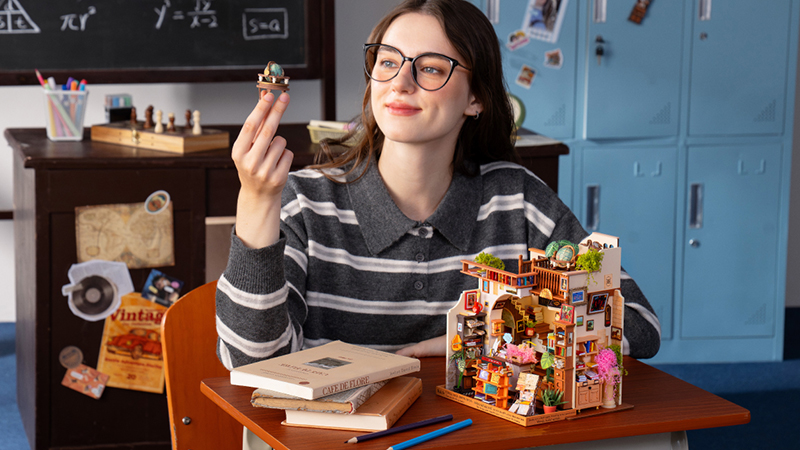
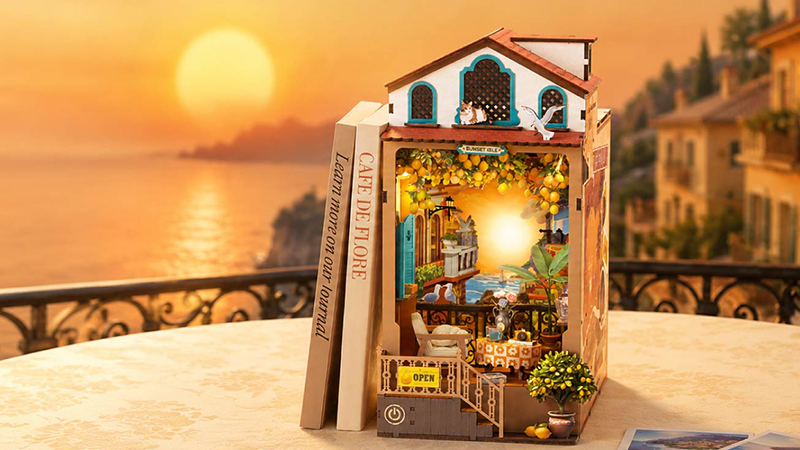
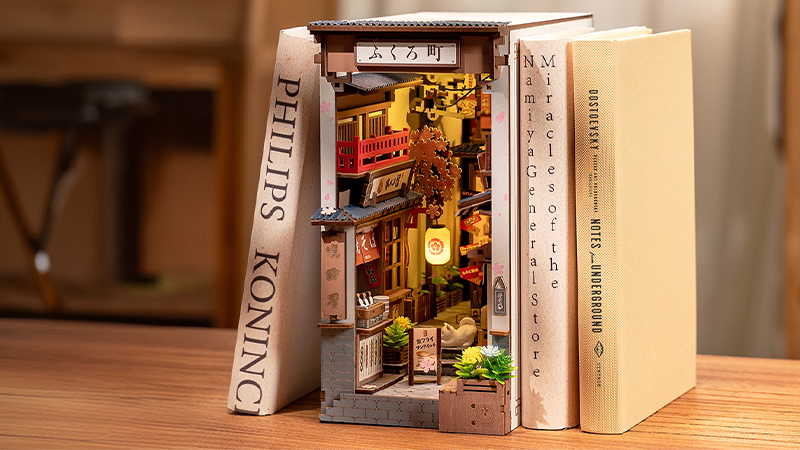
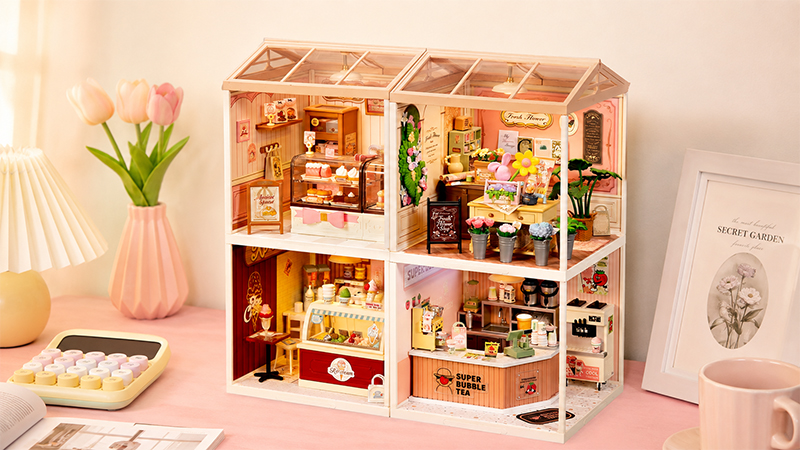
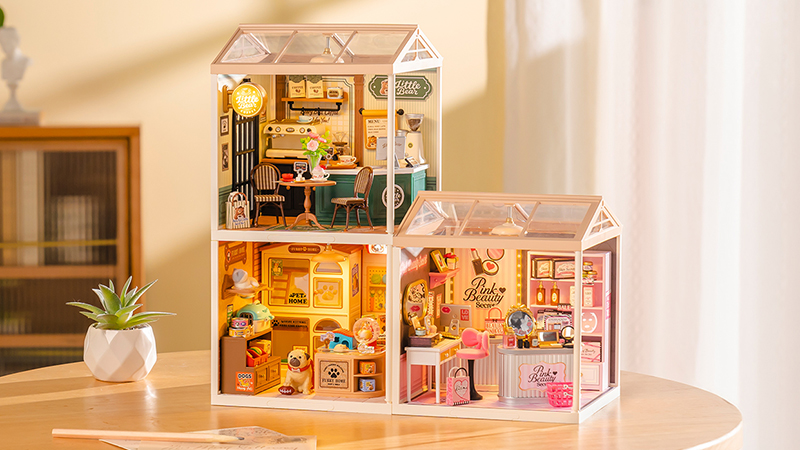
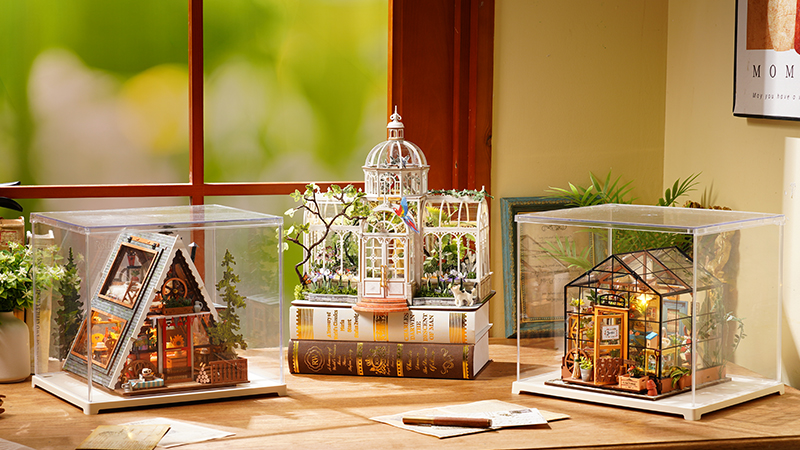
You have found the ideal kit. Little shelving units, a tiny glimmering window, a view that appears to have jumped right out of a storybook. You package it all up and give it to them and see that glint in their eye. Excitement? Or the glint of someone who's just been handed a job?
But it need not be that way. A DIY craft kit can be one of the most wonderful gifts you will ever give as long as you give it to them as an invitation rather than a task. This article outlines how you can achieve that:
Why a Thoughtful DIY Gift Can Sometimes Feel Overwhelming
A craft kit isn't a scented candle. You can't just receive it; you have to do something with it. That's the whole charm, and it's also the catch.
When someone opens a box full of small parts, a few worries tend to show up fast:
- Time: A proper construction process can last all day or even a couple of evenings. Not everyone will be able to figure out where the time would come from.
- Mistakes: Small parts look fragile. People fear making mistakes with gluing the right piece or understanding a certain step.
- Obligation: If you gave it, they may feel they owe you a finished model, and maybe a photo.
That is why sometimes beautiful kits can end up sitting on the shelf, unopened. It is usually not because the person doesn’t like the present. Rather, they like it so much that they fear screwing it up, or they just haven’t had a chance to do so on a quiet weekend yet.
The difference between enthusiasm and pressure can be enormous. Whereas the former declares, “I thought about you, and I am sure you will like it,” the latter says, “I’ll keep track of how you are doing.” Same gift!
Choose Based on Interest, Not Just Difficulty
Skill labels are useful, but they only tell half the story. A beginner-friendly kit in a theme the person doesn't care about will feel like a chore. A trickier one in a theme they adore might get opened the same night.
Start with what they already love:
- Hobbies: Do they collect miniatures, love cozy cafés, enjoy gardening, or spend hours reading? A bookshop-themed nook or garden scene may be a natural fit.
- Time: A busy person with packed weeks will need a different set than someone who has more time for leisurely weekend projects.
- Style of fun: Some people love to figure things out. Others find the slow, relaxing experience more appealing. Consider which experience your recipient would enjoy.
Do not assume everyone wants a challenge. Many people simply wish to enjoy their evenings without being tested on a personal level. Choose a project that feels inviting rather than overwhelming. The modest build which is completed and enjoyed is better than the grand build that silently creates guilt.
Make the First Step Feel Easy
The first few steps can shape how someone feels about starting a new craft project. If opening the box feels like a hurdle, the box tends to stay closed.
- Check what's included: Before you purchase your kit, check the product page for required tools, glue, batteries, or other supplies. Not every kit needs the same extras. If something is required but not included, consider adding it to the gift.
- Explain how it works: After you've taken a quick look at the manual yourself, you may say, "It goes step-by-step, and you can stop whenever you want." Knowing what to expect can make the first build feel less intimidating.
- Add a friendly note: Keep it warm and light, with no expectations attached. We've got examples further down.
Offer to Build Together, but Leave the Choice to Them
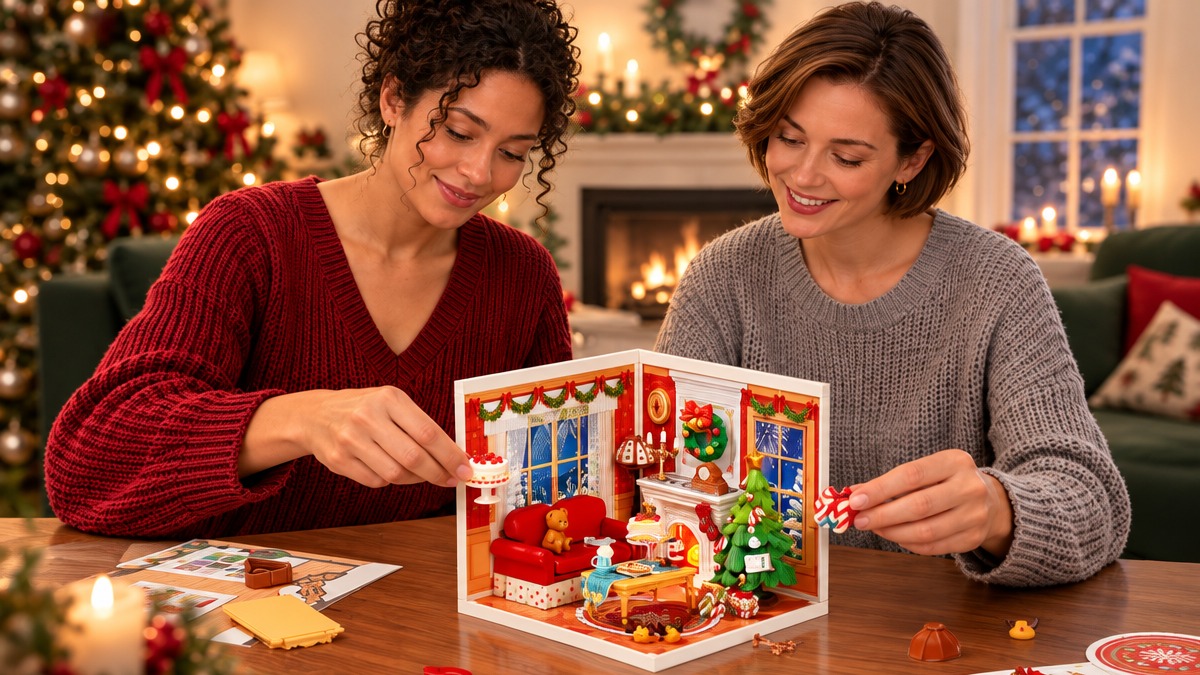
Building together can be really beautiful. Two people, one table, some tea. However, it can only work when it’s offered. It becomes a burden once it becomes a demand.
Something like: “If you'd ever like some company while building, I'd love to join you. If you prefer to do it alone, that's great too.” Let that go.
People do things differently, and that’s okay. Some prefer quiet time with a podcast. Others like to build in bits and pieces. Some like to have a whole day available. That's their flow, not yours.
Let Them Start Whenever They're Ready
A gift doesn't come with a due date. Don't pester them about whether they've completed it. Even well-meaning reminders can come off like deadlines. If they're interested in updating you on their progress, they will, and you'll even be getting updates via pictures without asking for it.
- Don't ask repeatedly: Once is enough. Asking for updates once a month is not.
- Follow their lead: If they choose to talk about it, ask about the enjoyable aspects of it, such as what they're building or what caught them off guard.
- Be relaxed even if it takes time: A kit which remains on the shelf for some time is not necessarily a failed present.
A Real Rolife Maker Story: Starting a Gifted Kit a Year Later
At Christmas 2024, Rolife Community member Sandi_Herrmann received the Holiday Garden House TGB06 as a Christmas present. Sandi is not new to crafting. Her experience includes working with paper crafts, greeting cards, and then learning Cricut projects and junk journaling. However, the complexity of the kit was intimidating, and she kept it unopened for almost a year.
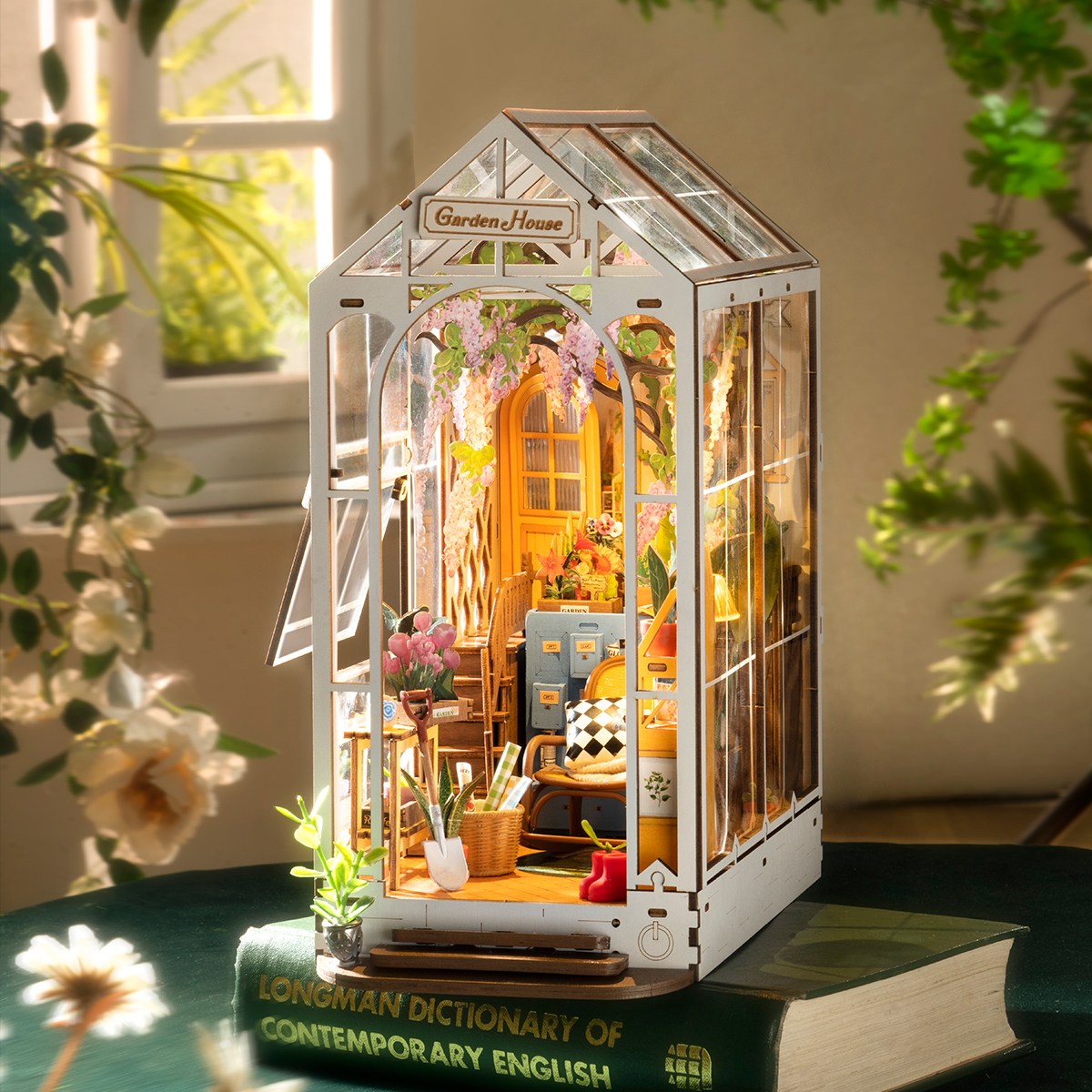
At last, this was going to be her first experience of the garden house journey. The very feature which had worried her seemed completely transformed when she came back to it. In her words, "I immediately felt I had found the personal challenge I was looking for."
The build was not perfect, and she does not hide that fact. Some parts of the house were broken and repaired using craft glue. Hanging flowers needed more than one attempt. Also, she learned to check whether all parts of the kit are present and the electrical parts are functioning before going any further. By June 2026, she had completed five kits since December 2025 and began her sixth.
This is what we get from it. Two people can react to the same kit completely differently. Some makers start building the day they receive a kit. Sandi, on the other hand, waited until her curiosity outweighed her fear. Both approaches are absolutely legitimate, and the gift did not fail on the first day.
Read Sandi’s full story: Sandi’s original Rolife Community post.
What to Write in a DIY Craft Gift Note
A note sets the tone more than the kit does. Be brief and write in a friendly manner; steer clear of schoolish terms such as "finish," "complete," and "can't wait to see it completed."
A few you can borrow:
- Light and simple: "I spotted this, thought about you. Put it together whenever you're feeling inspired, or just keep it and admire it."
- For the busy friend: "There's no hurry whatsoever. Perhaps this is something that would suit a peaceful weekend?"
- For a first-timer: "Have fun exploring your first build! Take your time, enjoy the little details, and remember that it's okay to make mistakes along the way."
Each one puts enjoyment first and leaves the calendar out of it.
FAQs
Is a DIY craft kit a good gift for someone who has never built one?
Yes, if you choose a kit that suits their interests and experience. Choose a theme that appeals to them, an appropriate build length for their lifestyle, and add a note that assures them there is no pressure. For beginners, the idea of creating something themselves is exciting, but a gentle invitation can help them feel ready to begin. For even seasoned makers, it takes courage to attempt a new kind of build, as it did for Sandi.
What if the recipient doesn't start building right away?
This is perfectly understandable. Some recipients may wait weeks or months; Sandi waited about a year before starting. Avoid pressuring them to begin. People usually begin when curiosity outweighs their fears, which cannot be planned.
Should you be prepared to assist in assembling a gifted craft kit?
Here’s something you could do: invite them with one simple offer. Offer to take part if they want any company while building, leaving them the choice. Some enjoy building together; others prefer to do so alone. Both options are fine.
How do you choose a DIY craft kit that won't feel overwhelming?
Look for a theme the recipient already enjoys, then compare the expected assembly time, difficulty, working space, and any tools or supplies required. A shorter or simpler kit may be a better introduction, but interest matters more than piece count alone.
A Gift That Begins Whenever They're Ready
The best part of giving a DIY craft kit isn't watching someone finish it as quickly as possible. It's giving them the chance to create something in their own time and in their own way.
Whether they begin on Christmas morning or months later, the experience belongs to them. That is what makes a thoughtful creative gift special.
Explore Rolife DIY craft kits to find a project that matches someone’s interests, not just their skill level.