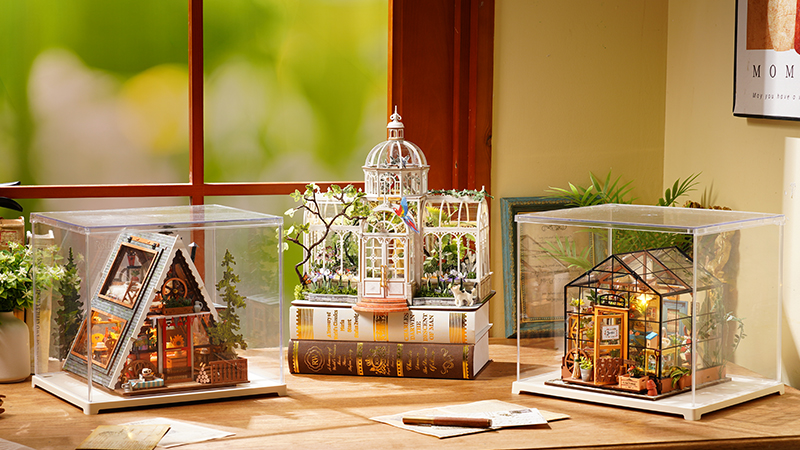
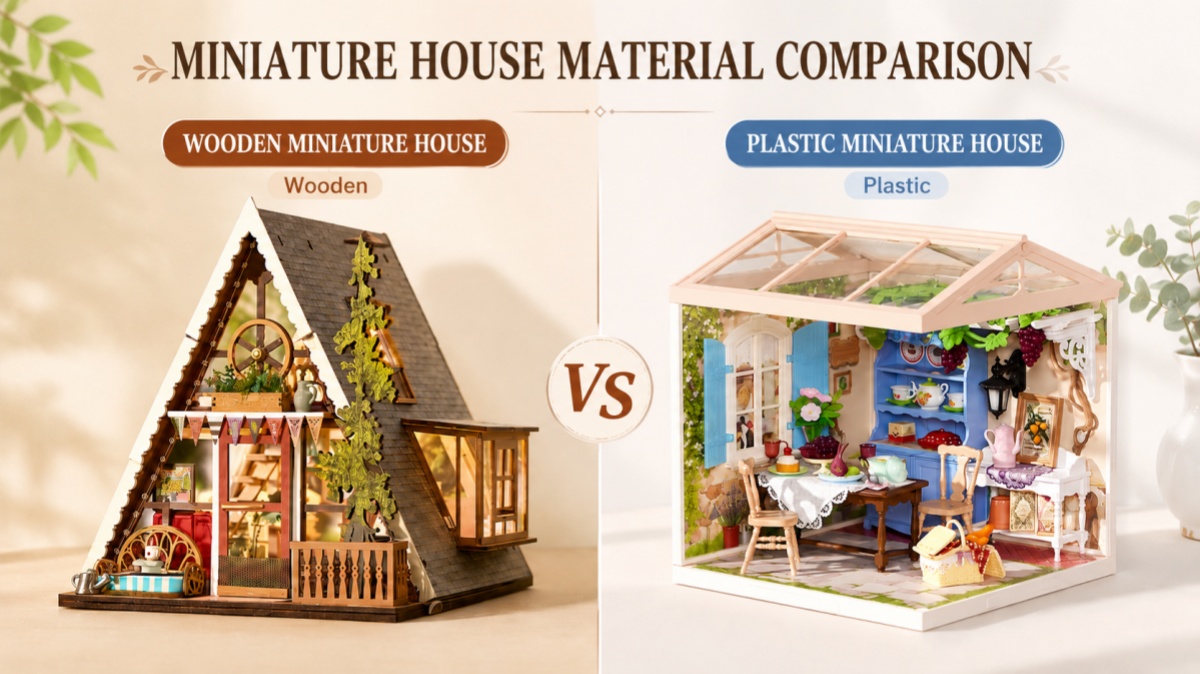
Sind Holz- oder Kunststoff-Miniaturhaus-Kits besser?
Sie sind besser für unterschiedliche Ziele, aber ihre Stärken sind nicht die gleichen. Holz-Miniaturhaus-Kits passen normalerweise zu Bauherren, die einen traditionelleren, handwerklichen Prozess mit Kleber, geschichteten Materialien und langsamer Detailarbeit genießen. Kunststoff-Kits passen normalerweise zu Anfängern, gelegentlichen DIY-Hobbyisten, Geschenkkäufern und Menschen, die ein saubereres, leichter zu beginnendes Bauerlebnis wünschen.
Für viele alltägliche Rolife-Käufer fühlen sich Kunststoff-Kits einfacher an, weil sie einen Teil des Durcheinanders und der Reibung des traditionellen Miniaturbaus reduzieren. Holz-Kits können für erfahrene Handwerker lohnender erscheinen, verlangen jedoch normalerweise mehr Geduld und Komfort mit detaillierter Montage.
Was sind Holz-Miniaturhaus-Kits?
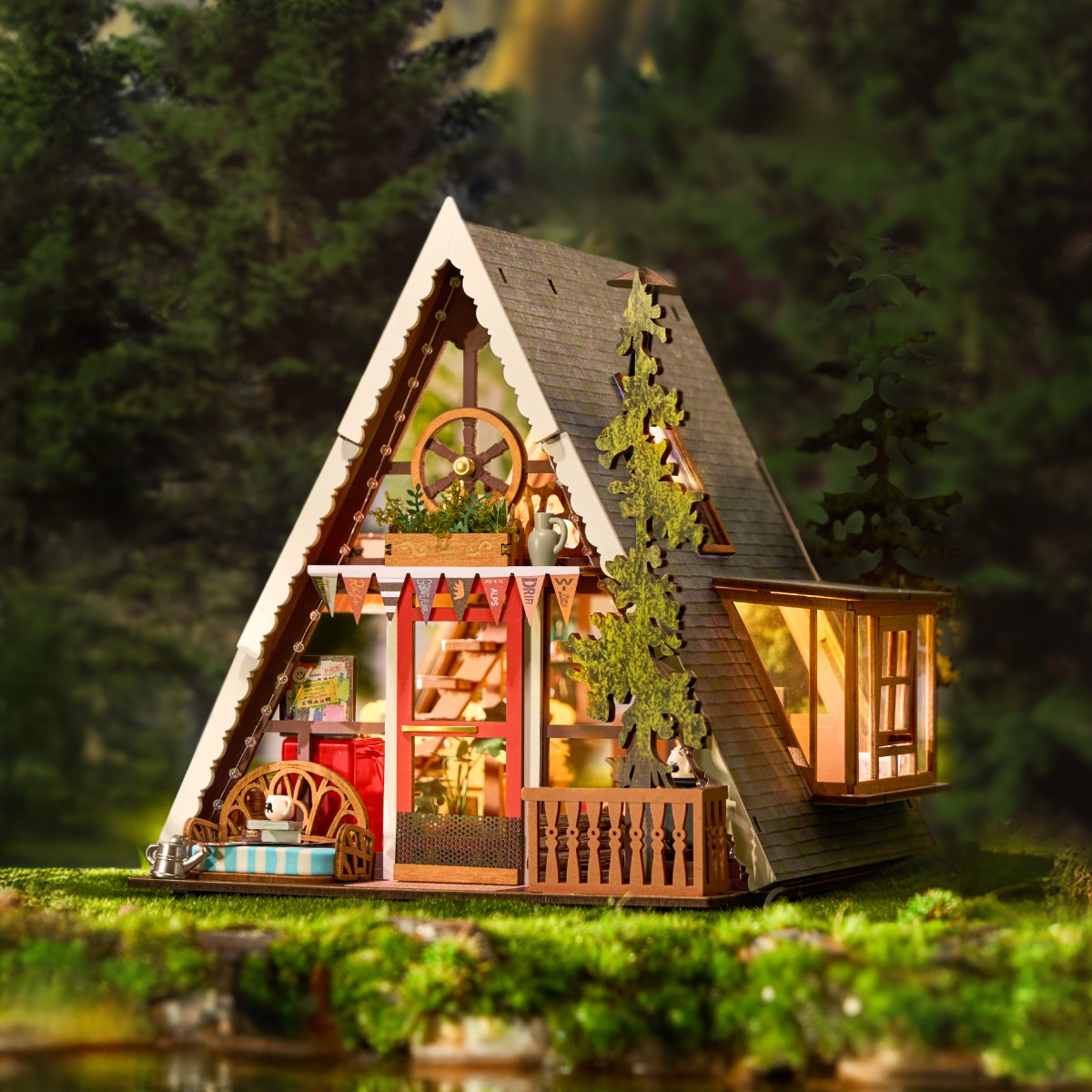
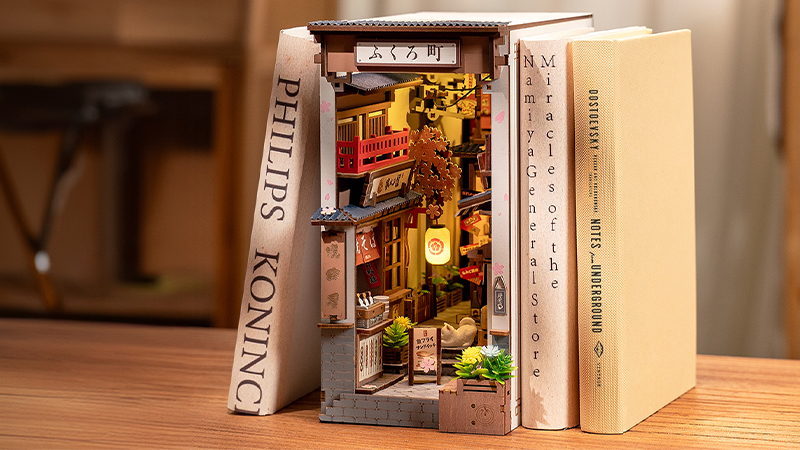
Holz-Miniaturhaus-Kits sind DIY-Miniaturbauten, die hauptsächlich aus vorgefertigten Holzstücken sowie Papier, Stoff und dekorativen Accessoires bestehen. Sie fühlen sich näher an klassischem Miniaturhandwerk an, da der Bau oft mehr Kleben, Schichten, Schneiden und langsamere Szenenmontage umfasst.
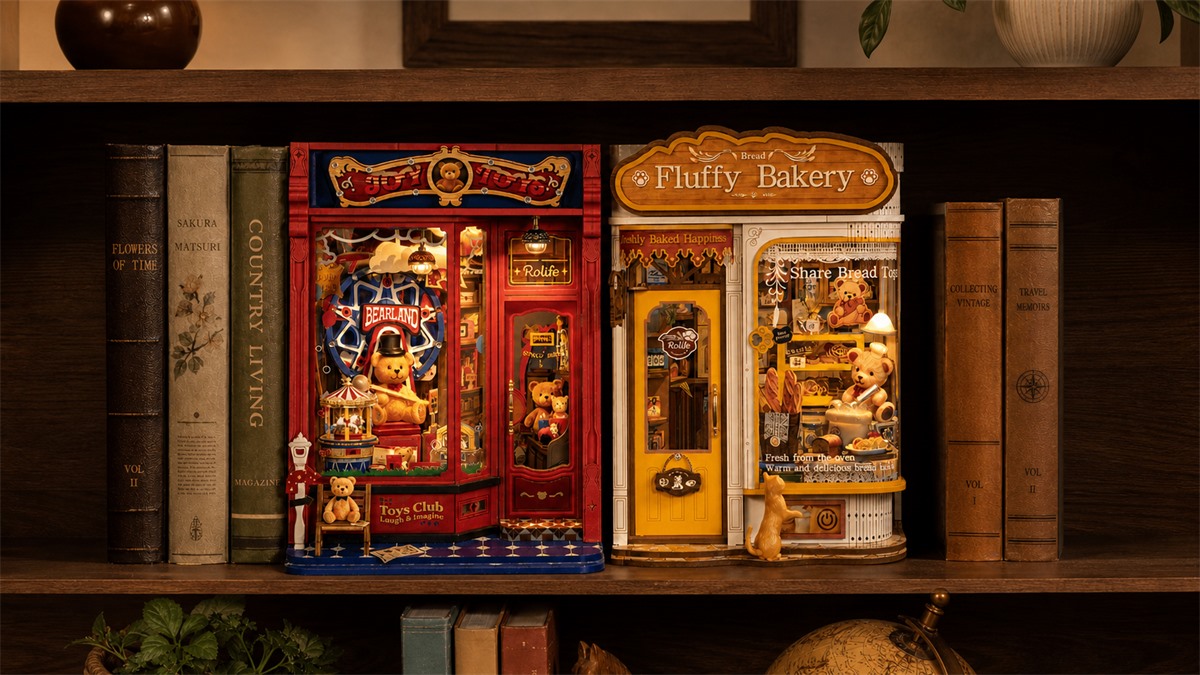
Sie enthalten häufig Wände, Böden, Möbelteile, Papierdetails, dekorative Accessoires, Stoffstücke und manchmal LED-Beleuchtung. Kits aus Buchhandlung und Studier-Szenen, Blumen- und Gartenszenen und Küchen- und Bäckereiszene passen alle natürlich in diesen Stil.
Was Holz-Kits ansprechend macht, ist, dass sie oft immersiver und traditioneller wirken. Sie setzen nicht nur eine Anzeige zusammen. Sie bauen und gestalten eine Miniaturszene Stück für Stück.
Was sind Kunststoff-Miniaturhaus-Kits?
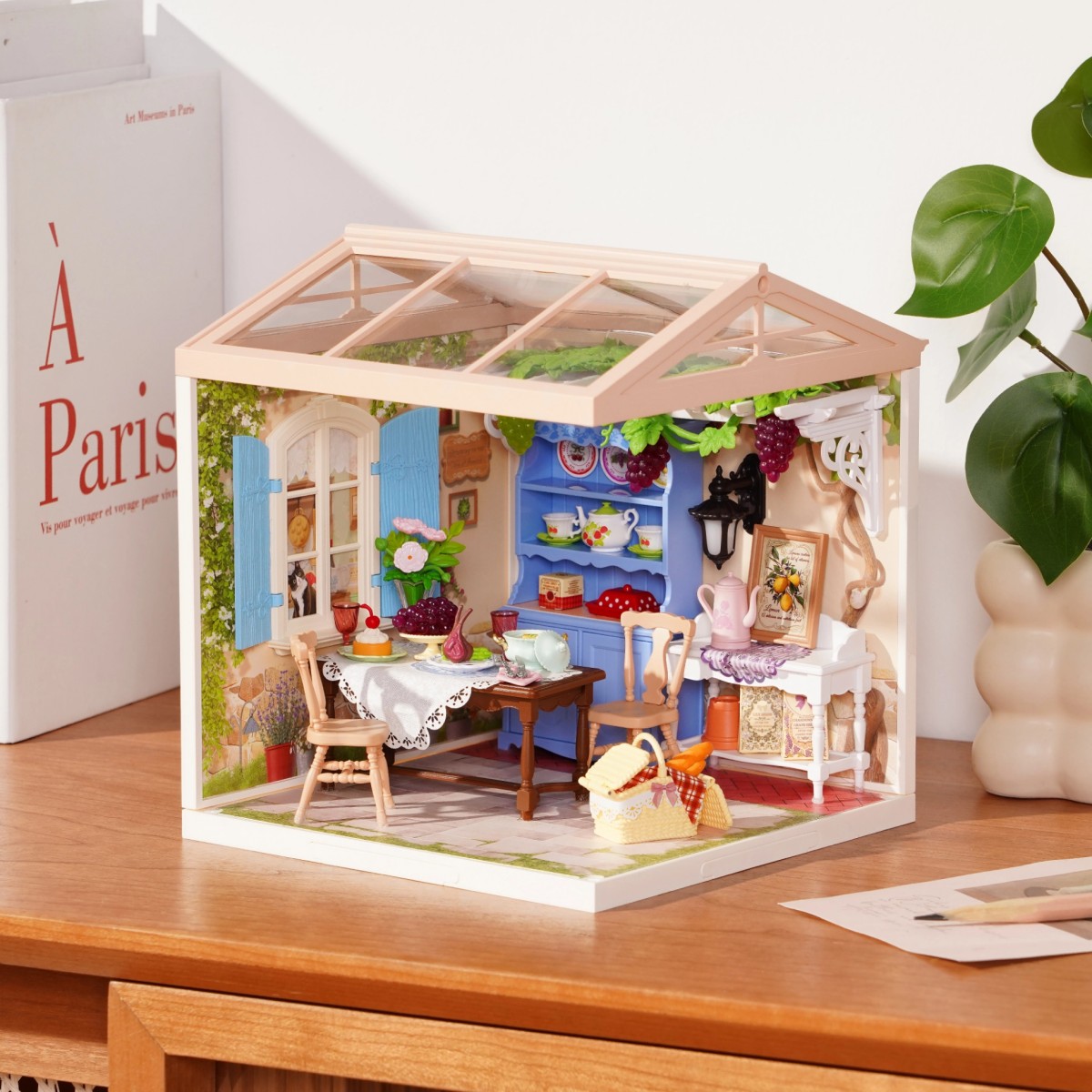
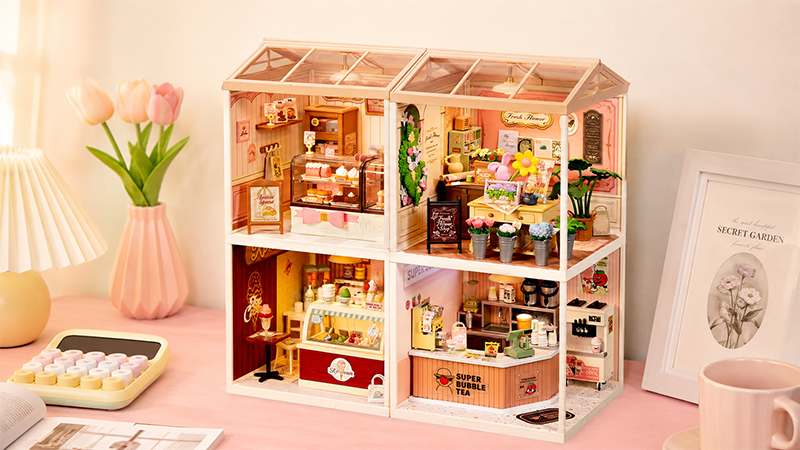
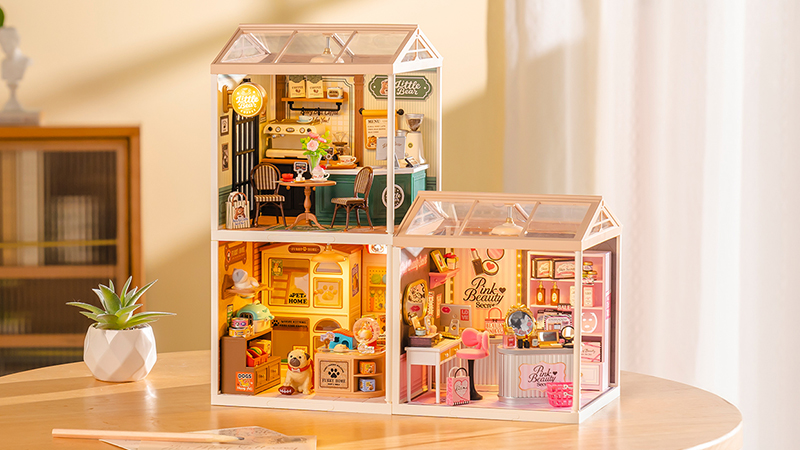
Kunststoff-Miniaturhaus-Kits bestehen normalerweise aus geformten Kunststoffteilen und sind oft einfacher für gelegentliche Bauherren. In Rolifes Sortiment können auf Kunststoff basierende Raumkits und modulare Szenen sauberer, schneller und anfängerfreundlicher wirken als ältere, kleberlastige Holzbaukästen.
Das macht sie zu einer starken Option für Käufer, die ein niedliches Anzeigeergebnis, einen leichteren Bauprozess und weniger Druck beim Schneiden, Anpassen oder traditionellen handwerklichen Zusammenbau wünschen. Sie sind oft besser für Menschen geeignet, die ein ruhiges dekoratives Projekt wünschen, anstatt eine langsamere handwerkliche Herausforderung.
Holz vs. Kunststoff Miniaturhaus-Kits: Schneller Vergleich
| Merkmal | Holz-Miniaturhaus-Kits | Kunststoff-Miniaturhaus-Kits |
|---|---|---|
| Am besten für | Erfahrene Handwerker, Detailliebhaber, traditionelle Miniaturbauer | Anfänger, gelegentliche DIY-Hobbyisten, Geschenkkäufer, niedliche Raum-Sammler |
| Baugefühl | Langsame, handfeste, handwerklichere | Sauberer, leichter, zugänglicher |
| Oberflächenfinish | Oft strukturiert und geschichtet, mit mehr manueller Montage | Oft ordentlich und poliert, mit weniger handwerklicher Handhabung |
| Werkzeuge | Normalerweise mehr Kleber und handwerkliche Handhabung | Normalerweise weniger traditionelle handwerkliche Anforderungen |
| Geschenkpotential | Besser für engagierte Handwerker | Stärker für breite Zielgruppen |
| Heimdekor-Appeal | Stark für gemütliche Szenenanzeige | Stark für niedliche modulare Displays und Schreibtischdekoration |
| Nachhaltigkeit | Oft umweltbewusster | Normalerweise mehr plastikabhängig |
Welches Material sieht realistischer aus?
Beide können realistisch aussehen, aber sie erzeugen unterschiedliche Arten von Realismus. Holz-Kits wirken oft natürlicher, strukturierter und bewohnt, insbesondere in gemütlichen Innenräumen wie Buchhandlungen, Küchen, Blumenhäusern und Studien. Kunststoff-Kits wirken oft sauberer und stilisierter, insbesondere wenn das Ziel eine ordentliche Raumdarstellung oder eine modulare dekorative Szene ist.
Wenn Sie also mit Realismus eine warme Atmosphäre und handgefertigte Textur meinen, gewinnt Holz oft. Wenn Sie ein ordentliches, poliertes, kompaktes Finish wünschen, das sich leicht auf einem Schreibtisch oder Regal platzieren lässt, kann Kunststoff ebenfalls zufriedenstellend sein.
Welches ist einfacher für Anfänger?
Kunststoff-Miniaturhaus-Kits sind normalerweise einfacher für Anfänger, insbesondere wenn sie als Raumkits oder modulare dekorative Bauten konzipiert sind. Sie reduzieren einen Großteil der Reibung, die mit traditioneller, kleberlastiger Miniaturmontage einhergeht.
- Sauberere Montage in vielen Kits
- Weniger einschüchternd für Erstbauer
- Sichtbarere Fortschritte früh im Prozess
- Normalerweise besser für kürzere, weniger druckvolle Hobby-Sitzungen
- Starke Passform für geschenktaugliche Anfängerprojekte
Wenn dies Ihr erstes Miniaturprojekt ist, ist Kunststoff oft der sicherere und nachsichtige Einstiegspunkt. Holz-Kits können ebenfalls lohnend sein, funktionieren jedoch normalerweise besser, wenn Sie bereits wissen, dass Sie detaillierte Montage genießen.
Welches bietet mehr Anpassungsmöglichkeiten?
Holz-Kits bieten normalerweise mehr handwerkliche kreative Anpassungsmöglichkeiten, da sie oft mehr rohe Montage, mehr Oberflächenvielfalt und mehr Raum für persönliche Dekorationsentscheidungen beinhalten. Das macht sie attraktiv für Handwerker, die Wände neu streichen, Stoffe ändern, Accessoires umstellen und geschichtengetriebene Details hinzufügen möchten.
Kunststoff-Kits können ebenfalls angepasst werden, aber in vielen modernen dekorativen Formaten liegt der Reiz mehr in der Bequemlichkeit und sauberen Montage als in tiefgreifenden Umgestaltungen.
Wählen Sie Holz für
Traditionelleres handwerkliches Arbeiten, Szenengestaltung und ein stärkeres Gefühl, die Welt Stück für Stück zu bauen.
Wählen Sie Kunststoff für
Einen einfacheren Bauablauf, sauberere Anzeigeergebnisse und ein weniger druckvolles DIY-Erlebnis.
Welches macht ein besseres Geschenk?
Kunststoff-Miniaturhaus-Kits sind normalerweise bessere Geschenke für die meisten Menschen, da sie zugänglicher, sofort einladender und einfacher an Anfänger oder gelegentliche Hobbyisten anzupassen sind. Sie eignen sich besonders gut für Menschen, die niedliche Schreibtischdekoration, modulare Raumszenen oder drucklose kreative Projekte mögen.
Holz-Kits können ebenfalls großartige Geschenke sein, sind jedoch besser geeignet für Empfänger, die bereits langsame, geduldige Handwerksarbeiten genießen und nichts gegen einen aufwendigeren Bau haben.
Welches hält länger?
Beide können jahrelang halten, wenn sie richtig ausgestellt und gepflegt werden. Kunststoff ist von Natur aus weniger empfindlich gegenüber Feuchtigkeit, während Holz-Kits ebenfalls gut drinnen halten, wenn sie trocken und vor direkter Sonneneinstrahlung und Staub geschützt gehalten werden.
- Halten Sie das fertige Stück von direkter Sonneneinstrahlung fern
- Vermeiden Sie feuchte Lagerung
- Regelmäßig abstauben
- Verwenden Sie eine Vitrine, wenn möglich
- Halten Sie es von Haustieren und stark frequentierten Bereichen fern
Wenn Ihr Ziel die Präsentation im Regal oder auf dem Schreibtisch ist und nicht grobe Handhabung, können beide Materialien gut altern.
Welches ist besser für Sammler?
Das hängt davon ab, welche Art von Sammler Sie sind. Sammler, die geschichtete Szenen, handgefertigte Texturen und immersive kleine Innenräume genießen, bevorzugen oft Holz-Kits. Sammler, die kompakte modulare Displays, niedliche Raumformate und eine einfachere Erweiterung der Sammlung mögen, bevorzugen möglicherweise Kunststoff.
Mit anderen Worten, Holz passt oft zu Sammlern, die den Handwerksprozess selbst genießen, während Kunststoff oft zu Sammlern passt, die eine einfachere Sammlung und einen saubereren Präsentationsrhythmus wünschen.
Sind Holz-Kits umweltfreundlicher?
Oft ja. Holz-Kits werden häufig als die umweltbewusstere Option angesehen, da sie mehr auf holzbasierten Materialien basieren und insgesamt weniger Kunststoff verwenden können. Das macht jedoch nicht jedes Holz-Kit automatisch nachhaltig, gibt ihnen jedoch normalerweise einen Vorteil für Käufer, die ein natürlicheres Materialprofil bevorzugen.
Wenn Nachhaltigkeit für Sie wichtig ist, suchen Sie nach Informationen über Verpackung, Materialmix und langfristige Haltbarkeit, anstatt sich nur auf das Etikett zu verlassen.
Wie wählt man zwischen Holz- und Kunststoff-Kits?
Wählen Sie Holz-Kits, wenn Sie
- Ein traditionelleres Handwerkerlebnis wünschen
- Reichhaltigeres Szenenbauen und langsamere Montage
- Ein immersiveres handwerkliches Hobby
- Stärkeres kreatives Anpassungspotenzial
- Ein Projekt, das besser für erfahrene Handwerker geeignet ist
Wählen Sie Kunststoff-Kits, wenn Sie
- Einen einfacheren, anfängerfreundlichen Bau wünschen
- Ein saubereres, weniger druckvolles Projekt
- Niedliche Raumszenen oder modulare Displays
- Eine stärkere Geschenkoption für breite Zielgruppen
- Einen leichteren DIY-Rhythmus mit weniger traditioneller Handwerksreibung
Wenn Sie nach Ihrem ersten Miniaturerlebnis oder einem weit verbreiteten Geschenkprojekt suchen, ist Kunststoff oft die einfachere Antwort. Wenn Sie tieferes Szenenbauen wünschen und nichts gegen eine aufwendigere Montage haben, kann Holz lohnender sein.
Beste Rolife Miniaturhaus-Kits, die man in Betracht ziehen sollte
Wenn Sie beide Materialien erkunden, bietet Rolife starke Beispiele dafür, warum jeder Stil unterschiedliche Bauherren anspricht.
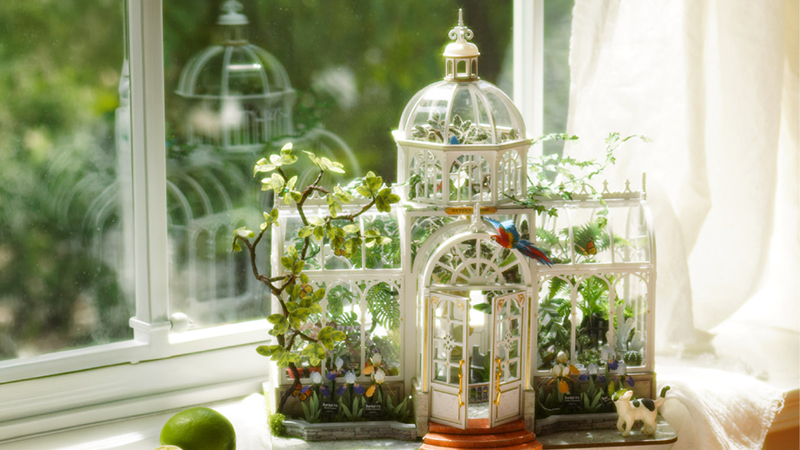
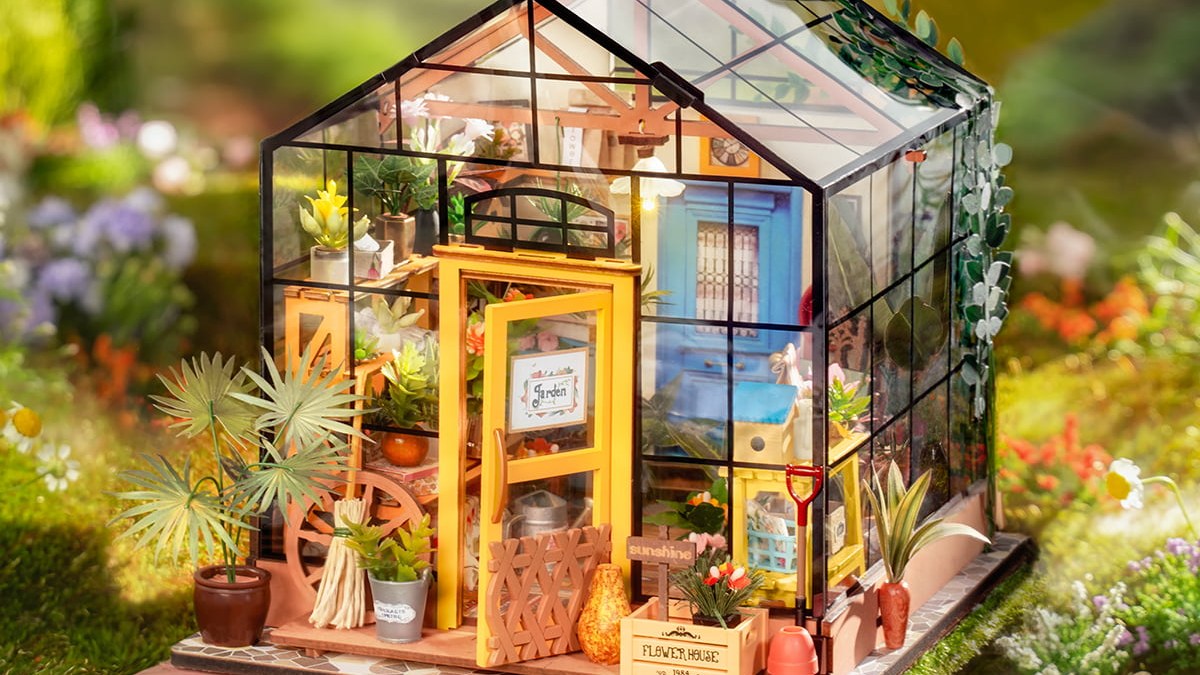
Cathys Blumenhaus
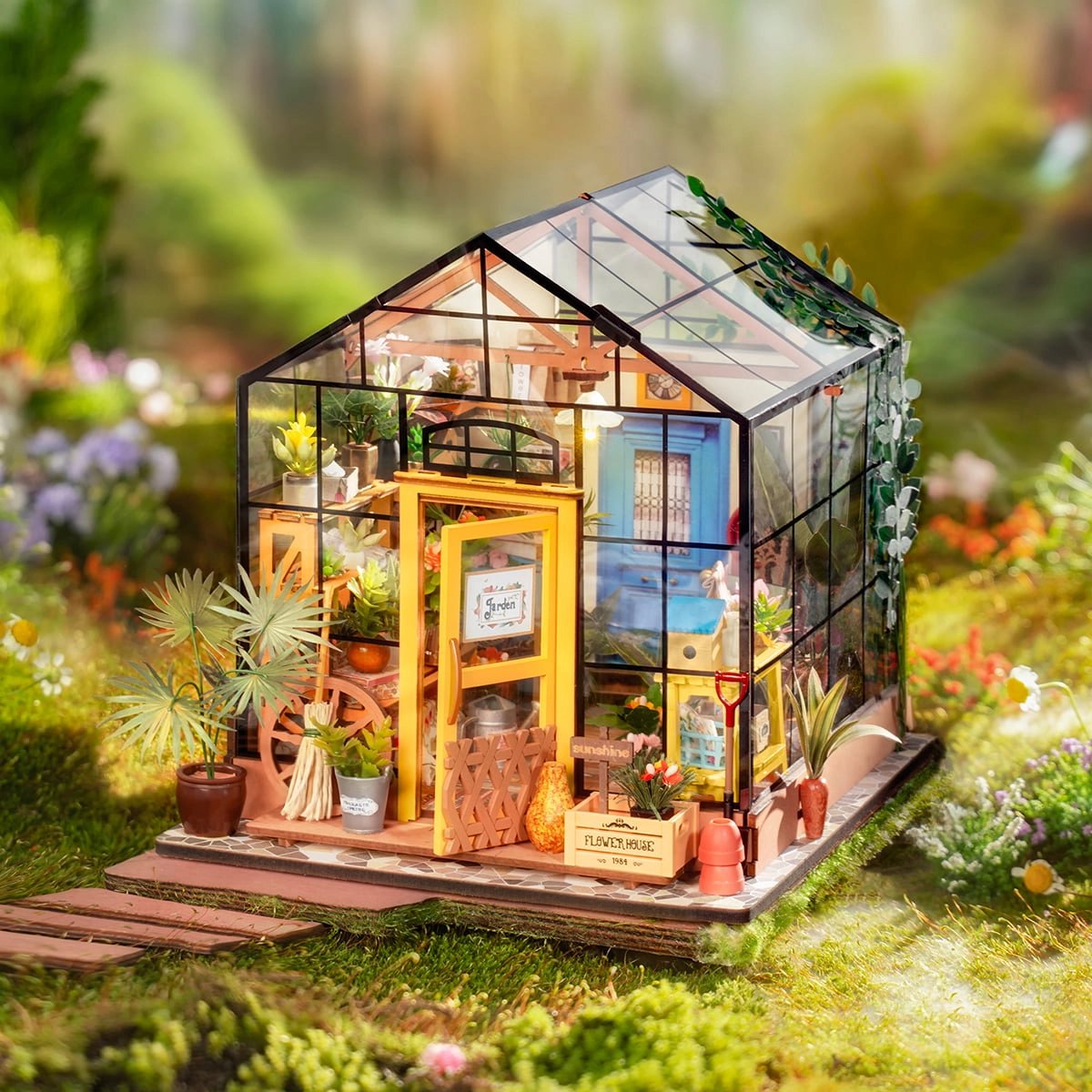
Cathys Blumenhaus ist ein starkes Beispiel für ein Holz-Miniaturhaus, das Geduld, Atmosphäre und traditionelles handwerkliches Bauen belohnt.
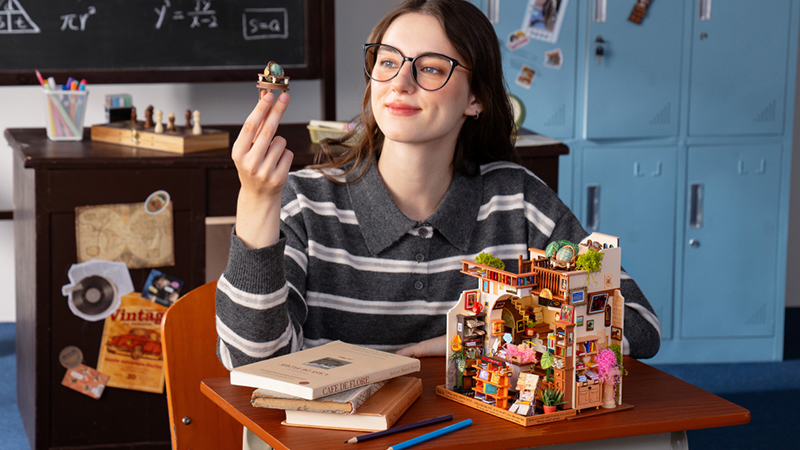
Sams Studie
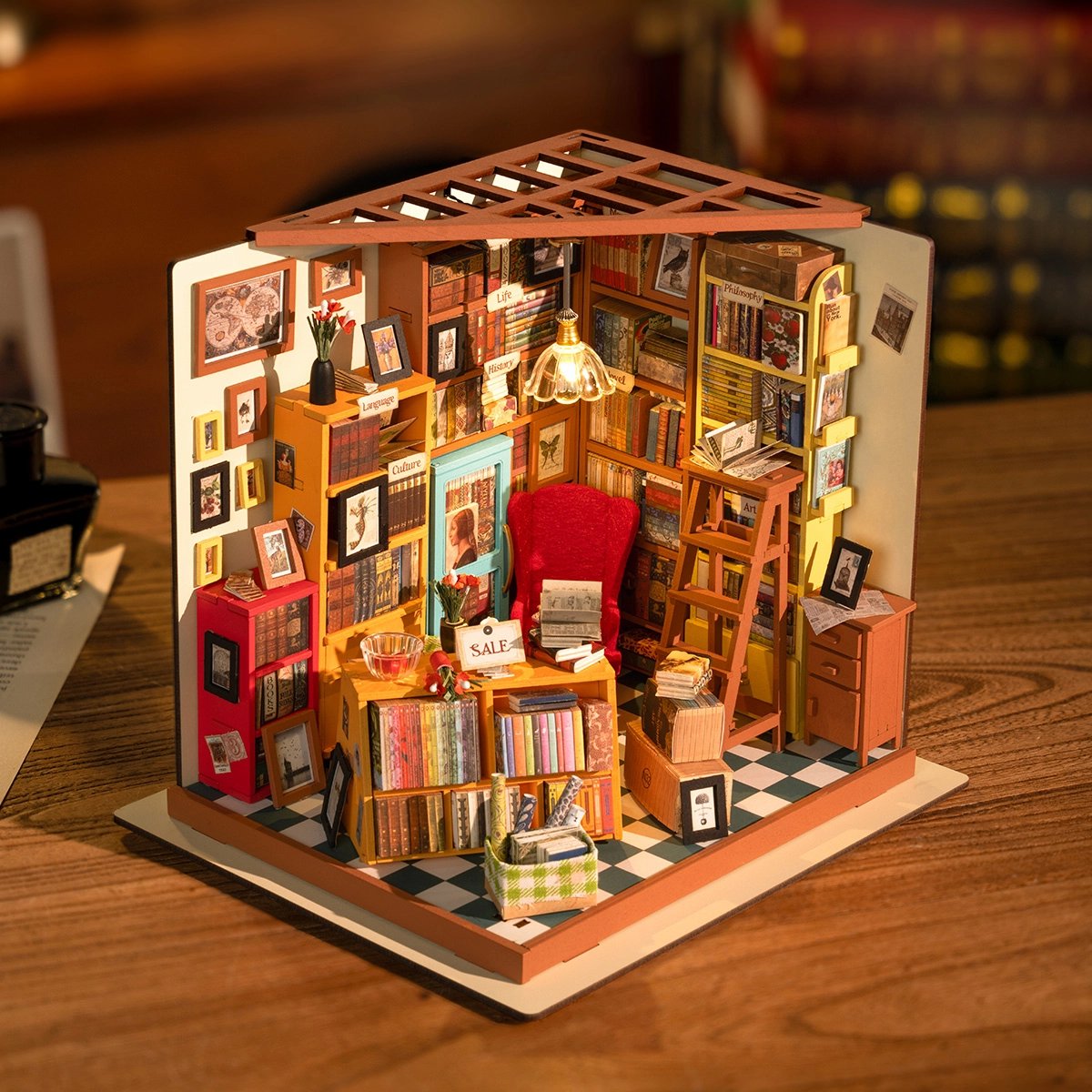
Sams Studie zeigt, wie Holz-Kits ein warmes, reichhaltiges, geschichtengetriebenes Interieur für Menschen schaffen können, die langsamere Bauten genießen.
Super Creator
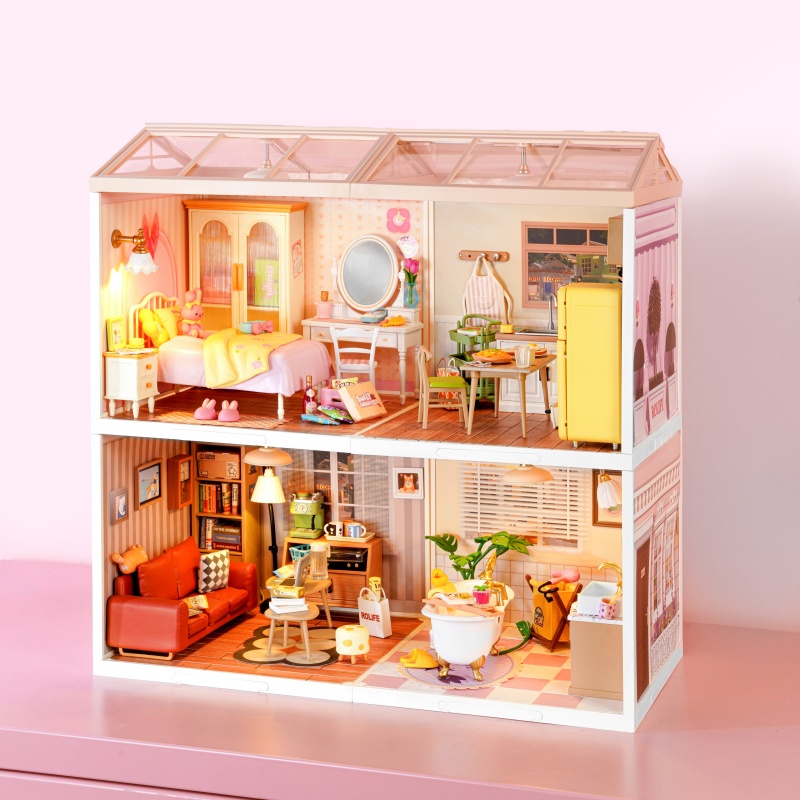
Super Creator ist eines der klarsten Beispiele dafür, warum Kunststoff-Kits sich einfacher und anfängerfreundlicher anfühlen können: kompakte Szenen, sauberere Montage und zugänglicher Präsentationswert.
Für breiteres Stöbern können Leser auch DIY Miniaturhaus-Kits, DIY Bastel-Kits und Blumenladen- & Gartenhaus-Kits erkunden.
FAQ: Holz- vs. Kunststoff-Miniaturhaus-Kits
Sind Holz-Miniaturhaus-Kits besser als Kunststoff-Kits?
Nicht immer. Holz-Kits sind oft besser für erfahrene Handwerker, die langsameres, handfesteres Szenenbauen genießen. Kunststoff-Kits sind oft besser für Anfänger und gelegentliche DIY-Bauer, die einen einfacheren Start wünschen.
Sind Holz-Miniaturhaus-Kits gut für Anfänger?
Some kann sein, aber sie sind im Vergleich zu einfacheren Plastikraumkits oder modularen dekorativen Bauten normalerweise nicht der einfachste Einstiegspunkt.
Sehen Plastikminiaturkits realistischer aus?
Nicht unbedingt. Plastik sieht oft sauberer und polierter aus, während Holz-Kits oft wärmer, texturierter und natürlicher bewohnt wirken.
Welches Miniaturhaus-Kit ist besser für Geschenke?
Plastik-Kits sind normalerweise die einfachere Geschenkwahl für ein breiteres Publikum, da sie zugänglicher und weniger druckvoll für Anfänger sind.
Sind Holzminiaturhaus-Kits umweltfreundlich?
Oft umweltbewusster als vollständig aus Plastik bestehende Kits, insbesondere wenn sie mehr holzbasiertes Material verwenden, obwohl dies je nach Produkt variiert.
Halten Holzminiaturhaus-Kits lange?
Ja. Sie können viele Jahre halten, wenn sie trocken, nicht direkter Sonneneinstrahlung ausgesetzt und regelmäßig vor Staub geschützt werden.
Sollte ich ein Holz- oder Plastikminiaturkit wählen?
Wählen Sie Plastik, wenn Sie ein einfacheres, anfängerfreundliches Projekt möchten. Wählen Sie Holz, wenn Sie ein aufwändigeres, traditionelles und handwerklich intensives Miniaturbau-Erlebnis wünschen.
Endgültiges Urteil: Holz- oder Plastikminiaturhaus-Kits?
Plastikminiaturhaus-Kits sind oft die bessere Wahl für die meisten Anfänger, Geschenkesucher, gelegentliche DIY-Hobbyisten und Menschen, die ein einfacheres, saubereres und zugänglicheres Bauerlebnis wünschen.
Holzminiaturhaus-Kits sind oft die bessere Wahl für erfahrene Handwerker, Detailliebhaber und Bauherren, die einen langsameren, reichhaltigeren und traditionelleren Miniaturherstellungsprozess mit stärkerer praktischer Handwerksbeteiligung wünschen.
Wenn Ihr Ziel ein einfacher Einstieg und druckfreier Spaß ist, ist Plastik normalerweise die bessere Wahl. Wenn Ihr Ziel tiefere Szenenbildung und einen traditionelleren Handwerksrhythmus ist, sind Holz-Kits oft lohnender.
![Top 5 Most Difficult Rolife Miniature Kits to Build [2026 Guide]](https://www.rolifeonline.com/cdn-resource-files-s/img3/2359c5f4bb0569a6/image/store/1649394707320/Top-5-Most-Difficult-Rolife-Miniature-Kits-to-Build-[2026-Guide].jpg?w=1200&h=674)