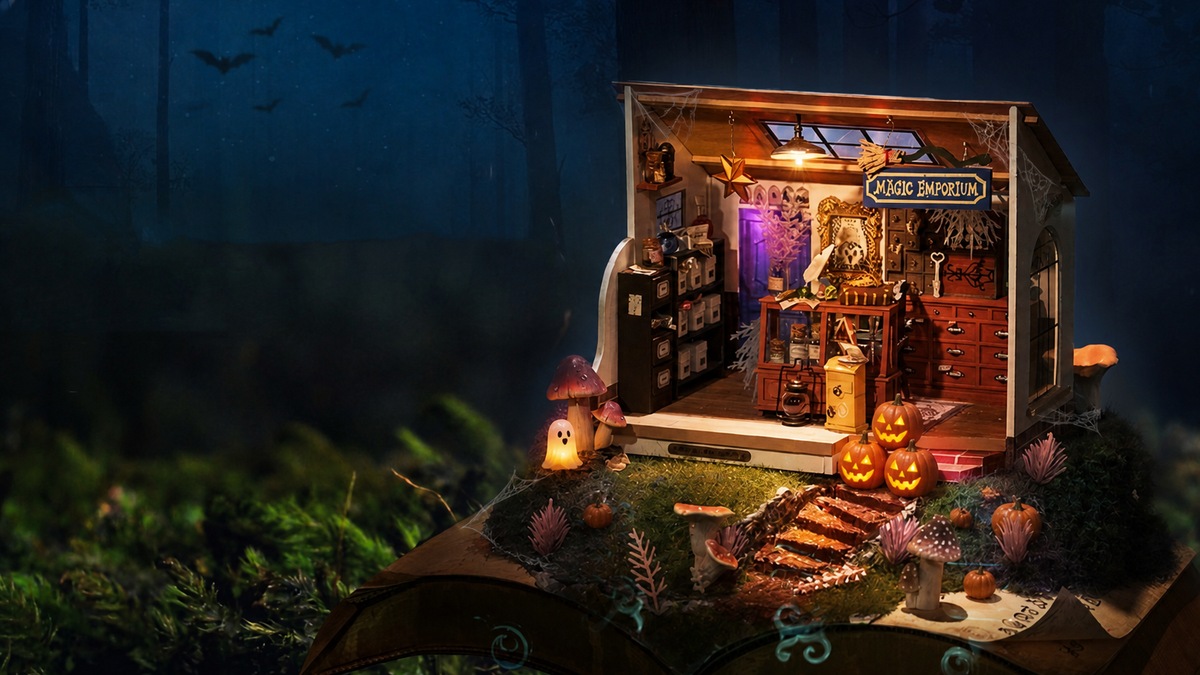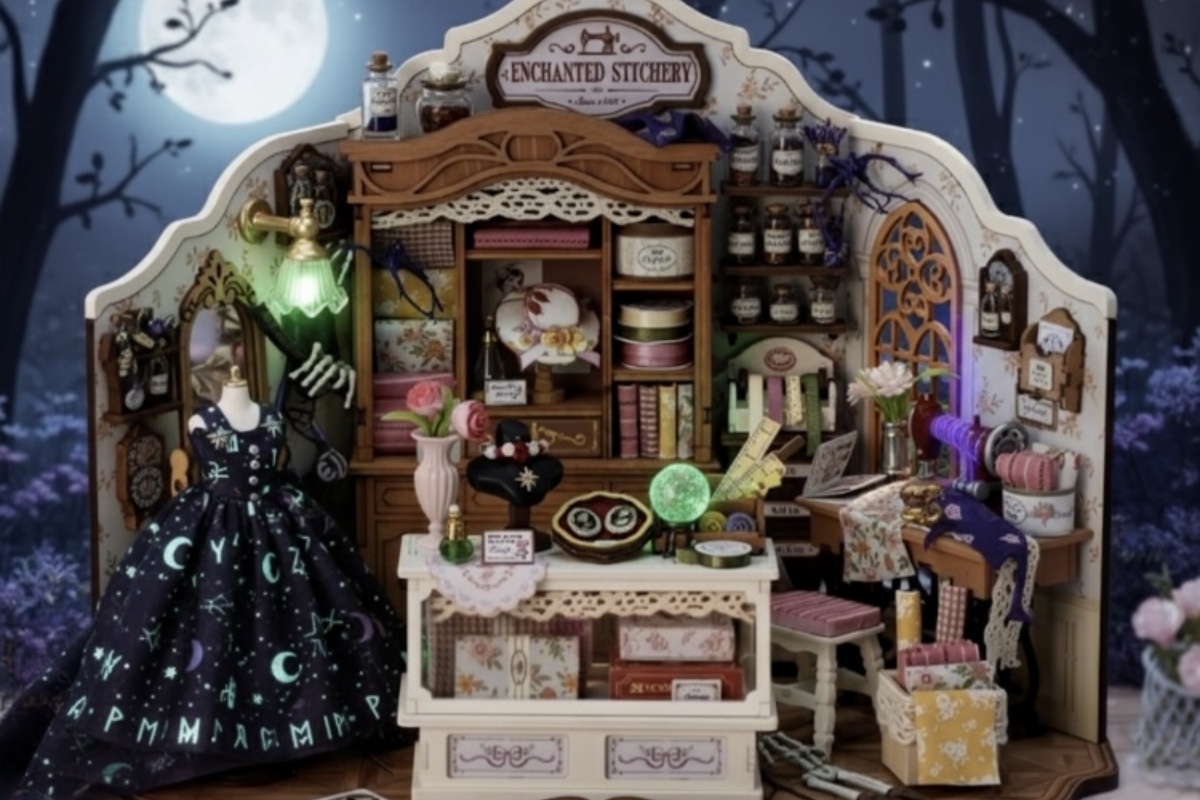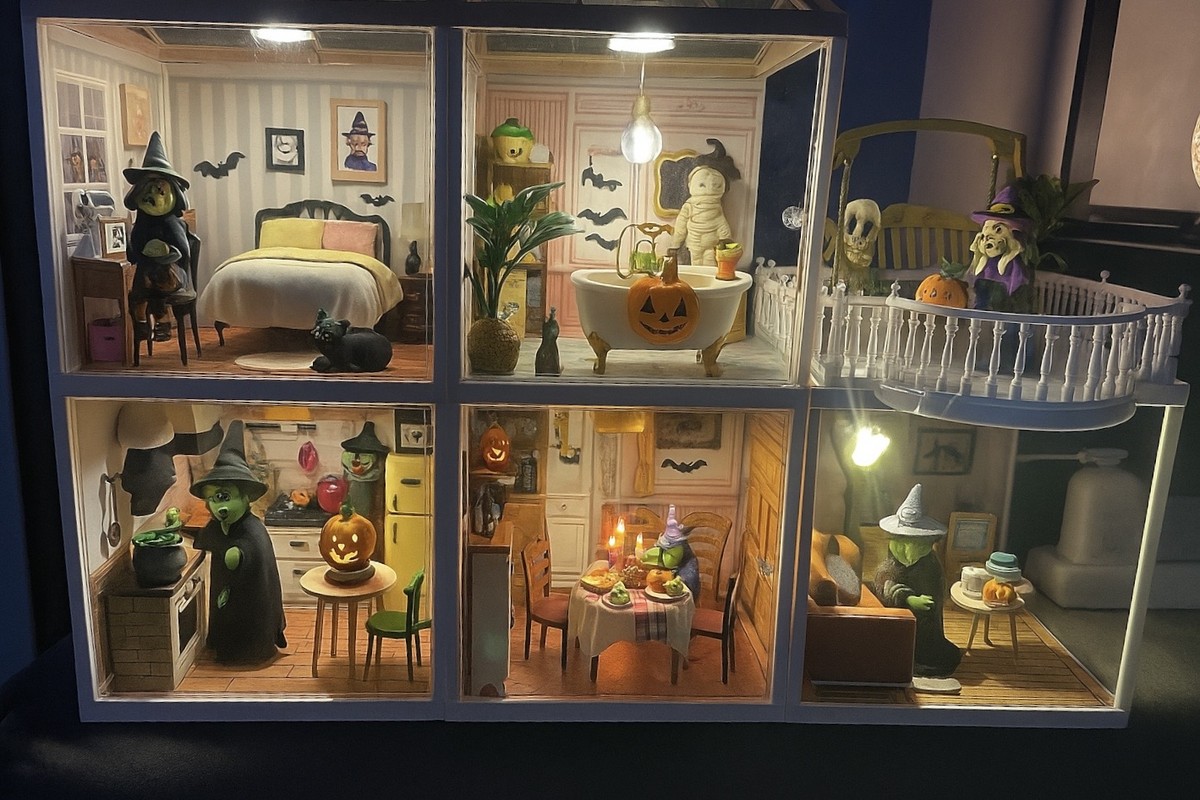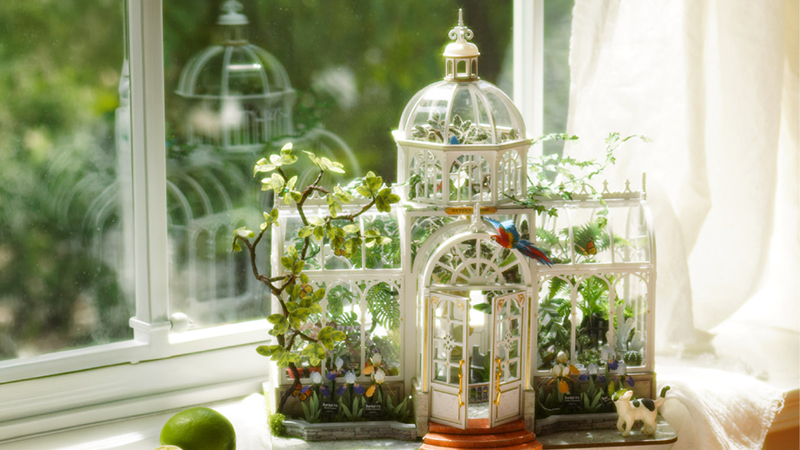

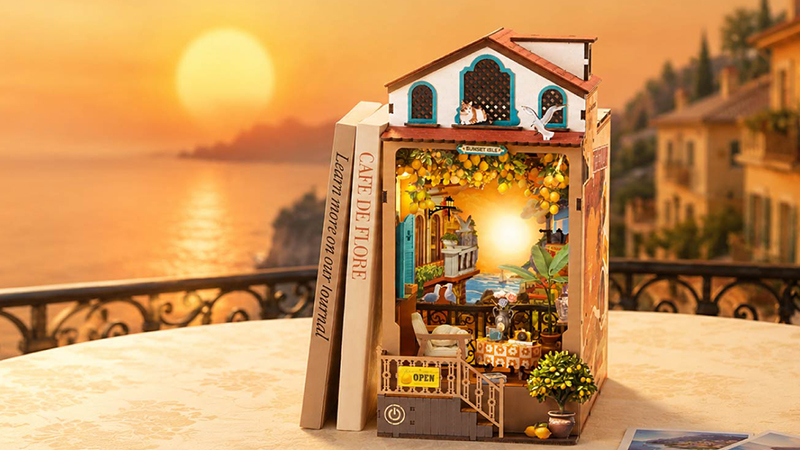
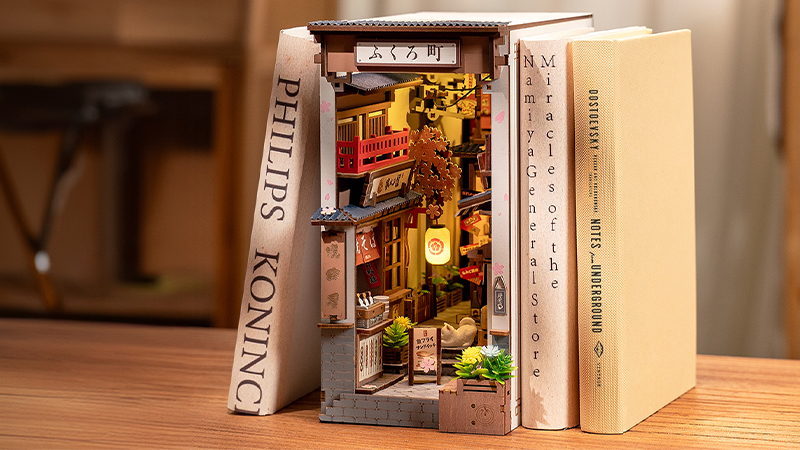
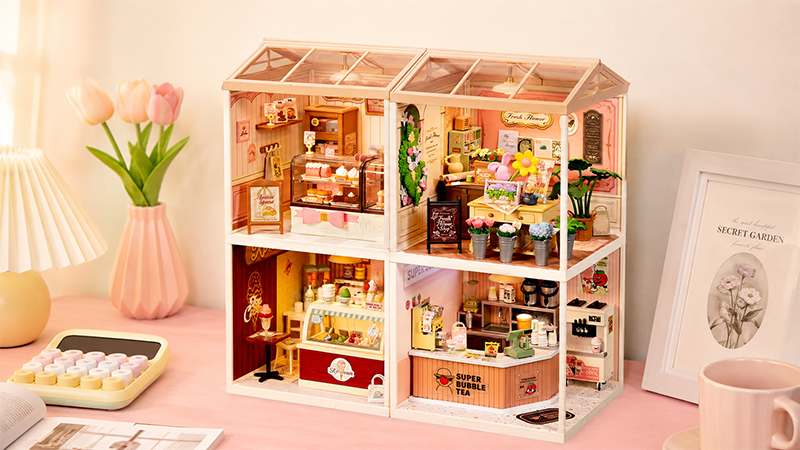
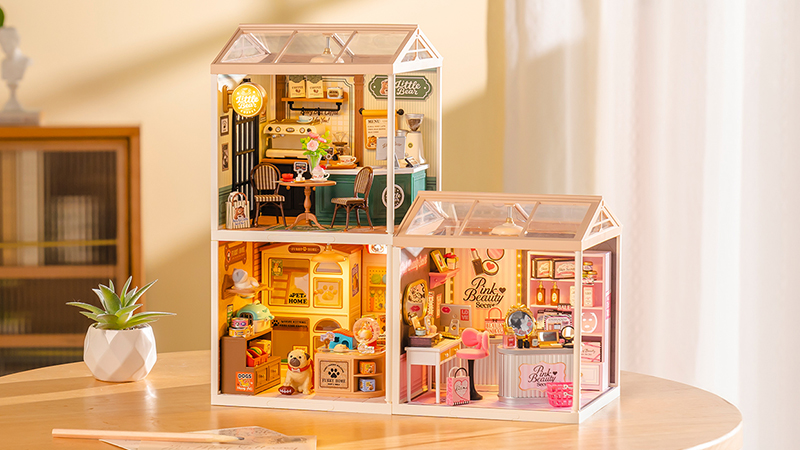

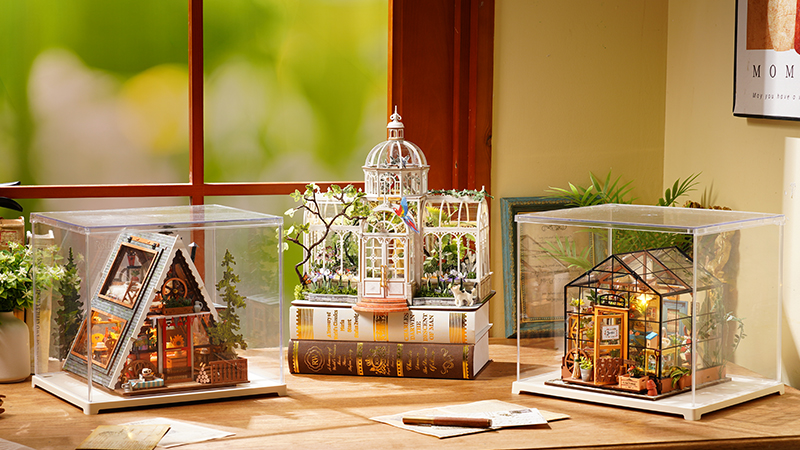
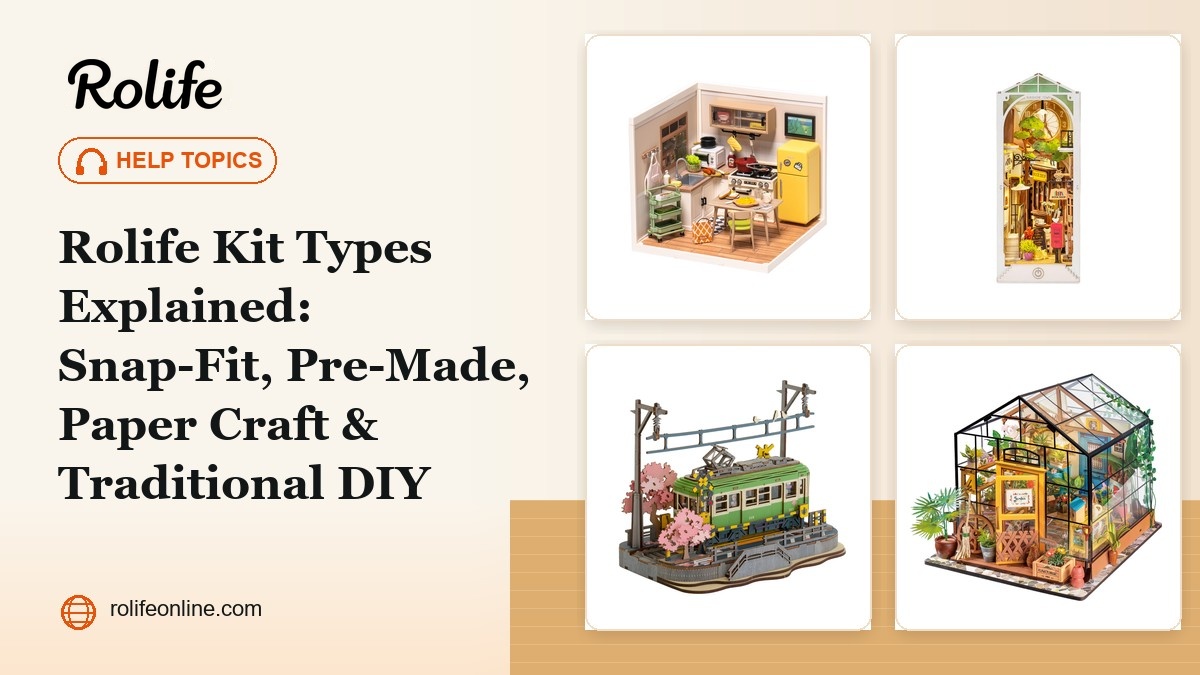
Rolife Kits können in den fertigen Fotos ähnlich aussehen, während sie sehr unterschiedliche Bauerfahrungen bieten. Die nützliche Frage ist nicht nur, welche Produktkategorie Ihnen gefällt, sondern ob Sie Teile möchten, die zusammenstecken, größtenteils fertige Komponenten zum Anordnen, einen gemischten vorgefertigten Bau oder traditionelles Miniaturhandwerk.
Schnelle Antwort
Wählen Sie Super Creator oder Mini Super Creator, wenn Sie einen modularen, wenig vorbereitenden Bau möchten; wählen Sie ein 3D Holzpuzzle, wenn Sie eine druckpassende Holzbauweise wünschen; wählen Sie ein Book Nook oder Story Frame, wenn Sie eine kompakte Szene aus vorgefertigten Teilen bauen möchten; und wählen Sie ein traditionelles DIY Miniaturhaus, wenn Sie mehr detailliertes Handwerk möchten. Überprüfen Sie immer das genaue Modell und die Version, da die Montageanleitungen und Klebeanforderungen innerhalb einer Kategorie variieren können.
Montagestil und Produktkategorie sind nicht dasselbe
Eine Produktkategorie beschreibt das fertige Objekt: ein Miniaturraum, ein Bücherregaleinsatz, eine gerahmte Szene, ein Holzmodell oder eine Spieluhr. Der Montagestil beschreibt, was Ihre Hände tatsächlich tun werden. Eine Kategorie kann mehr als einen Montagestil umfassen, insbesondere wenn ältere und aktualisierte Versionen im Umlauf sind.
Wichtig: „Snap-fit“ oder „kein Kleber erforderlich“ beschreibt die beabsichtigte Hauptmontagemethode. Es garantiert nicht, dass jeder Bauende alle Klebstoffe vermeidet. Einige Leute verwenden enthaltene Klebepunkte oder optionalen Bastelkleber, um kleine Dekorationen zu sichern, und es können Ersatz- oder Verstärkungsbedarfe auftreten.
Vier Montagestile, die Sie sehen können
| Montagestil | Was Sie tatsächlich tun | Vorbereitung und Unordnung | Beste Passform | Achten Sie auf |
|---|---|---|---|---|
| Snap-fit oder press-fit | Fügen Sie vorgefertigte oder geformte Teile mit Laschen, Schlitzen, Stiften oder Verbindungen zusammen. | In der Regel niedrig. | Bauer, die klare Strukturen und sichtbare Baufortschritte mögen. | Enge Passungen, Teileorientierung, empfindliche Laschen und modell-spezifische Beleuchtungsschritte. |
| Vorgefertigt modular | Verbinden Sie die Raumhülle und arrangieren Sie größtenteils fertige Möbel und Zubehör. | Sehr niedrig. | Schnelle Ergebnisse, Erstbauer, Sammeln und Umgestalten von Displays. | Aufkleber oder Klebepunkte können weiterhin zur Platzierung verwendet werden; die Erfahrung ist weniger herstellungsintensiv. |
| Gemischtes vorgefertigtes Handwerk | Kombinieren Sie geschlitzte Strukturteile mit dekorativen Platzierungs- und Szenenbau-Schritten. | Niedrig bis mittel. | Book Nooks, gerahmte Szenen und Bauende, die Details wünschen, ohne jedes Objekt aus Rohmaterial zu erstellen. | Das Gleichgewicht von Holz, Papier, Verkabelung und Dekoration variiert je nach Modell. |
| Traditionelles DIY und Papierhandwerk | Schneiden, Falten, Formen, Kleben, Verkabeln und Platzieren von mehr der Miniaturdetails selbst. | Mittel bis hoch. | Geduldige Bauende, die Wert auf Handwerk und Anpassung legen. | Mehr Werkzeuge, Trocknungszeit, Präzision und versionsspezifische Anleitungen können erforderlich sein. |
Wo Rolife Produkttypen allgemein passen
Die folgende Tabelle ist eine Einkaufsorientierung, kein Ersatz für die Produktseite oder das Handbuch. Sie fasst die dominierende Erfahrung in Rolifes aktuellen Vergleichsdaten und offiziellen Kategoriebeschreibungen zusammen.
| Rolife Produkttyp | Typische Montageerfahrung | Gute Wahl, wenn Sie wollen | Was zu überprüfen |
|---|---|---|---|
| Mini Super Creator | Kompakte vorgefertigte modulare Szene mit wenig Vorbereitungsaufwand. | Ein schnelles, zugängliches Miniaturprojekt. | Genaues Zubehör, Kleberplatzierung und enthaltene Funktionen. |
| Super Creator | Geformte modulare Raumteile, die in ein stapelbares oder erweiterbares Displaysystem verbunden werden. | Schnelles Raumstyling, Sammeln und Umgestalten. | Modell-spezifische Beleuchtung, Aufkleber oder Klebepunkte und Zubehör. |
| 3D Holzpuzzle | Druckpassende Konstruktion mit vorgefertigten Holzstücken. | Das Gefühl, eine Holzstruktur oder ein Modell zu bauen. | Schwierigkeit, bewegliche Teile, Beleuchtung und empfindliche Verbindungen. |
| Book Nook | Gemischte vorgefertigte Szenenmontage, normalerweise zentriert auf einer schmalen Bücherregalanzeige. | Eine detaillierte Umgebung mit einem klaren Ausstellungsziel. | Genau Schritte, Beleuchtungseinrichtung, Abmessungen und aktuelle Version. |
| Story Frames | Eine gerahmte Bastelszene, die für Tisch- oder Wanddisplay montiert ist. | Ein kompaktes dekoratives Format anstelle eines freistehenden Raums. | Die spezifischen Materialien, Montageanleitungen und Aufhängemethoden des Modells. |
| DIY Miniaturhaus | Die größte Bandbreite: neuere vorgefertigte oder kleberfreie Designs koexistieren mit traditionellen, kleberpflichtigen Bauten. | Mehr Handwerk, Detail und Anpassungswahl. | Genaues SKU, Version, Kleberhinweis, Werkzeuge, Papierarbeit, Verkabelung und Bauzeit. |
| DIY Spieluhr | Vorgefertigte strukturelle Montage kombiniert mit einer mechanischen Musikfunktion; einige Modelle enthalten auch Licht. | Ein Bau mit Bewegung oder Klang als Teil der fertigen Anzeige. | Mechanismus-Schritte, Beleuchtung, Schwierigkeit und genaue Kit-Inhalte. |
Versionshinweis: Ein Modellname kann vertraut bleiben, während sich die Bauweise ändert. Einige ältere DIY Miniaturhaus-Versionen erfordern Kleber, während aktualisierte Versionen desselben Modells dies möglicherweise nicht tun. Verwenden Sie das genaue SKU, die Verpackung, die Anweisungen auf der Produktseite und das aktuelle Handbuch, anstatt sich auf eine ältere Bewertung zu verlassen.
Ich hasse Kleber. Was sollte ich wählen?
Beginnen Sie mit Kategorien, die geformte oder vorgefertigte Konstruktionen verwenden: Mini Super Creator, Super Creator, 3D Holzpuzzle und aktuelle Book Nook-Einträge sind die klarsten Orte, um zu suchen. Bestätigen Sie dann das genaue Modell und die Version, bevor Sie kaufen.
- Lesen Sie die Produktseite für einen direkten Kleberhinweis, anstatt von dem fertigen Aussehen auszugehen.
- Überprüfen Sie das Handbuch oder die Verpackung, wenn eine ältere Bewertung mit aktuellen Informationen in Konflikt steht.
- Unterscheiden Sie strukturellen Kleber von optionalem Kleber, der verwendet wird, um winzige Dekorationen an Ort und Stelle zu halten.
- Halten Sie einen kleinen Backup-Bastelkleber nur, wenn das Handbuch dies erlaubt und ein Teil Verstärkung benötigt.
Für die modellweise Warnung und aktuelle Beispiele siehe Benötigen Rolife Kits Kleber?
Wählen Sie nach der Erfahrung, die Sie möchten
Schnellstes, wenig vorbereitendes Ergebnis
Wählen Sie ein vorgefertigtes modulares Kit. Sie verbringen mehr Zeit mit dem Verbinden und Anordnen als mit der Herstellung winziger Objekte.
Strukturiertes Bauen ohne Fokus auf einen Miniaturraum
Wählen Sie ein druckpassendes Holzpuzzle. Die Zufriedenheit kommt davon, flache Holzstücke in ein fertiges Modell zu verwandeln.
Detaillierte Szene mit einem definierten Ausstellungsformat
Wählen Sie ein Book Nook oder Story Frame. Das Ergebnis ist für ein Bücherregal, einen Tisch oder eine Wand konzipiert, anstatt für ein offenes Raumsystem.
Maximales Handwerk und Anpassung
Wählen Sie ein traditionelles DIY Miniaturhaus und überprüfen Sie dann die genauen Schritte für Papier, Kleber, Verkabelung und Werkzeuge für diese Version.
Wenn das Zeitengagement ebenso wichtig ist wie der Montagestil, vergleichen Sie die Bereiche in Wie lange dauert es, ein Rolife Kit zu bauen?
Wie man den Montagestil vor dem Kauf erkennt
- Schauen Sie sich die Fortschrittsfotos an. Geformte Raumhüllen, Holzplatten, lose Papiere, Draht und winzige Rohmaterialien signalisieren sehr unterschiedliche Aufgaben.
- Lesen Sie die Kleber- und Werkzeughinweise. Bestätigen Sie, ob sie sich auf die genaue Version beziehen, die verkauft wird.
- Überprüfen Sie die Handbuchvorschau. Es zeigt, ob der Bau auf Schnappen, Drücken, Falten, Schneiden, Verkabeln oder Kleben basiert.
- Trennen Sie enthaltene Funktionen von der Montage-Schwierigkeit. Ein Licht- oder Musikmechanismus kann Schritte hinzufügen, auch wenn die strukturellen Teile kleberfrei sind.
- Verwenden Sie das SKU, nicht nur den Produktnamen. Dies ist der sicherste Weg, um ähnliche oder aktualisierte Ausgaben zu unterscheiden.
Für eine grundlegende Vorbereitungsliste siehe Welche Werkzeuge benötige ich für Rolife Kits?
Was Bauende in der Praxis bemerken
Gemeinschaftsdiskussionen verstärken den Unterschied zwischen einem technischen Label und der realen Bauerfahrung. In einer Diskussion über das Kleben winziger Miniaturteile betonten Bauende, dass die Klebelast beeinflussen kann, ob ein Kit entspannend oder mühsam erscheint. In einer separaten Diskussion, die Holz-Kits mit Ziegelbau verglich, beschrieben die Teilnehmer die Holztextur und die Ausstellungsatmosphäre als Teil des Reizes, selbst wenn die Passform und das Finish sich von geformten Systemen unterscheiden.
Eine neuere Super Creator-Diskussion zeigt auch, warum „snap-fit“ Nuancen benötigt: Bauende beschrieben geformte Teile, die schnell verbunden werden, erwähnten jedoch auch Aufkleber oder Klebepunkte zur Positionierung kleinerer Gegenstände.
Beobachtet am 14. August 2026. Community-Beiträge beschreiben einzelne Kits und Vorlieben; sie sind nützliche Erfahrungssignale, keine universellen Produktspezifikationen.
Häufig gestellte Fragen
Bedeutet snap-fit absolut keinen Kleber?
Nicht immer. Es bedeutet normalerweise, dass die Hauptstruktur durch Laschen, Schlitze, Stifte oder geformte Verbindungen verbunden ist. Einige Modelle können Klebepunkte verwenden, und einige Bauende wählen optionalen Kleber zur Verstärkung oder für kleine Dekorationen.
Ist Super Creator dasselbe wie ein 3D Holzpuzzle?
Nein. Super Creator ist ein modulares Miniaturraumsystem, das geformte Teile verwendet, während ein 3D Holzpuzzle hauptsächlich aus vorgefertigten Holzstücken besteht.
Ist ein Book Nook snap-fit oder traditionelles DIY?
Viele aktuelle Book Nook-Modelle verwenden vorgefertigte, Schlitz-und-Lasche-Konstruktionen, aber die genaue Mischung aus dekorativen, Beleuchtungs- und Montage-Schritten hängt vom Modell ab.
Erfordern alle DIY Miniaturhäuser Kleber?
Nein. Die Kategorie umfasst sowohl kleberfreie als auch kleberpflichtige Designs, und einige bekannte Modelle haben unterschiedliche Anforderungen in älteren und aktualisierten Versionen.
Welcher Rolife-Typ ist am besten, wenn ich das Schneiden von Papier nicht mag?
Eine vorgefertigte modulare Serie wie Super Creator oder Mini Super Creator ist normalerweise der beste Ausgangspunkt. Bestätigen Sie den genauen Produktinhalt, da Aufkleber oder bedruckte Dekorationsstücke möglicherweise weiterhin enthalten sind.