



.jpg?w=1200&h=800)
Wood is widely used in everyday products—from furniture and packaging to creative DIY kits and home décor. While wood is a renewable resource, not all wood products come from responsibly managed forests.
This is where FSC certification comes in. FSC helps consumers and brands ensure that wood materials are sourced in ways that protect forests, support local communities, and promote long-term sustainability. Understanding FSC certification allows consumers to make more informed and responsible choices.
What Does FSC Stand For?
FSC stands for the Forest Stewardship Council, an independent, non-profit organization founded in 1993. Its mission is to promote environmentally responsible, socially beneficial, and economically viable forest management worldwide.
Today, FSC is one of the most widely recognized forest certification systems, covering millions of hectares of forest globally and supporting thousands of certified companies across the supply chain.
What Does FSC Certification Actually Mean?
When a product carries FSC certification, it means the wood used comes from forests that are managed according to strict environmental, social, and economic standards.
These standards ensure that:
- Forests are harvested responsibly, without overexploitation
- Biodiversity and natural ecosystems are protected
- The rights of Indigenous peoples and local communities are respected
- Forests are regenerated and maintained for long-term use
FSC-certified products—such as paper, packaging, furniture, and wooden crafts—are clearly labeled, allowing consumers to identify products that meet these standards at a glance.
The Main Types of FSC Certification Labels
FSC certification labels help consumers understand the source of the wood used in a product. The most commonly recognized FSC labels include:
FSC 100%
Products made entirely from wood sourced from FSC-certified forests.
FSC Mix
Products made from a combination of FSC-certified wood, recycled materials, and controlled sources that meet FSC standards.
FSC Recycled
Products made exclusively from recycled or reclaimed forest materials.
These labels provide transparency and traceability throughout the supply chain, from forest to finished product.
Why FSC Certification Matters For the Environment
FSC certification plays an important role in protecting forests and ecosystems around the world. Its environmental benefits include:
- Reducing deforestation by promoting responsible harvesting and forest regeneration
- Protecting biodiversity by preserving wildlife habitats and ecosystems
- Limiting harmful chemicals and encouraging safer forestry practices
- Safeguarding soil and water resources to prevent erosion and protect water quality
- Supporting climate action by maintaining forests’ ability to store carbon
By setting clear standards, FSC helps ensure forests can continue to thrive for future generations.
Why FSC Certification Means to Consumers
For consumers, FSC certification provides confidence and clarity when choosing wood-based products. It ensures that purchases support responsible forestry rather than contributing to environmental degradation.
When buying FSC-certified products, consumers can rely on:
- Trust and credibility through globally recognized standards
- Environmental responsibility, including forest and wildlife protection
- Social responsibility, supporting fair labor practices and Indigenous rights
- Traceability, ensuring materials are verified throughout the supply chain
FSC certification makes sustainable choices easier and more accessible.
FSC & Wood-Based DIY Projects
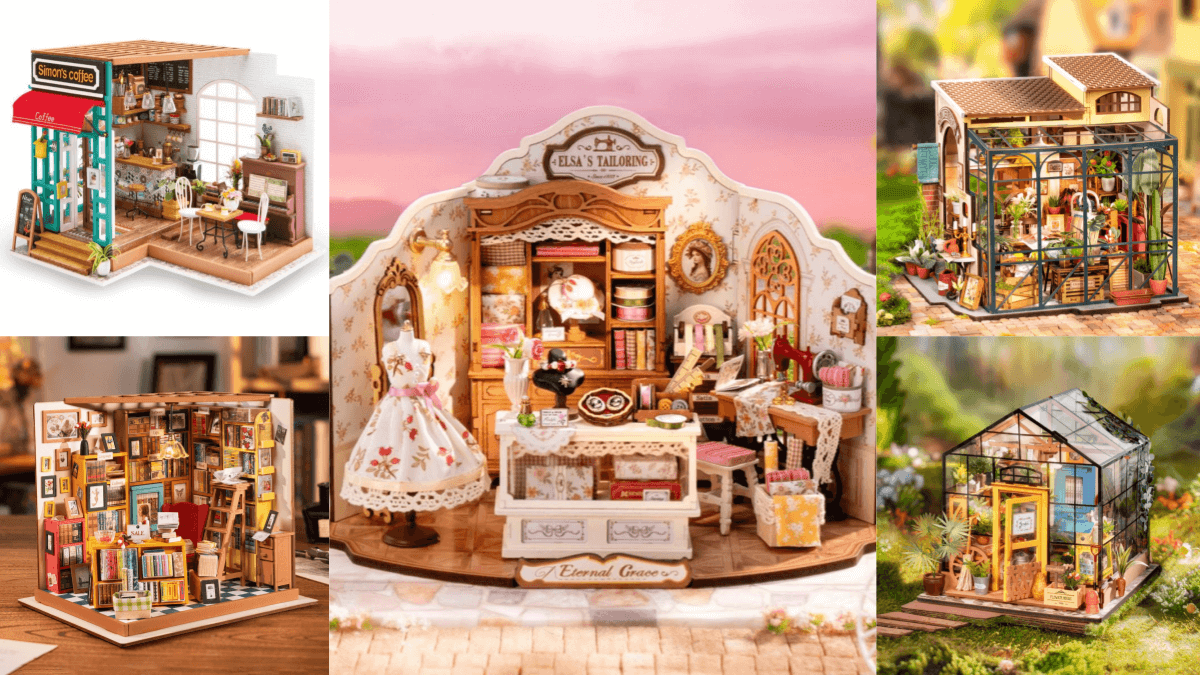
Wood-based DIY projects—from furniture to miniature crafts—rely heavily on forest resources. FSC-certified wood helps ensure that creativity and sustainability can go hand in hand.
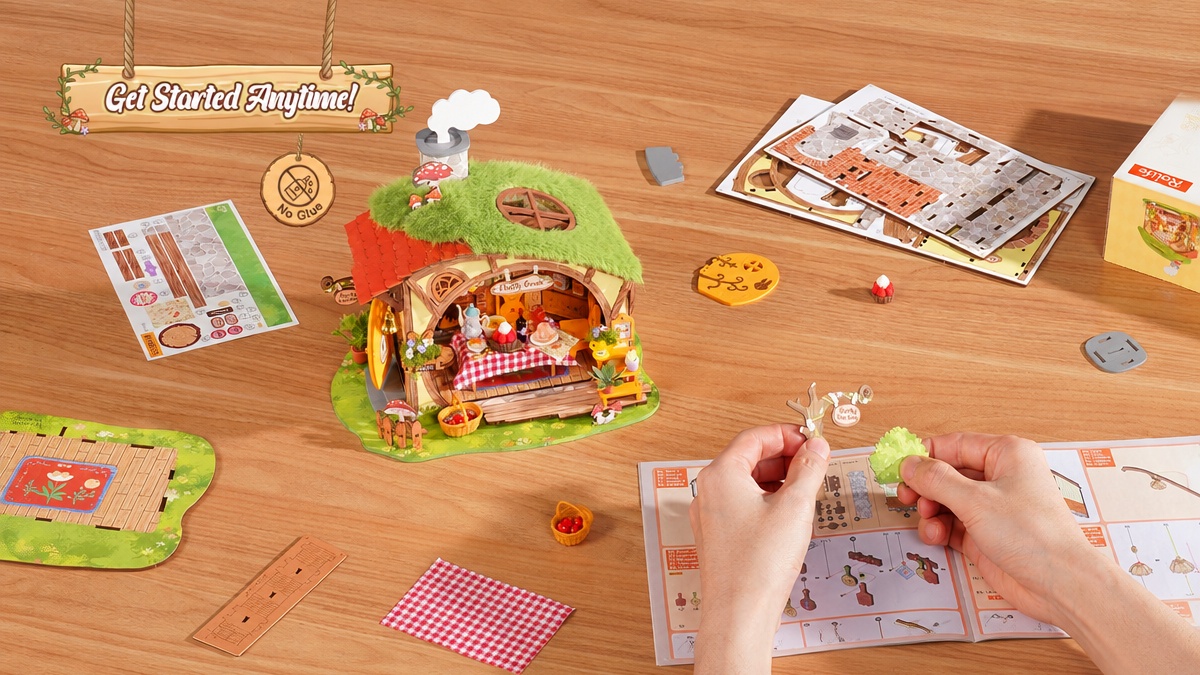
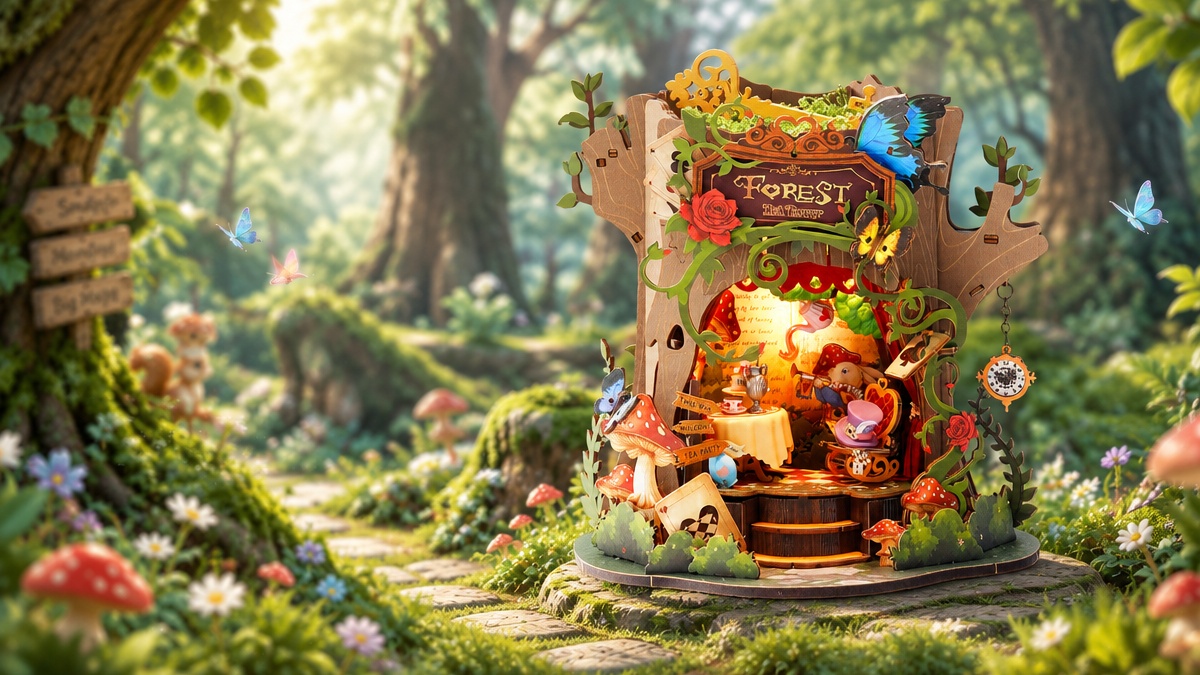
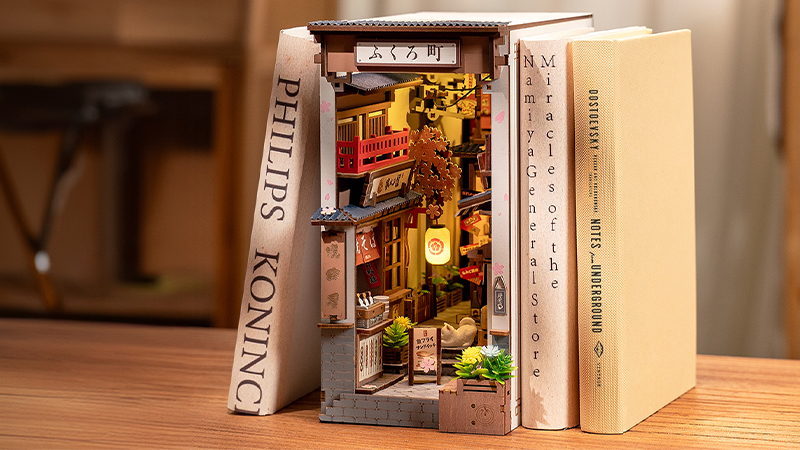
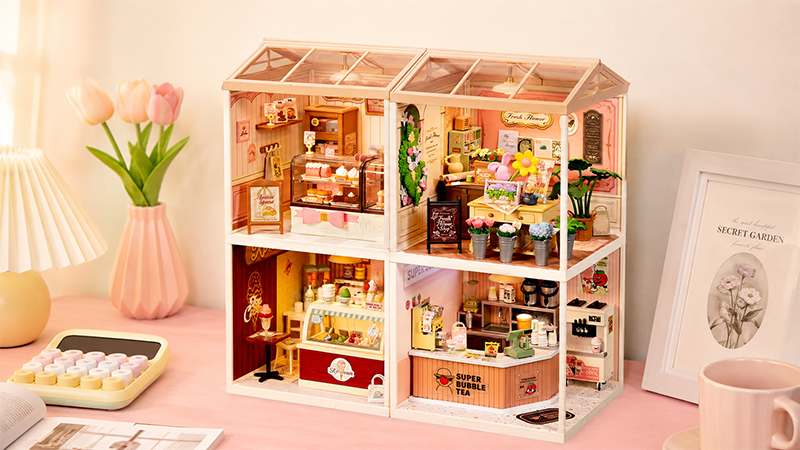
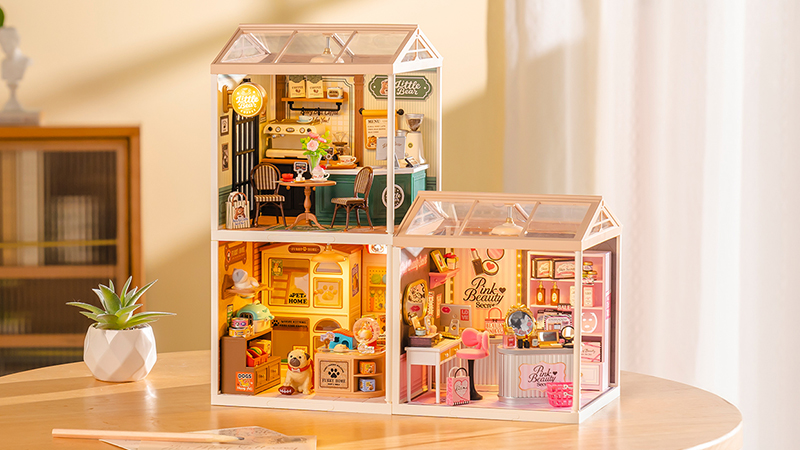
At Rolife, sustainability is considered an important part of material selection. Many Rolife DIY kits are made using FSC-certified wood, supporting responsible forestry while delivering high-quality creative experiences for builders. Choosing certified materials reflects a commitment to both craftsmanship and environmental care.
Conclusion: FSC as a Step Towards Responsible Consumption
FSC certification is not about perfection—it is about responsibility. It provides a practical framework for protecting forests while allowing people to continue enjoying wood-based products.
By choosing FSC-certified materials, both consumers and brands contribute to a more sustainable future—one where forests are respected, communities are supported, and creativity can flourish without compromising the environment.
FSC FAQs
What is the purpose of the FSC?
FSC works to address deforestation, biodiversity loss, and climate challenges by promoting responsible forest management.
What is an FSC Product?
An FSC-certified product is made from wood or forest materials sourced from responsibly managed forests that meet FSC standards.
Why Do We Need the FSC?
Forests regulate climate, clean the air, protect biodiversity, and support the livelihoods of billions of people worldwide. FSC helps ensure forests can continue to provide these benefits.
What are the Causes of Deforestation?
Deforestation can result from illegal logging, poor forest management, agricultural expansion, climate change, and forest fires.
Do FSC-Certified Products Cost More?
In many cases, FSC-certified products are similarly priced to non-certified alternatives, depending on availability and supply chains.