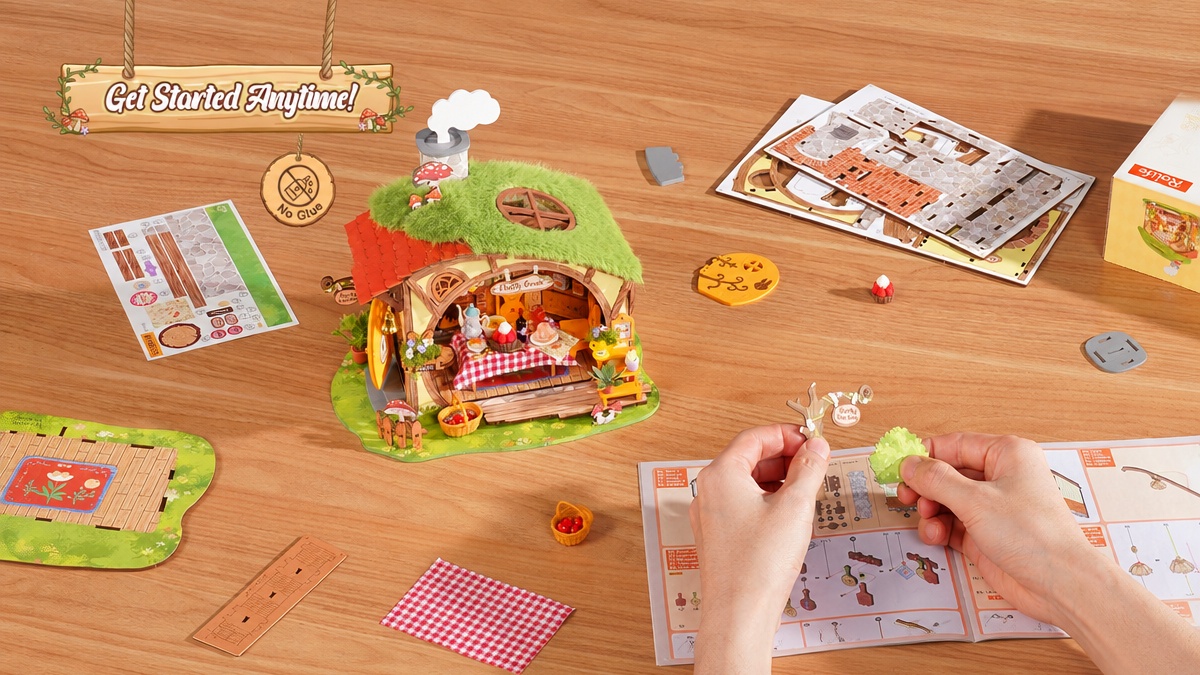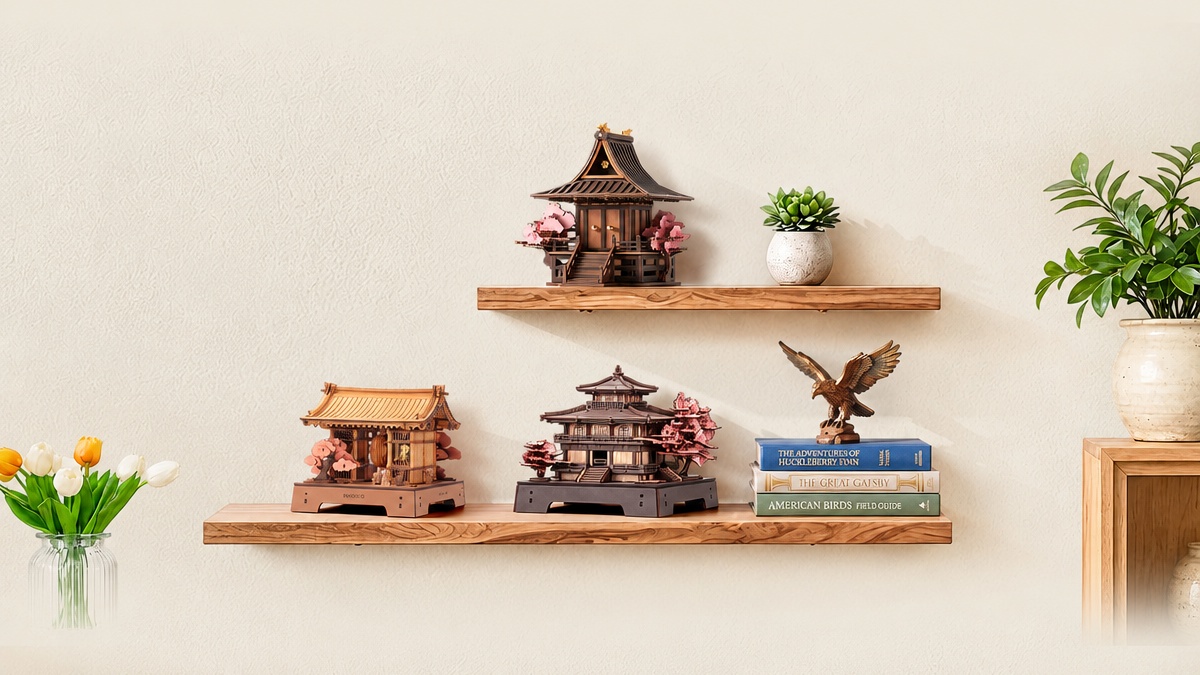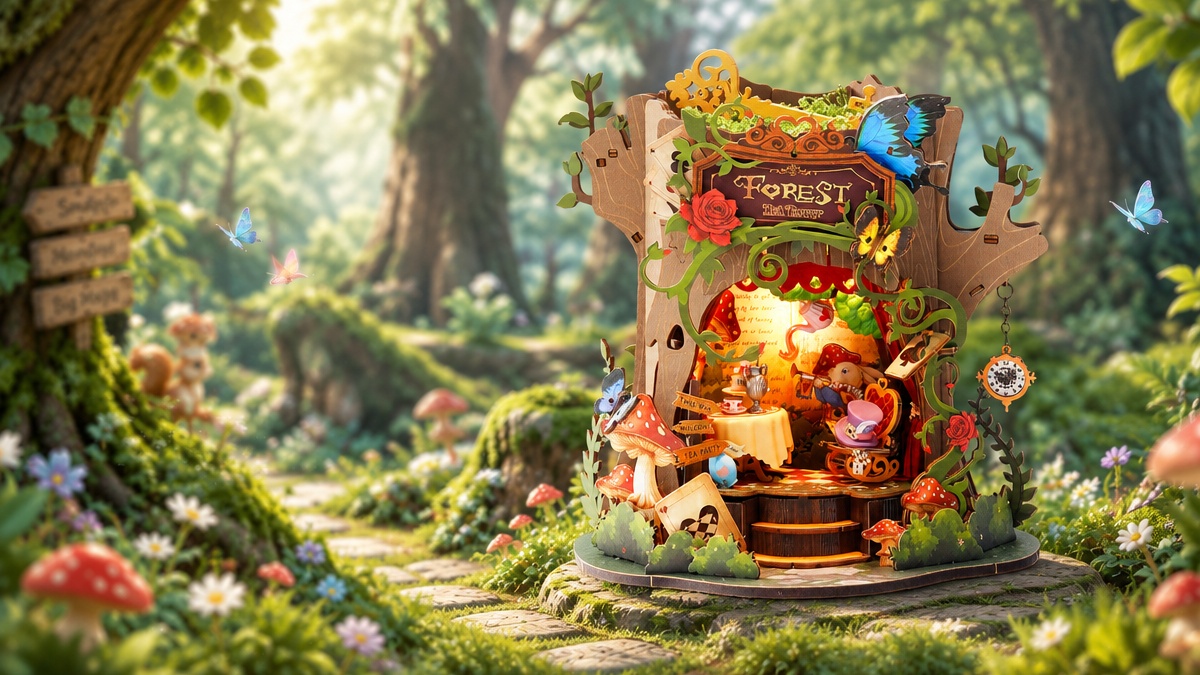


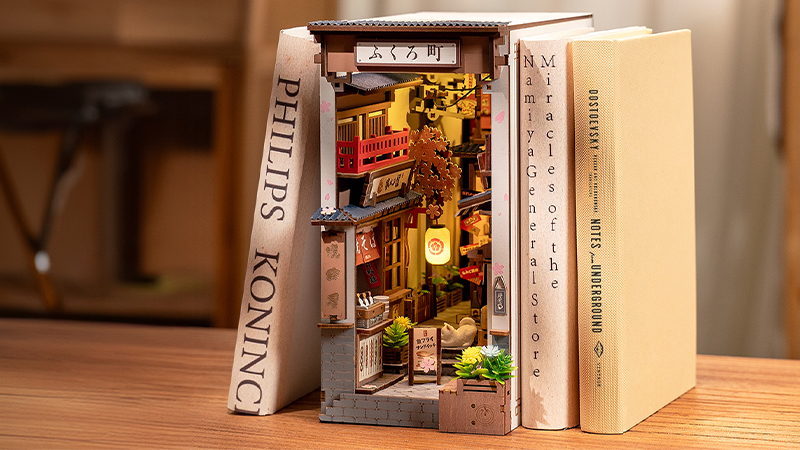

Building your miniature world is more than a hobby; it’s a gratifying experience. But to create these mini worlds, you must have the right tools. This complete guide will provide essential tools and expert tips to make you more confident and happy about building.
Why The Right Tool Matters in DIY Miniature
Having the right tools at hand before you start your miniature build achieves the following:
- Improve accuracy and reduce mistakes
- Speed up the assembly time
- Prevent damage to tiny, fragile parts
- Provides a sense of satisfaction and accomplishment.
Tools Needed For DIY Miniature Building
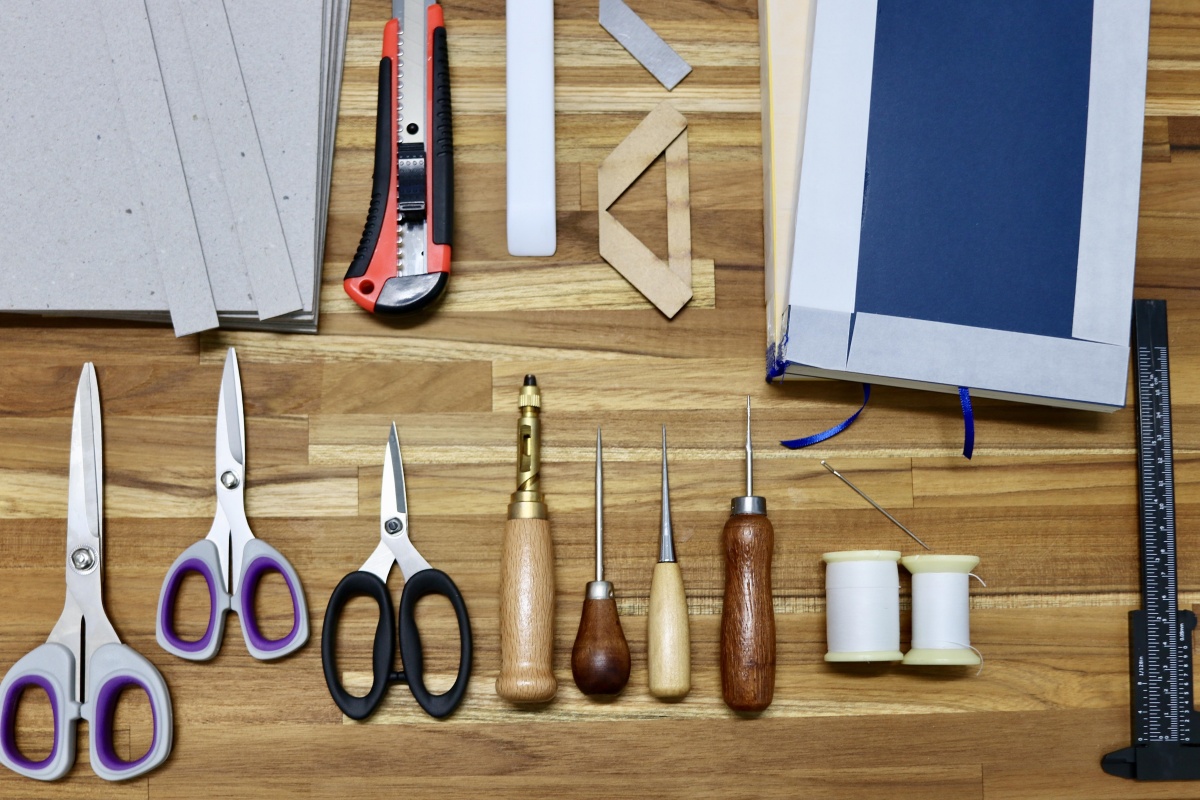
Cutting and Shaping Tools
- Craft Knife or X-Acto Knife: A useful utility that allows more accurate cutting.
- Scissors: It is used for precise trimming of excess parts. Spring scissors are particularly suitable for people with dexterity problems as they are comfortable to use.
- Sharp blade:This is used to cut small parts. Since it is extremely sharp, you should handle it with care.
- Cutting Mat:It safeguards your working space and ensures it is free of debris.
- Metal Pincers:It is used to cut metal wire.
- Pliers:These tools are used to hold tiny glued parts and to shape wire. You could either get the round-nose or flat-nose bent pliers.
- Poky Tool:It is useful for poking holes, arranging glued pieces, and shaping wires.
Handling and Measuring Tools
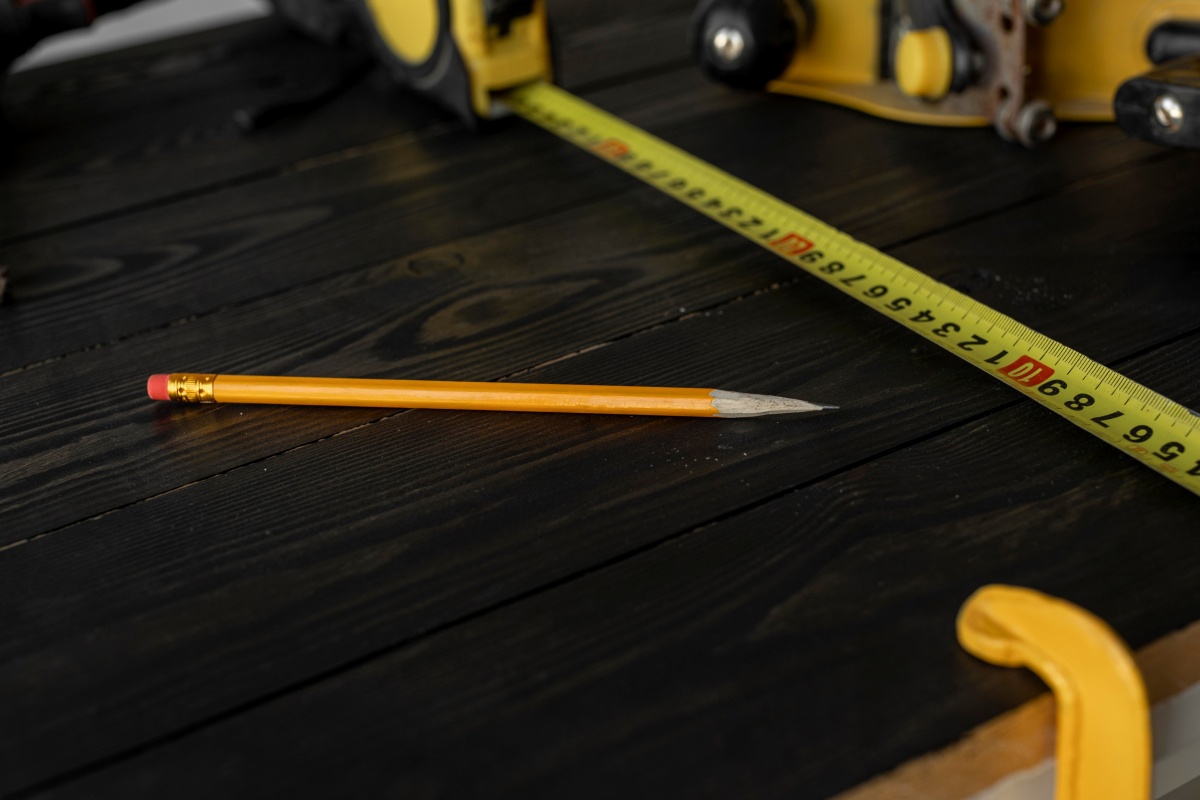
- Steel Ruler: This is used for measuring, aligning, and straightening wires. It is usually measured in inches (in) and centimeters (cm).
- Tweezers: Tweezers enable a delicate handling of your DIY miniature pieces. They are ideal for placing tiny parts and fine positioning.
- Mechanical Pencil: This is used for marking and drafting.
Adhesive Tools: Glue
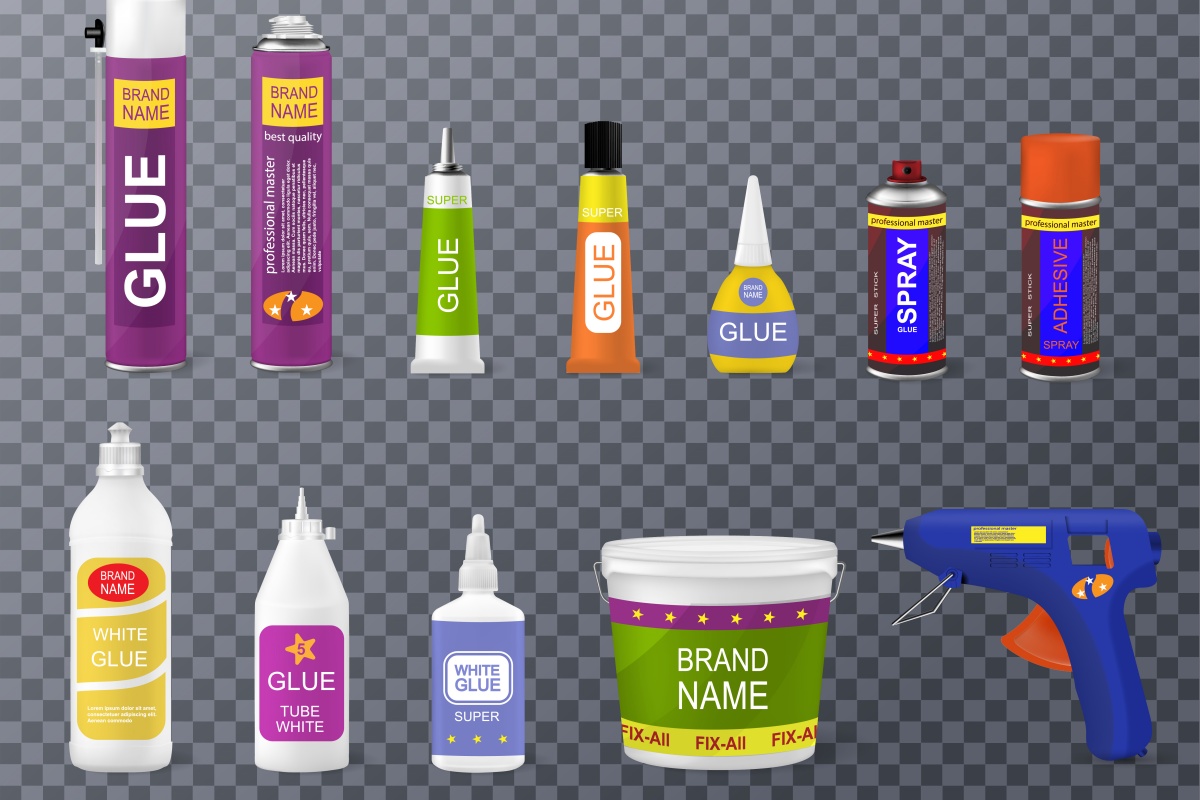
- UV Pen and Resin Glue:These tools can bond tricky components with precision.
- SiliGlue:As the name implies, it is a silicone-based glue for quick drying and a clear finish.
- Art Institute Glitter Glue: It is a fast-drying adhesive that is compatible with various materials.
- Ultra-Fine Applicator Bottles: They enable you to apply glue to smaller areas.
- Glue Gun:A useful tool to speed up glue drying in detailed work.
Extra Tools to Streamline Workflow
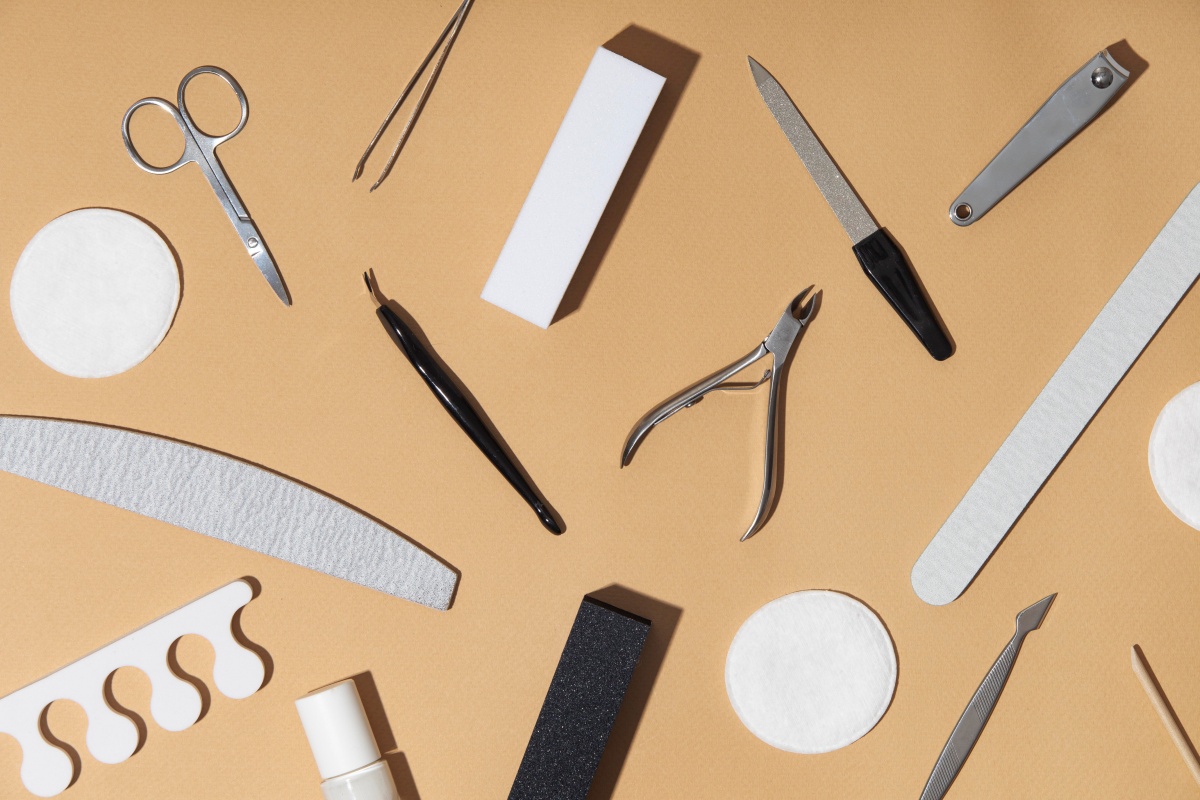
- Nail file:A substitute to sandpaper in smoothing out the rough edges.
- Pick-me-up tool: A tool that has a pen shape that is used to pick small components.
- Scoring tool:It ensures precise folds on paper and cardstock.
- Eraser:An efficient remover of pencil marks.
- Tape runner:A tool that is used to hold pieces in place when cutting or positioning. You could either get the permanent or removable type, or you could have them both.
- Mini clamps and clips: These are handy devices to use when you want glued pieces to stay in shape as they dry.
- Stainless steel pin:It is used to unclog glue applications or to gain access to narrow spaces.
- Acrylic Paint: It is used to add color to your miniature kit without a mess.
- Wax:It is a useful tool to smooth the gear component and reduce friction.
- Storage bin:It is used to organize leftover parts so you don’t miss a thing.
Pro Tips for a Better Build Experience
- Organize and sort your puzzle pieces by type to avoid frustration.
- Test pieces in their position for gluing. You can sand lightly with a nail file or sandpaper for a perfect fit.
- Add personal style to your DIY miniature. A printed décor or custom fabric can bring unique charm and realism.
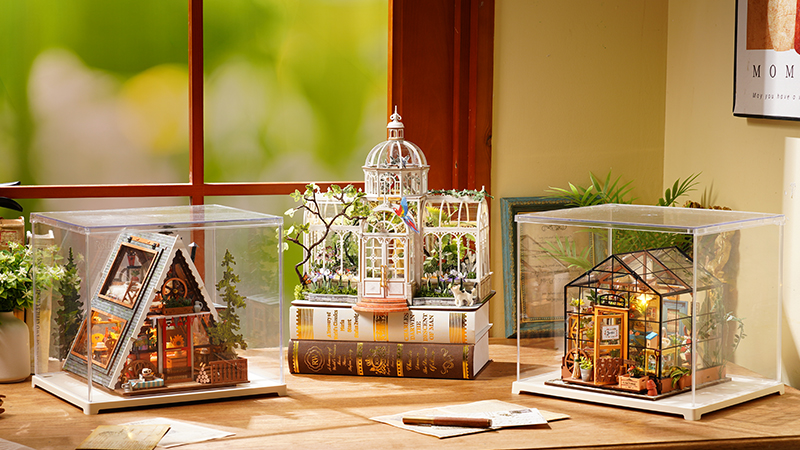
- Store the kit away in a place that is not subject to dust and sunlight. You can place it in a display box to elevate your shelf game.
Final Thoughts
Whether you’re a first-time builder or a pro, using the right tool kit cannot be overemphasized. With this essential tool guide, we are confident that you’ll build something you and your loved ones will cherish.
Explore our Rolife miniature kits and start building your dream creation today!
Explore Our DIY Miniature House Guide
Discover the essential tools for building your miniature house in our Miniature House Hub.
Visit the Hub