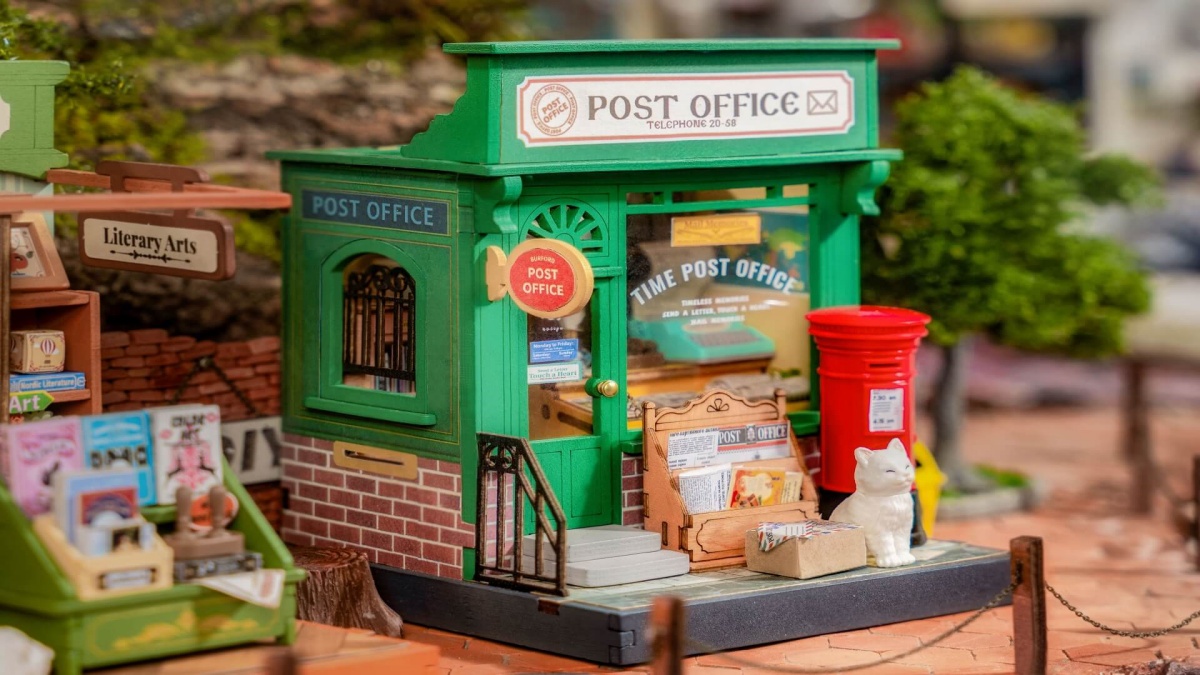
Quick Answer: How Do You Choose the Right Wooden Model Kit?
To choose the right wooden model kit for your skill level, start with your experience, patience, piece count, model type, tools required, and display space. Beginners should choose smaller kits with clear instructions and fewer delicate parts, while experienced builders can try larger mechanical models, lighted book nooks, or detailed miniature scenes.
Choosing the right wooden model kit is less about finding the most impressive design and more about finding a build you will actually enjoy finishing. A beautiful model can become frustrating if it has too many tiny parts, unclear steps, or a structure that asks for more patience than you expected.
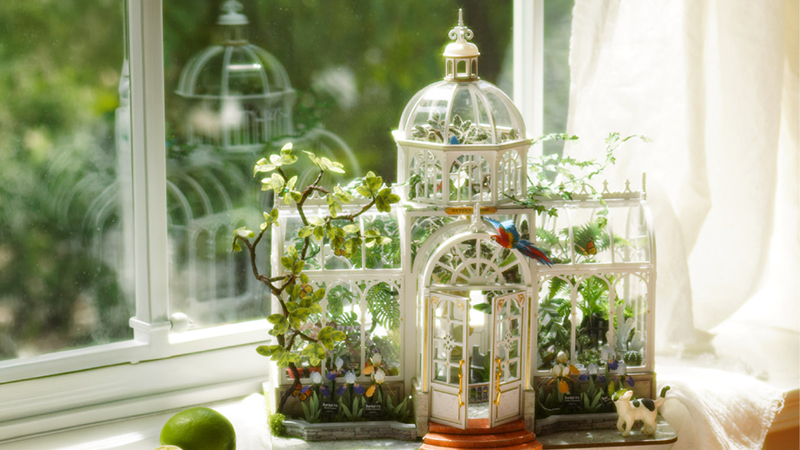
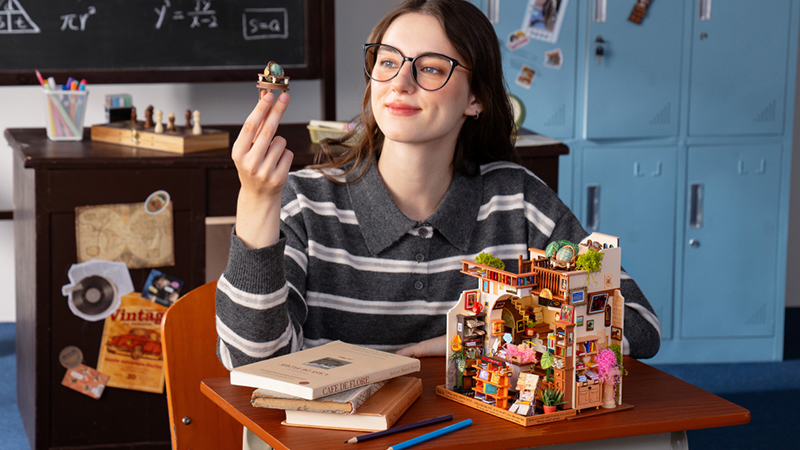
If you are new to wooden model kits, start by matching the kit to your comfort level, not just the final look. Rolife's wooden model kits include compact 3D wooden puzzles, architecture models, book nook scenes, and miniature houses, so the best first choice depends on how you like to build.
Start With Your Experience Level
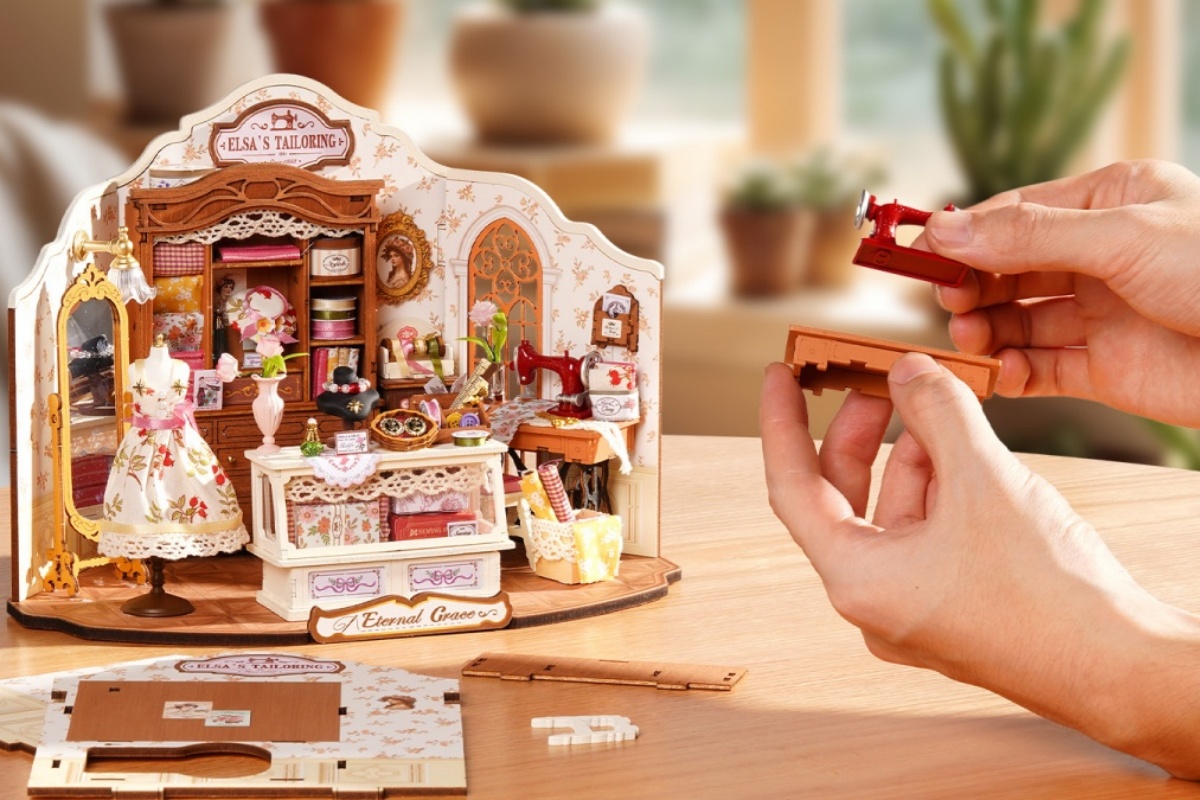
Your experience level is the easiest way to narrow the search. A first build should feel clear and motivating; a later build can ask for more time, detail, and careful alignment.
Beginner
Choose a beginner wooden model kit if you:
- Have never built a wooden model before
- Want a shorter, calmer project
- Prefer larger pieces and clearer assembly steps
- Are buying the kit as a gift for someone new to DIY models
- Want a finished piece without a long build commitment
Good beginner-friendly product types include small 3D wooden puzzles, compact architecture models, simple vehicles, small decorative models, and low-mess kits with fewer delicate parts. For beginners, the goal is not to prove skill. It is to finish the first project feeling relaxed enough to want another one.
Intermediate
Choose an intermediate wooden model kit if you:
- Have built at least one wooden model or puzzle before
- Are comfortable following multi-step instructions
- Do not mind smaller details
- Want a more impressive display piece
- Can spend several sessions on one project
Good intermediate product types include lighted architecture kits, medium mechanical models, book nook kits with moderate detail, compact DIY miniature house kits, and decorative models with layered structure or lighting.
Advanced
Choose an advanced wooden model kit if you:
- Enjoy slow, detailed building
- Have patience for delicate parts
- Can troubleshoot careful alignment
- Like complex structures or realistic miniature scenes
- Want the building process to be as satisfying as the final display
Good advanced product types include large mechanical 3D wooden puzzles, complex book nooks, multi-room miniature houses, detailed architectural models, and kits with lighting, delicate alignment, or many small accessories. Advanced kits can be rewarding, but they are better for builders who already know they enjoy careful assembly.
Check the Piece Count, But Do Not Rely on It Alone
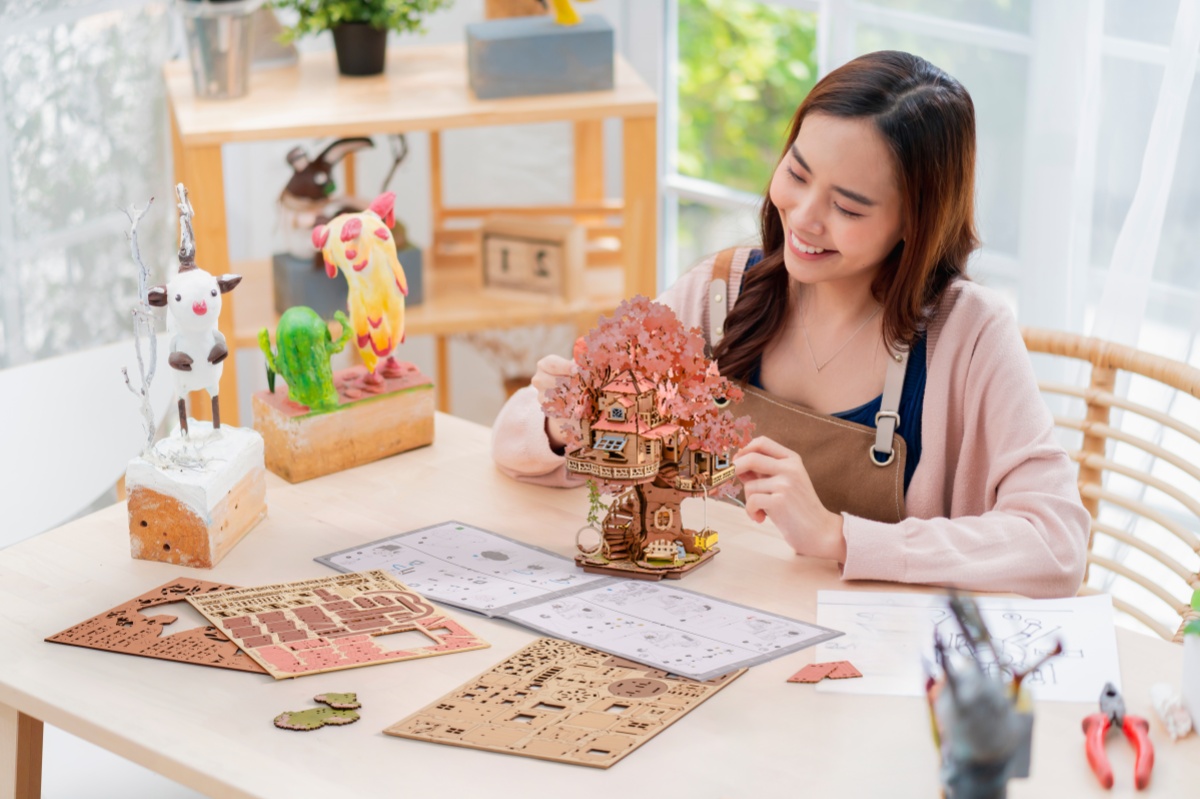
Piece count is useful, but it does not tell the whole story. A 120-piece model with tiny delicate parts may feel harder than a 200-piece model with larger, repeating structures. A lighted kit may also take more patience than a non-lighted kit with a similar number of pieces.
| Piece Count | Best For | What to Watch For |
|---|---|---|
| Under 100 pieces | First-time builders, quick gifts, casual weekend projects | May still be tricky if the parts are very small |
| 100-199 pieces | Beginners who want a satisfying build with more detail | Usually a good balance, but check shape and assembly style |
| 200-299 pieces | Confident beginners or intermediate builders | Look for lighting, moving parts, or delicate sections |
| 300+ pieces | Patient builders who enjoy longer projects | Best for people comfortable with multi-session builds |
If you are unsure, choose a kit with a lower piece count and a shape you genuinely like. Enjoyment matters more than ambition.
Think About the Type of Model
Different wooden model kits feel different to build. The best category depends on whether you enjoy structure, movement, storytelling, or display decor.
Architecture Models
Architecture kits are good for people who like landmarks, clean structures, and display pieces. They often involve walls, towers, arches, roofs, or layered facades. Compact architecture models can be a strong beginner choice because the finished shape is easy to understand as you build.
Mechanical Models
Mechanical-style wooden puzzles may include gears, moving parts, or more precise fitting. They are satisfying, but they can require more patience and careful alignment. Beginners can still enjoy them, but it is better to start with a simpler mechanical design.
Miniature Scenes
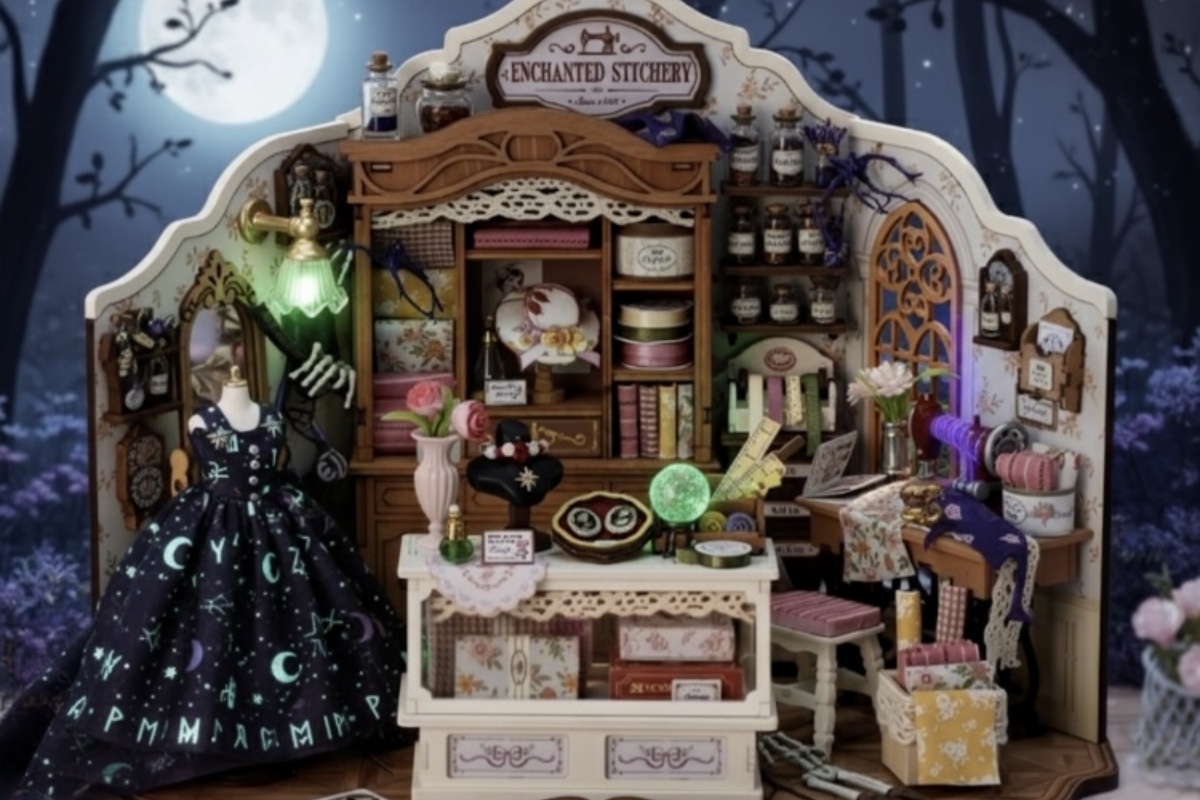
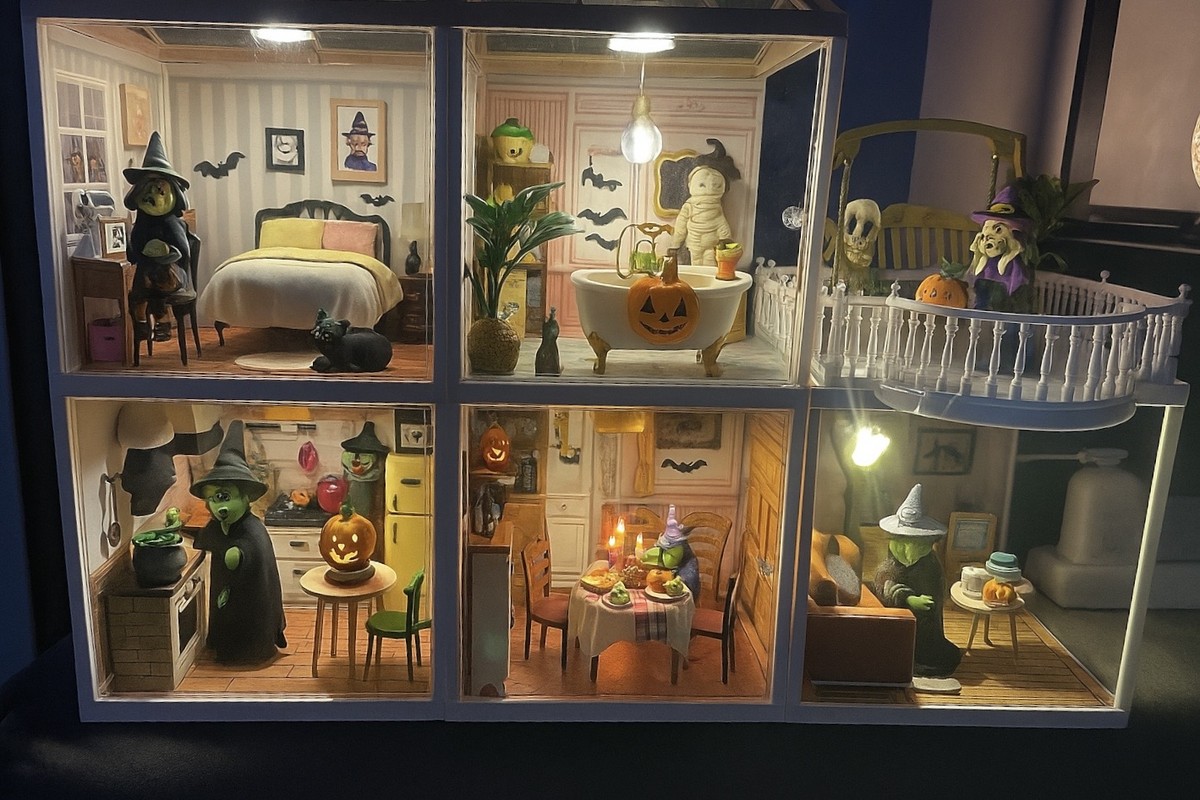
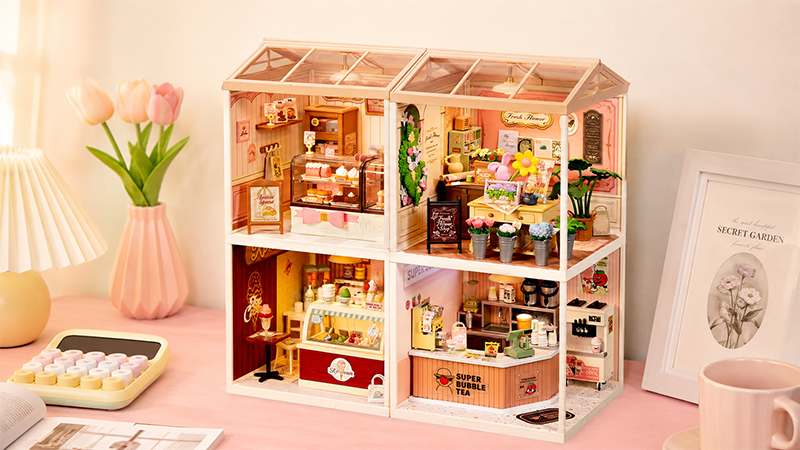
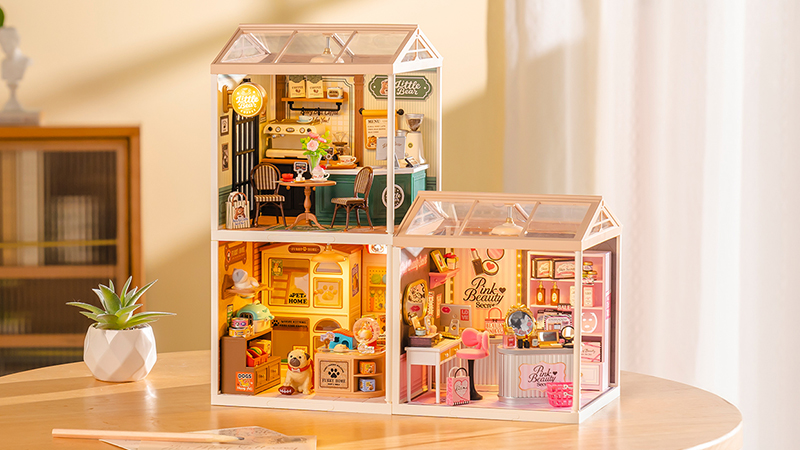
Miniature houses, shops, and rooms usually involve more decoration, small accessories, and visual storytelling. If you like tiny details, they can be wonderful. If small parts frustrate you, start with a simpler wooden puzzle before moving into detailed DIY miniature scenes.
Book Nook Kits
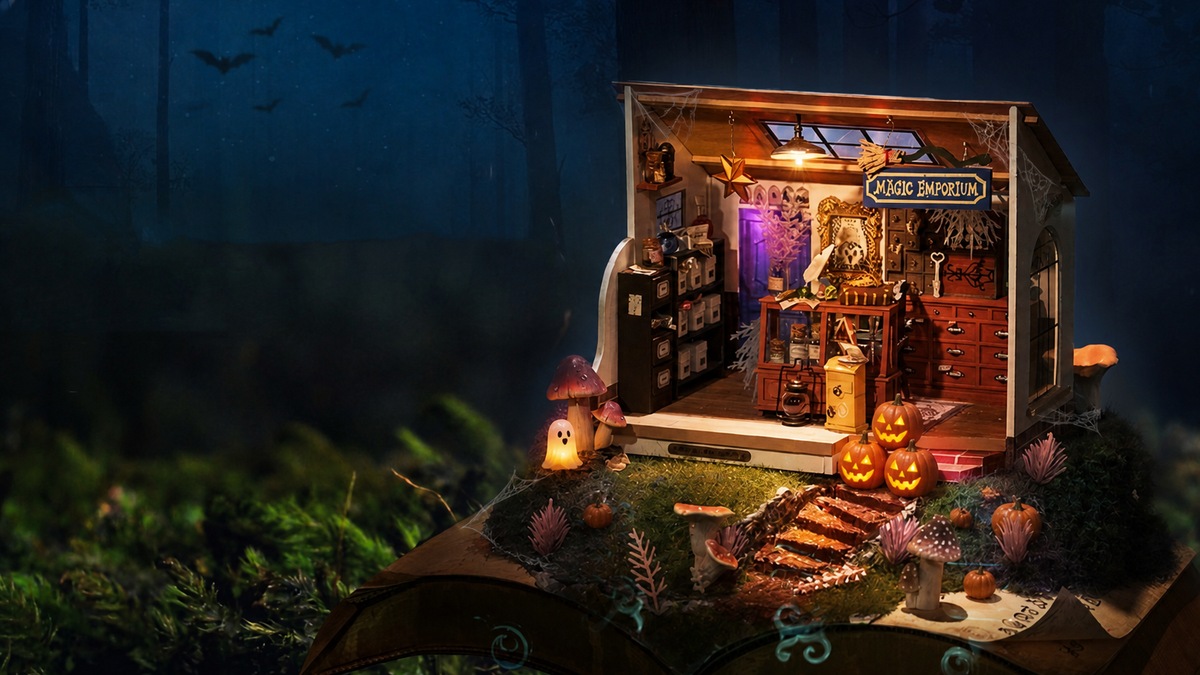
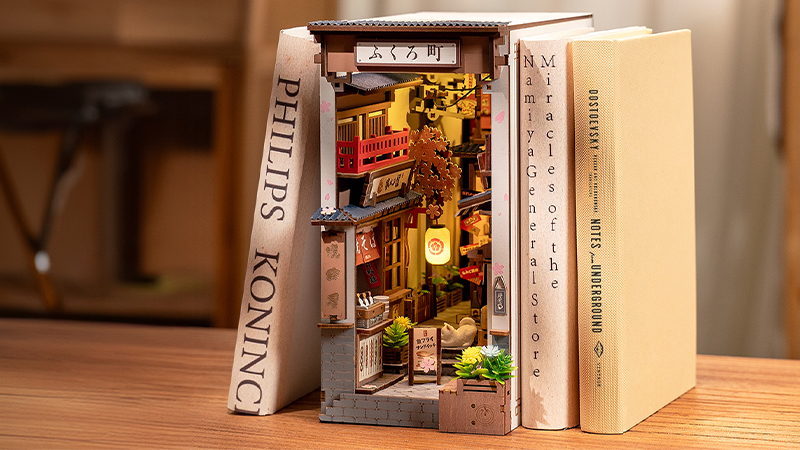
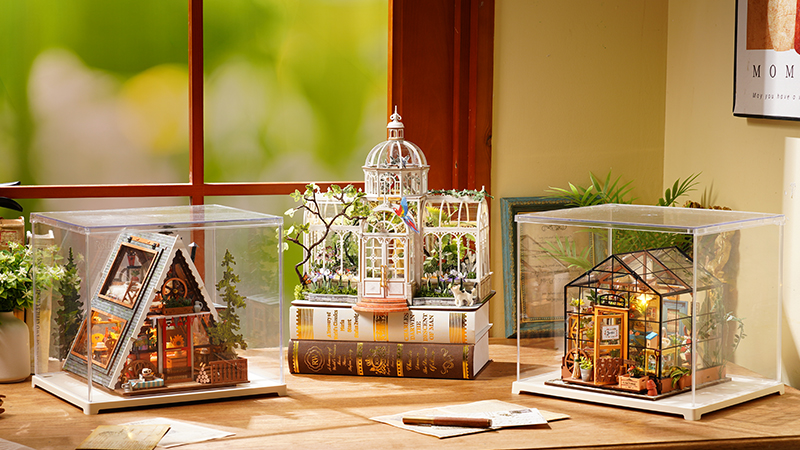
Book nooks are display-focused and often include layered scenery, lighting, and small decorative pieces. They are great for readers and bookshelf decor lovers. Beginners should choose simpler book nook kits for beginners first, then move into more detailed scenes once they feel comfortable.
Recommended Wooden Model Kits by Skill Level
Use these examples as a practical starting point. The goal is to match the project style to the builder's patience, not to chase the largest or most dramatic finished model.
| Skill Level | Good Directions | Example Starting Point |
|---|---|---|
| Beginner | Small 3D wooden puzzles, compact decorative models, simple vehicles | Hot Air Balloon TG406 |
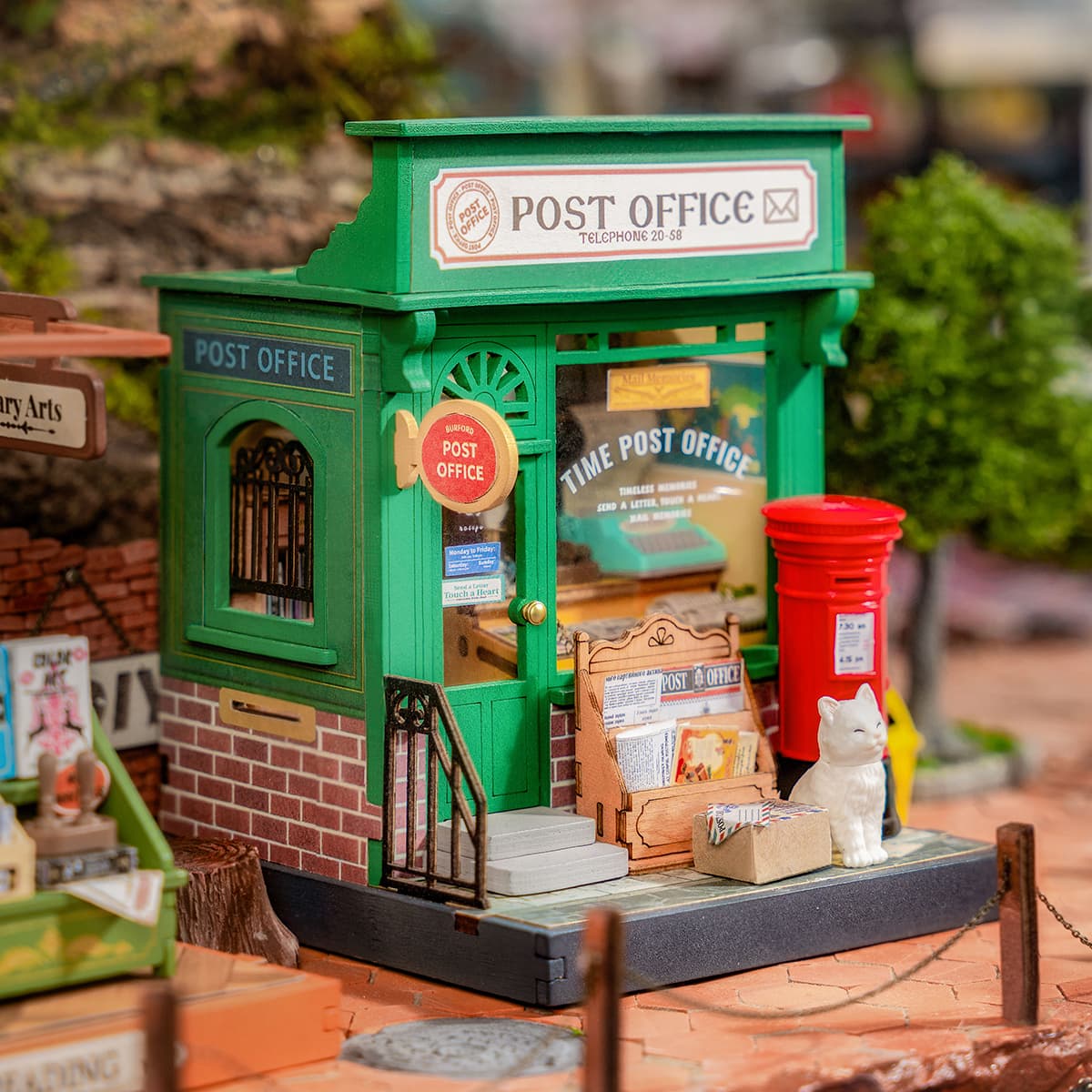
| Beginner to confident beginner | Small miniature scenes with easy structure and clear display value | Century Post Office DS037 |
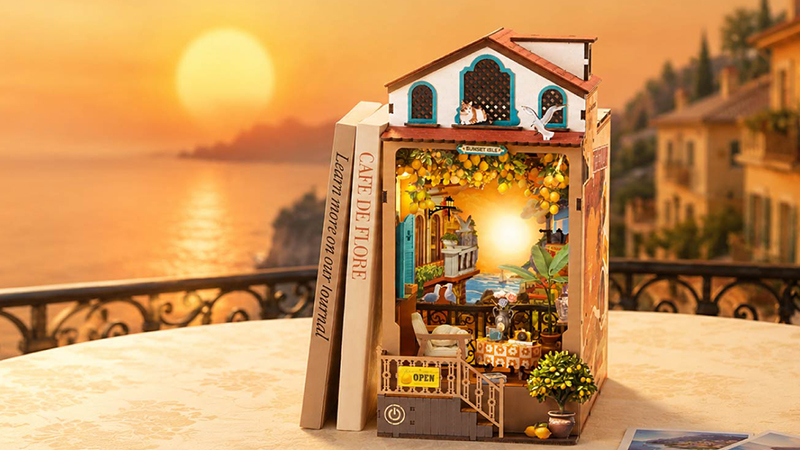
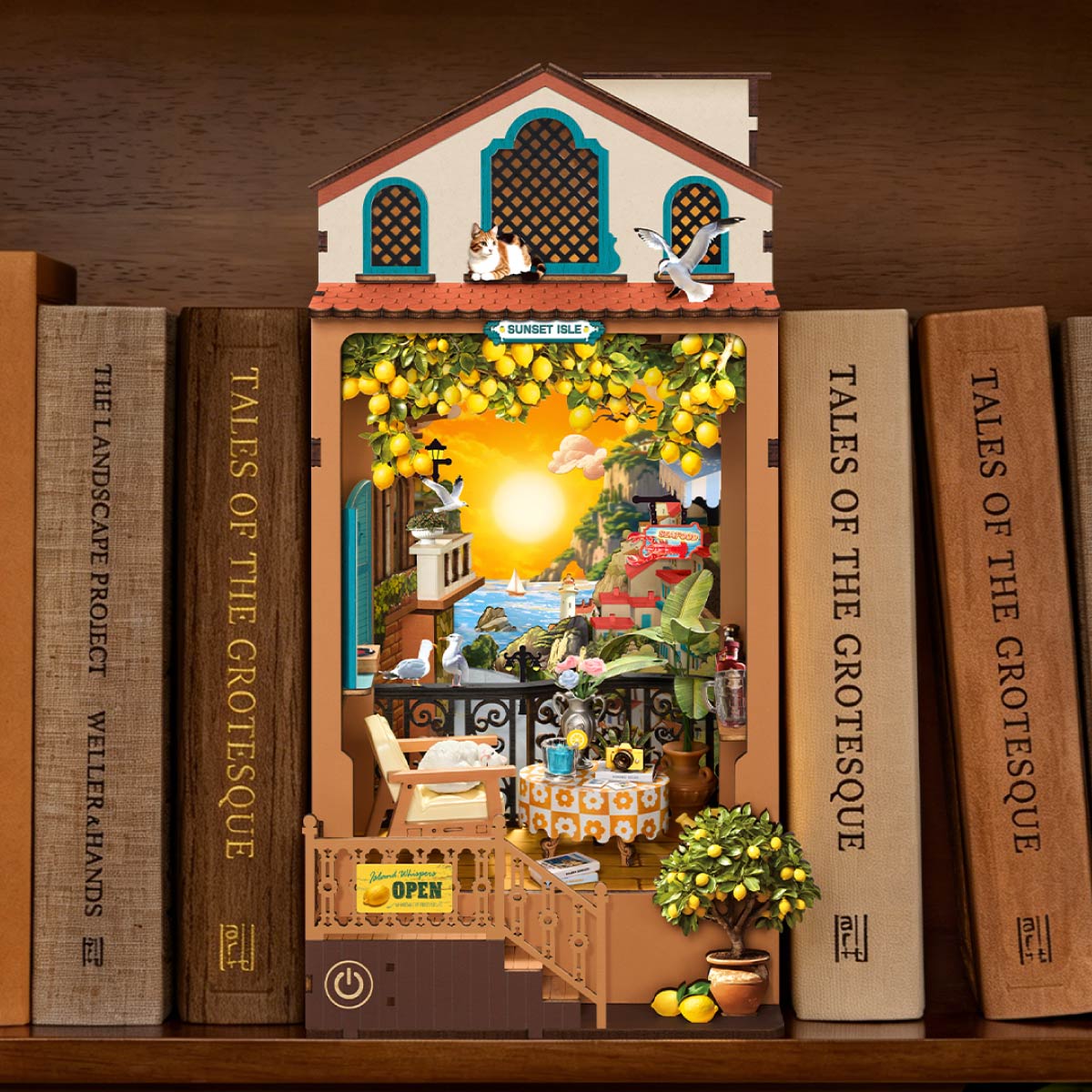
| Intermediate or patient builder | Book nooks, lighted scenes, more decorative layers | Sunset Isle TGB18 |
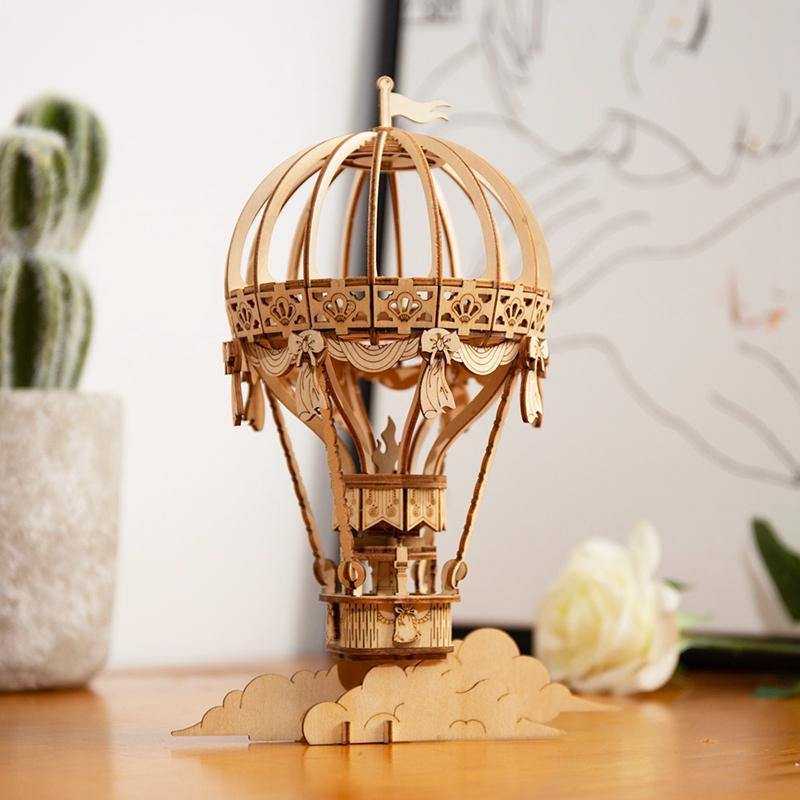
Beginner Example: Hot Air Balloon TG406
The Hot Air Balloon TG406 is a good example of a first wooden model kit because it has a clear shape, a decorative finished look, and a manageable build style. It suits someone who wants a light, displayable project before trying a larger structure.
Beginner Miniature Example: Century Post Office DS037
The Century Post Office DS037 is useful for beginners who want a miniature scene rather than a pure puzzle. It keeps the project compact while still giving the satisfaction of a finished room-style display.
Patient Builder Example: Sunset Isle TGB18
The Sunset Isle TGB18 is better for someone who wants a richer bookshelf display and does not mind a more involved scene. It is a better fit after a builder has some confidence with small parts, lighting, or layered scenery.
Match the Kit to Your Patience, Not Just Your Skill
Some beginners are careful and patient. Some experienced crafters want a fast, relaxing project. Skill level is not only about ability; it is also about how you like to spend your time.
Ask yourself:
- Do I want to finish this in one sitting or over several days?
- Do I enjoy tiny details?
- Do I get frustrated when parts need gentle pressure?
- Do I like reading instructions carefully?
- Will I have a clean workspace where pieces will not get lost?
If you want a low-stress first build, choose a kit with fewer parts, a clear shape, and a finished design you can display right away.
Consider Who the Kit Is For
If you are buying a wooden model kit as a gift, choose more conservatively than you would for yourself. For a first-time builder, a beautiful but complicated model can feel like homework. A smaller, beginner-friendly design is usually a safer gift because the recipient gets the satisfaction of finishing it.
For a hobbyist, you can choose something more detailed, especially if they already enjoy puzzles, crafts, building sets, model making, or miniature decor. If you are not sure where to begin, the Rolife guide to the easiest Rolife kits for beginners can help narrow the first choice.
Look at the Finished Size
A larger finished model is not always harder, but it does ask for more display space. Before choosing, think about where the model will go.
Good display spots include bookshelves, desks, bedside tables, mantels, craft rooms, and home office shelves. If the recipient lives in a small apartment or dorm room, a compact model may be more practical than a large statement piece.
Check Whether It Includes Lighting or Extra Features
Lighting can make a wooden model feel more special, especially for architecture, book nooks, and room decor. But lights may also add small installation steps.
For beginners, lighting is fine when the kit is clearly designed for easy assembly. If the builder is nervous, start with a non-lighted model or a simple lighted design rather than a complex scene. For more help with category-specific choices, compare the 3D wooden puzzle beginner guide, the DIY book nook beginner guide, and the miniature house beginner guide.
Beginner-Friendly Buying Checklist
Before choosing a wooden model kit, check:
- Skill level or difficulty label
- Piece count
- Finished size
- Estimated assembly time, if listed
- Whether glue, batteries, or tools are needed
- Age guidance
- Lighting or moving parts
- Display style
- Reviews or product photos, if available
Do not choose only by the prettiest picture. Choose the kit that matches the builder's patience, workspace, and reason for crafting.
FAQ About Choosing a Wooden Model Kit
What Wooden Model Kit Is Best for Beginners?
The best wooden model kit for beginners is usually a small 3D wooden puzzle, compact architecture model, simple vehicle, or decorative model with fewer parts and clear instructions. Avoid very large mechanical models or highly detailed miniature scenes for a first build.
How Many Pieces Should a Beginner Wooden Model Kit Have?
Many beginners are comfortable starting with a kit under 200 pieces. Under 100 pieces is best for a very simple first project, while 100-199 pieces can offer a more satisfying build without feeling too demanding.
Are 3D Wooden Puzzles Easier Than Miniature House Kits?
In many cases, yes. 3D wooden puzzles often focus on structure and fitting pieces together, while miniature house kits may include furniture, paper details, lighting, and tiny accessories. A simple 3D wooden puzzle is usually a better first step before a detailed miniature house kit.
Are Book Nook Kits Good for Beginners?
Book nook kits can be good for beginners if the design is not too complex. Look for a beginner-friendly or simpler book nook with clear steps, moderate detail, and a finished size that fits your bookshelf. More detailed book nooks are better for intermediate builders.
What Tools Do I Need for a Wooden Model Kit?
Many wooden model kits include the main pieces needed for assembly, but you may still want basic tools such as tweezers, a craft knife, sandpaper, glue, or small clamps depending on the kit. Always check the product page or instruction notes before starting.
How Do I Know If a Wooden Model Kit Is Too Difficult?
A kit may be too difficult if it has a very high piece count, many tiny parts, delicate alignment, moving mechanisms, complex lighting, or a long estimated build time. If you are unsure, choose a smaller kit first and build confidence gradually.
Should I Choose a Wooden Model Kit by Piece Count or Difficulty Level?
Use both. Piece count gives you a rough idea of project length, while difficulty level tells you more about assembly complexity. Also check the model type, lighting, moving parts, finished size, and how much patience the build may require.
Final Recommendation
If you are a complete beginner, start with a small or medium 3D wooden puzzle before trying a complex miniature house or large mechanical model.
If you have some craft experience, choose a model with more visual detail, such as an architectural puzzle, lighted decor piece, or compact miniature scene. If you already enjoy detailed crafting, then a larger wooden model kit can be a rewarding longer project.
The right kit should feel inviting, not intimidating. Start with a kit that matches your pace, then explore beginner-friendly 3D wooden puzzles, book nook kits, or DIY miniature house kits based on the kind of building experience you want.