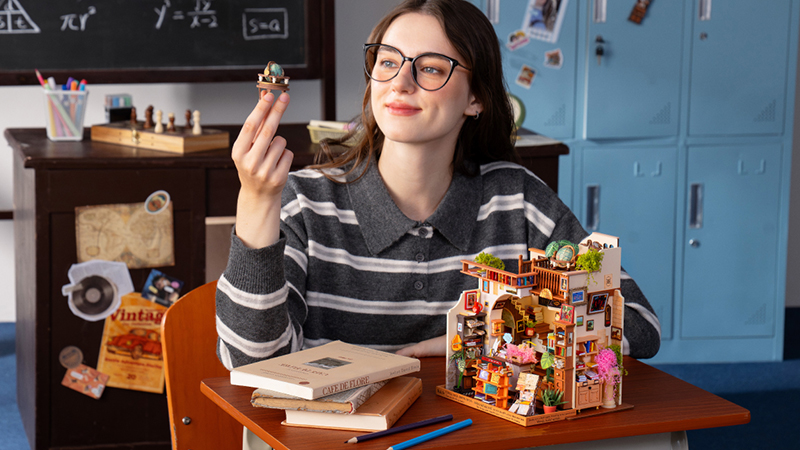
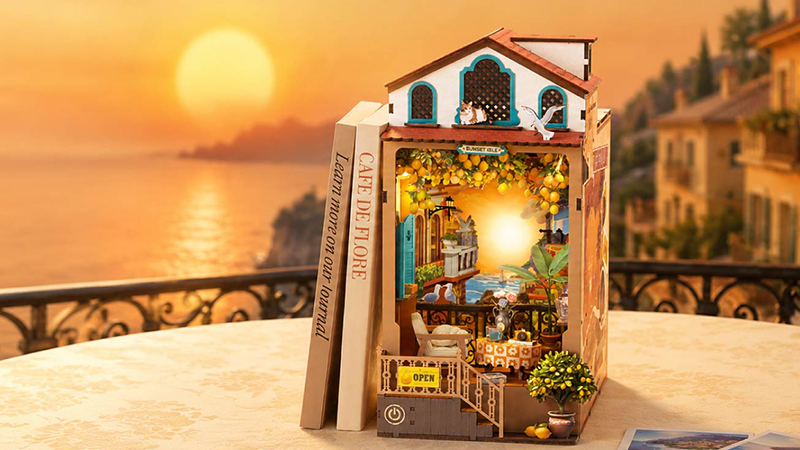
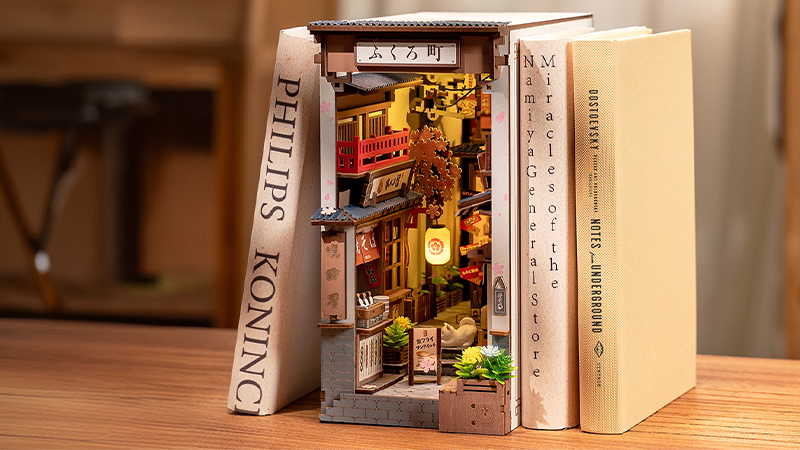
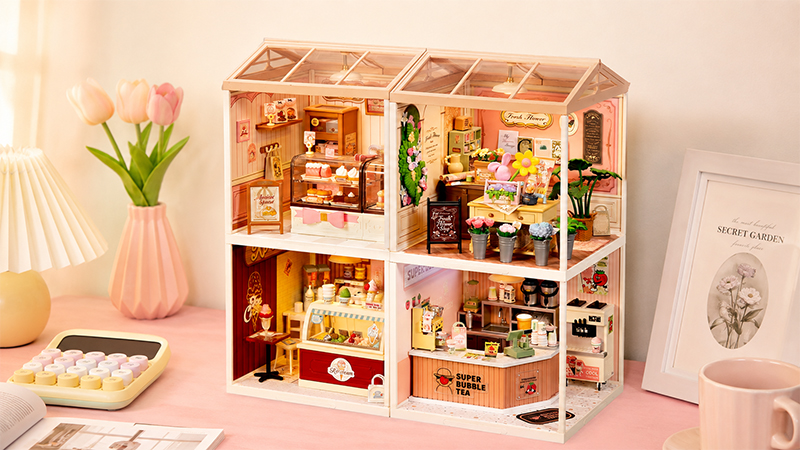

Quick Answer: Give the same miniature furniture a different character by changing its surroundings, color combinations and accessories. These Rolife Community designs were created in the Fun Pieces online designer using furniture and accessories from Fun Pieces, Rolife’s new miniature product range. Every accessory in the designer can be purchased directly from the Rolife website, so you can bring your design to life by assembling and arranging the real pieces at home.
The images below are digital room designs shared in the November 2026 Rolife Community challenge. Any prices visible in screenshots belong to the original design session.
What should you compare before changing the furniture?
Look at the background, neighboring objects and main activity. Those choices often explain why similar furniture feels different from one room to another. The examples below compare shared colors and types of objects; they are not exact shopping lists or claims that every similar-looking piece is the same product.
Green seating with a pale, open background
Rolife Community maker: Icecreamqueen

Icecreamqueen’s green chair sits among pale cabinets, plants and a tall window. The visible floor and light surroundings give the seat room to stand out. The plants repeat the green without covering the furniture.
For a quieter arrangement, this is a useful pattern: let the main seat carry the strongest color and keep much of the structure pale.
What to try: Try a light background when you want one colored chair to be the first thing you notice.
Green seating surrounded by books and coffee
Rolife Community maker: joannasison

joannasison uses a green seat within a more enclosed arrangement of bookshelves and coffee equipment. The chair is part of a group of activities rather than an isolated accent.
Comparing it with the previous design shows that the surroundings matter as much as the chair color. Books and a coffee station suggest how the room would be used, while the shelving changes the visual balance around the seat.
What to try: Add related objects around a colored seat when you want the scene to communicate a fuller routine.
Pink bedding repeated in smaller accents
Rolife Community maker: Peninnah Sarra

Peninnah Sarra’s bedroom extends the pink of the bed into smaller details near the reading and coffee areas. The pale furniture connects the different parts of the room.
This makes the color feel like a theme running through the design. If you enjoy a coordinated room, look for a few smaller accents that repeat the bedding color without covering every surface in it.
What to try: Repeat the main color at more than one height so the eye moves through the room.
Pink bedding as the main soft accent
Rolife Community maker: Ladyoflarkspur

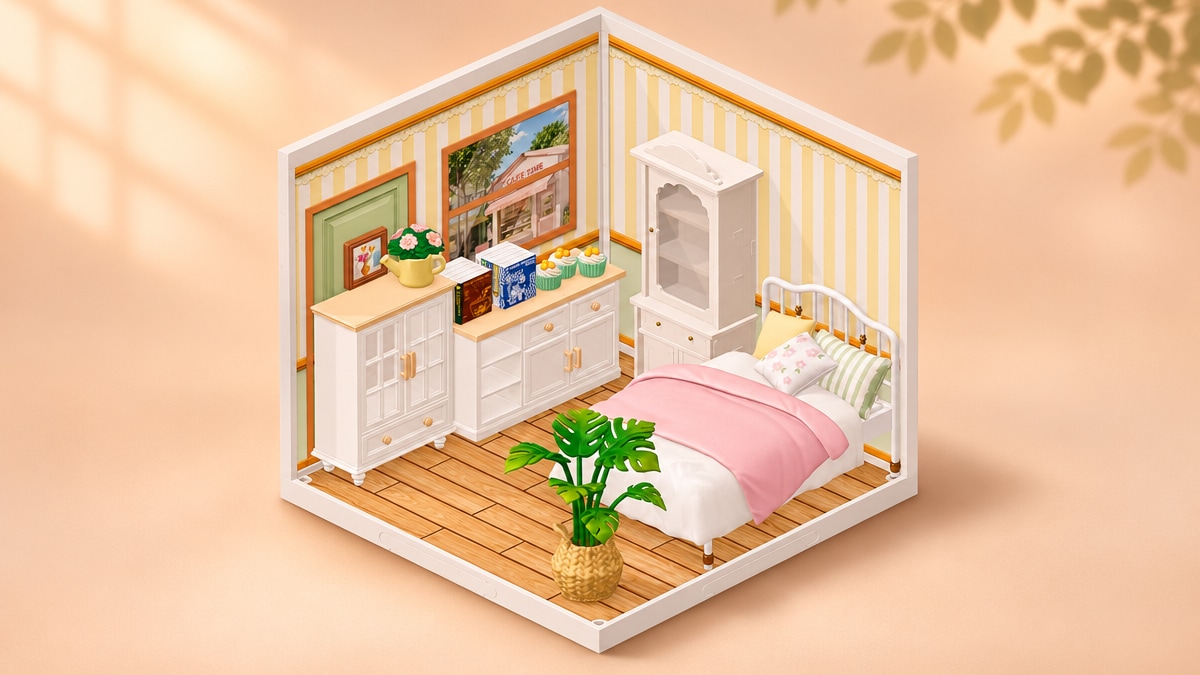
Ladyoflarkspur’s bedroom keeps the pink bed prominent among pale furniture and plants. The surrounding arrangement gives the bed more breathing room.
Here the supporting objects do less color-matching work, so the bed remains the clearest soft accent. It is an alternative for someone who likes pink but wants the room to feel more restrained.
What to try: Use pale storage and a little greenery when you want the bed color to remain distinct.
Coffee equipment that establishes a café
Rolife Community maker: Cassandra

Cassandra’s coffee equipment is part of a service area, with a small table and chairs nearby. Treats and the seating arrangement support the idea of stopping for a drink.
The machine is not the only reason the scene reads as a café. Its relationship to the counter and customer area gives the object that role.
What to try: To suggest a café, connect the coffee setup with a clear place for a customer to sit.
Coffee equipment within a home kitchen
Rolife Community maker: Popoleen

Popoleen places coffee equipment alongside a mixer and rice cooker, with dining furniture in front. The neighboring appliances make the scene feel connected to daily meals at home.
Comparing the two food spaces shows how an accessory can support different stories. Keep the object you enjoy, then change its companions and placement to change the room around it.
What to try: For a home kitchen, pair the coffee setup with the food routine you want the room to represent.
How can you try a new style without starting over?
- Keep one main furniture choice and change the objects immediately around it.
- Compare a pale background with a darker or more patterned one.
- Try one version with repeated accent colors and another with fewer repetitions.
- Review the resulting product list before buying; visually similar items and components from sets need their own checks.
Plan your room and choose the real pieces
Choose one chair, bed color or daily accessory as your starting point. Try two different surroundings in the Fun Pieces designer, then buy the real products that support the version you want to build. The goal is a room shaped by your choices, even when it begins with a familiar piece.
Explore the Fun Pieces furniture and accessories, then try your arrangement in the Fun Pieces online designer. For an introduction to the range, read the story behind Fun Pieces.
Frequently asked questions
Are all similar-looking pieces in these designs the same product?
This article compares visual roles, colors and object types. Check the exact product and set contents in the designer before assuming that two similar-looking components are identical.
Can one accessory work in several room themes?
Yes. A coffee setup, for example, can help suggest a café or a home kitchen depending on its neighboring objects and the seating arrangement.
What is a simple way to test a different style?
Keep the main piece and change one surrounding choice at a time, such as the background, neighboring furniture or repeated accent color.