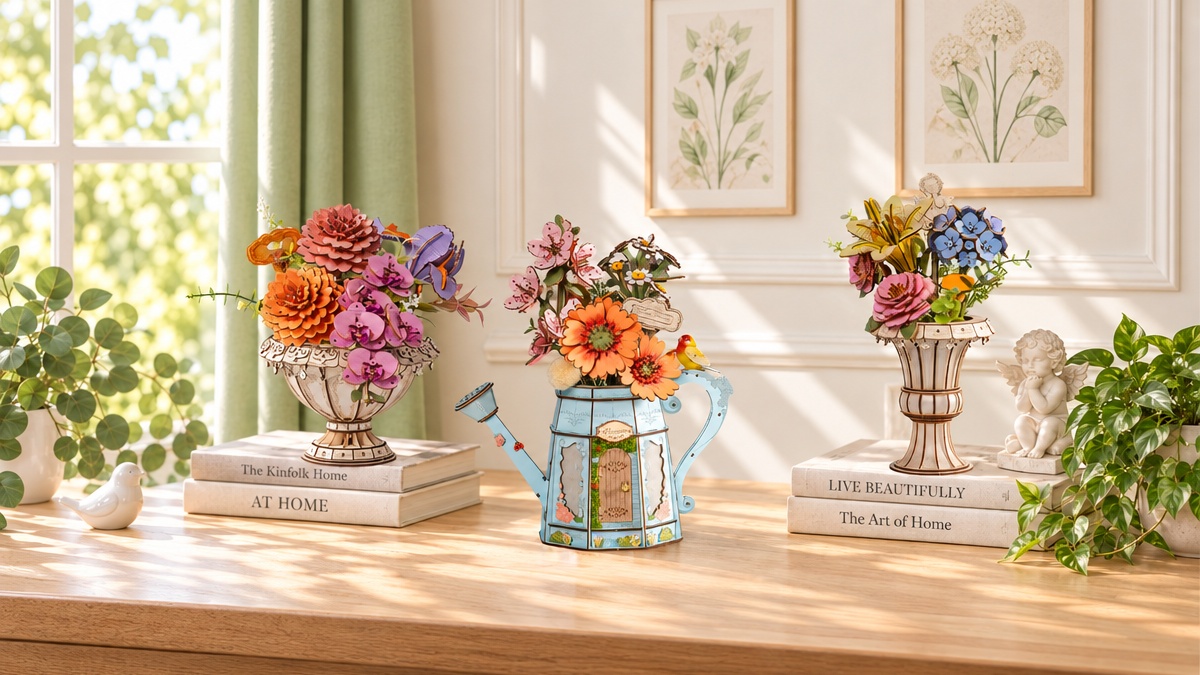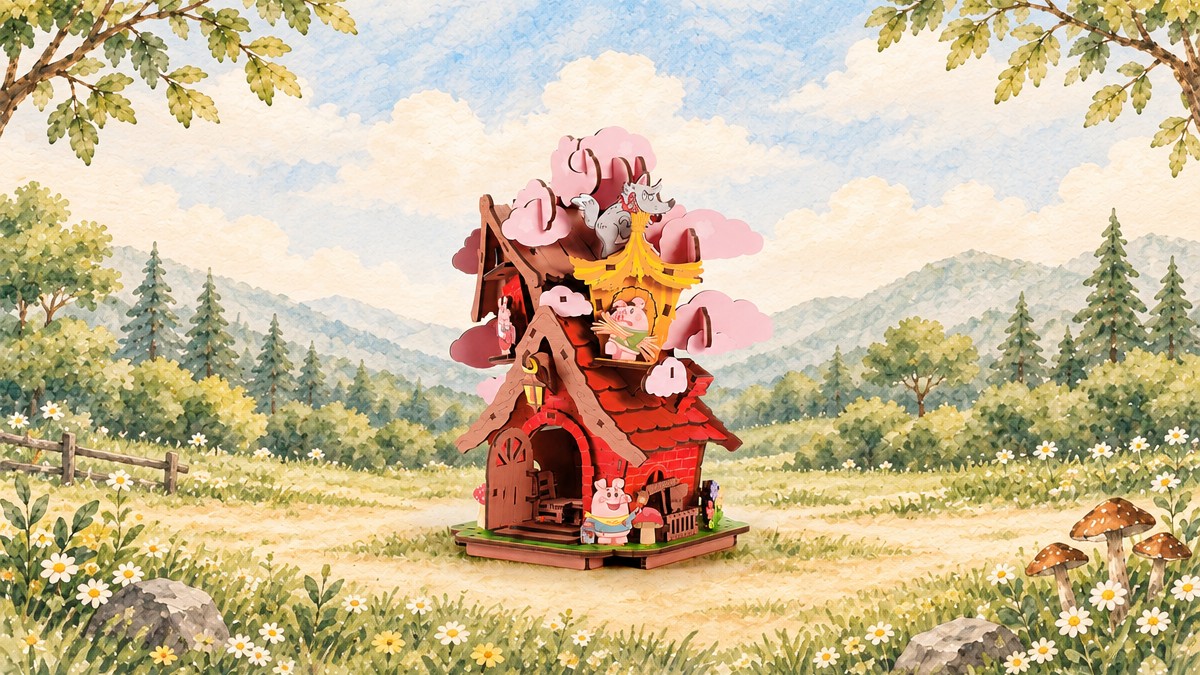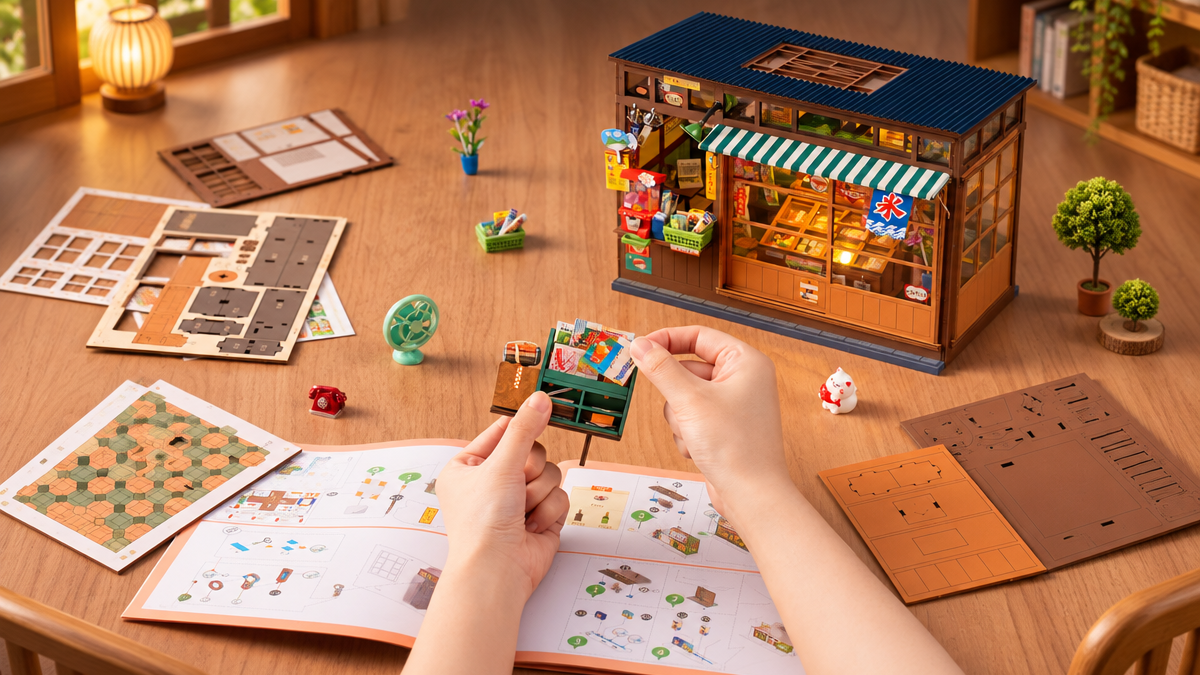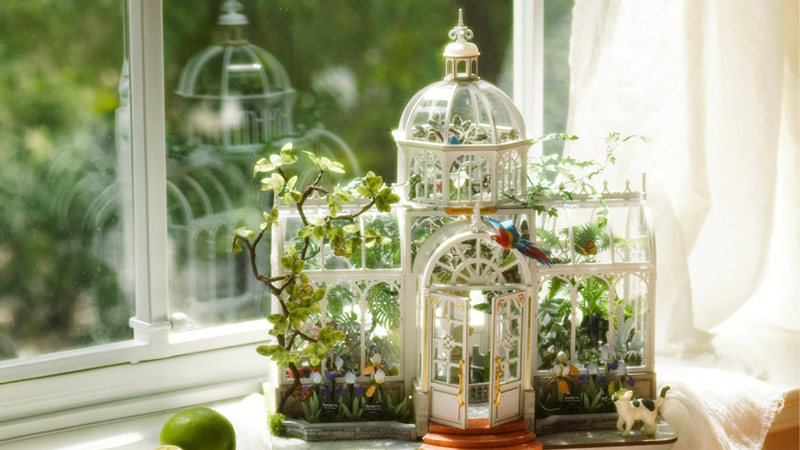
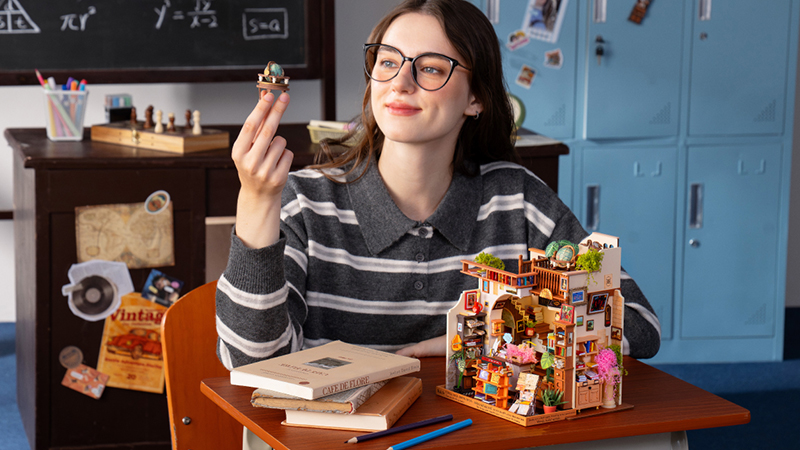
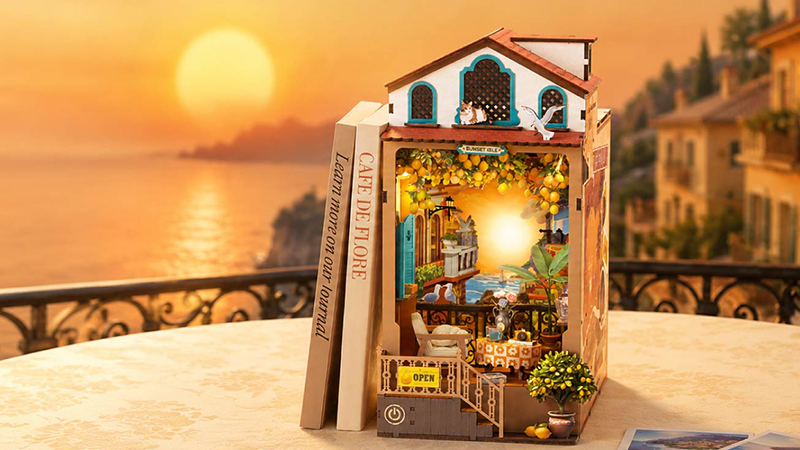
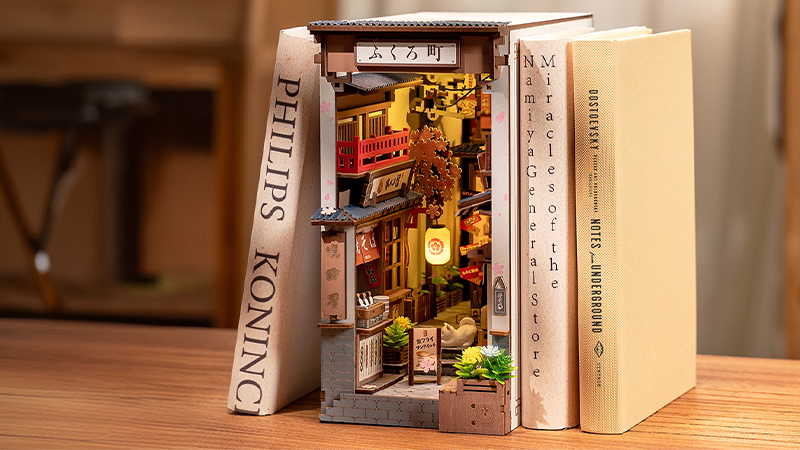
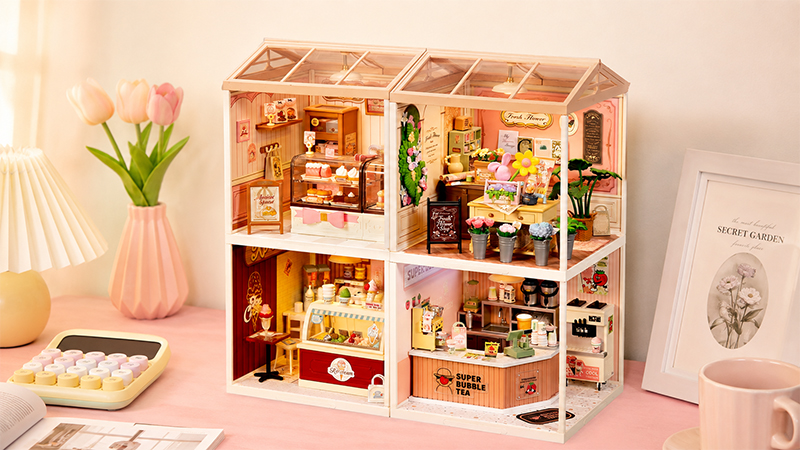
Quick Answer: Turn an everyday dream—a craft space, a quiet conversation or time with a book—into a miniature room that reflects your interests. These Rolife Community designs were created in the Fun Pieces online designer using furniture and accessories from Fun Pieces, Rolife’s new miniature product range. Every accessory in the designer can be purchased directly from the Rolife website, so you can bring your design to life by assembling and arranging the real pieces at home.
The images below are digital room designs shared in the November 2026 Rolife Community challenge. Any prices visible in screenshots belong to the original design session.
What personal wish can a miniature room hold?
A useful starting point is to finish the sentence, “I would like a place where I can…” The answer gives your design a purpose. You can then choose a seat, desk or table that makes the activity possible and add the details that belong to your own version of that moment.
Liset’s wish for a dedicated craft room
Rolife Community maker: Liset Veldhuizen

Liset Veldhuizen imagined working at a desk and putting finished projects on shelves. The arrangement gives the desk room to function, with wooden storage ready to support the hobby.
Liset explained that the cabinets looked empty because the program did not include the miniature builds they wanted to display. Those finished projects are a future part of the idea. The empty shelves make sense when you know the story: the room is waiting for things the maker would create.
What to try: Plan the surfaces and storage your hobby needs, even if some of the objects you imagine adding will come later.
Car’s quiet place for two
Rolife Community maker: Car

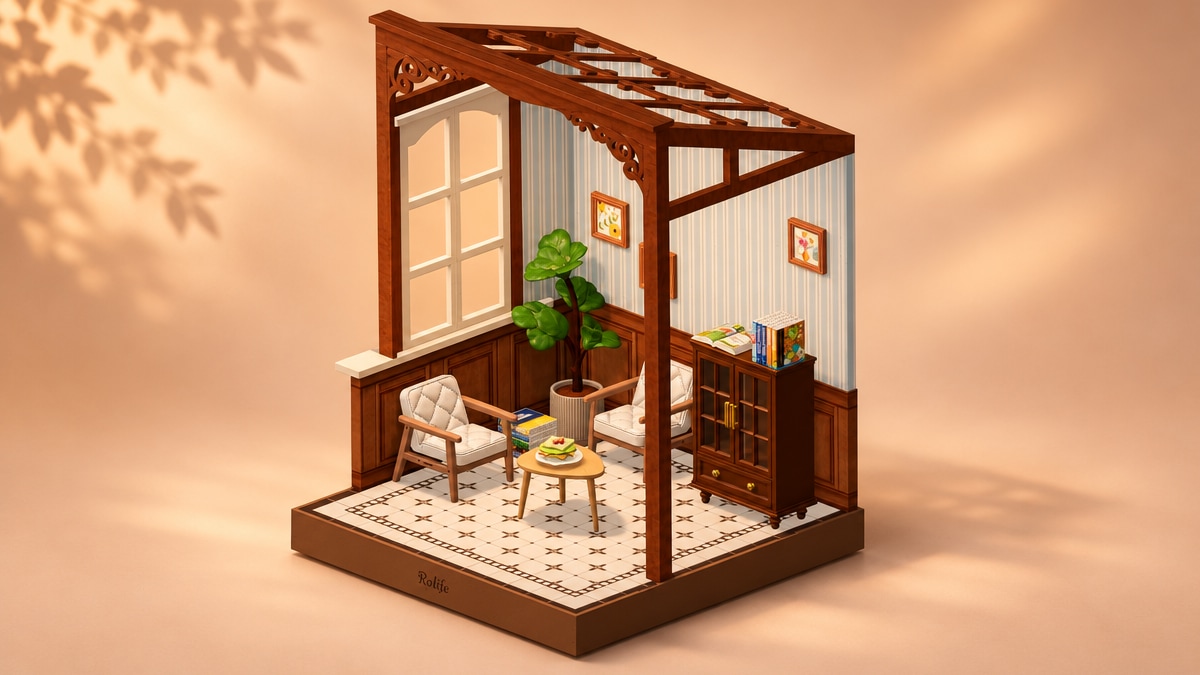
Car’s room centers on two comfortable chairs and a little table. Books, greenery and a window support the scene, but there is deliberate space between the objects.
The maker explained that, while quiet moments matter, it is also nice to have someone special sitting opposite. The second chair is therefore more than another furniture choice. It carries the room’s central idea of peaceful company.
What to try: Choose a piece because of the moment it represents, not only because it fills an empty corner.
Nic_Ozz’s room with space to grow
Rolife Community maker: Nic_Ozz

Nic_Ozz separated a bedroom downstairs from a reading area on the mezzanine. Storage fits beneath the stairs, and the upper bookshelves make the reading level feel distinct.
The maker intentionally left space for future additions. A couple of vases were removed to meet the activity’s budget limit, while the bed and reading area stayed. That decision shows how a design can keep its meaning even when the first version includes fewer accessories.
What to try: Identify which choices carry the idea of the room before deciding what to remove or postpone.
Wendy’s pleasure in changing the room again
Rolife Community maker: Wendy

Wendy’s reading room includes books, treats, plants and little cat pictures. The maker enjoyed making and remaking it, recalling the time spent arranging rooms in The Sims.
The cat pictures were a particularly happy find. They illustrate how a design can become more personal during the process: you may begin with a general reading room and discover a small detail that makes it feel much more like your own space.
What to try: Allow one unexpected detail to influence the room if it connects with something you love.
How can you turn your own story into a layout?
- Describe one moment you want the room to hold, such as making something or reading with coffee.
- Choose the main furniture that supports that moment.
- Add a detail connected to your interests or habits.
- Keep a short note about what you still want to add, separating future ideas from the objects already placed.
Plan your room and choose the real pieces
A digital room can be the first version of a miniature you later build. The accessories in the Fun Pieces designer correspond to real products you can purchase. Let the plan begin with a personal wish, then review the products and sets needed to make that arrangement physical.
Explore the Fun Pieces furniture and accessories, then try your arrangement in the Fun Pieces online designer. For an introduction to the range, read the story behind Fun Pieces.
Frequently asked questions
Do I need a complete story before I start designing?
No. A simple activity or wish is enough. The story can develop as you try furniture and discover smaller details.
Should unfinished ideas be left out of a room description?
You can describe future ideas, but keep them separate from what is already visible. A planned pet, artwork or finished craft should not be presented as an object already included.
Are these accounts of completed physical builds?
These accounts describe digital room designs and the makers’ experiences planning them. They do not establish that the corresponding products have already been purchased or assembled.