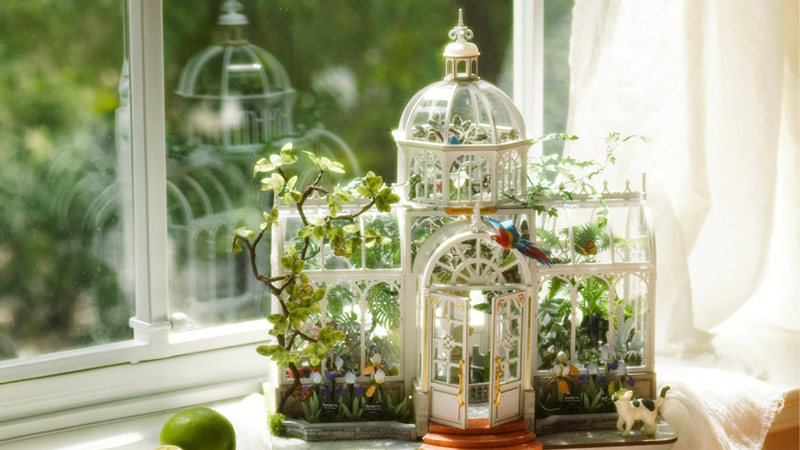
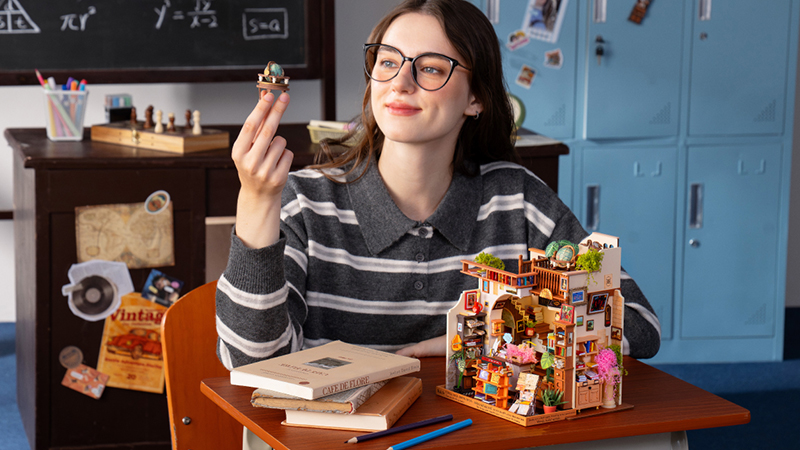
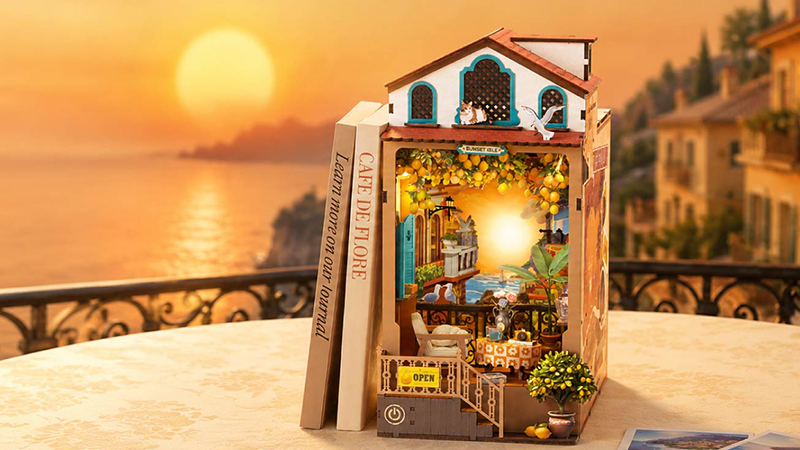
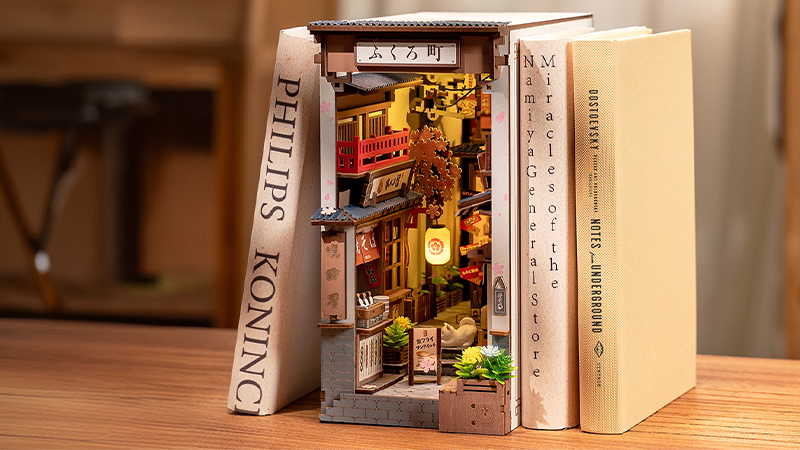
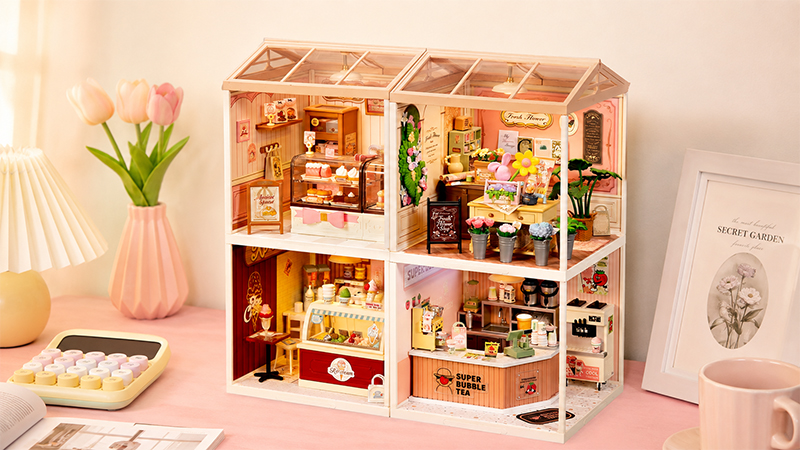
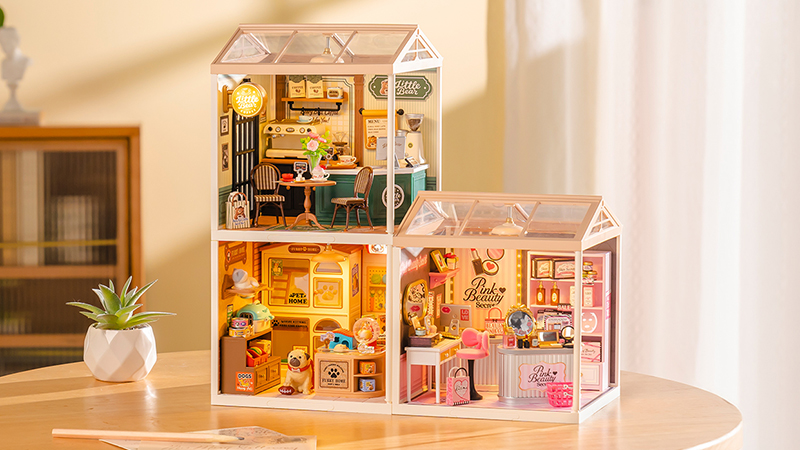

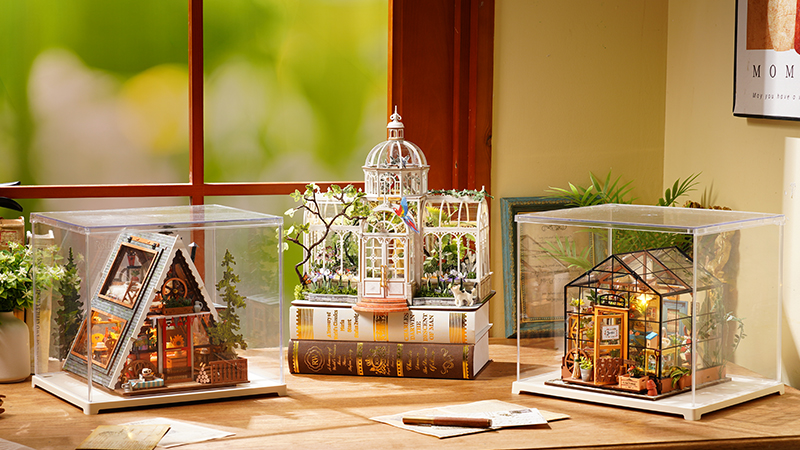
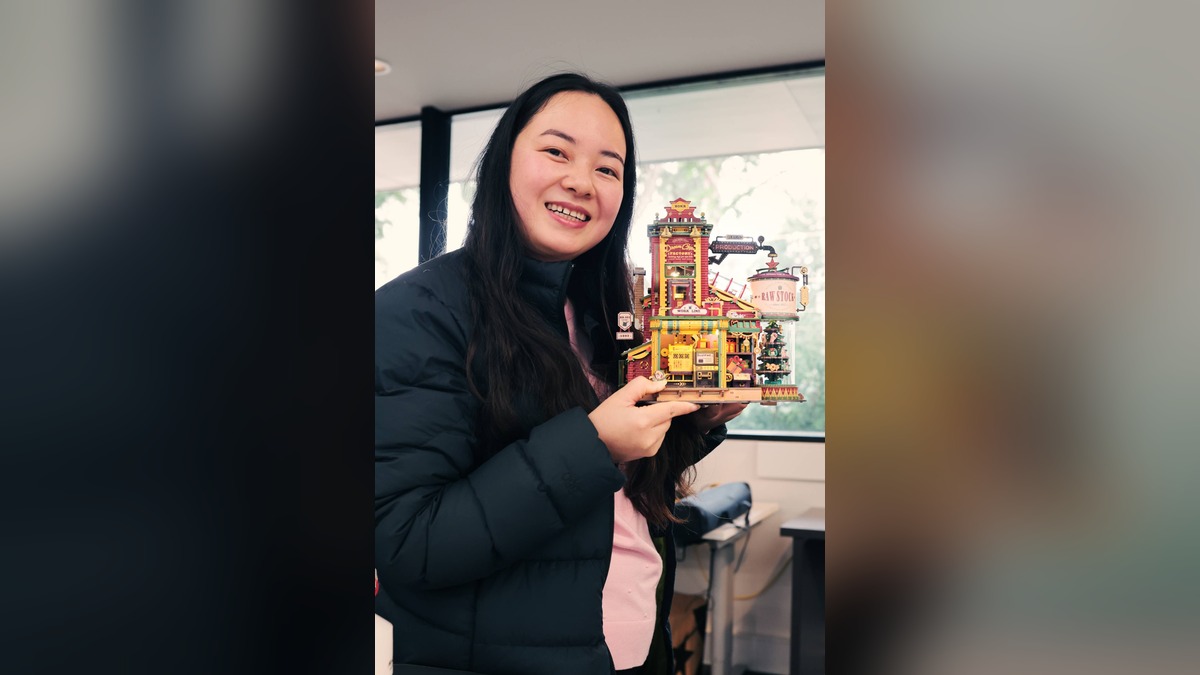
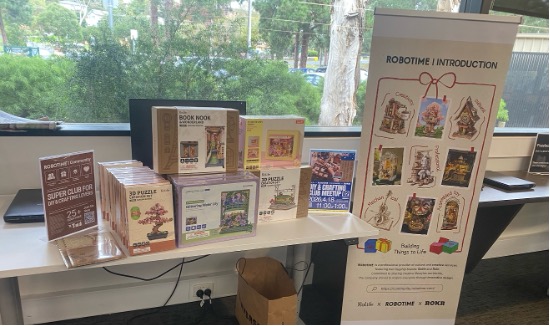
After several chilly days, the Saturday sun began to return over Melbourne. Inside a local library, a table of miniature kits gave a group of strangers an easy reason to stay, look closer and start talking. Tricia Duong had organised the April 18, 2026 gathering to connect hobbyists beyond the people she knew through work. As the kits opened, the room changed from a meeting of unfamiliar faces into a place where builders could share what they knew and what they were still figuring out.

At a glance
- When: April 18, 2026, 11 a.m.–1 p.m.
- Where: Brimbank Keilor Library, Keilor, Victoria
- Host: Tricia Duong
- What brought people together: building miniatures, sharing techniques and meeting local makers
A library table became a meeting place
Tricia described the morning as a chance to bring together people who enjoyed building but did not necessarily know one another. She had made community connections through her workplace; organising a meetup let her reach local enthusiasts around a shared hobby. Robotime’s support supplied a kit for participants, giving each person something to take into the session. Some builders had attended before, while others were joining for the first time, so the table held a mix of familiar faces and new introductions.
The library setting helped the gathering feel open and unhurried. The kits and finished examples gave people a natural way to introduce themselves: a question about a model could lead to a story about a previous build, a color choice or a detail someone hoped to try. The morning’s warmer light outside made a gentle contrast with the colder days that had come before. Inside, the shared work gradually did what Tricia had hoped—helped people move past the first hello.
Small details became the stories
Some of the most memorable moments came from the care people brought to their builds. Neil shared a project that stood out for its painting and color choices. Tricia thanked him for the way the finish made the model feel personal, not simply assembled from a set of parts. Nhat Ngo brought a Melbourne tram and shared photographs from a professional camera. Tricia noticed that he had glued the interior pieces to make the build more rigid, and that he mixed glue with water so it would not dry too quickly. It was a practical tip offered in the middle of a conversation about craftsmanship.
Darrell’s Puppy Villa showed a different kind of imagination. He used an idea from his garden to customize the little house into a cozier design. The result showed how a kit can become a starting point for something specific to its maker. Rather than following the same path to the same finish, people could compare choices and explain what had inspired them.
The room made space for beginners and regulars
Tricia moved from table to table to help when someone needed a hand and to check that everyone felt comfortable. That steady presence mattered because the group included builders with different levels of experience. Some people arrived already knowing the rhythm of a miniature kit; others were learning how small pieces, older instructions and delicate details could change the pace of a build.
Participants later described the activity as a relaxing break from screens and the demands of the day. One person found the building process therapeutic; others enjoyed the designs, the kit quality and the support they received. These responses were not all about reaching a finished model. They pointed to the value of having a few hours where attention could settle on one small step, with other people nearby to encourage or help.
Tricky pieces were part of the pleasure
The feedback also included the parts that asked for patience. Tiny flowers could be difficult to assemble, and some older instructions were not always clear about which direction a piece should face. Participants talked about keeping small parts together so they would not go missing. Those practical frustrations were part of the afternoon rather than something to hide. Solving a confusing step together could make the finished detail more satisfying, and the room offered a place to ask before frustration took over.
Tricia noted that two guests had travelled more than an hour to join the session. Their trip gave the gathering another small measure of what it meant to people: this was not simply a convenient stop on the way past, but a chance to meet others who enjoyed the same kind of making. At the end, the most common feedback was that two hours had gone by too quickly. Several people hoped for a longer session next time.
A finished model was only one kind of success
Some participants left with finished details, others with work still in progress, and everyone with more ideas than they had arrived with. The group photo captured only a moment; the stories behind the builds were what made the morning linger. A painted choice, a sturdier tram interior, a garden-inspired Puppy Villa and the quiet advice about keeping small pieces close all showed different ways people could make a kit their own.
For Tricia, the pleasure of hosting was seeing people connect through the hobby. The library morning had started with strangers around a table. It ended with people discussing what they had made, what had challenged them and what they wanted to try next. Explore more gatherings in the DIY Crafting Club, and read Tricia’s Melbourne meetup recap.