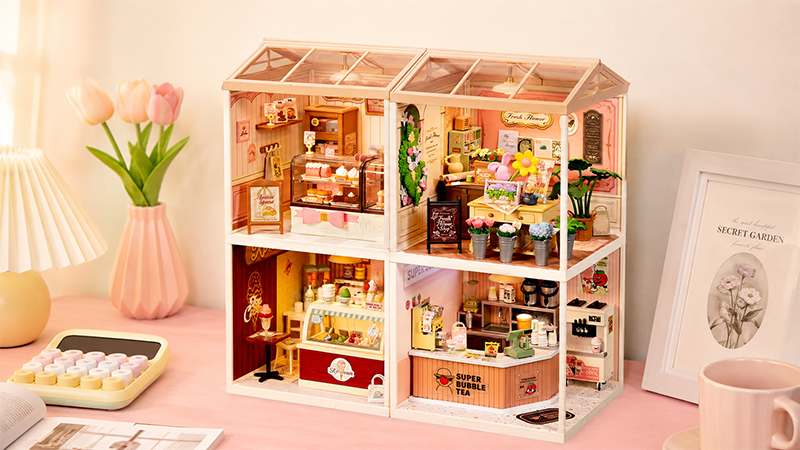
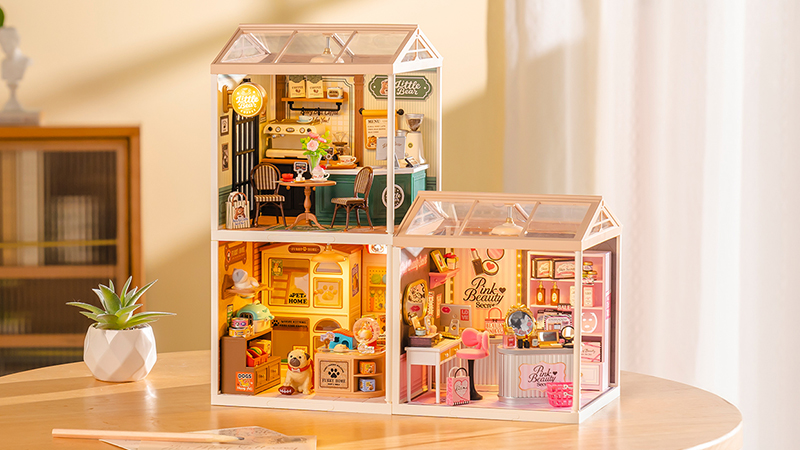
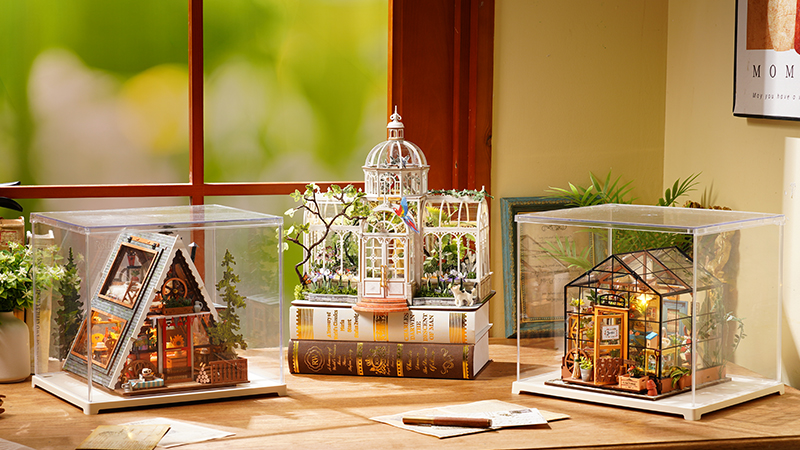
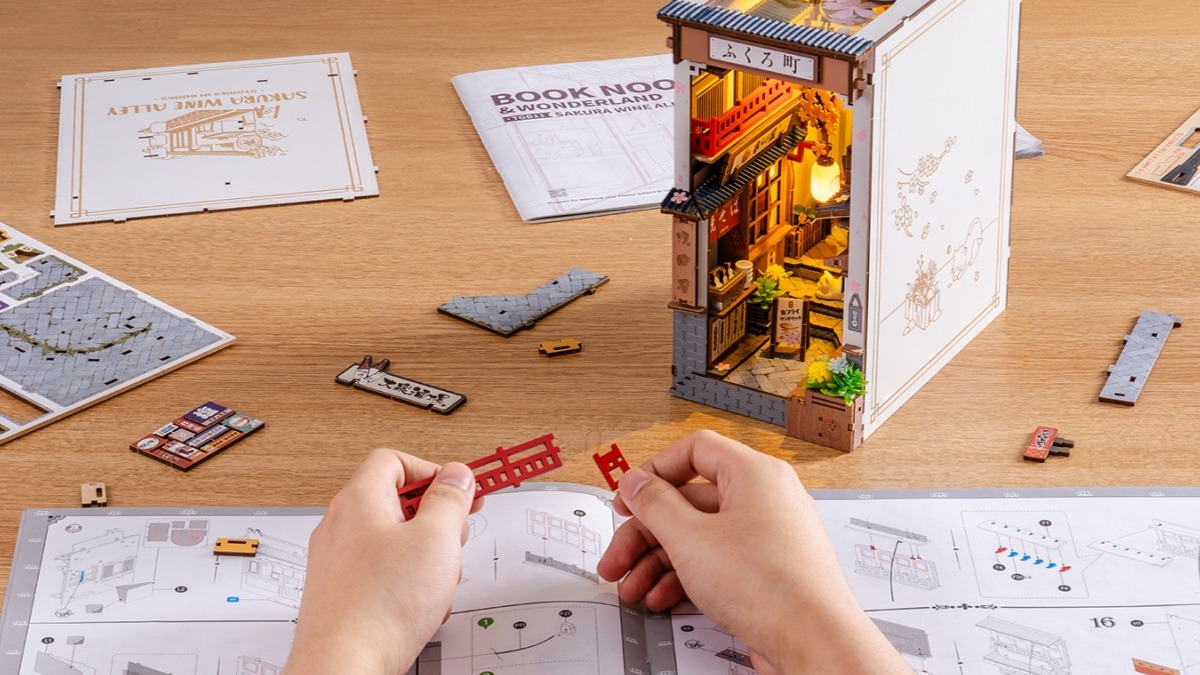
Het beginnen van een DIY miniatuur hobby is gemakkelijker dan de meeste mensen denken. Je hoeft geen kunstenaar, een professionele knutselaar of iemand met jarenlange ervaring in modelbouw te zijn.
De beste manier om te beginnen is eenvoudig: kies eenminiatuurset die geschikt is voor beginners, richt een comfortabele werkplek in, bereid een paar basisgereedschappen voor en geniet van het proces, stukje voor stukje.
Of je nu houdt van gezellige boekhoekjes, miniatuurhuizen, bloemenwinkels, cafés of houten puzzels, DIY miniaturen zijn een ontspannende en creatieve hobby die iedereen kan genieten. Ze geven je iets om met je handen te doen, helpen je om tijd weg van schermen door te brengen en laten je achter met een prachtig afgewerkt stuk om tentoon te stellen.
Als je nieuwsgierig bent naar het maken van miniaturen maar niet zeker weet waar je moet beginnen, zal deze gids je door de basisprincipes leiden.
Wat is een doe-het-zelf miniatuurhobby?
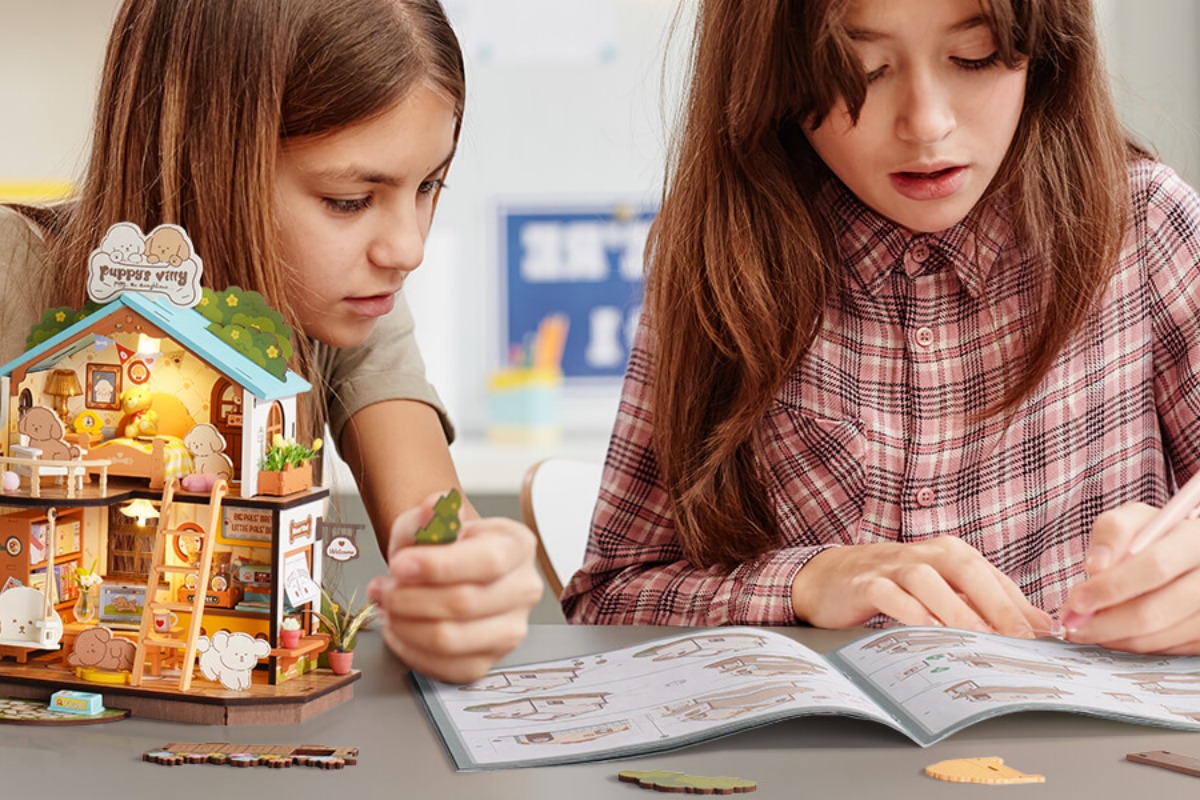
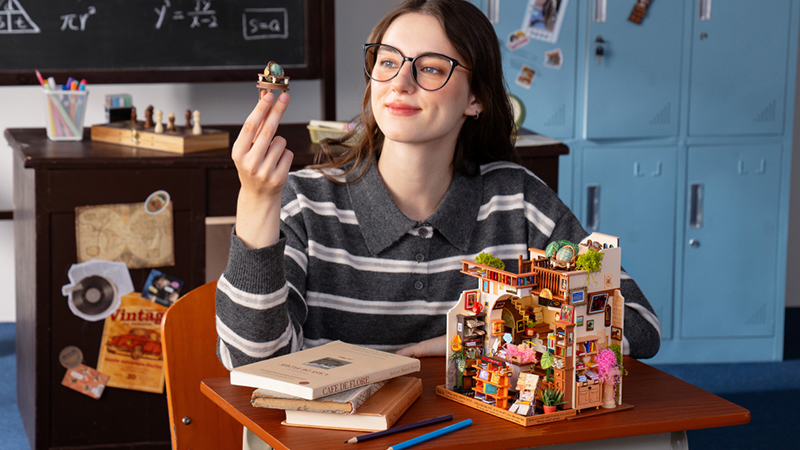
Een DIY miniatuur hobby draait helemaal om het met de hand bouwen van kleine werelden. Het kan het samenstellen van miniatuurkamers omvatten, het creëren van kleine interieurs, het bouwen vanleeshoekjes voor beginnershet decoreren van kleine meubels, of het samenstellen ervan3D houten puzzels.
Sommige mensen worden aangetrokken tot miniaturen omdat ze houden van gezellige taferelen. Anderen genieten van de uitdaging van kleine details. Sommigen houden van het vertelaspect: een kleine boekwinkel, een klein café, een bloemenwinkel, een bibliotheekhoek, of een kamer die aan een personage lijkt te behoren.
Dat is vaak hoe de hobby begint: met nieuwsgierigheid, verbeelding en de wens om een klein wereldje van jezelf te creëren.
Waarom doe-het-zelf miniatuurbouwpakketten geweldig zijn voor beginners
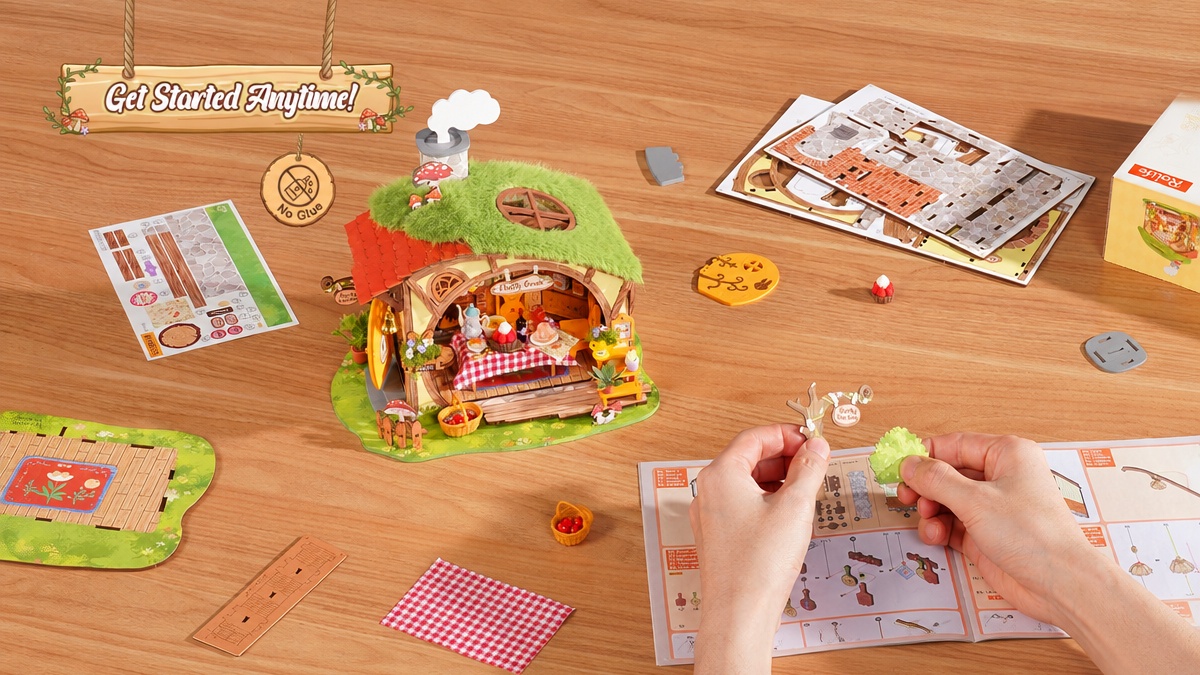
BeginnersvriendelijkDoe-het-zelf miniatuurhuisjes bouwpakkettenmaak de hobby veel gemakkelijker om te beginnen. De meeste startpakketten bevatten voorgemaakte stukken, duidelijke instructies, decoratieve accessoires en de belangrijkste materialen die je nodig hebt om het model te voltooien.
Ze ontspannen zich.
Veel mensen beschrijven het maken van miniaturen als rustgevend. Het proces geeft je geest iets zachts om zich op te concentreren na een drukke dag. In plaats van te haasten, vertraag je, lijm je één klein stuk, schik je één plank of verbind je één klein licht.
Ze helpen je los te komen van schermen.
Werken aan miniaturen geeft je handen en geest iets tastbaars om te doen. Je kunt je vooruitgang zien, de stukken aanraken en de scène langzaam samen zien komen.
Je leert nieuwe vaardigheden op een natuurlijke manier.
Je hoeft niet alles te weten voordat je begint. Terwijl je miniaturen bouwt, leer je vanzelf kleine vaardigheden zoals vouwen, lijmen, snijden, rangschikken, schilderen, verlichting bedraden en het volgen van montage-instructies.
Het eindresultaat voelt bevredigend.
Aan het einde heb je een afgewerkt decoratiestuk dat je op een plank, bureau, boekenkast of leeshoek kunt plaatsen. Dat zichtbare resultaat is een van de redenen waarom veel mensen steeds weer terugkomen naar deze hobby.
Wat je nodig hebt om te beginnen met een doe-het-zelf miniatuurhobby
Je hebt niet veel gereedschap nodig om te beginnen. De meeste beginnersvriendelijke kits bevatten al de belangrijkste onderdelen, maar een paar basisdingen kunnen het proces soepeler maken. Rolife heeft ook een diepere gids voorEssentiële gereedschappen voor het zelf bouwen van miniaturen.Als je meer details wilt.
| Hulpmiddel | Waarom het helpt | Tip voor beginners |
|---|---|---|
| Precisiepincet | Plaats kleine versieringen, stickers en meubelonderdelen. | Gebruik ze wanneer je vingers te groot aanvoelen voor het stuk. |
| Hobbylijm | Hecht papier, hout, stof en kleine accessoires. | Gebruik eerst een kleine hoeveelheid; te veel lijm kan rommelig worden. |
| Kleine schaar | Knip papier, stof, draad en stickers. | Kies een schaar die makkelijk in de hand ligt. |
| Hobby mes | Snijd delicate onderdelen netjes af. | Snijd weg van je handen en werk langzaam. |
| Snijmat | Beschermt uw tafel tijdens het bijsnijden en lijmen. | Optioneel, maar nuttig als je van plan bent om meer kits te bouwen. |
| Goede verlichting | Maakt kleine details beter zichtbaar. | Een bureaulamp kan oogvermoeidheid verminderen. |
| Kleine containers | Voorkom dat kleine stukjes verdwijnen. | Sorteer de onderdelen per sectie voordat je begint. |
Hoe kies je je eerste doe-het-zelf miniatuurset?
Het kiezen van je eerste kit kan een groot verschil maken. Een goed eerste project moet spannend aanvoelen, maar niet overweldigend. Rolife'sHulpcentrum voor beginners op het gebied van miniaturen en puzzelsis een nuttige volgende stap als je een breder startpunt wilt.
Zoek naar beginnersvriendelijke kits.
Beginner-vriendelijke kits hebben meestal minder componenten, duidelijkere instructies, eenvoudigere structuren en gemakkelijkere assemblagestappen. Begin niet meteen met de meest complexe kit. Kies iets beheersbaars zodat je zelfvertrouwen kunt opbouwen.
Kies een thema dat je leuk vindt.
De beste eerste kit is er een waar je echt enthousiast over bent om te bouwen. Als je van boeken houdt, kies dan een book nook of een bibliotheekscène. Als je van cafés en warme verlichting houdt, kies dan een miniatuur café. Als je van bloemen en de natuur houdt, kies dan een bloemenwinkel of kas. Als je de voorkeur geeft aan mechanisch bouwen, kies dan een 3D houten puzzel.
Houd rekening met de benodigde tijdsinvestering.
Sommige eenvoudige kits kunnen in één dag worden voltooid. Andere kunnen een weekend of meerdere avonden duren. Als beginner, kies een kit die in jouw schema past; je hoeft niet alles in één keer af te ronden.
Controleer het moeilijkheidsniveau
Voordat je koopt, controleer de productpagina op moeilijkheidsgraad, geschatte montagetijd, aanbevolen leeftijd en productgrootte. Een goede eerste kit moet je genoeg uitdaging bieden om betrokken te blijven, maar niet zoveel dat je je gefrustreerd voelt.
Bedenk waar je het wilt tentoonstellen.
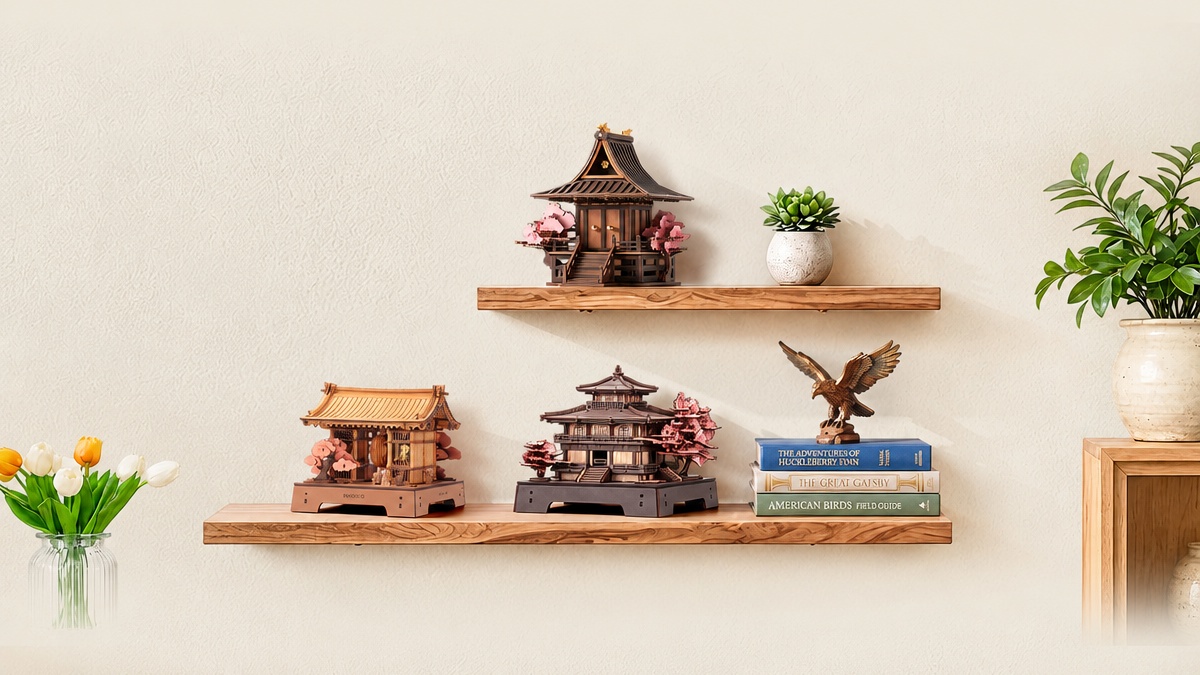
Je voltooide miniatuur kan een onderdeel van je huisdecoratie worden. Boekenhoekjes zijn geweldig voor boekenplanken. Miniatuurhuizen doen het goed op bureaus, planken of knutseltafels. 3D houten puzzels kunnen displaystukken worden in kantoren, slaapkamers of hobbykamers.
Beste starterskits voor beginners
| Kittype | Het beste voor | Waarom beginners het leuk vinden |
|---|---|---|
| Miniatuurhuisjes | Interieurontwerp, gezellige decoratie, kleine verhalende scènes | Ze bieden zichtbare vooruitgang en een bevredigende afgewerkte weergave. |
| Boekenhoeksets | Lezers, boekenliefhebbers en liefhebbers van mooie boekenplanken | Het afgewerkte stuk wordt meeslepende boekenkastdecoratie. |
| 3D houten puzzels | Mensen die genieten van structuur, puzzels en mechanische details | Ze bieden een duidelijke montage-uitdaging en een sterk gevoel van prestatie. |
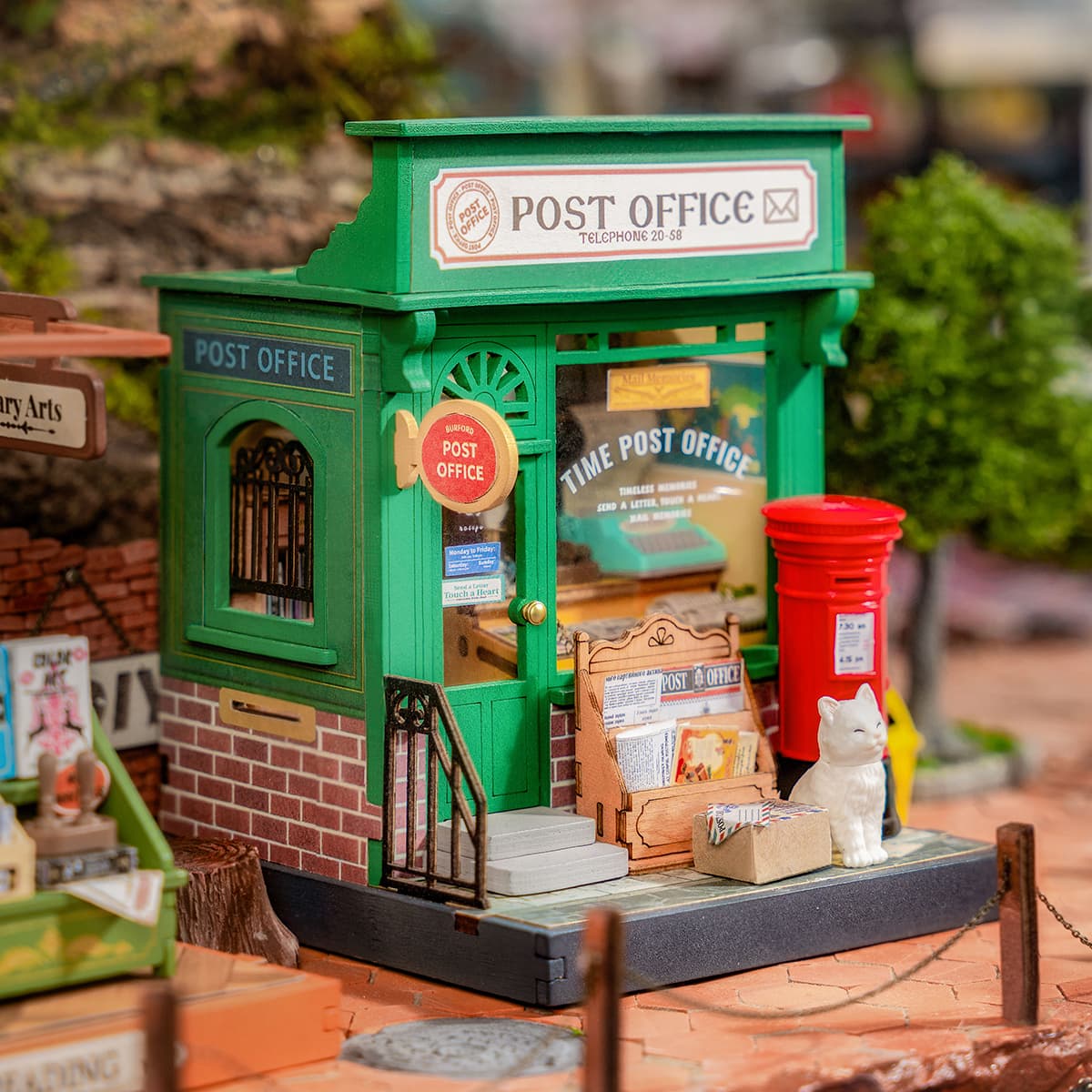
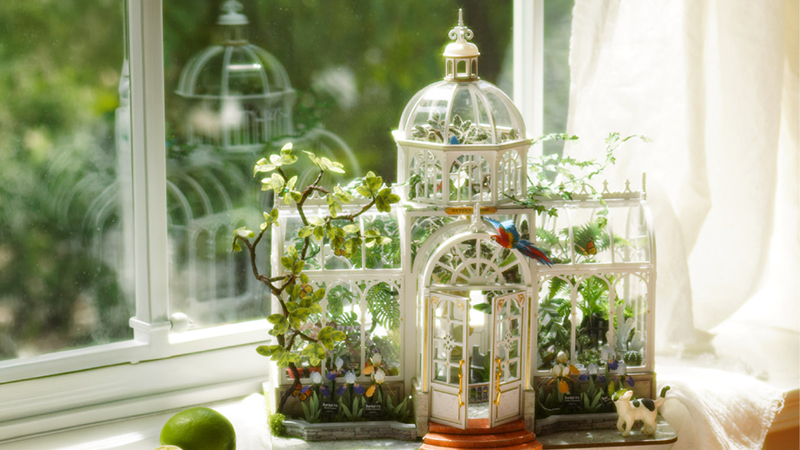
Een compacte miniatuurhuisoptie voor beginners die een kleine tentoonstellingsscène willen.
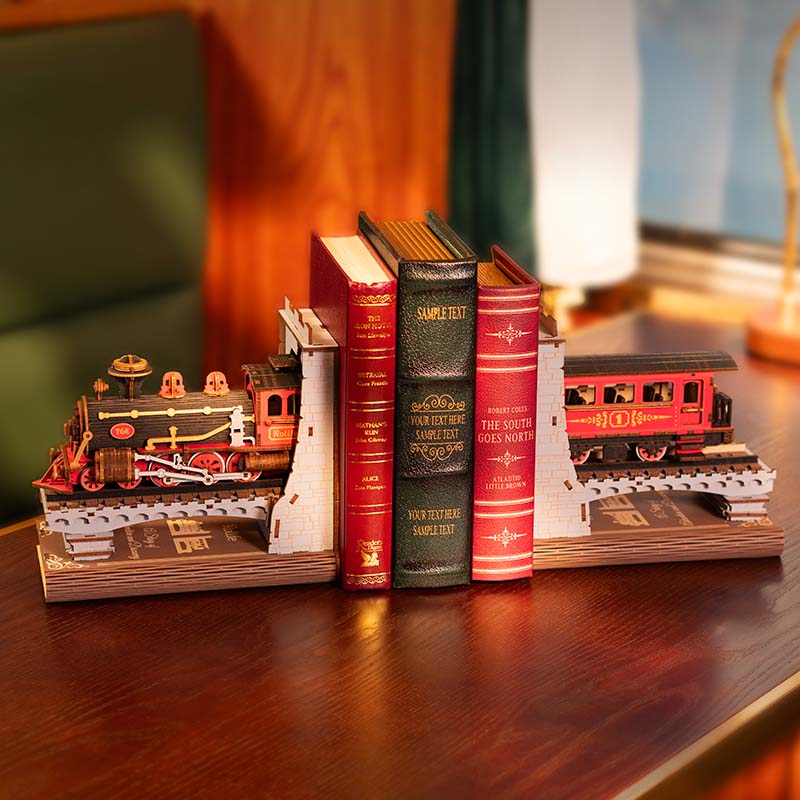
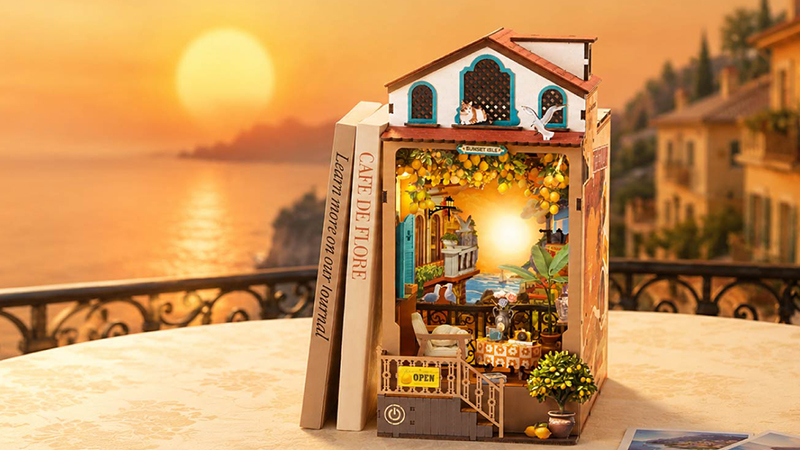
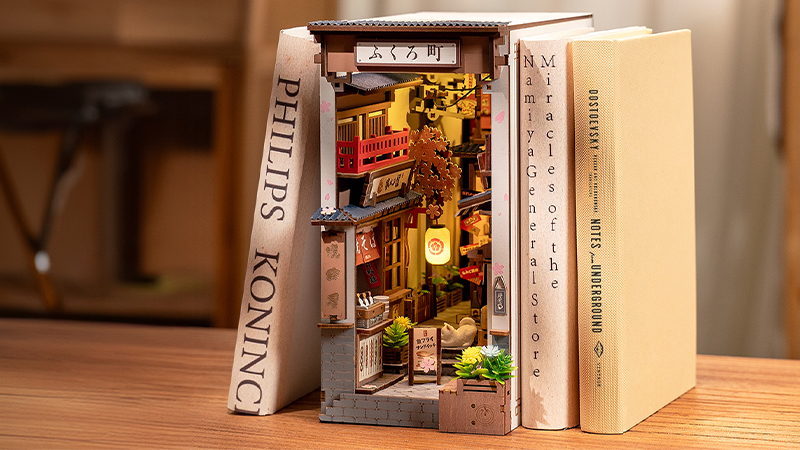
Een book nook optie voor lezers die willen dat hun eerste bouw een decoratie voor de plank wordt.
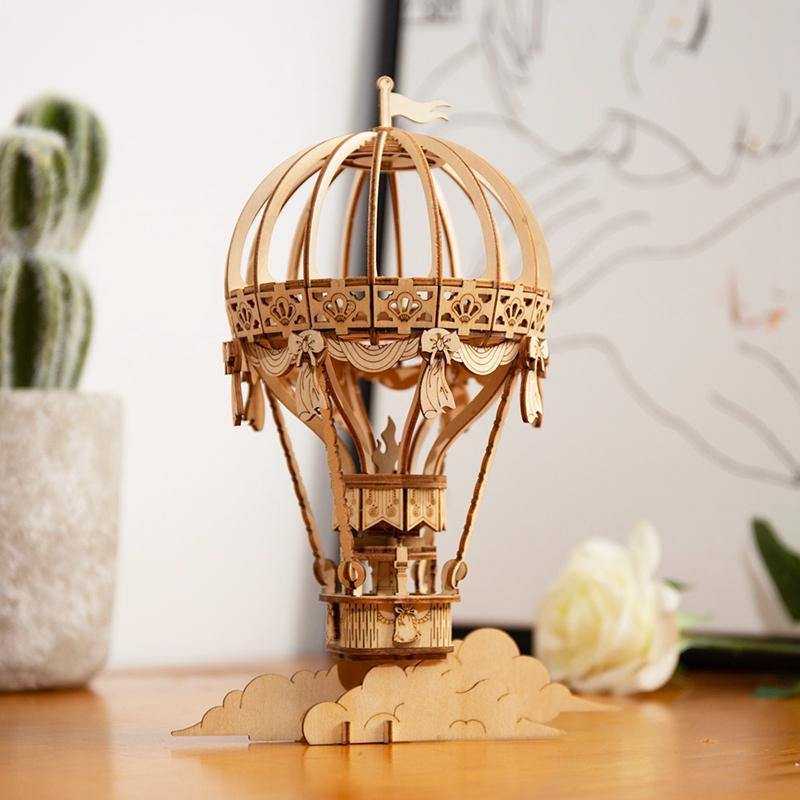
Een beginners 3D houten puzzel voor mensen die houden van structuur en lichte montage.
Stap voor stap: Beginnen met je eerste miniatuurbouwset
Stap 1: Lees eerst de instructies
Voordat je met de onderdelen aan de slag gaat, bekijk snel de volledige instructiegids. Je hoeft niet elke stap uit je hoofd te leren, maar het helpt om de algemene structuur van het project te begrijpen.
Stap 2: Organiseer je onderdelen
Sorteren stukken op materiaal of sectie, zoals houten stukken, papieren stukken, decoratieve accessoires, verlichtingsonderdelen en meubelonderdelen. Dit vermindert de kans op het verliezen van kleine stukken.
Stap 3: Werk langzaam
Miniatuurhandwerk is niet bedoeld om gehaast te worden. Neem pauzes wanneer nodig en laat de lijm volledig drogen voordat je verdergaat met de volgende stap.
Stap 4: Concentreer je op één onderdeel tegelijk.
Maak je geen zorgen over het hele model in één keer. Bouw eerst de stoel, dan de boekenkast, dan de kleine lamp, en dan de wanddecoratie. Kleine stappen maken het project gemakkelijker.
Stap 5: Vier het voltooide werkstuk
Wanneer je je eerste kit hebt voltooid, plaats deze dan op een plank, bureau, boekenkast of leeshoek. Je eerste bouw hoeft niet perfect te zijn. Het is bewijs dat je bent begonnen, geleerd en iets met je eigen handen hebt gemaakt.
Veelgemaakte beginnersfouten die je moet vermijden
- Te vroeg kiezen voor een geavanceerde kit:begin met een gemakkelijker kit, bouw vertrouwen op en ga dan verder met meer gedetailleerde projecten.
- Te veel lijm gebruiken:te veel lijm kan papier vervormen, oppervlakken bevlekken of stukken laten schuiven.
- Droogtijd buiten beschouwing gelaten:Laat elk gedeelte goed drogen voordat u verdergaat.
- Werken bij weinig licht:gebruik een heldere bureaulamp of natuurlijk licht wanneer mogelijk.
- Perfectie verwachten:kleine imperfecties worden vaak een deel van de charme van je eerste bouw.
- Het niet organiseren van kleine onderdelen:Houd kleine onderdelen in schalen, dozen of kleine containers terwijl je werkt.
Hoe je je eerste project gemakkelijker kunt laten verlopen
Richt een comfortabele werkplek in.
Kies een schone tafel met voldoende ruimte voor uw stukken, gereedschappen en instructies. Goede verlichting en een comfortabele stoel maken het proces gemakkelijker.
Bouw in korte sessies
Je hoeft de hele set niet in één keer af te ronden. Probeer 30 tot 60 minuten per keer te werken, vooral als je nieuw bent.
Houd je telefoon uit de buurt.
Een van de geneugten van miniatuurhandwerk is dat het je tijd weg van schermen geeft. Zet je telefoon opzij en laat jezelf je concentreren op de kleine wereld voor je.
Accepteer kleine fouten
Je eerste project ziet er misschien niet precies uit als de productfoto, en dat is prima. Elke bouwer verbetert met oefening.
Pronk met je voltooide bouwpakket!
Verberg je eerste bouw niet alleen omdat het niet perfect is. Plaats het ergens waar je het kunt zien. Het zal je herinneren aan het feit dat je iets nieuws bent begonnen en het hebt voltooid.
Veelgestelde vragen: Miniatuurhobby voor beginners
Is het maken van miniatuurtjes zelf duur?
DIY miniatuur knutselen hoeft niet duur te zijn. Beginnerskits zijn meestal redelijk betaalbaar en bevatten vaak de meeste van de belangrijkste materialen die je nodig hebt.
Hoe lang duurt het om een miniatuurbouwpakket in elkaar te zetten?
De tijd hangt af van de grootte en moeilijkheidsgraad van de kit. Sommige beginner-vriendelijke kits kunnen in een paar uur worden voltooid, terwijl meer gedetailleerde miniatuurhuizen, boekenhoeken of houten puzzels enkele dagen of weekenden kunnen duren.
Zijn doe-het-zelf miniatuurbouwpakketten geschikt voor kinderen?
Veel doe-het-zelf miniatuurkits zijn ontworpen voor tieners en volwassenen, maar sommige beginnersvriendelijke kits kunnen geschikt zijn voor jongere bouwers met volwassen toezicht. Controleer altijd de aanbevolen leeftijd en productdetails voordat je koopt.
Heb ik artistieke vaardigheden nodig om te beginnen?
Nee. Je hebt geen artistieke vaardigheden nodig om een DIY miniatuur hobby te beginnen. Veel kits zijn ontworpen voor beginners en bevatten instructies die je stap voor stap door het proces leiden.
Wat is het beste eerste miniatuurproject?
Het beste eerste miniatuurproject is een beginnersvriendelijk miniatuurhuis, book nook, of een eenvoudige 3D houten puzzel. Kies een thema dat je leuk vindt en een moeilijkheidsgraad die beheersbaar aanvoelt.
Kan ik miniatuurbouwdozen aanpassen?
Ja. Veel mensen passen miniatuurkits aan door meubels opnieuw te schilderen, indelingen te veranderen, extra accessoires toe te voegen of kleine details aan te passen. Rolife's gids voorBehang op maat in miniatuurhuisjesHet is handig als je klaar bent om te experimenteren.
Zijn leeshoekjes geschikt voor beginners?
Boeknooks kunnen goed zijn voor beginners als je een kit kiest met een beheersbaar moeilijkheidsniveau en duidelijke instructies. Rolife'sDIY book nook beginnersgidsKan je helpen om te vergelijken wat je kunt verwachten.
Slotgedachten
Het beginnen van een DIY miniatuur hobby hoeft niet ingewikkeld te zijn. Je hebt alleen een kit nodig waar je enthousiast over bent, een paar basisgereedschappen, een comfortabele werkplek en de geduld om één klein stuk tegelijk te bouwen.
Je hoeft niet van nature creatief te zijn. Je hoeft niet alles in één zitting af te maken. Je hoeft niet dat je eerste project perfect is.
De echte vreugde van miniatuurhandwerk ligt in het proces: vertragen, focussen op kleine details, leren terwijl je bezig bent, en toekijken hoe een kleine wereld tot leven komt in je handen.