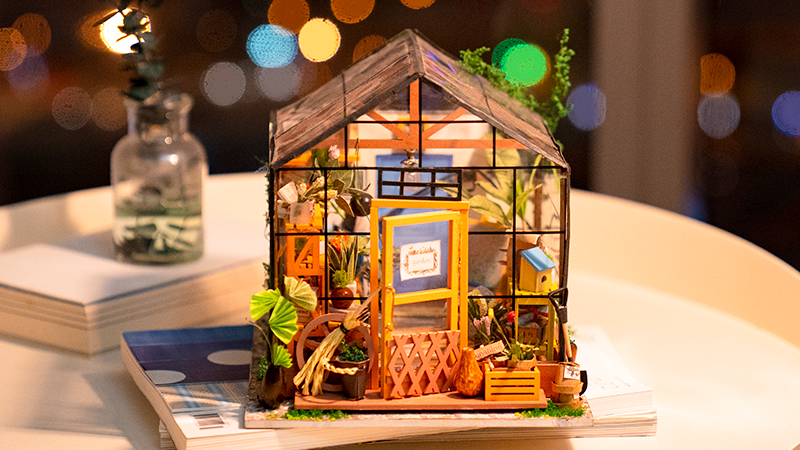

Acrylic Painting Guide for Wooden Models: Tips, Techniques & Coatings
Aug 18,2025 | Rolife Team
Something magical happens when you turn a wooden puzzle of the natural color into a colorful masterpiece. When you paint your wooden model, you change its character and give it surface protection.
This guide will cover natural wood coloring tips and a guide to choosing the right paint to enhance your favorite Rolife miniature kit.
Why Choose Acrylic Paint for Your Wooden Puzzle
Acrylic paint is the best choice for painting your puzzles, whether you’re a beginner or seasoned miniaturist. Here’s why:
- Good adhesion: Acrylic paint has good adhesion and can bind the wooden components without peeling and cracking. There’s no need for priming or sanding.
- Quick-drying: It takes very little time to dry; hence, it is suitable when conducting multi-layer paints or if there is a need to touch up quickly.
- Water-based:It can be cleaned off easily with water. It is non-toxic and safe for indoor use.
- Intense colors: It gives realistic colors, which enhance the natural color of a piece of wood.
- Custom finish: It comes in a variety of finishes - matte, satin or gloss.
How to Prepare Wooden Surfaces For Painting
- Organize your workplace: Clean your working environment, cover it using a piece of plastic to avoid staining your surfaces with your paint.
- Clean the wooden surface: You have to clean the wooden surface using a dry cloth, removing any dirt or oil. You can also use a damp cloth and a mild detergent if you need one.
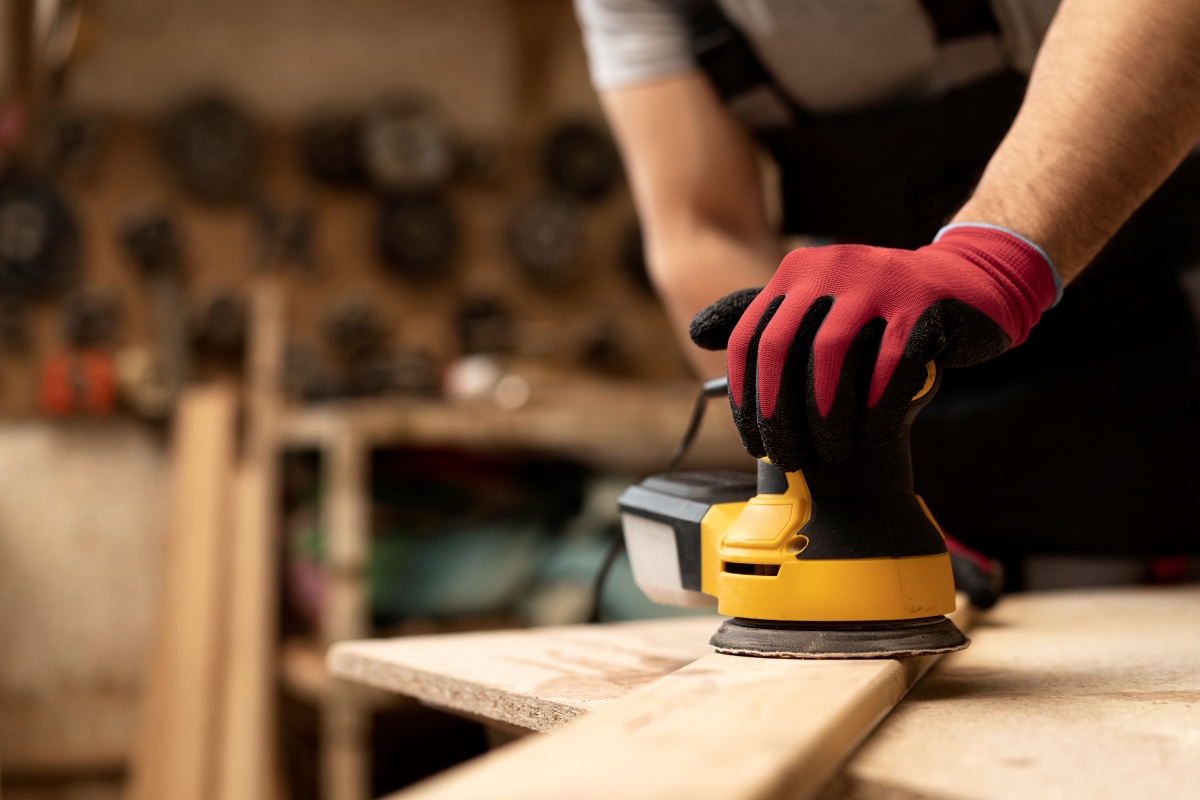
- Sanding: For a smooth, even finish, sanding is critical. Use a fine-grit sandpaper (220-400 grit) to gently remove splinters and smooth the surface. If you prefer a more textured finish, you can experiment with slightly coarser sandpaper. Always sand in the direction of the grain to avoid disrupting the wood’s natural patterns.
- Test: Give your paint color a test on something like a scrap piece before painting the actual model.
Painting Techniques for Wooden Puzzle
Here are some painting techniques for Rolife wooden puzzles you could try to take your kit from zero to a hundred.
- Dry brushing: Dry brushing is perfect for highlighting raised surfaces, such as tree branches or architectural features. Lightly dip the brush in paint, then wipe most of it off on a paper towel. This technique creates a subtle texture that adds depth to your project.
- Layering: When layering, always apply thin, even coats. This helps avoid paint pooling and ensures a smooth surface. For richer colors, build up the layers gradually. Typically, 2-3 layers are ideal for achieving solid, even coverage.
- Blending: Take the two colors when wet and mix them on the surface to achieve a gradient effect. It is ideal for producing smooth transitions on skies, water or artistic backgrounds.
- Stippling: Apply some paint with a stiff brush or a sponge with light dabs. Stippling gives your work texture or foliage.
- Color blocking: For solid color coating, paint large areas of your wooden puzzles before adding detail.
- Detailing: Fine-tip brushes or toothpicks are used to detail highly precise portions, highlights and lettering.
Protective Coatings
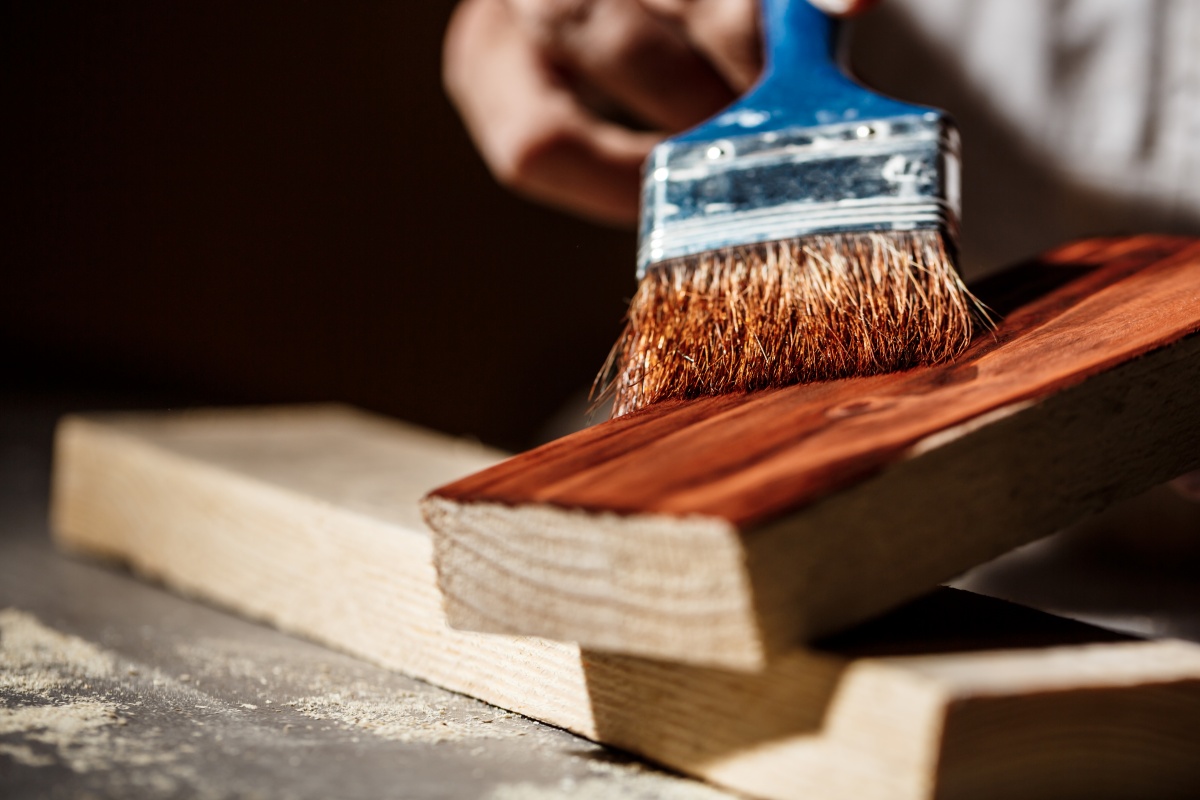
After your wooden puzzle painting, protect it from damage with the following protective coatings.
- Spray Sealants: Ideal for delicate models, spray sealants provide even coverage without visible brush strokes and are quick to apply.
- Water-based Polycrylic: This durable topcoat shields your wooden puzzles from scratches, spills, and further damage. Available in matte, gloss, and satin finishes, polycrylic enhances your puzzle’s look.
- Matte Finish: Smooth and non-reflective, perfect for maintaining the wood's natural texture.
- Gloss Finish: Adds a reflective, polished look for a high-shine effect.
- Satin Finish: Offers a subtle sheen for an elegant, soft glow.
- Wax Finishes: Natural or synthetic waxes like beeswax or carnauba wax provide a warmer, more organic appearance to your wood. They offer a smoother, more natural finish and can be applied with a dry cloth or by hand.
Natural Wood Coloring Tips
- Paint individual pieces before putting your model together.
- If you’re painting before assembly, avoid the tabs and slots of the joint. If you’re painting after assembly, use a sealant or wax to fix things up.
- Wait until your acrylic paint has dried before you apply a protective coat.
- It is possible to make geometric patterns using masking tape.
- Use a clear coat to apply a seal on your wooden puzzle without changing the look.
Rolife Wooden Puzzle Recommendations
If you're ready for your next painted puzzle project, Rolife got you covered with our best-selling kit.
- Rolife Eiffel Tower: This iconic model is perfect for adding LED lights to give it a soft, magical glow, ideal for nighttime displays.
- Rolife Ferris Wheel Modern Music Box: Add metallic paints to highlight the intricate details of this beautiful model, creating a striking contrast against the wooden surface.
- Rolife Steam Journey: Use your creativity to personalize the names and details on this kit, making it a unique piece in your collection.
FAQs
How can I avoid peeling of paint in my wooden puzzle?
Proper surface preparation is key to preventing peeling. After sanding, ensure the wood is free of dust, and always allow the base layer to dry completely before applying subsequent coats. For extra durability, apply a final protective layer or use a sealer specifically designed for acrylic paint.
How can I preserve painted wooden models?
Store your painted wooden models in a dust-free environment. Avoid direct sunlight, as it can cause the paint to fade. For extra protection, a UV-resistant spray can help preserve the colors.
What paint should I use on wooden models?
Acrylic paint usage is your go-to choice. It offers excellent adhesion, fast-drying, and easy clean capabilities.
Is sanding sealer the same as varnish?
Although they are related, they are not the same. While a varnish can be used on its own, a sanding sealer is applied as the first coat to prepare wood for subsequent layering.
Conclusion
Painting your Rolife DIY wooden models adds elegance to your kit. Using the right tools and techniques, you can make your masterpiece lovable and cute. So select a kit, get your brush out, and paint.
📖 Miniature Model Painting Guide Series
- 1 How to Choose the Right Paint and Tools For Your Miniature Model – A complete guide to selecting the best materials.
- 2 Acrylic Paint Tips for Wooden Model Painting – Learn the best tips for painting wooden miniatures.
- 3 Plastic Model Painting Tips – Step-by-step guide for painting plastic models.
- 4 Metal Model Painting Tips – Techniques for painting your metal miniatures.
- 5 DIY Model Painting Maintenance and Display Tips – How to maintain and display your painted models.
Comment