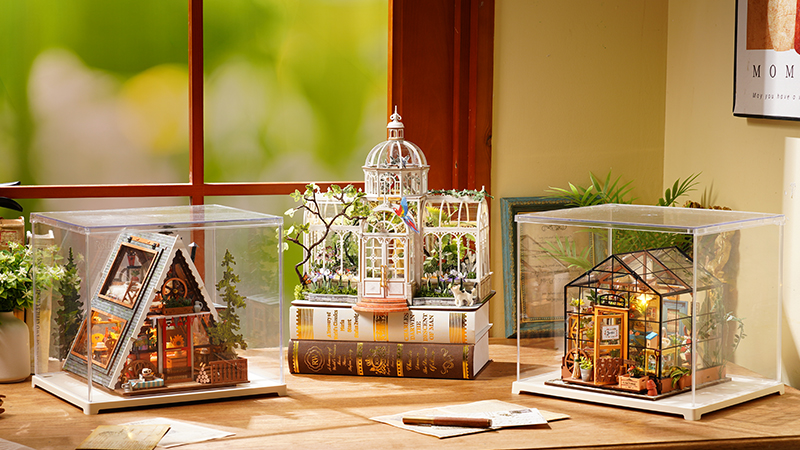
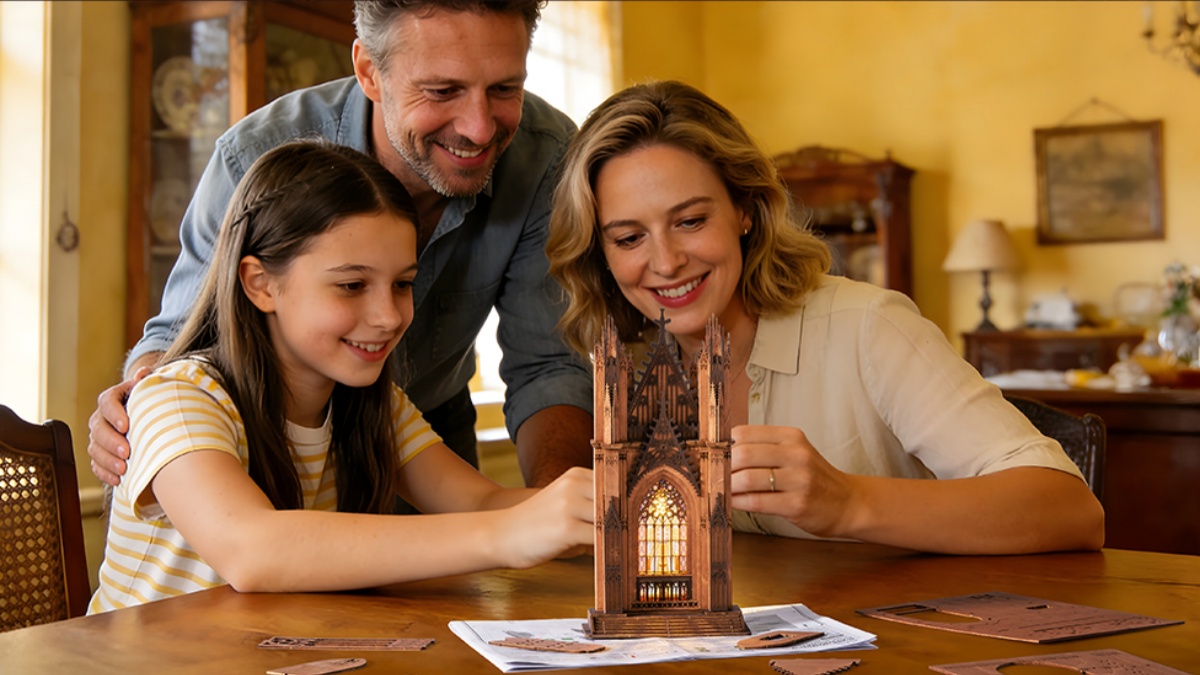
Quick Answer
A miniature kit may begin as a weekend project, but many builders discover that it offers something much bigger: calm, creativity, patience, accomplishment, personal stories, and a community that keeps the hobby growing.
Introduction
A miniature kit may begin with hundreds of tiny pieces, but for many builders, it becomes something much bigger.
What starts as a weekend project can turn into a creative ritual — a relaxing moment away from screens, a way to express imagination, and sometimes the beginning of a lifelong hobby.
Recently, a discussion in the book nook community raised an interesting question: when does loving miniature building become “too much”?
One hobbyist shared that they spent significant time building, displaying, and customizing book nooks. Their family even worried that the hobby had become an addiction.
But the discussion revealed something deeper:
For many miniature builders, these tiny worlds are not just objects. They represent creativity, patience, relaxation, and personal stories.
This blend of making and slowing down is also why miniature kits fit naturally among the best screen-free hobbies for adults.
Why Do People Become So Passionate About Miniature Building?
1. Miniature Kits Create a Feeling of Calm and Focus
One of the most common reasons people love miniature building is the feeling of slowing down.
Unlike many modern activities that involve endless scrolling and passive consumption, building a miniature scene requires attention and patience.
One hobbyist described their experience simply:
“It's something I enjoy and helps me relax.”
The process creates a small escape:
- sorting tiny pieces
- assembling furniture
- arranging details
- watching a scene slowly come together
For many adults, miniature building becomes a quiet ritual after a busy day.
You can explore this side of the hobby further in Why Building Miniature Worlds Reduces Stress.
2. Building Is More Than Following Instructions — It Is Creative Expression
A miniature kit provides the foundation, but builders often make it their own.
The Reddit discussion highlighted that many hobbyists enjoy:
“trying different ways to customize them”
Customization transforms a kit from a product into a personal creation.
Builders may:
- change colors
- add decorations
- redesign layouts
- create new stories around the scene
The final result is not just something they bought.
It is something they created.
Detailed DIY miniature house kits give builders room to make those choices through furniture, color, and decorative details.
3. Why One Miniature Kit Often Leads to Another
Many hobbyists joke that miniature building is “addictive.”
But usually, they are describing curiosity rather than a harmful habit.
One builder explained:
“There are definitely addictive elements to it. But, it’s not gambling or alcoholism or drug addiction.”
The attraction often comes from:
- discovering new themes
- challenging yourself with harder builds
- collecting different scenes
- improving your skills
Each finished project creates the excitement of starting a new one.
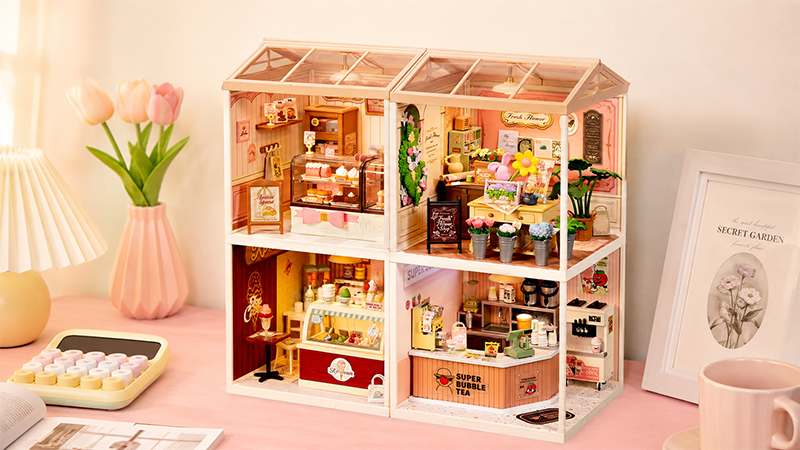
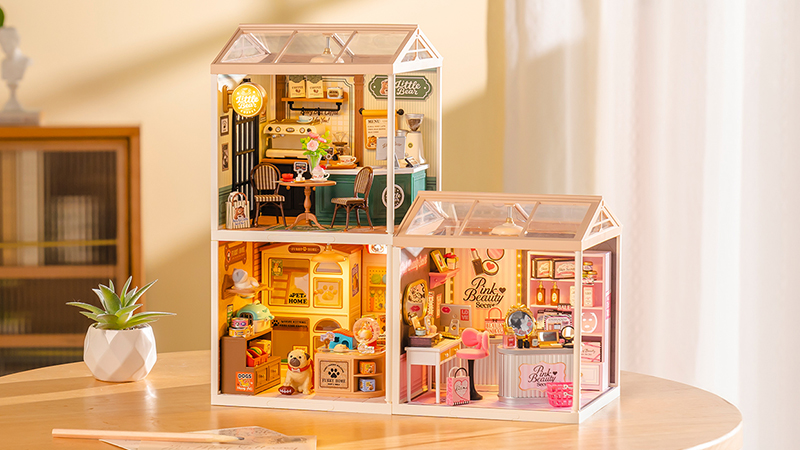
For collectors who enjoy connecting separate rooms, Super Creator kits for collectors offer a modular way to let a miniature world expand over time.
4. Miniature Building Helps People Practice Patience and Creativity
A miniature scene is built one tiny step at a time.
That process naturally develops skills many people value:
- patience
- concentration
- problem-solving
- creativity
As one community member shared:
“It teaches patience, perseverance, a sense of scale, creativity, and the ability to sit for long periods of time focusing on one thing.”
For adults especially, hobbies that encourage deep focus can become a meaningful break from fast-paced digital life.
5. When Is a Hobby Healthy — And When Is It Too Much?
The Reddit discussion also raised an important question:
Is loving miniature building a problem?
Most hobbyists agreed that the key question is not how much someone enjoys a hobby.
The question is whether it negatively affects daily life.
A hobby becomes concerning when it causes problems with:
- responsibilities
- finances
- relationships
- health
But if someone:
- manages their budget
- completes work or studies
- maintains relationships
- enjoys their free time
then having a passionate hobby is simply part of a balanced life.
6. Miniature Worlds Create Real Emotional Connections
One unique thing about miniature hobbies is that finished projects stay with you.
Unlike many forms of entertainment that disappear after watching or playing, miniature creations become part of your personal space.
They can remind builders of:
- the time they spent creating them
- the skills they developed
- the memories connected to that project
A tiny room can become a personal story.
7. Why Miniature Communities Matter
Another important part of the hobby is the community.
Builders share:
- completed projects
- customization ideas
- tips and techniques
- inspiration for future builds
As one hobbyist described:
“In this Miniature Community we support one another and having fun.”
The hobby becomes more than building alone.
It becomes a shared creative experience.
Rolife's community member benefits offer another way for enthusiasts to connect with fellow makers.
How the Hobby Can Grow With You
A lasting miniature hobby does not need to begin with the largest or most complicated project. It can grow through different formats, themes, and levels of creative freedom.
Start With One Compact Room
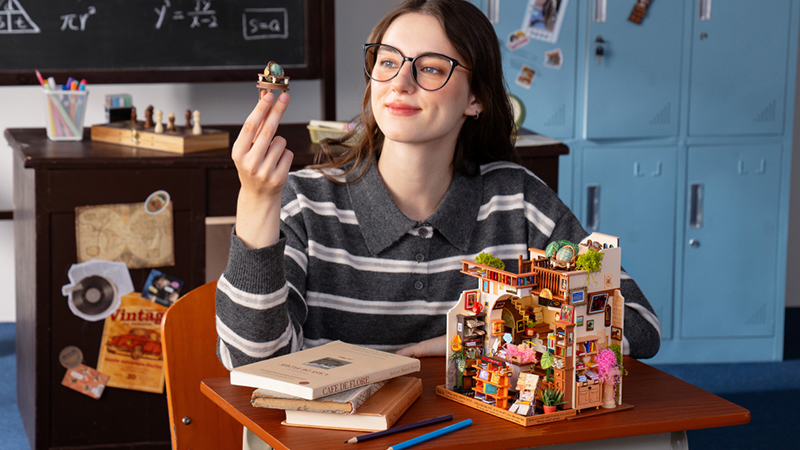
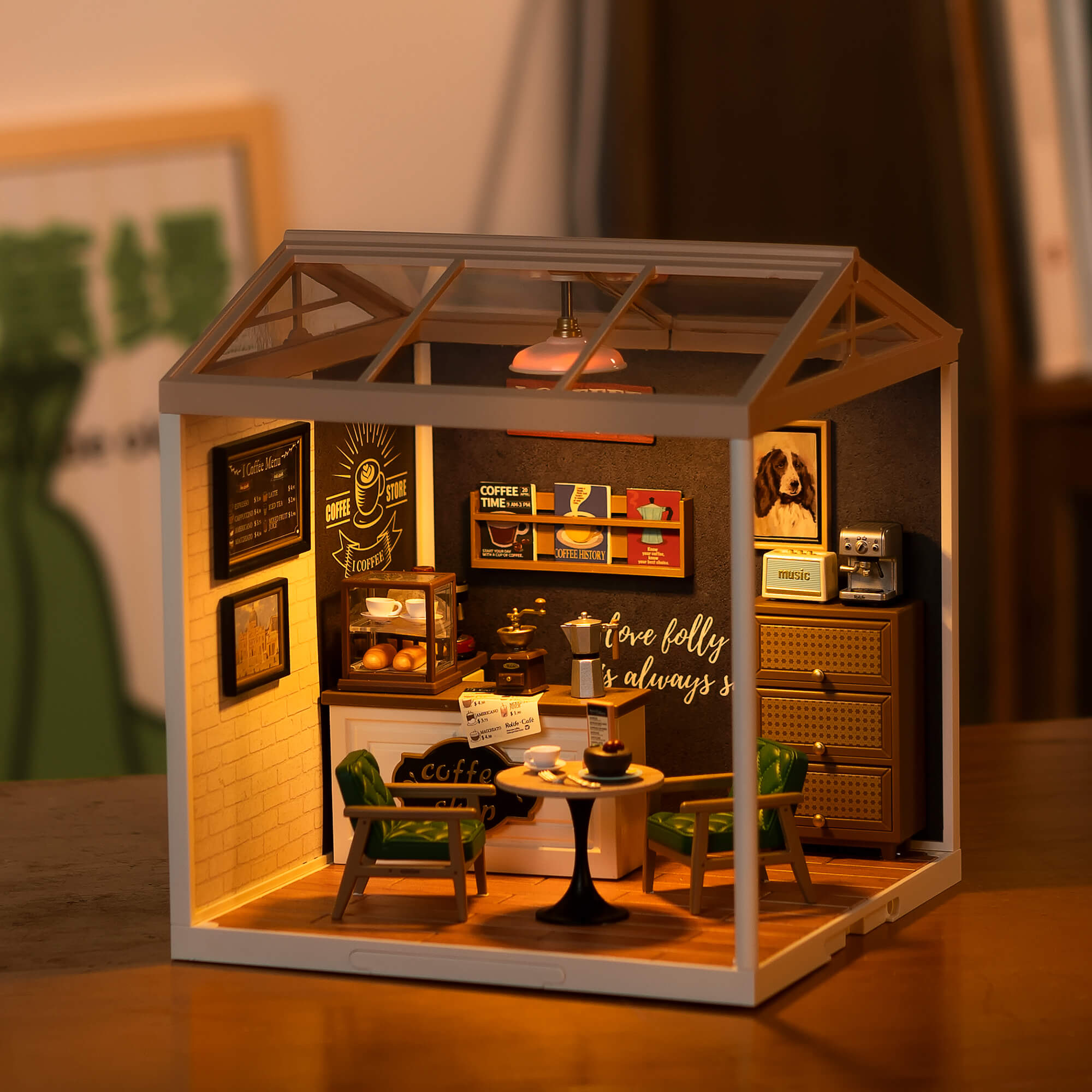
A compact modular scene such as the Daily Inspiration Cafe DW001B can introduce the pleasure of arranging a complete room without requiring a large display area. If the modular format clicks, additional rooms can gradually turn one scene into a connected collection.
Explore More Detailed Scenes
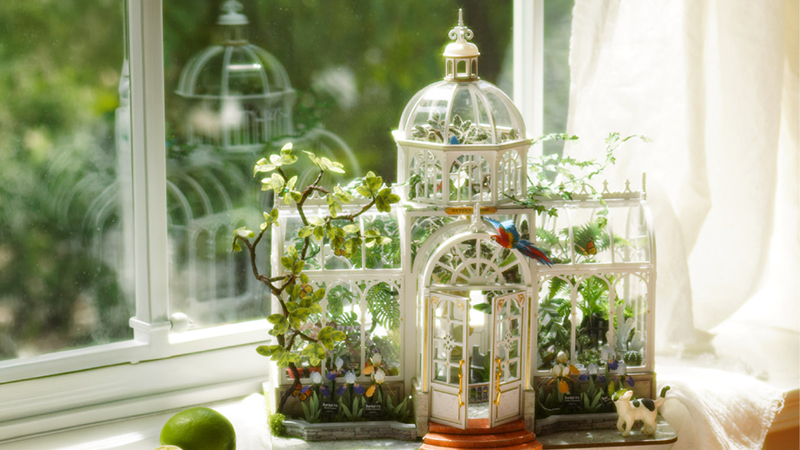
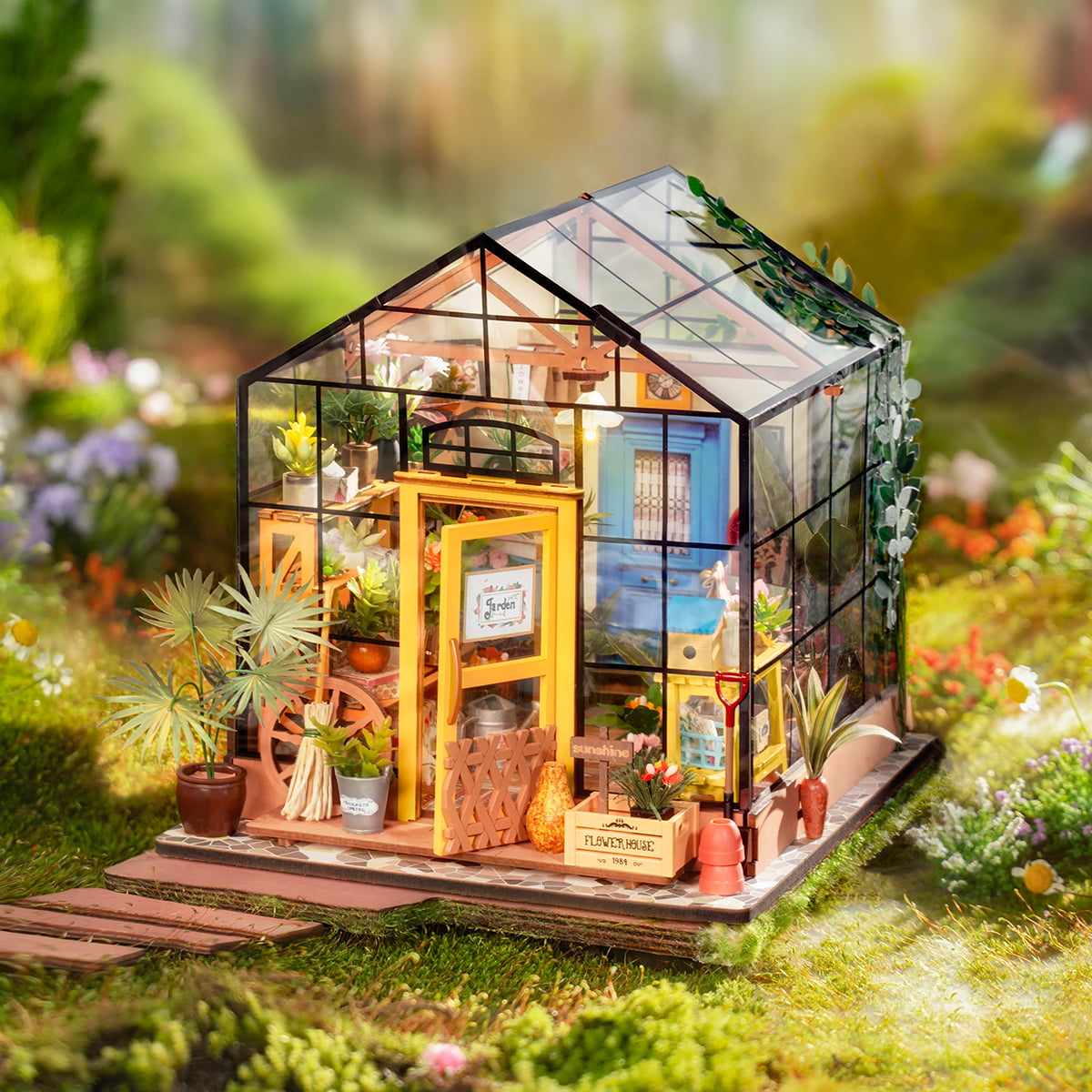
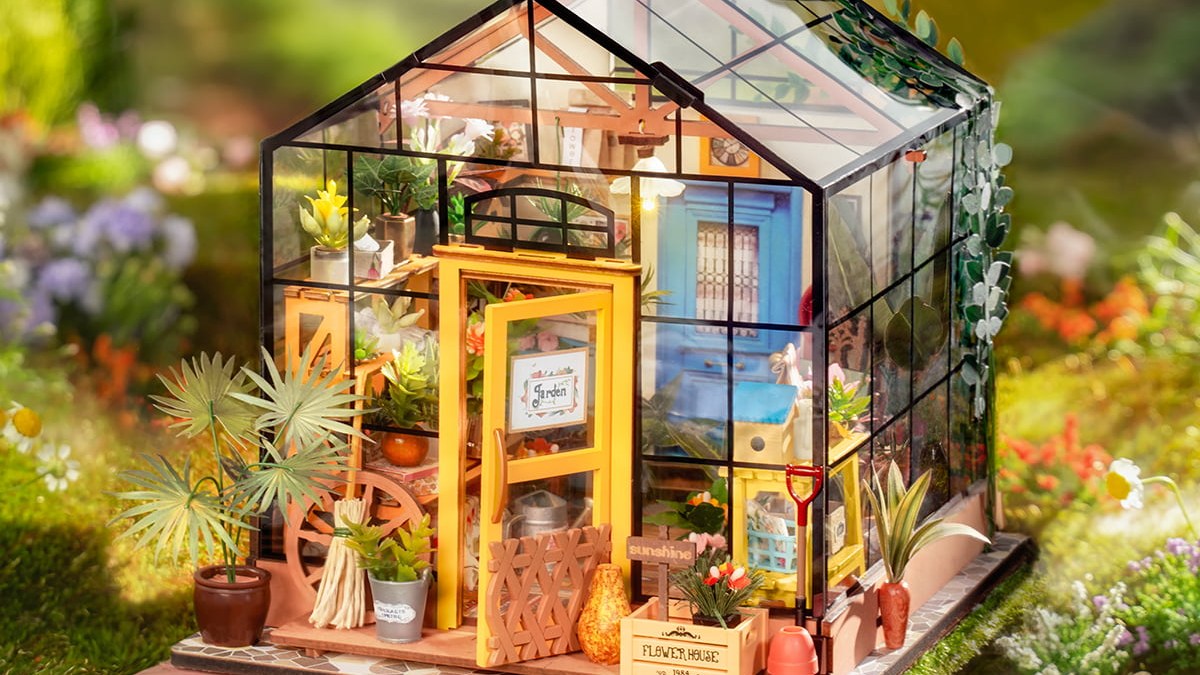
As patience and confidence grow, a detailed scene such as Cathy's Flower House DG104 offers more opportunities to arrange furnishings, plants, and decorative details.
Build a Story Across Your Bookshelf
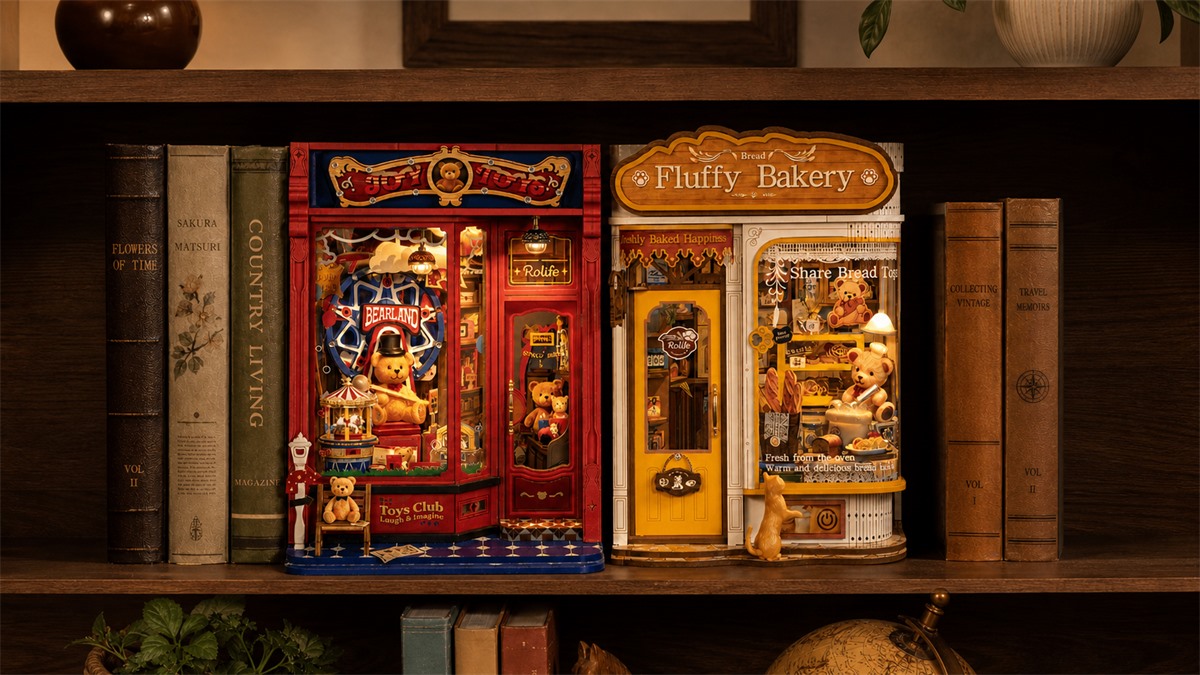
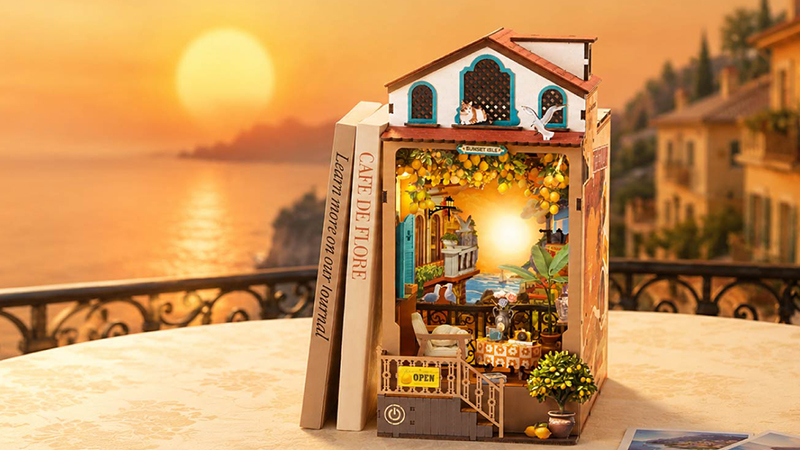
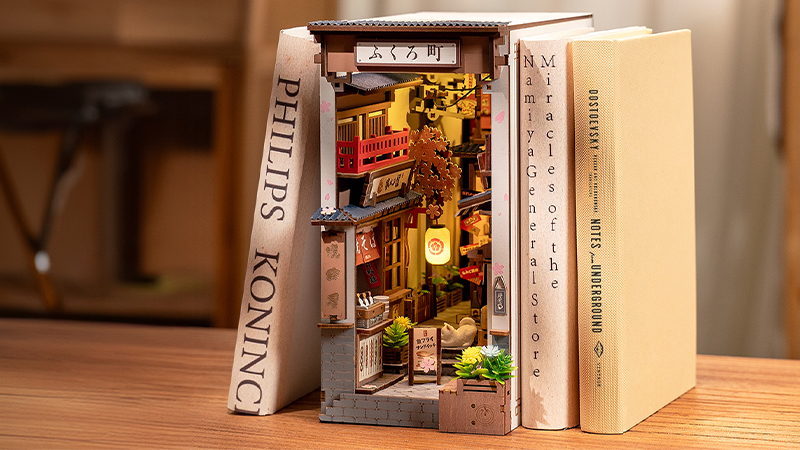
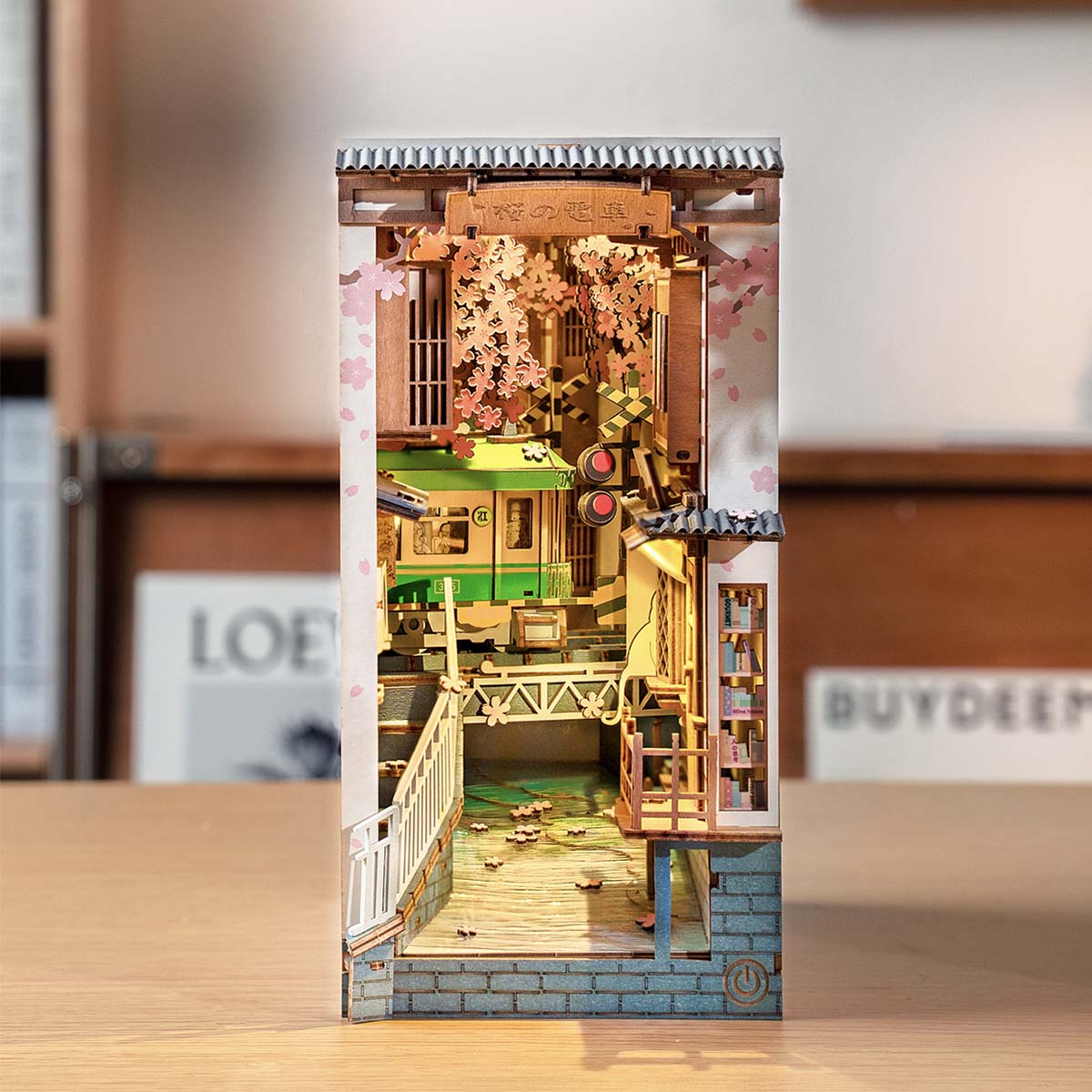
For readers, book nook kits turn a collection into part of the bookshelf itself. A scene such as Sakura Densya TGB01 can stand alone, while future book nooks can give different sections of a library their own atmosphere.
Conclusion
Miniature building may start with a small box of pieces, but the experience can become something much bigger.
For many hobbyists, creating tiny worlds offers:
- a moment of calm
- a chance to be creative
- a feeling of accomplishment
- a connection with other makers
So is miniature building addictive?
Maybe.
But perhaps the better word is passionate.
Because sometimes, finding something that makes you slow down, create, and enjoy the moment is exactly what a good hobby is supposed to do.
If you are ready to begin with one scene, this guide to starting a DIY miniature hobby can help you choose a manageable first project and build at your own pace.
What Makes Miniature Building Special to You?
Every builder has a different reason for loving miniature worlds.
For some, it’s a relaxing escape.
For others, it’s a way to create, customize, and share something personal.
We’d love to hear your story:
✨ What was your first miniature kit?
✨ What do you enjoy most about building?
- Relaxing and slowing down
- Creating something unique
- Decorating your space
- Challenging yourself with new builds
- Collecting miniature worlds
✨ What does miniature building mean to you?
Share your experience and inspire other creators.
Comment Below or [Share Your Story] at our community!
Frequently Asked Questions
Why do adults enjoy building miniature worlds?
Miniature building combines focused hands-on work, visible progress, creative choices, and a finished display. Many adults enjoy the chance to slow down, make something personal, and step away from passive screen time.
Is miniature building an addictive hobby?
Hobbyists sometimes use the word “addictive” to describe the excitement of discovering new themes, improving their skills, and starting another project. The important question is whether the hobby negatively affects responsibilities, finances, relationships, or health.
How can a beginner turn one miniature kit into a lasting hobby?
Start with a kit that matches your current confidence and available time. After completing it, explore a different theme, try a small customization, or share the finished scene with other builders before choosing the next project.
![Top 5 Most Difficult Rolife Miniature Kits to Build [2026 Guide]](https://www.rolifeonline.com/cdn-resource-files-s/img3/2359c5f4bb0569a6/image/store/1649394707320/Top-5-Most-Difficult-Rolife-Miniature-Kits-to-Build-[2026-Guide].jpg?w=1200&h=674)