
Schnelle Antwort
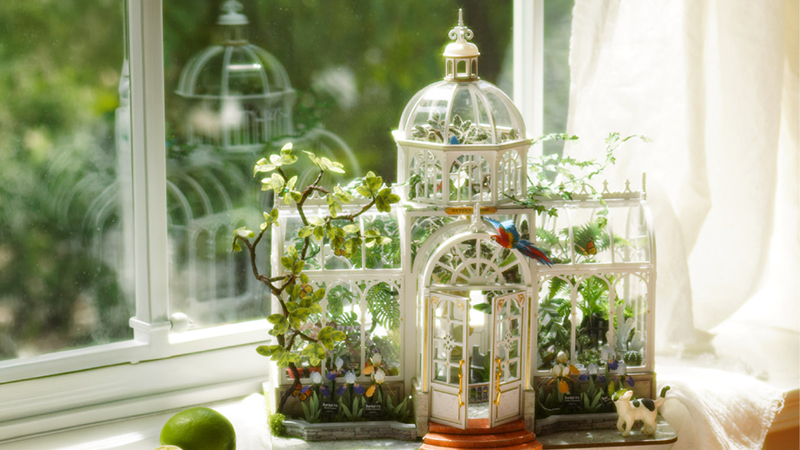
Ja - wenn Sie ein erfahrener Miniaturbauer sind, der ein langes, praktisches Projekt mit einem starken Gefühl der Erfüllung möchte. Rolife Oxygen Oasis DH102 befindet sich in Rolifes derzeit höchster Schwierigkeitsstufe: 6-Sterne Meisterlevel, mit 1168 Teilen und einer geschätzten Montagezeit von etwa 36 Stunden. Das Gewächshaus wird durch eine Mischung aus ineinandergreifenden Strukturteilen, Kleben, Drahtformen, Papierarbeiten, Pflanzenherstellung, Lichtinstallation und sorgfältiger Endanordnung gebaut.
Es ist am besten für Pflanzenliebhaber, langjährige Rolife-Macher und detailorientierte Bastler geeignet, die den tieferen DIY-Prozess klassischer Miniaturhäuser vermissen. Es ist nicht als erstes Miniaturset oder als schnelles Wochenendprojekt gedacht. Der anspruchsvolle Prozess führt zu einem fertigen botanischen Gewächshaus mit außergewöhnlicher Ausstellungspräsenz und einem unvergesslichen Gefühl der Erfüllung.
Überprüfungstransparenz: Die beiden Robotime Community-Macher erhielten die Möglichkeit, das Set zu überprüfen. Jennifer Jain erhielt das Produkt im Austausch für eine unabhängige Blogbewertung. Das Designerinterview wurde von Rolife für diesen Artikel bereitgestellt. Ihre Erfahrungen, Meinungen und Fotografien bleiben den ursprünglichen Quellen zugeordnet.
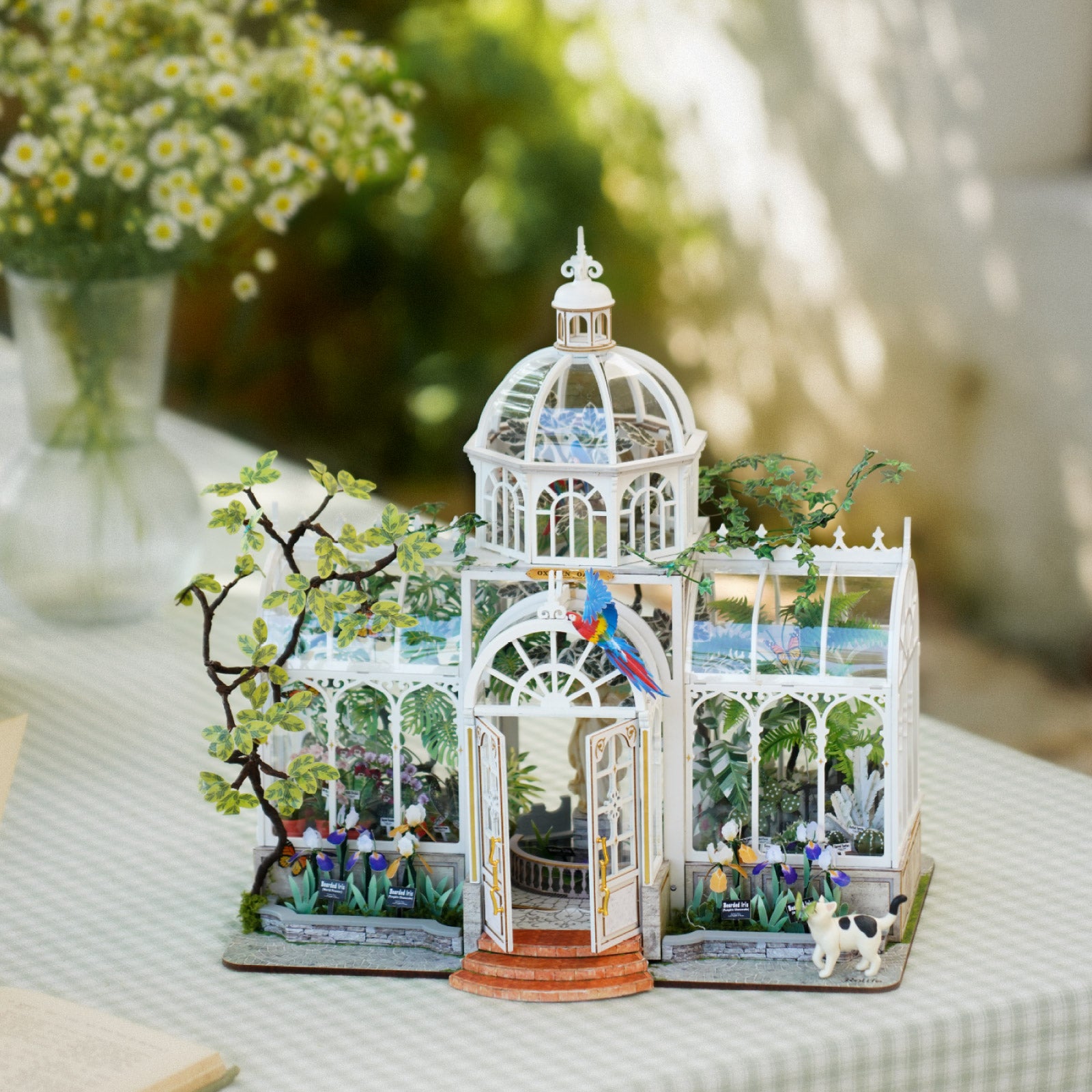
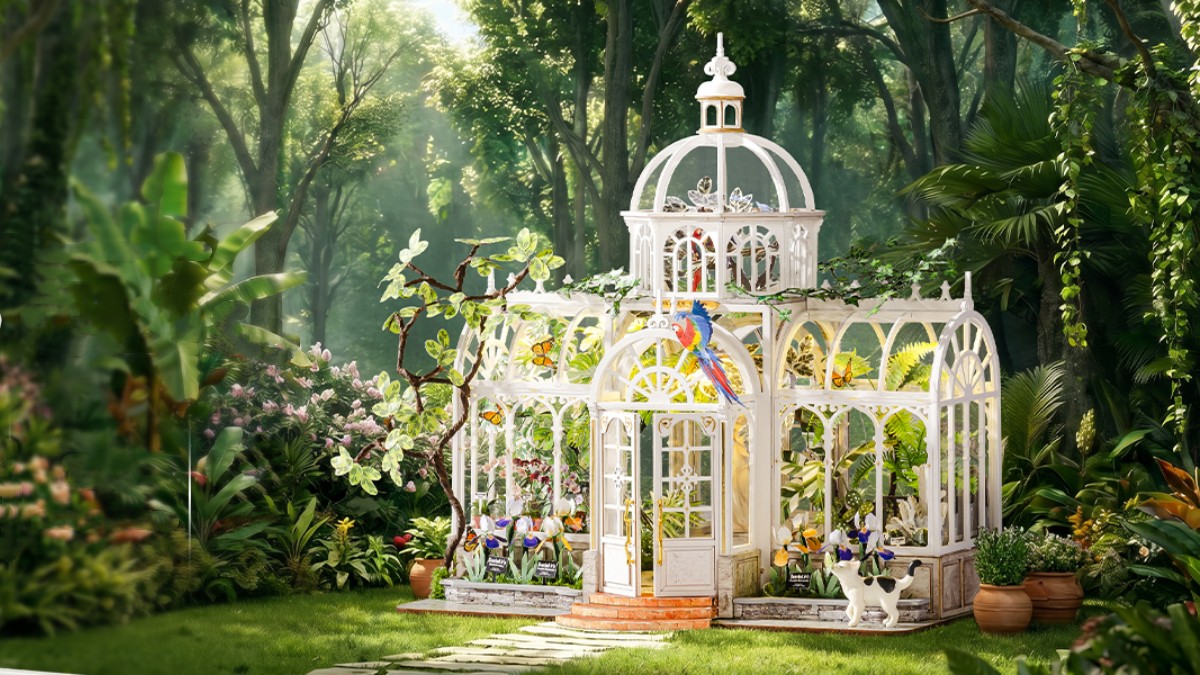
Offizielles Produktbild: Rolife Oxygen Oasis DH102.
Oxygen Oasis DH102 auf einen Blick
| Merkmal | Was Sie wissen sollten |
|---|---|
| Produkt | Rolife Oxygen Oasis DH102 DIY Miniaturhaus |
| Schwierigkeitsgrad | 6-Sterne Meister - Rolifes derzeit höchste Schwierigkeitsstufe |
| Teileanzahl | 1168 Teile |
| Montagezeit | Etwa 36 Stunden |
| Montierte Größe | 11,22 x 8,27 x 11,81 Zoll (28,5 x 21 x 30 cm) |
| Thema | Romantisches botanisches Gewächshaus inspiriert von einem viktorianischen Wardian-Gehäuse aus dem 19. Jahrhundert |
| Bauweise | Hybride Rahmenkonstruktion mit Kleber, Draht, Papier, Holz, Kunststofffenstern und handgefertigten Pflanzen |
| Beleuchtung | Zentrale Licht- und Seitenlichtstreifen; zwei AAA-Batterien erforderlich, Batterien nicht enthalten |
| Am besten für | Erfahrene Miniaturbauer, Pflanzenliebhaber und Bastler, die eine langfristige kreative Herausforderung suchen |
| Bauerfahrung | Langsam, immersiv, sehr detailliert und lohnend, wenn in Etappen angegangen |
| Ausstellungswert | Sehr hoch, insbesondere wenn beleuchtet |
Die Hauptzahlen sind wichtig. Ein 1168-teiliger, 36-stündiger Bausatz erfordert eine andere Denkweise als Rolifes Anfänger- und Fortgeschrittenen-Bauten. Oxygen Oasis geht weniger darum, das fertige Modell schnell zu erreichen, sondern mehr darum, eine Reihe kleiner Bastelentscheidungen zu genießen: Äste formen, Blätter falten, Pflanzen positionieren, architektonische Rahmen zusammenbauen, Kleber verwalten und ein Gewächshaus zu schaffen, das individuell gewachsen und nicht einfach zusammengebaut wirkt.
Für einen produktfokussierten Überblick über das Gewächshauskonzept und die Hauptmerkmale lesen Sie unsere Oxygen Oasis Einführung.
Oxygen Oasis DH102 Vor- und Nachteile
Vorteile
- Sechs-Sterne Meisterschwierigkeit bietet Rolifes fortschrittlichste aktuelle Herausforderungsstufe.
- Der 1168-teilige Bau bietet viele Stunden abwechslungsreicher, praktischer Miniaturarbeit.
- Botanische Details wirken geschichtet und sorgfältig beobachtet, anstatt generisch.
- Hybride Konstruktion kombiniert einen stabilen, ineinandergreifenden Rahmen mit traditionellen Klebe-, Draht-, Papier- und Handverarbeitungstechniken.
- Klare Anleitungen führen schrittweise in die komplexeren Strukturen ein.
- Zentrale und seitliche Beleuchtung offenbart das Innere und wirft gewächshausähnliche Schatten.
- Pflanzenformen und -positionen lassen Raum für persönliche Ausdrucksweise.
- Das fertige Gewächshaus hat von mehreren Winkeln aus eine starke Ausstellungspräsenz.
Nachteile
- Die wiederholten Pflanzbauphasen erfordern ein erhebliches Zeitengagement.
- Viele kleine Teile müssen geklebt, geformt, gefaltet oder sorgfältig positioniert werden.
- Fensterpaneele und fertige Blätter profitieren von einer sauberen, kontrollierten Klebeanwendung.
- Die endgültige Pflanzenplatzierung kann heikel sein, sobald das Gewächshaus dicht gefüllt ist.
- Das Set ist besser für Bauherren mit vorheriger Miniaturexpertise geeignet als für komplette Anfänger.
- Bauer, die schnelle Steckmontagen bevorzugen, könnten einen anderen Rolife-Stil mehr genießen.
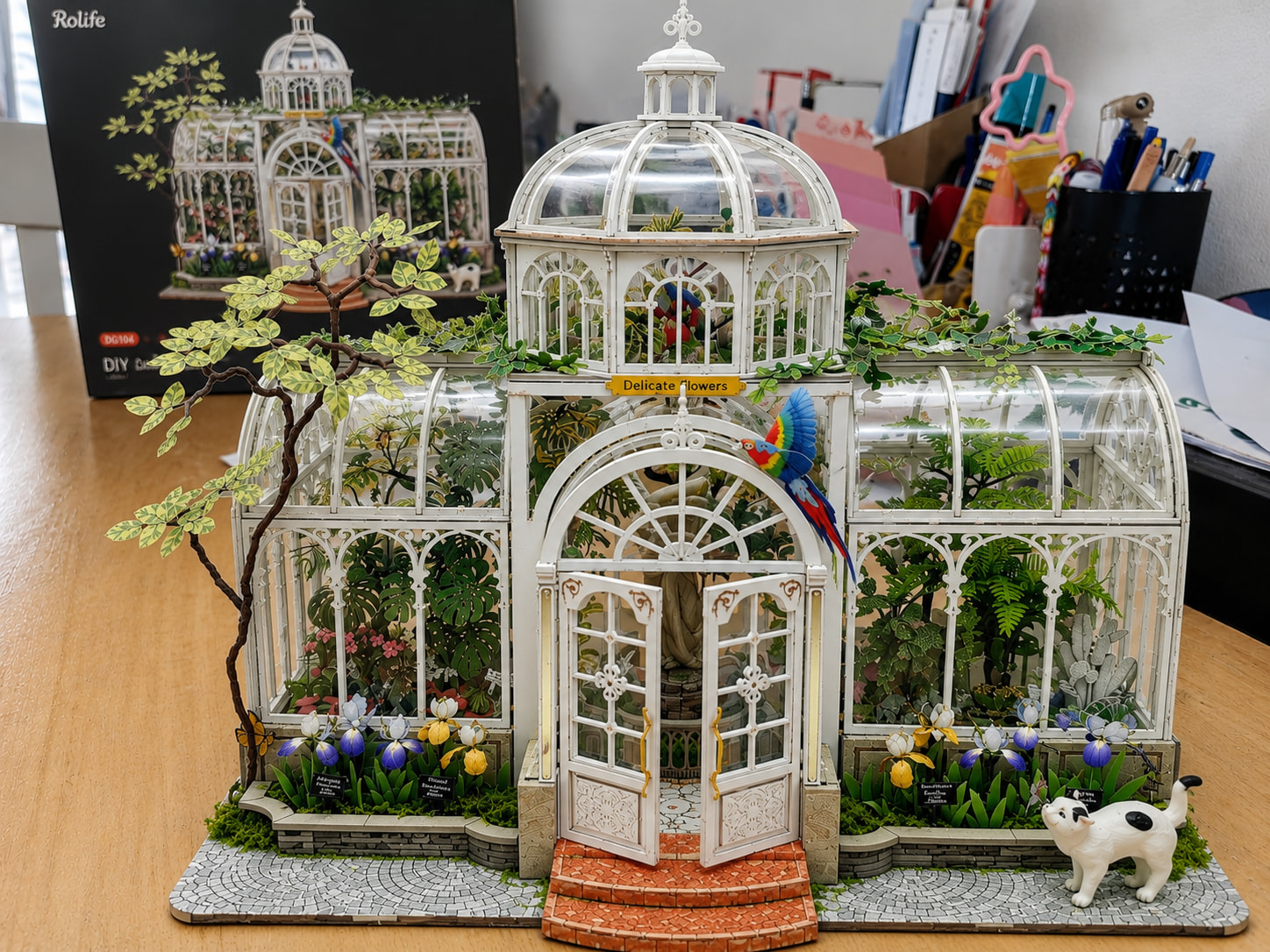 Originalmacherfoto von Liset. Sehen Sie die ursprüngliche Community-Bewertung.
Ist Oxygen Oasis das herausforderndste Rolife Miniaturset?
Oxygen Oasis gehört zur herausforderndsten Stufe in Rolifes aktuellem Miniaturhaus-Sortiment. Seine 6-Sterne Meisterbewertung ist die höchste derzeitige Schwierigkeitsstufe und platziert DH102 unter den Kits, die für erfahrene Macher geschaffen wurden, die aktiv ein anspruchsvolles, langfristiges Projekt wollen.
| Herausforderungsanzeige | Oxygen Oasis DH102 |
|---|---|
| Schwierigkeitsbewertung | 6-Sterne Meister - Rolifes derzeit höchste Stufe |
| Teileanzahl | 1168 Teile |
| Bauzeit | Etwa 36 Stunden |
| Haupttechniken | Kleberarbeiten, Drahtbiegen, Stängelwickeln, Papierformen, Kantenfärbung und architektonische Montage |
| Signaturherausforderung | Herstellung und Anordnung einer großen Anzahl individueller Pflanzen |
| Empfohlene Erfahrung | Vorherige Miniaturbau-Erfahrung |
Die Herausforderung wird nicht nur durch die Teileanzahl definiert. DH102 kombiniert Quantität mit manueller Handwerkskunst: Die Bauherren formen Stängel aus Draht, wickeln Äste, falten und befestigen Blätter, kleben transparente Fensterabschnitte, montieren die Gewächshausarchitektur, installieren Beleuchtung und fügen einen dichten Garten in den fertigen Rahmen ein. Wenige Rolife-Projekte verlangen so viele verschiedene Fähigkeiten über einen so langen Bau.
Für Suchanfragen wie „schwierigstes Rolife-Set“ oder „schwierigstes Miniaturset“ ist die genaueste Antwort, dass Oxygen Oasis in Rolifes höchster Meisterstufe sitzt. Es mag diese Stufe mit anderen fortgeschrittenen Designs teilen, aber seine Kombination aus 1168 Teilen, 36 Stunden, handgefertigten Pflanzen, Draht und Kleber macht es zu einem der klarsten Ausdrucksformen von Rolifes maximaler aktueller Schwierigkeit. Für einen breiteren Vergleich siehe unseren Leitfaden zu den schwierigsten Rolife Miniaturkits.
Warum ist Oxygen Oasis ein 6-Sterne Meister-Level Kit?
Die Schwierigkeit wird nicht durch einen ungewöhnlich komplizierten Mechanismus geschaffen. Sie ergibt sich aus dem Volumen und der Vielfalt der Handarbeit über das gesamte Projekt.
- 1168 einzelne Teile: Viele sind klein, und ein großer Teil wird Teil der botanischen Schichten.
- Traditionelle DIY-Techniken: Kleber, gebogener Draht, gewickelte Stängel, Papierdetails, Kantenfärbung und handgefertigte Komponenten spielen alle eine Rolle.
- Wiederholte Pflanzenkonstruktion: Blätter und Blütenblätter können vorgefertigt sein, müssen aber dennoch geformt, gefaltet, befestigt, gruppiert und angeordnet werden.
- Architektonische Montage: Türen, Kuppel, Seitenrahmen, Fenster, Treppen, Basisabschnitte und Beleuchtung müssen in einer stabilen Reihenfolge zusammengefügt werden.
- Dichte Endzusammensetzung: Pflanzen müssen um Wege, den Teich, Treppen, Ornamente und die transparenten Gewächshauswände passen.
- Trocknungs- und Stagingzeit: Einige Teile müssen ruhen, bevor die nächste Seite oder Schicht abgeschlossen werden kann.
Die gute Nachricht ist, dass die Schwierigkeit progressiv ist. Die Anleitungen beginnen mit einfacheren Türstrukturen, bevor sie die aufwendigeren Kuppeln einführen, und geben den Bauherren Zeit, die Konstruktionslogik zu verstehen. Meisterlevel bedeutet daher nachhaltiges Handwerk und Aufmerksamkeit, nicht ein absichtlich verwirrendes Erlebnis.
Wichtigste Erkenntnis: Oxygen Oasis belohnt Bauherren, die den Prozess selbst genießen. Die wichtigste Fähigkeit ist nicht Geschwindigkeit; es ist die Bereitschaft, die Arbeit zu organisieren, kleine botanische Schritte zu wiederholen und jede Phase sich setzen zu lassen, bevor man fortfährt.
Was sagen echte Bauherren über Oxygen Oasis?
Drei detaillierte Bauperspektiven weisen auf eine bemerkenswert konsistente Erfahrung hin.
Häufigste Lob
- Das fertige Gewächshaus sieht elegant, üppig und ausstellungswürdig aus.
- Klare Anleitungen machen ein großes Projekt einfacher, indem man es Abschnitt für Abschnitt angeht.
- Strukturen und Pflanzen von Grund auf zu bauen, schafft ein stärkeres Gefühl der Erfüllung.
- Die Türen, Kuppel, Teich, Treppen, Pflanzen, Katze, Papageien und Schmetterlinge bieten Entdeckungen aus verschiedenen Blickwinkeln.
- Beleuchtung macht das Innere lesbar und erzeugt attraktive Schatten durch die klaren Paneele.
- Das traditionelle DIY-Format bietet mehr Möglichkeiten für individuelles Formen und Platzieren.
Häufigste Bauherausforderungen
- Die Anzahl der Blumen, Bäume, Blätter und Stängel kann anfangs überwältigend erscheinen.
- Wiederholtes Drahtbiegen, Wickeln, Falten und Kleben benötigt Zeit.
- Kleine Blätter können sich während der endgültigen Platzierung lösen und müssen sanft wieder befestigt werden.
- Klare Fenster erfordern eine kontrollierte Klebeanwendung, um das Finish ordentlich zu halten.
- Die endgültige Gewächshausmontage wird heikler, sobald das Innere dicht bepflanzt ist.
Die Schätzung von 36 Stunden ist ein nützlicher Planungsleitfaden, aber die Kalenderzeit kann variieren. Oxygen Oasis kann in angenehme Sitzungen unterteilt oder als gemeinsames Bastelprojekt genossen werden, insbesondere während der Pflanzenbauphasen.
Die Designer-Geschichte: Warum ein Wardian-Gehäuse zu Oxygen Oasis wurde
Der visuelle Ausgangspunkt war das viktorianische Wardian-Gehäuse aus dem 19. Jahrhundert, ein verglaster Behälter, der ursprünglich zum Schutz von Pflanzen und zur Aufrechterhaltung ihres Wachstumsumfelds verwendet wurde. Seine Struktur war eine natürliche Übereinstimmung für ein botanisches Haus-Thema: transparente Wände, ornamentale Rahmen, kontrollierter Innenraum und Grünflächen, die zu gedeihen scheinen in ihrem eigenen kleinen Klima.
Für den Designer war Oxygen Oasis jedoch nicht nur eine Gewächshausform. Es war auch eine Möglichkeit, einen tieferen Stil des Rolife-Miniaturmachens zurückzubringen.
Was ist anders an der DH-Serie?
Die DH-Serie verbindet sich wieder mit der Komplexität früherer Rolife-Miniaturhäuser und fügt eine neuere strukturelle Logik hinzu. Die Bauherren arbeiten weiterhin mit Draht, Kleber, Papier und individuell montierten Details, aber ineinandergreifende Verbindungen helfen, den Hauptrahmen zu stabilisieren.
Dies platziert DH zwischen zwei Rolife-Traditionen:
- den taktilen, hochgradig anpassbaren Prozess klassischer Miniaturhaus-Kits; und
- die zuverlässige Struktur und klarere Montage-Logik neuerer Designs.
Die beabsichtigte Zielgruppe sind die zurückkehrenden Rolife-Macher, die einfachere Projekte abgeschlossen haben und nun eine substanzielle Herausforderung suchen. Oxygen Oasis ist daher nicht nur schwierig wegen des Labels. Seine Schwierigkeit unterstützt eine langsamere, engagiertere Form des Machens und ein realistischeres visuelles Ergebnis.
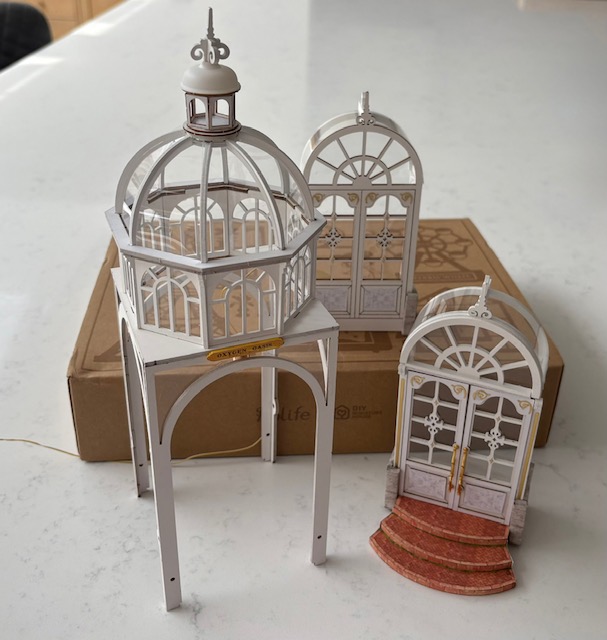 Originalbaufotovon Jennifer Jain. Lesen Sie die vollständige Rezension von Jennifer Jain .
Welches Detail repräsentiert am besten die Absicht des Designers?
Der Designer wählte die Pflanzen selbst aus, insbesondere die Monstera. Eine junge Zimmerpflanze hat möglicherweise nur einige bescheidene Blätter, aber in einem Gewächshaus kann eine Monstera jede verfügbare Unterstützung erklimmen und zunehmend große Blätter produzieren. Oxygen Oasis spiegelt diese Wachstumsgewohnheit wider, indem die Vegetation durch die Struktur aufsteigt, anstatt als kleine Töpfe auf Bodenhöhe zu bleiben.
Viele Pflanzen im Modell waren Sorten, die der Designer persönlich gezüchtet oder studiert hatte. Die Kollektion umfasst auch tropische Pflanzen, die während des Pflanzenbooms in der Pandemie besonders begehrt wurden. Einige waren schwierig oder teuer im Vollmaß zu besitzen, sodass das Miniaturgewächshaus sowohl eine persönliche Traumsammlung als auch ein Designprojekt wurde.
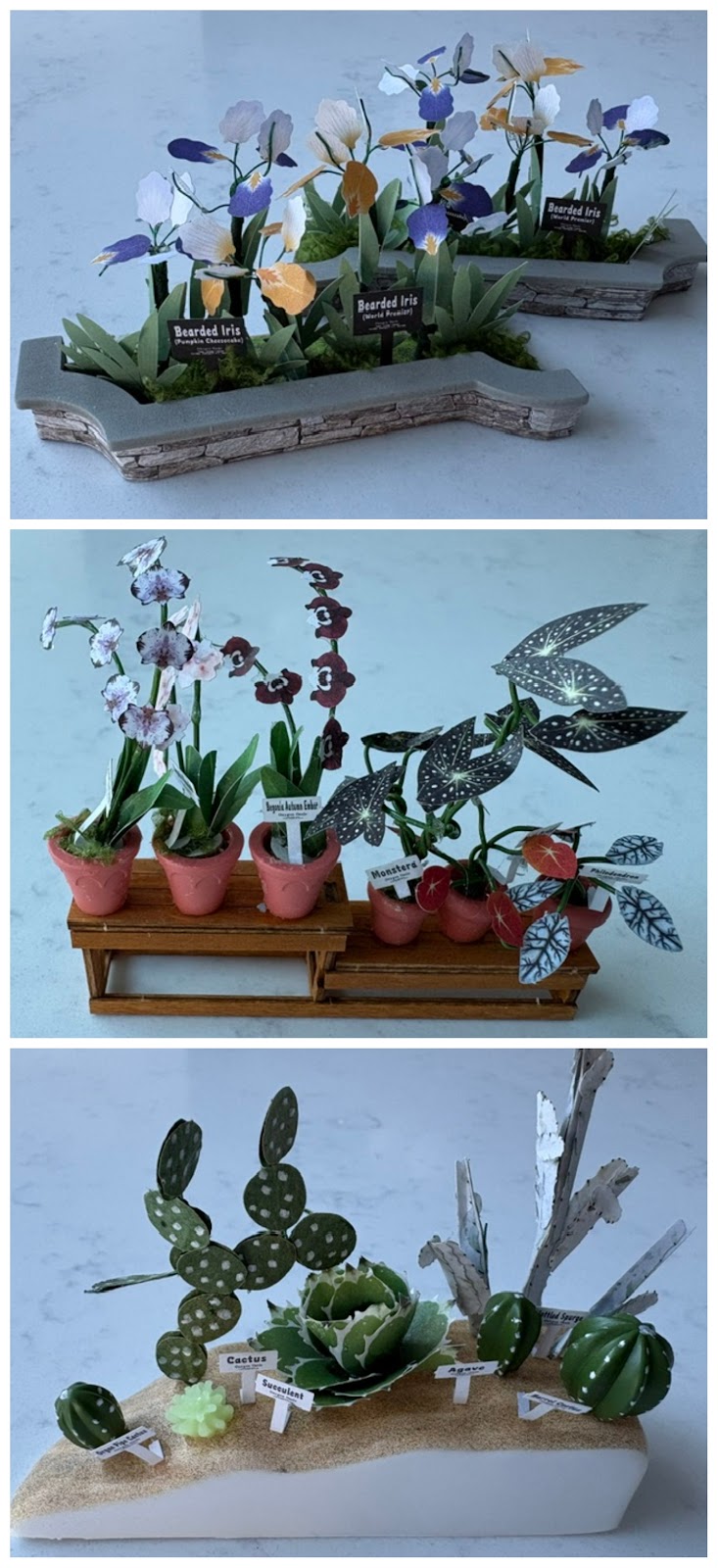 Originalfoto der Pflanzenherstellung von Jennifer Jain. Lesen Sie die vollständige Rezension von Jennifer Jain .
Warum ist die Pflanzenherstellung Teil der Geschichte?
Der Designer wollte, dass die Bauherren Pflanzenformen durch ihre Hände lernen. Einen Stängel zu biegen, ein Blatt zu formen und zu entscheiden, wie mehrere Pflanzen einen Raum teilen sollten, fördert eine genauere Beobachtung, als eine fertige Plastikpflanze in einen Schlitz zu setzen.
Dieser Prozess erklärt auch die emotionale Belohnung. Die Pflanzen sind nicht der schnellste Abschnitt, aber sie sind der Teil, der am deutlichsten vom Hersteller geprägt ist. Wenn das Gewächshaus schließlich voll ist, fühlt sich das Ergebnis durch wiederholte Aufmerksamkeit gewachsen an.
Welches Gefühl sollte das fertige Gewächshaus erzeugen?
Oxygen Oasis wurde als Einladung gestaltet, langsamer zu werden und grünes Leben wahrzunehmen. Die geschichteten Pflanzen, gefiltertes Licht und unregelmäßige Schatten erinnern an Details, die in einem lokalen Blumenmarkt oder neben einem vertrauten Fenster erscheinen könnten.
Die Hoffnung des Designers ist, dass das fertige Modell einen ruhigeren Moment zu Hause schafft: einen kleinen Garten, der durch jede Jahreszeit lebendig bleibt und ohne irgendwohin zu gehen, wieder besucht werden kann.
Wie drückt das Design die Werte von Rolife aus?
Der Designer beschrieb die Rolle von Rolife als Hilfe für Menschen, schöne Momente im Alltag wahrzunehmen und diese Momente in etwas zu verwandeln, das sie halten können. Ein Traum, der im Vollmaß unpraktisch sein mag - wie der Besitz eines privaten Glashausgartens - kann zu einer von Hand gebauten Miniaturwelt werden.
In diesem Sinne muss ein „Rolife-Moment“ nicht groß sein. Es könnte eine Wolke auf dem Weg zur Arbeit sein, eine Wildblume am Straßenrand, ein Vogel, der vorbeifliegt, ein Haustier, das zu Hause wartet, oder ein neues Blatt, das auf einer Fensterbankpflanze erscheint. Oxygen Oasis sammelt diese alltägliche Aufmerksamkeit in einer detaillierten Szene.
Wie lange dauert es wirklich, Oxygen Oasis zu bauen?
Planen Sie etwa 36 Stunden für die Montage ein. Dies ist eine nützliche Basislinie, sollte jedoch nicht als Frist behandelt werden.
Einzelne Pflanzengruppen können mehrere fokussierte Sitzungen in Anspruch nehmen, und größere Statement-Pflanzen wie die beiden Monsteras verdienen zusätzliche Zeit. Trocknungszeit, Größe des Arbeitsplatzes, Erfahrung, Anpassung und die Länge jeder Bastelsitzung wirken sich alle auf den Zeitplan aus.
Ein praktischer Plan besteht darin, das Kit in Phasen zu unterteilen:
- Überprüfen und organisieren Sie die nummerierten Materialien.
- Bauen Sie die Basis, Türen, Kuppel und das Gewächshausgerüst.
- Installieren und testen Sie die Beleuchtung, bevor der Zugang eingeschränkt wird.
- Stellen Sie kleine Pflanzengruppen in Chargen her.
- Bauen Sie größere drahtbasierte Pflanzen und Bäume.
- Arrangieren Sie den Teich, die Wege, Treppen, Ornamente und Vegetation.
- Fügen Sie die äußere Glashausstruktur hinzu und vervollständigen Sie die Ranken und letzten Details.
Dies ist ein detailreiches Projekt, das Geduld und sorgfältige Montage belohnt. Jede Phase als abgeschlossenes Mini-Projekt zu behandeln, lässt die Schätzung von 36 Stunden einladender erscheinen und gibt Kleber und geformten Komponenten Zeit, sich zu setzen.
Wie sind die Pflanzen zu machen?
Die Pflanzenherstellung ist das Markenzeichen von DH102. Die Blätter sind größtenteils vorgefertigt, was eine der repetitivsten Schneidaufgaben entfernt, aber die Montage umfasst immer noch Falten, Formen, Anbringen von Blättern an Draht, Wickeln von Stängeln, Gruppieren von Sorten und Platzieren in einer dichten Komposition.
Die große Anzahl von Pflanzen ist am besten als Batch-Prozess zugänglich: Bereiten Sie zuerst die Drahtbasen vor, kleben Sie die Blätter eine Pflanze nach der anderen und verwenden Sie wiederverwendbaren Kleber oder eine andere sanfte Unterstützung, um die Stängel aufrecht zu halten, während sie trocknen. Die Bauherren können auch diese Phase mit einem Familienmitglied oder Freund teilen, der detaillierte Bastelarbeiten mag.
Das Ergebnis umfasst Kakteen, Orchideen, Monsteras, Bäume, Ranken, Teichpflanzen und geschichtetes tropisches Laub. Ihre unterschiedliche Höhe ist zentral für die Illusion des Gewächshauses; der Garten wirkt am überzeugendsten, wenn Pflanzen klettern, sich überlappen und das Auge nach oben führen.
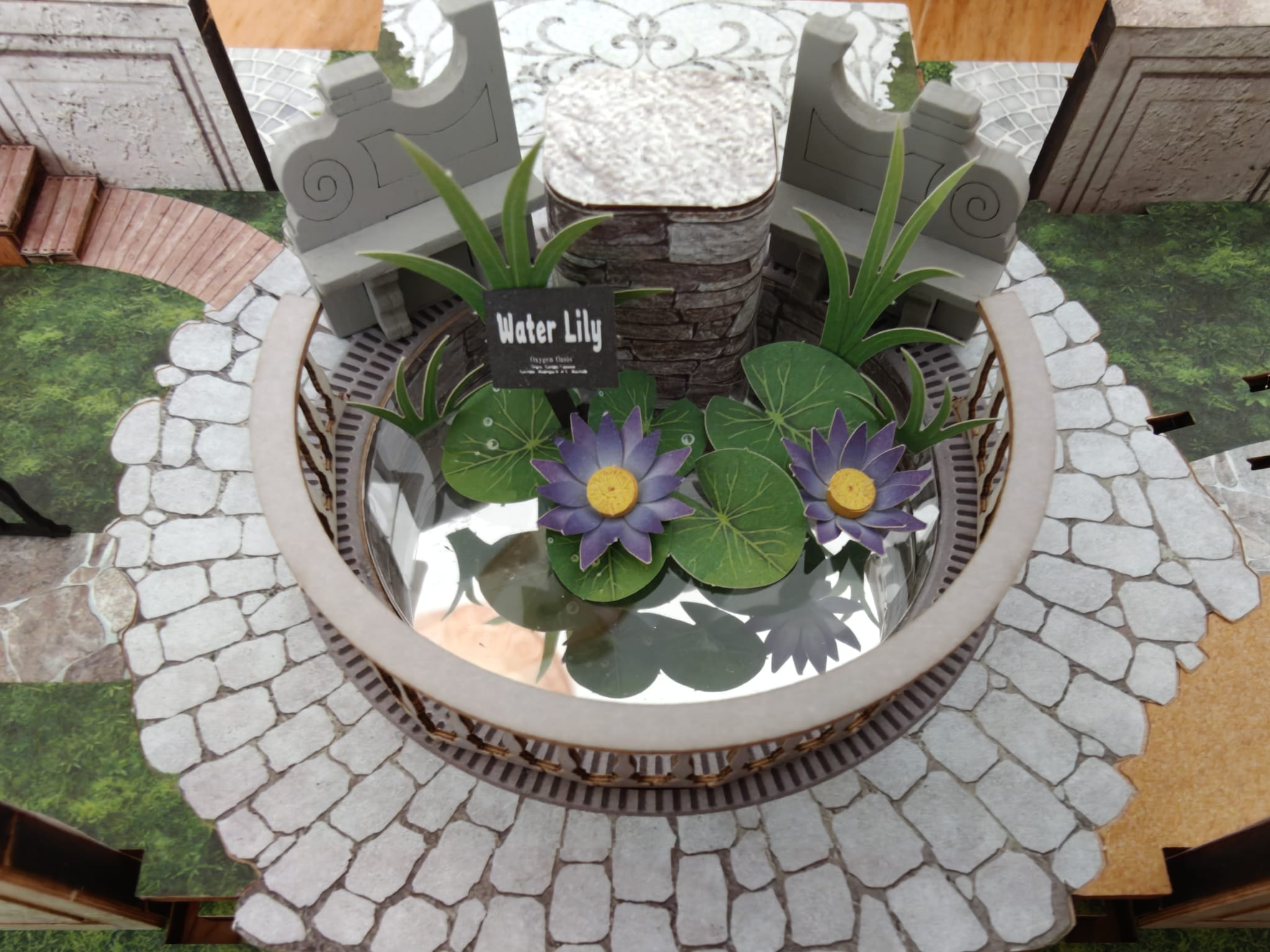 Originalfoto des Herstellers von Liset. Sehen Sie die ursprüngliche Community-Überprüfung .
Wie funktionieren die Struktur und die Beleuchtung?
Der Hauptrahmen verwendet eine ineinandergreifende Konstruktion, um Stabilität zu bieten, während viele dekorative und botanische Komponenten geklebt sind. Transparente Kunststoffpaneele bilden die Fenster. Türen, die erhöhte Kuppel, gebogene architektonische Details und die Seitenflügel schaffen den Charakter eines historischen Gewächshauses.
Die Seitenstrukturen werden einfacher, nachdem die früheren Türen und die Kuppel die Konstruktionslogik festgelegt haben. Die Beleuchtung umfasst eine größere zentrale Quelle und kleinere Streifen unter den Seitenabschnitten. Die Verkabelung wird durch Rohre innerhalb der Struktur geleitet, was hilft, die fertige Anzeige ordentlich zu halten. Die Lichter verwenden zwei AAA-Batterien, die nicht enthalten sind.
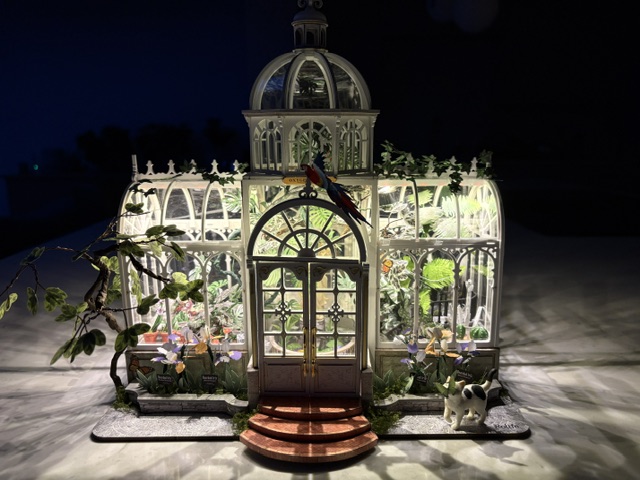 Originalfoto des beleuchteten Aufbaus von Jennifer Jain. Lesen Sie die vollständige Rezension von Jennifer Jain .
Drei detaillierte Erfahrungen von Bauherren
Robotime Community Maker: Liset
Kreation: Ein gemeinsamer DH102-Bau, der mit ihrer Schwiegertochter abgeschlossen wurde, die ebenfalls Erfahrung in der Herstellung von Miniaturhäusern und Pflanzen hat.
Was herausstach: Liset begrüßte die Rückkehr eines echten klebe-basierten DIY-Erlebnisses. Sie fand das Kit umfangreich und herausfordernd, fühlte jedoch, dass die Herstellung vieler Komponenten von Hand das Endergebnis stärkte. Sie schätzte auch, dass Kleber bereitgestellt wurde.
Zitat des Bauherrn: „Dies war ein herausforderndes und umfangreiches Kit zum Bauen.“
Was zu lernen: Verwenden Sie eine kleine Menge Kleber um die klaren Fenster, planen Sie die Pflanzenphasen vor der endgültigen Montage und ziehen Sie in Betracht, das Projekt in gemeinsame kreative Zeit zu verwandeln, wenn ein Freund oder Familienmitglied detaillierte Bastelarbeiten mag.
Quelle: Lesen Sie Lisets ursprüngliche Rezension von Oxygen Oasis .
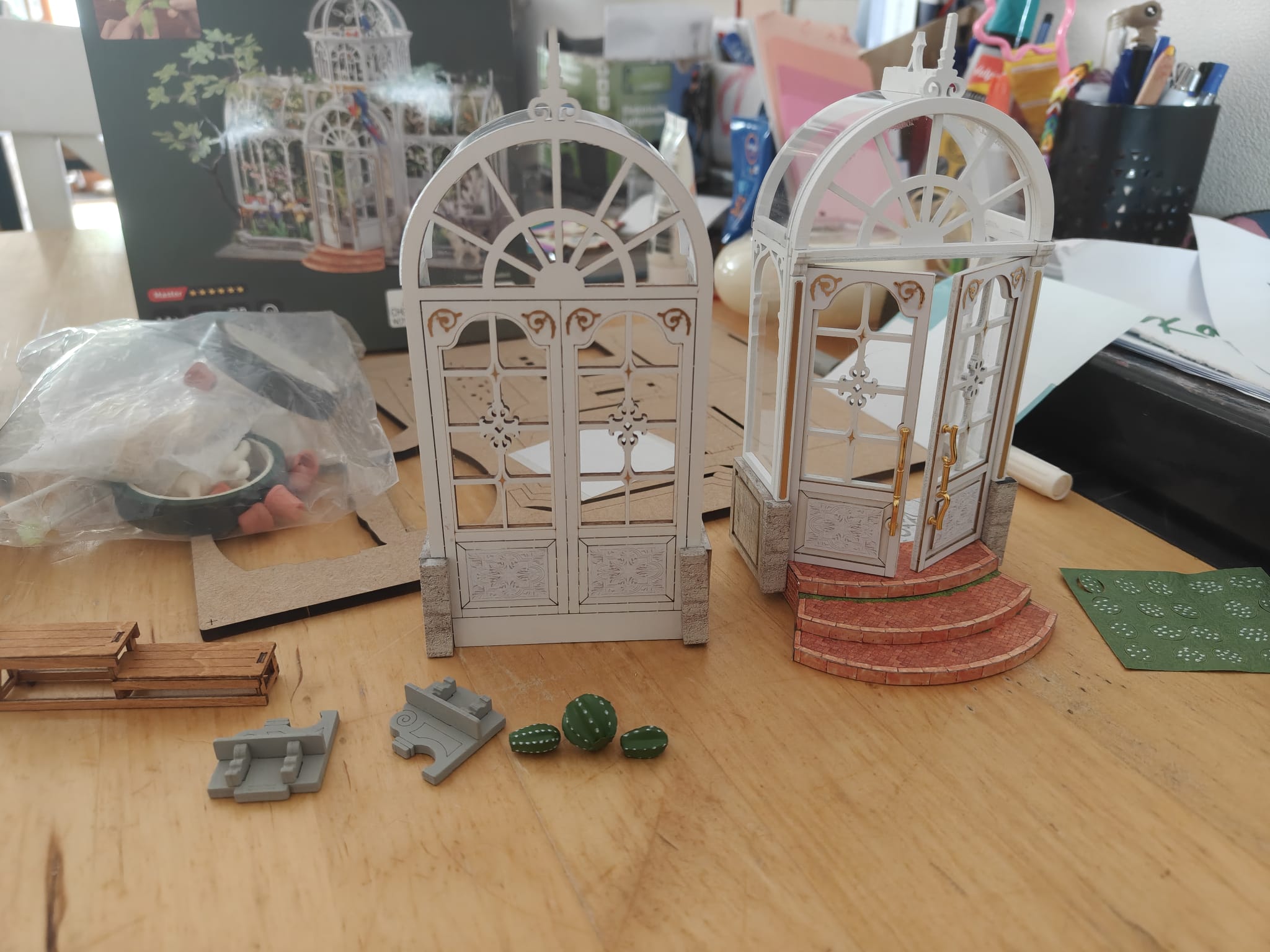 Originalfoto im Bau von Liset. Sehen Sie die ursprüngliche Community-Überprüfung .
Robotime Community Maker: Minus_88
Kreation: Ein erster Robotime-Überprüfungsbau, der mit erheblicher Hilfe ihrer Mutter bei den Kakteen, Orchideen, Blumen und anderen Pflanzen abgeschlossen wurde.
Was herausstach: Sie mochte den Bau der Bänke, der Basis, der Türen, der Kuppel und der Gewächshausform. Ihre Rezension war offen über das Volumen der botanischen Arbeit: Das fertige Modell sprach sie an, aber die Herstellung so vieler kleiner Pflanzen lag außerhalb ihres bevorzugten Bastelstils.
Zitat des Bauherrn: „Dies ist ein 6-Sterne-Kit, daher wird es nicht wirklich empfohlen, Ihre DIY-Reise zu beginnen.“
Was zu lernen: Die Blätter sind vorgefertigt, aber viele müssen immer noch gefaltet, an Draht befestigt, gewickelt und angeordnet werden. Oxygen Oasis ist besser geeignet für jemanden, der bereits weiß, dass er repetitive botanische Detailarbeit mag.
Quelle: Lesen Sie Minus_88s ursprüngliche Rezension von Oxygen Oasis .
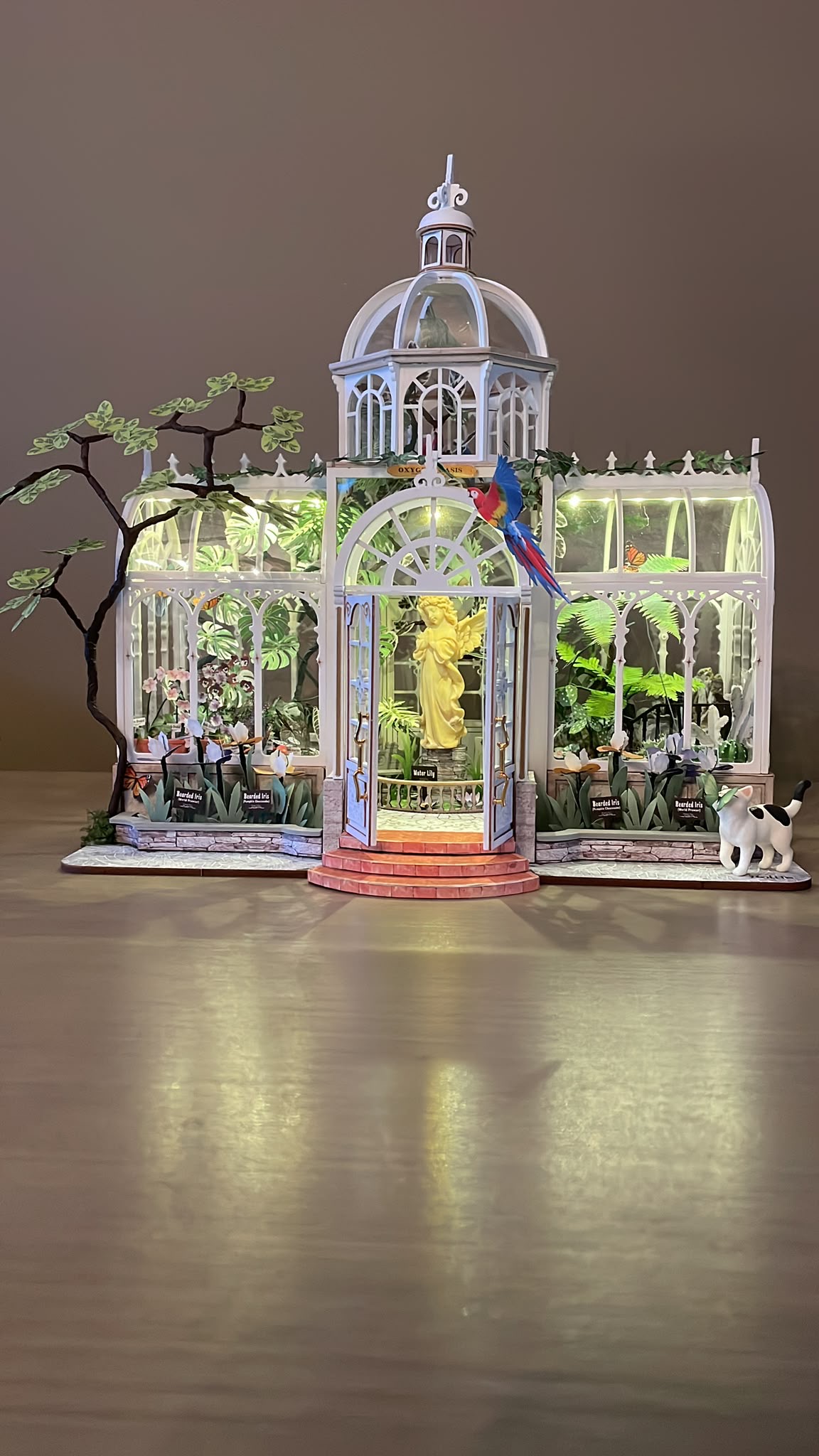 Originalfoto des Herstellers von Minus_88. Sehen Sie die ursprüngliche Community-Überprüfung .
Partnerbauer: Jennifer Jain
Kreation: Ein detaillierter Bau von Anfang bis Ende, der über mehrere Wochen dokumentiert wurde, einschließlich Strukturvorbereitung, Pflanzenchargen, endgültiger Montage, Beleuchtung und Anleitung für fortgeschrittene Kits.
Was herausstach: Jennifer betrachtete DH102 als das komplexeste Miniaturkit, das sie zusammengebaut hatte, lobte jedoch die Anleitungen, die den Bauherren von einfacheren Strukturen zur schwierigen Kuppel und dem endgültigen Gewächshaus führten. Sie genoss besonders die kreative Kontrolle, die von handgeformten Pflanzen angeboten wurde.
Zitat des Bauherrn: „Das Oxygen Oasis Kit war definitiv das komplexeste Miniaturkit, das ich zusammengebaut habe.“
Was zu lernen: Arbeiten Sie in Chargen, verwenden Sie scharfe kleine Scheren für handgeschnittene Papierdetails, halten Sie die fertigen Pflanzen beschriftet, testen Sie die Teile vor dem Kleben und reservieren Sie Platz, wo Komponenten aufrecht trocknen können.
Quelle: Lesen Sie die vollständige Rezension von Jennifer Jain zu Oxygen Oasis .
Praktische Tipps für den Bau von DH102
- Bereiten Sie einen speziellen Arbeitsplatz vor. Sie benötigen Platz für nummerierte Materialien, aktive Komponenten und fertige Pflanzengruppen, die auf spätere Schritte warten.
- Halten Sie Teile nach Phase gruppiert. Öffnen Sie nicht jede Tüte auf einmal; große Mengen sind einfacher zu handhaben, wenn nur der aktuelle Abschnitt sichtbar ist.
- Trockenanpassung vor dem Kleben. Überprüfen Sie die Ausrichtung und den Abstand, insbesondere um Türen, Fenster, Treppen und dichte Pflanzengruppen.
- Verwenden Sie Kleber sparsam in der Nähe transparenter Paneele. Tragen Sie kontrollierte Punkte auf und halten Sie ein sauberes Tuch oder Werkzeug in der Nähe.
- Pflanzen in Chargen bauen. Bereiten Sie mehrere Drahtstängel vor, falten Sie dann die Blätter und befestigen Sie sie eine Gruppe nach der anderen.
- Stützen Sie die Stängel während des Trocknens. Wiederverwendbarer Kleber, Schaum, Clips oder ein anderer stabiler Halter können Pflanzen aufrecht halten.
- Verwenden Sie scharfe spitze Scheren. Einige papierarchitektonische Details erfordern sorgfältiges Hand schneiden, obwohl viele Blätter vorgefertigt sind.
- Testen Sie die Lichter frühzeitig. Bestätigen Sie die Verbindungen, bevor das Innere schwer zu erreichen wird.
- Erwarten Sie kleine Reparaturen während der endgültigen Platzierung. Halten Sie Kleber und Pinzette bereit, falls sich ein Blatt lockert, während die Pflanzen angeordnet werden.
- Stoppen Sie an natürlichen Meilensteinen. Türen, Kuppel, Basis, Beleuchtung, kleine Pflanzen, große Pflanzen und endgültige Montage machen jeweils eine zufriedenstellende Sitzung.
Der enthaltene Kleber unterstützt den gesamten Bau, obwohl die Trocknungsgeschwindigkeit je nach verwendeter Menge und Raumbedingungen variieren kann. Eine kleine Testanwendung ist sinnvoll, bevor Sie in der Nähe eines Fensters oder einer empfindlichen Pflanze arbeiten.
Wer sollte Oxygen Oasis DH102 bauen?
DH102 passt gut, wenn Sie:
- Ein oder mehrere Zwischen- oder Fortgeschrittenen-Miniaturen abgeschlossen haben.ature kits.
- Genießen Sie den kleberbasierten Bau und das Herstellen von Komponenten aus einzelnen Materialien.
- Lieben Sie botanische Gärten, Gewächshäuser, tropische Pflanzen oder das Design von Wardian-Kästen.
- Möchten Sie ein Projekt mit mehreren Sitzungen anstelle eines schnellen Abendhandwerks.
- Finden Sie Zufriedenheit in wiederholter Detailarbeit wie dem Formen von Blättern und dem Wickeln von Stielen.
- Werten Sie eine große, beleuchtete Anzeige mit Details, die von mehreren Seiten sichtbar sind.
- Möchten Sie ein Projekt, das gemeinsame Bastelzeit mit einem anderen erfahrenen Maker werden kann.
Wer könnte einen anderen Rolife Miniaturstil bevorzugen?
Ein anderes DIY Miniaturhaus-Kit könnte besser zu Ihnen passen, wenn Sie:
- Ihr erstes Miniaturprojekt auswählen.
- Vorverarbeitete Komponenten und Steckmontage bevorzugen.
- Ein Modell möchten, das in wenigen Stunden abgeschlossen werden kann.
- Es nicht genießen, Blumen, Bäume, Blätter oder Drahtstiele herzustellen.
- Einen begrenzten Arbeitsplatz zum Trocknen und Lagern vieler vorbereiteter Komponenten haben.
- Architektonische oder Innenthemen mit weniger wiederholter botanischer Arbeit bevorzugen.
Dies ist kein Urteil über Fähigkeiten. Den Bauprozess an den bevorzugten Basteltyp des Makers anzupassen, ist der beste Weg, ein zufriedenstellendes Projekt auszuwählen.
Ist Oxygen Oasis DH102 ein gutes Geschenk?
Oxygen Oasis kann ein außergewöhnliches Geschenk für einen erfahrenen Miniaturmacher, Pflanzenliebhaber, Gärtner, Botanikkunstfan oder Bastler sein, der aktiv eine lange Herausforderung sucht. Das fertige Gewächshaus hat die Präsenz eines Hauptausstellungsstücks, während der 36-Stunden-Prozess dem Empfänger weit mehr als einen einzigen Nachmittag kreativer Zeit bietet.
Es eignet sich besonders gut als:
- Ein Geburtstags- oder Weihnachtsgeschenk für einen erfahrenen Bastler.
- Ein Geschenk für Pflanzenliebhaber, die gerne Blattformen und Wachstumsgewohnheiten lernen.
- Ein langfristiges Hobbygeschenk für jemanden, der Drahtarbeiten, Papierhandwerk und Miniaturen mag.
- Ein gemeinsames Projekt für Familienmitglieder oder Partner, die gerne zusammen bauen.
- Ein Sammlergeschenk für einen Rolife-Fan, der bereit ist, in die Master-Schwierigkeitsstufe aufzusteigen.
Da das Engagement erheblich ist, ist es besser als durchdachtes Geschenk als als Überraschung für einen völligen Anfänger. Überprüfen Sie, ob der Empfänger detaillierte Pflanzenarbeit genießt und Platz hat, um ein im Bau befindliches Modell zwischen den Sitzungen sicher zu lassen.
Wie passt DH102 in Rolifes Miniaturhaus-Reihe?
| Merkmal | Oxygen Oasis DH102 Erfahrung |
|---|---|
| Serienrolle | Ein hochkomplexer DH-Bau, der klassische DIY-Techniken mit neuerer Rahmenlogik verbindet |
| Schwierigkeit | 6-Sterne Master - aktuelle höchste Stufe |
| Thema | Botanisches Gewächshaus und Innenraumgarten |
| Primärer Bastelschwerpunkt | Handgemachte Pflanzen, Drahtformen, Kleben, Papierarbeit und geschichtete Komposition |
| Beste Progression | Nach dem Abschluss einfacherer Miniaturhäuser und dem Erlernen von Klebekontrolle, Organisation und zartem Zusammenbau |
| Emotionale Stimmung | Eintauchend, nachdenklich und leistungsorientiert |
| Anzeige-Stil | Großes transparentes Gewächshaus mit Mehrwinkelansichten und Beleuchtung |
Bauer, die die reichhaltigste verfügbare Herausforderung suchen, können auch Rolifes fortgeschrittene Kitserkunden. Diejenigen, die noch ihren bevorzugten Baustil entdecken, finden es möglicherweise nützlicher, Thema, Bauweise, Stückzahl und geschätzte Zeit über die breitere DIY Miniaturhaus-Kollektionzu vergleichen.
Die Belohnung nach 36 Stunden: Ein Gewächshaus, das Sie selbst geschaffen haben
Der tiefste Reiz von DH102 zeigt sich, nachdem das letzte Blatt angebracht und die Lichter eingeschaltet sind. Das fertige Gewächshaus ist schön, aber sein wahrer Wert kommt von der Anerkennung jeder Entscheidung darin: die Kurve eines Zweigs, der Winkel eines Monstera-Blattes, der Abstand um den Teich, die Ranke über dem Dach und die winzigen Reparaturen, an die sich nur der Erbauer erinnert.
Dies ist kein Ausstellungsobjekt, das einfach fertig ankommt. Der Rahmen gewinnt seinen Charakter durch den Zusammenbau, und der Garten gewinnt sein Leben durch Hunderte wiederholter Entscheidungen. Selbst zwei Bauherren, die denselben Anweisungen folgen, werden Stiele unterschiedlich formen, Laub in verschiedenen Winkeln platzieren und leicht unterschiedliche Schichten von Licht und Schatten erzeugen.
Deshalb ist das 36-Stunden-Engagement wichtig. Jede abgeschlossene Phase wird zum Beweis wachsender Fähigkeiten. Wenn das Gewächshaus schließlich ausgestellt wird, ist die befriedigendste Reaktion nicht nur „Das sieht schön aus.“ Es ist auch: „Ich habe das gebaut.“
Für erfahrene DIY-Macher ist dieses Gefühl der Autorschaft das Premium-Erlebnis. Oxygen Oasis verwandelt Zeit, Konzentration und Technik in ein physisches Zeugnis des Erfolgs - einen Miniaturgarten, der nur in seiner fertigen Form existieren könnte, weil sein Besitzer ihn geschaffen hat.
Wichtigste Erkenntnis: Der wahre Luxus von DH102 ist die Autorschaft. Sie besitzen nicht einfach das fertige Gewächshaus; Sie wissen, wie jeder Teil davon zum Leben erweckt wurde.
Ist Rolife Oxygen Oasis DH102 den Kauf wert?
Für den richtigen Bauherrn, ja. Oxygen Oasis rechtfertigt seine Master-Bewertung durch Tiefe und nicht nur durch Neuheit. Die 1168 Teile und die Schätzung von 36 Stunden übersetzen sich in architektonische Arbeit, Pflanzenherstellung, Beleuchtung, Komposition und viele kleine Entscheidungen, die im fertigen Gewächshaus sichtbar bleiben.
Der stärkste Grund, sich dafür zu entscheiden, ist der Prozess und der Beweis der Meisterschaft am Ende: Dies ist eine Miniatur für jemanden, der schaffen möchte, nicht nur zusammenbauen. Das Design verbindet eine historische Wardian-Kastenform mit Pflanzen, die der Designer wirklich versteht, und die abgeschlossene Szene belohnt die investierte Zeit mit einem starken Gefühl von „Ich habe das gemacht.“
Wählen Sie DH102, wenn ein langes botanisches Projekt einladend klingt und Sie bereits detailliertes Miniaturhandwerk genießen. Wählen Sie zuerst ein leichteres Rolife-Kit, wenn Sie noch lernen, ob Kleber, Draht, wiederholte Pflanzenarbeit und mehrsitziger Zusammenbau zu Ihnen passen. Jede Entscheidung schützt den wichtigsten Teil der Erfahrung: einen Bau zu finden, dessen Prozess sich so zufriedenstellend anfühlt wie seine endgültige Anzeige.
Häufig gestellte Fragen
Welches Schwierigkeitsniveau hat Rolife Oxygen Oasis DH102?
Oxygen Oasis ist mit 6 Sternen oder Master-Niveau bewertet. Dies ist Rolifes derzeit höchste Schwierigkeitsstufe und richtet sich an erfahrene Bauherren oder selbstbewusste Maker, die bereit für eine längere Herausforderung sind.
Wie viele Teile hat Oxygen Oasis?
DH102 enthält 1168 Teile.
Wie lange dauert es, DH102 zu bauen?
Planen Sie etwa 36 Stunden für den Zusammenbau ein. Die gesamte Kalenderzeit hängt von der Sitzungsdauer, Erfahrung, Trocknungszeit und ob die Pflanzenarbeit geteilt wird, ab.
Ist Oxygen Oasis für Anfänger geeignet?
Es ist nicht der beste Ausgangspunkt für die meisten Anfänger. Klare Anweisungen machen den Prozess verständlich, aber das Volumen an Kleben, Drahtformen, handgemachten Pflanzen und zartem Zusammenbau ist besser nach dem Abschluss eines einfacheren Kits zu bewältigen.
Verwendet Oxygen Oasis Kleber?
Ja. Kleber ist enthalten und ist ein bedeutender Teil des Baus. Verzahnte Verbindungen stabilisieren Teile des Hauptrahmens, während Pflanzen, Papierdetails, Fenster und viele kleinere Komponenten Klebstoff benötigen.
Sind die Pflanzenblätter vorgeschnitten?
Viele Blätter und Blütenblätter werden als vorgeschnittene, bedruckte Papierstücke geliefert. Sie müssen jedoch gefaltet, geformt, an Drahtstiele befestigt, gruppiert und angeordnet werden. Einige architektonische Papierdetails erfordern das manuelle Schneiden.
Enthält DH102 Beleuchtung?
Ja. Der Bau umfasst ein zentrales Licht und Seitenlichtstreifen. Die Lichter verwenden zwei AAA-Batterien, die nicht enthalten sind.
Welche Werkzeuge sind für Oxygen Oasis nützlich?
Der mitgelieferte Kleber und die Pinzette sind wichtig. Scharfe, spitze Scheren, eine saubere Schneidefläche, wiederverwendbarer Kleber oder eine andere Unterstützung zum Trocknen von Pflanzen, Clips und Behälter für organisierte Komponenten können ebenfalls hilfreich sein.
Können zwei Personen zusammen an Oxygen Oasis bauen?
Ja. Die Pflanzenherstellung und der Zusammenbau können zwischen zwei Personen aufgeteilt werden. Halten Sie die Pflanzengruppen beschriftet und einigen Sie sich auf die endgültige Platzierung, bevor Sie dauerhaft kleben.
Ist Oxygen Oasis ein gutes Geschenk für einen Pflanzenliebhaber?
Ja, besonders wenn der Empfänger bereits detaillierte Handarbeiten oder Miniaturbau genießt. Die Master-Schwierigkeit und das Engagement von 36 Stunden machen es besser für jemanden, der aktiv ein langfristiges Projekt möchte.
Endgültiges Urteil
Rolife Oxygen Oasis DH102 ist eine wahre Miniatur auf Master-Niveau: ehrgeizig im Maßstab, botanisch im Geist und absichtlich reich an Handarbeit. Seine 1168 Teile fordern den Bauherrn auf, langsamer zu werden, zu beobachten, wie Pflanzen wachsen, und ein Gewächshaus durch viele kleine Handlungen der Aufmerksamkeit zu bauen. Die endgültige Anzeige ist daher mehr als eine botanische Szene; sie ist sichtbarer Beweis für die Zeit, das Urteil und die sich entwickelnden Fähigkeiten des Machers.
Das große Volumen an botanischer Arbeit wird durch klare Sequenzierung, Batch-Verarbeitung und Organisation handhabbar. Das Gewächshaus verwandelt die genaue Beobachtung in eine persönliche Erinnerung und einen alltäglichen grünen Moment in etwas Greifbares.
Für erfahrene Macher, die Rolifes derzeit höchste Herausforderung suchen, ist Oxygen Oasis den Bau wert. Es ist eine detailreiche kreative Reise, die Geduld, sorgfältigen Zusammenbau und eine echte Liebe zu Pflanzen belohnt.
Quellen
- Rolife Oxygen Oasis DH102
- Liset: Produktbewertung - Oxygen Oasis
- Minus_88: Rolife Oxygen Oasis Bewertung
- Jennifer Jain: Bewertung - Oxygen Oasis DIY Miniaturhaus von Rolife
- Transkript des Designerinterviews von Rolife, das für diesen Artikel bereitgestellt wurde