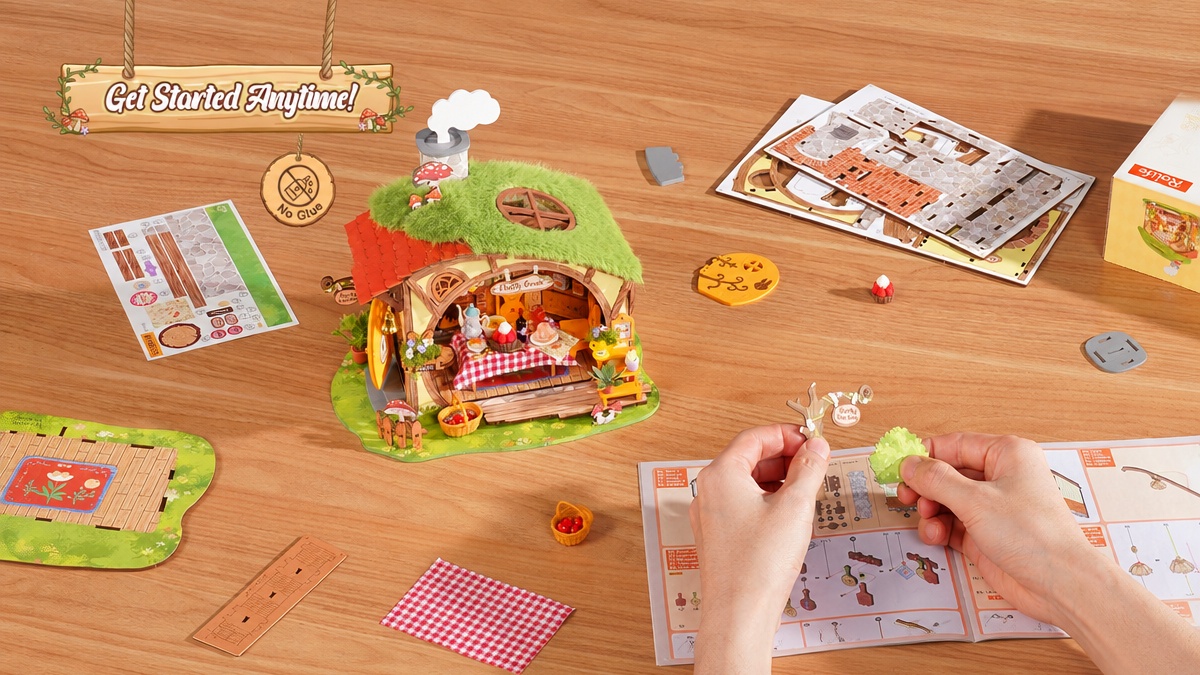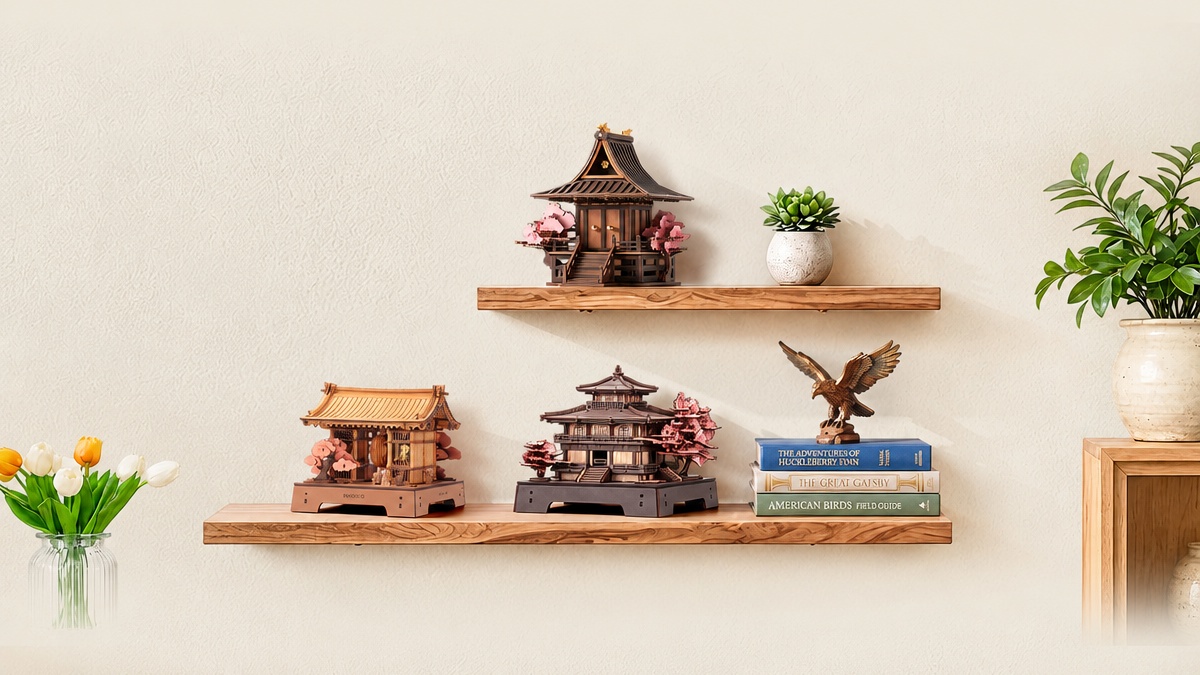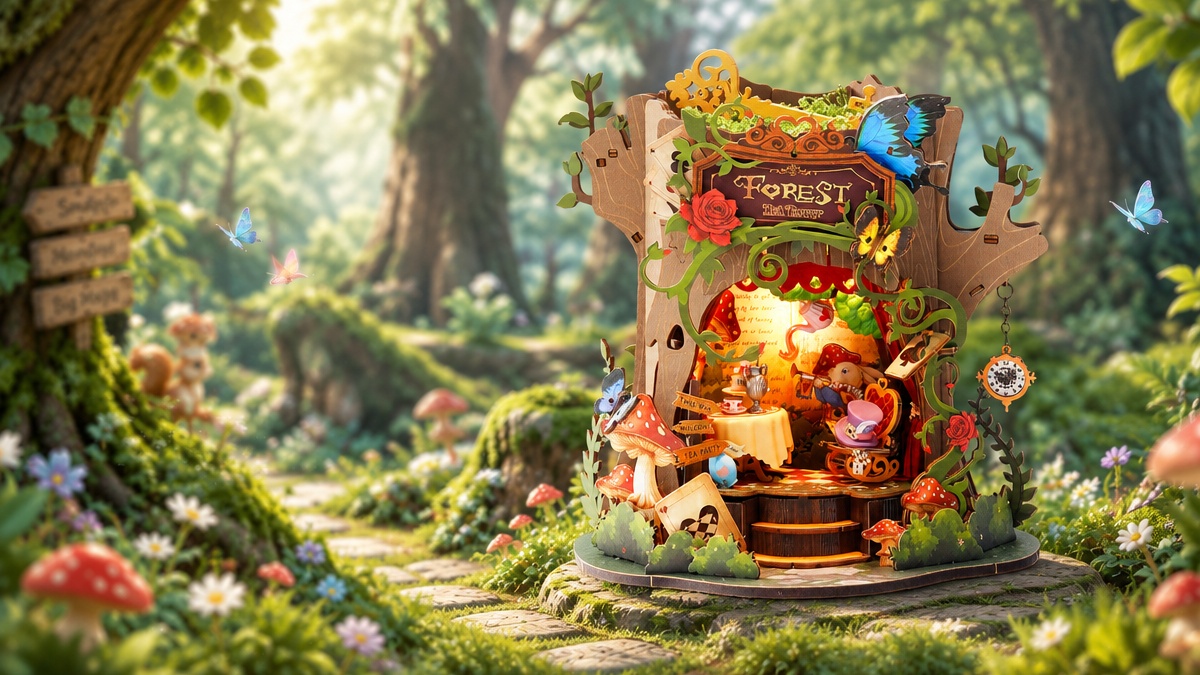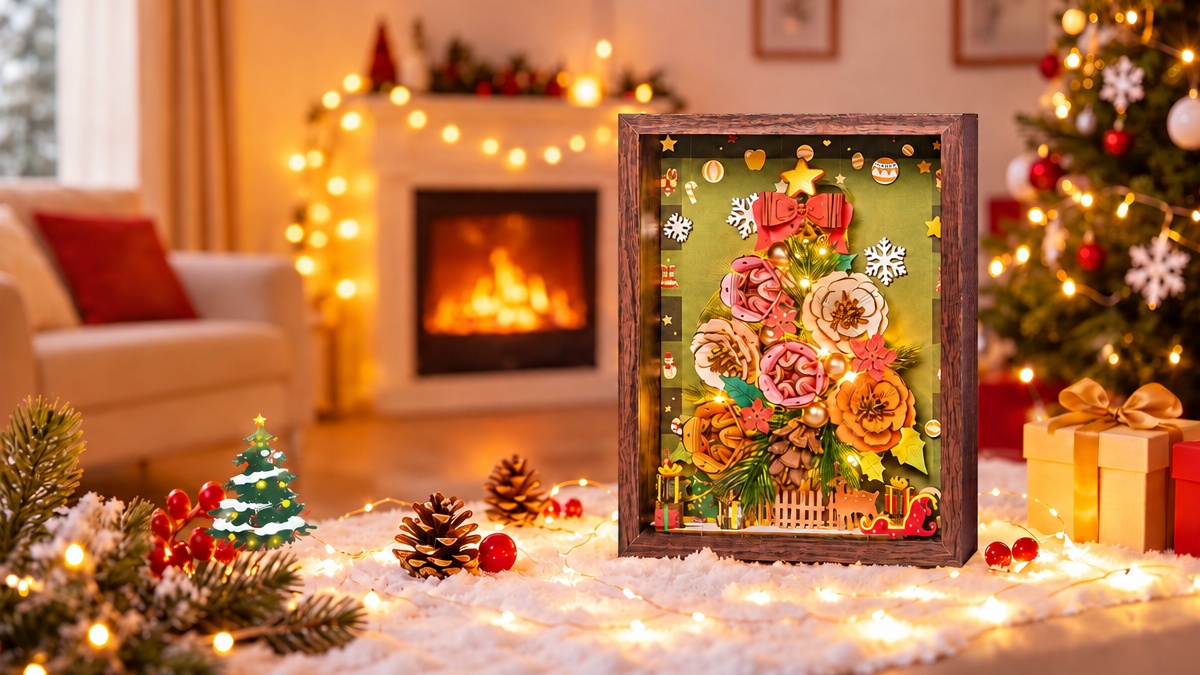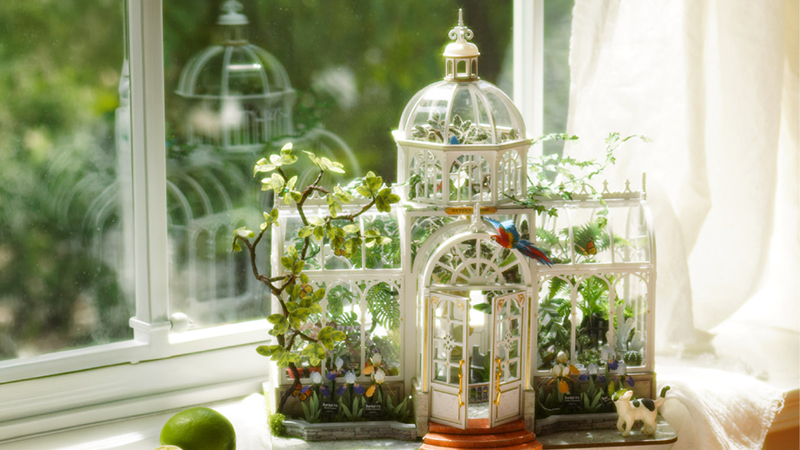
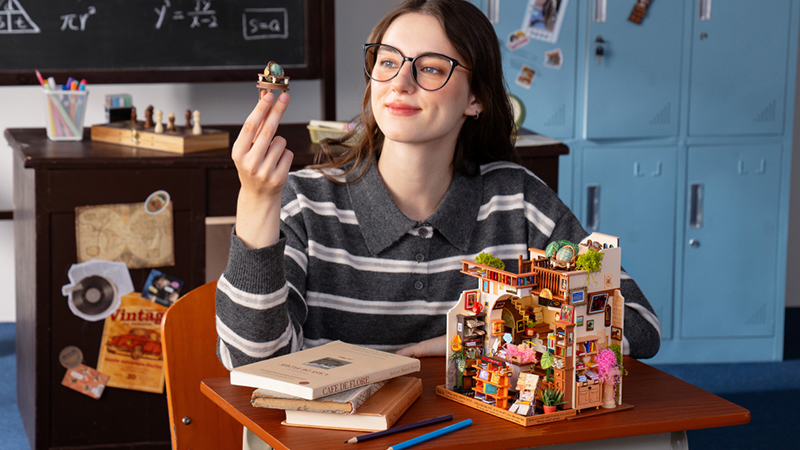
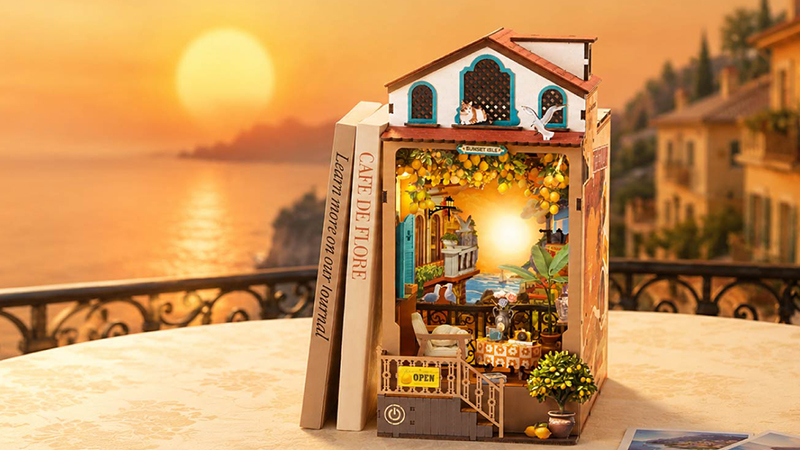
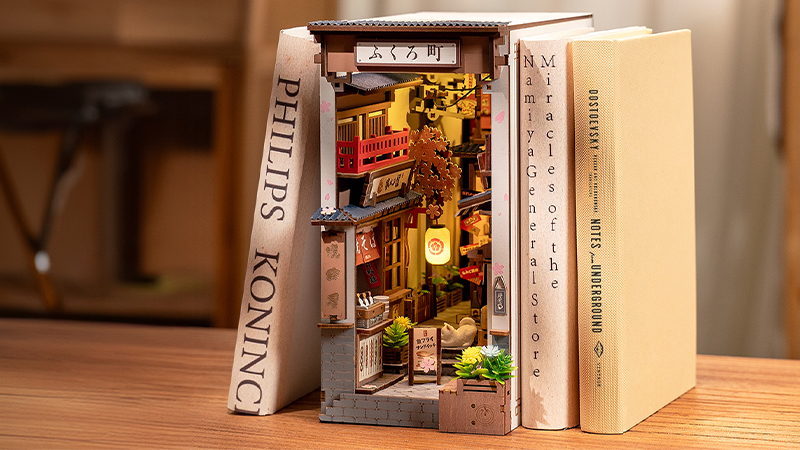
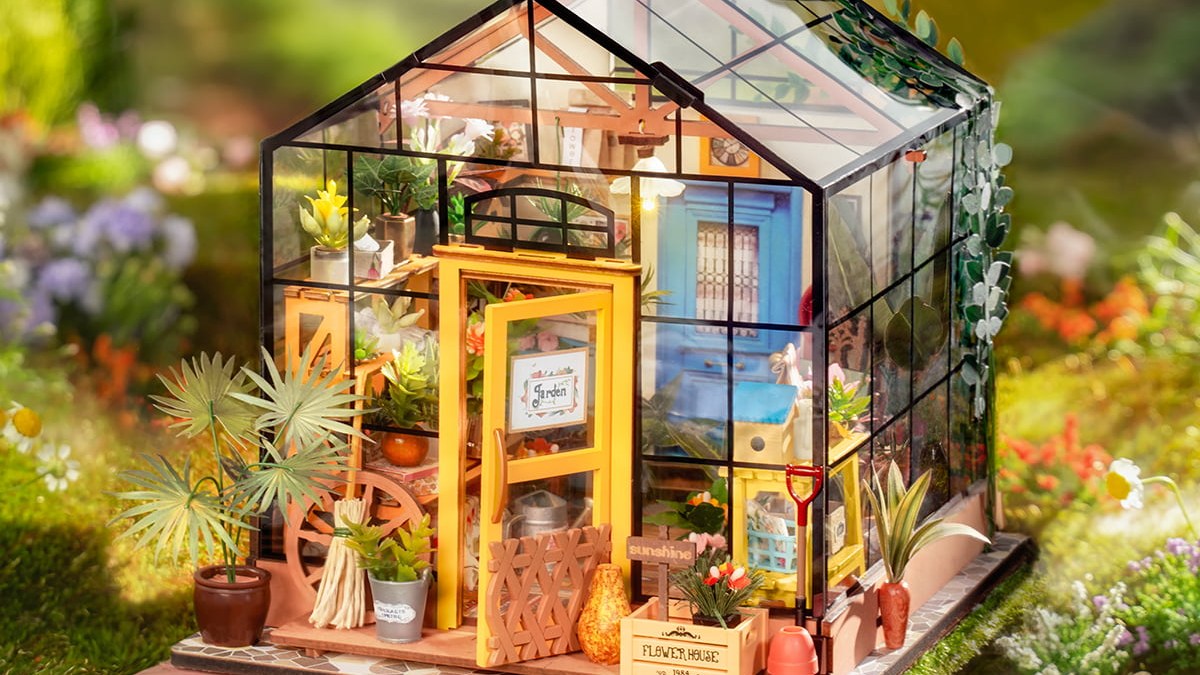
Eine Miniatur kann ein Bastelprojekt, ein Sammlerstück oder beides sein. Der einfachste Weg, eine Entscheidung zu treffen, besteht darin, zu entscheiden, was Sie am meisten genießen möchten: die Stunden, bevor es im Regal steht, oder die fertige Szene, sobald sie dort ist.
DIY-Bausatz vs. Fertigmodell auf einen Blick
| Entscheidungsfaktor | DIY-Miniatur-Bausatz | Fertiges Miniaturmodell |
|---|---|---|
| Was Sie erhalten | Teile, Anleitung und ein Bauerlebnis | Ein montiertes Objekt, das bereit ist, platziert oder ausgestellt zu werden. |
| Zeitaufwand | Erfordert eine oder mehrere Erstellungssitzungen | Geringer oder kein Montageaufwand |
| Kreative Kontrolle | Mehr Spielraum zur Anpassung von Farben, Platzierung und Details | Das endgültige Aussehen steht bereits fest. |
| Hauptzufriedenheit | Fortschritt, Problemlösung und persönliche Vollendung | Unmittelbare visuelle Wirkung und Sammelfähigkeit |
| Hauptrisiko | Das Projekt könnte unvollendet bleiben, wenn die Zeit oder das Interesse ausgeht. | Weniger persönliche Beteiligung an der Herstellung des Stücks |
| Bester Beschenkter | Jemand, der Freude an praktischen Projekten hat | Jemand, der hauptsächlich Dekoration oder ein Sammlerstück sucht |
| Am besten geeignet für | Kreatives Schaffen, bewusste Auszeiten und personalisierte Geschenke | Schnelle Dekoration, konsistente Ausführung und unverbindliches Sammeln |
Ein DIY-Bausatz ist nicht nur ein unfertiges Modell
Der Unterschied zwischen einem DIY-Miniaturset und einem fertigen Modell ist nicht einfach „unvollendet“ versus „vollendet“. Ein DIY-Set ist ein erfahrungsorientiertes Produkt, während ein fertiges Modell hauptsächlich ein präsentationsorientiertes Produkt ist. Bei einem Set ist der Herstellungsprozess Teil dessen, was Sie wählen, und Teil dessen, was Sie aus dem Kauf mitnehmen.
Der Wert eines DIY-Miniaturbausatzes kann Folgendes umfassen:
- Die Bauzeit, die den Kauf in eine Aktivität verwandelt, anstatt in ein sofortiges Objekt.
- Kreative Entscheidungen über Platzierung, Farbe, Stil und kleine Details.
- Möglichkeiten, die Szene zu personalisieren, anstatt eine feste Ausführung zu akzeptieren.
- Ein Gefühl der Erfüllung, wenn separate Teile zu einer vollständigen Miniaturwelt werden.
- Eine fertige Anzeige, die auch die Geschichte erzählt, wie sie hergestellt wurde.
Mit einem DIY-Kit ist ein Teil des Wertes immateriell: fokussierte Zeit, kleine Entscheidungen, neue Techniken und der Moment, in dem separate Teile zu einer vollständigen Szene werden. Das fertige Ergebnis ist wichtig, aber es ist nur ein Teil des Kaufs.
Mit einem fertigen Modell konzentriert sich fast der gesamte Wert auf das Objekt selbst. Sie können sofort seine Größe, sein Aussehen und die Eignung für die Präsentation bewerten. Das macht den Kauf einfacher, insbesondere wenn Sie kein neues Hobby oder ein unfertiges Projekt wollen.
Diese Unterscheidung ist wichtiger als ein einfacher Preisvergleich. Zwei Miniaturen ähnlicher Größe können sehr unterschiedliche Arten von Wert bieten, da eine ein praktisches Erlebnis beinhaltet und die andere dieses Engagement entfernt.
Wann ist ein Miniatur-Bausatz zum Selberbauen die bessere Wahl?
Ein Set ist in der Regel die stärkere Wahl, wenn der Prozess ein Teil des Grundes ist, warum Sie kaufen. Sie müssen kein erfahrener Miniaturist sein; Sie benötigen jedoch genügend Interesse, um die Schritte zu befolgen, mit kleinen Teilen umzugehen und bei Bedarf zum Projekt zurückzukehren.
- Sie möchten eine bildschirmfreie Aktivität, die in überschaubaren Einheiten abgeschlossen werden kann.
- Sie genießen sichtbare Fortschritte und die Zufriedenheit, kleine Montageprobleme zu lösen.
- Sie möchten eine Szene durch Anordnung, Farbe oder zusätzliche Details personalisieren.
- Sie wählen ein Geschenk für jemanden, der bereits Basteln, Modelle, Puzzles oder praktische Hobbys mag.
- Sie möchten, dass die fertige Miniatur eine persönliche Geschichte darüber erzählt, wer sie gebaut hat und wann.
Bevor Sie kaufen, überprüfen Sie mehr als nur das Produktfoto. Achten Sie auf die ungefähre Endgröße, enthaltene Werkzeuge oder Verbrauchsmaterialien, empfohlenes Alter, Licht- oder Batterievoraussetzungen und den verfügbaren Arbeitsbereich. Wenn Sie neu in diesem Hobby sind, sind ein klares Handbuch und ein Design, das Sie wirklich ausstellen möchten, oft nützlicher als die Auswahl nur nach Stückzahl.
Wann ist ein fertiges Miniaturmodell die bessere Wahl?
Ein fertiges Modell ist die praktische Option, wenn Sie die Szene, aber nicht das Projekt möchten. Es kann auch ein sichereres Geschenk sein, wenn Sie den Dekorationsgeschmack des Empfängers kennen, aber nicht wissen, ob er detaillierte Montage mag.
- Sie benötigen ein sofort einsatzbereites Objekt für ein Regal, einen Schreibtisch oder eine Veranstaltung.
- Sie bevorzugen ein vorhersehbares Finish und möchten keine kleinen Teile beheben.
- Sie haben begrenzte Zeit, Geschicklichkeit, Arbeitsfläche oder Stauraum für ein laufendes Kit.
- Sie sammeln Miniaturen wegen ihres visuellen Stils und nicht wegen des Bauerlebnisses.
- Sie kaufen für jemanden, der gesagt hat, dass er keine Bastelarbeiten oder Zusammenbau mag.
Der Kompromiss besteht darin, dass Sie die meisten Möglichkeiten zur Anpassung des Builds aufgeben. Sie können das Modell möglicherweise innerhalb einer größeren Anzeige gestalten, aber seine Konstruktion und die wichtigsten visuellen Entscheidungen sind bereits abgeschlossen.
Ein DIY-Miniaturbausatz ist möglicherweise nicht das Richtige, wenn...
Klarheit über die Passform soll nicht vom Kauf abhalten. Sie hilft dem richtigen Käufer, sich sicherer zu fühlen, und hilft anderen Käufern, ein Projekt zu vermeiden, das nicht zu der Erfahrung passt, die sie wünschen.
- Sie möchten eine sofortige Dekoration und möchten nicht warten, bis ein Bau abgeschlossen ist.
- Sie mögen es überhaupt nicht, mit kleinen Teilen umzugehen oder detaillierte Montageanleitungen zu befolgen.
- Sie haben keinen stabilen Arbeitsplatz, an dem ein laufendes Projekt geschützt werden kann.
- Sie kaufen für jemanden, der niemals Interesse an Handwerken, Modellen oder praktischen Aktivitäten gezeigt hat.
- Sie möchten ein perfekt vorhersehbares fertiges Objekt, das keine Abweichungen von Ihren eigenen Montage- oder Stilentscheidungen aufweist.
Wenn mehrere dieser Punkte zutreffen, kann ein fertiges Miniaturmodell ein besseres Erlebnis bieten. Wenn dies nicht der Fall ist, könnte die Zeit und kreative Beteiligung eines DIY-Kits genau das sein, was es lohnenswert macht.
Welche Option bietet das bessere Preis-Leistungs-Verhältnis?
Es gibt keinen universellen Gewinner, da der Wert davon abhängt, was Sie zählen. Ein DIY-Kit kann Stunden an Aktivitäten sowie ein fertiges Objekt bieten. Ein fertiges Modell spart diese Stunden und verringert das Risiko, dass das Projekt niemals abgeschlossen wird.
Vergleichen Sie das gesamte Erlebnis, anstatt nur auf den Preis zu schauen. Bei einem Set sollten Sie überlegen, ob Sie bereits geeignete Werkzeuge besitzen, ob Sie einen geschützten Arbeitsplatz haben und ob das Design motivierend genug ist, um es fertigzustellen. Bei einem fertigen Modell sollten Sie die Verarbeitung, Materialien, Maßstab, Displayschutz und ob die Größe in Ihren vorgesehenen Raum passt, berücksichtigen.
Welches ist das bessere Geschenk?
Beantworten Sie vier Fragen, bevor Sie ein Miniaturgeschenk auswählen:
- Bastelt der Beschenkte gerne?Wenn ja, könnte ein Set nachdenklich statt fordernd wirken.
- Haben sie Zeit und einen sicheren Arbeitsplatz?Ein schönes Set kann zum Druck werden, wenn sie ein laufendes Projekt nicht verlassen können.
- Würde ihnen das Design nach der Fertigstellung gefallen?Die fertige Szene sollte ihrem Geschmack und dem verfügbaren Ausstellungsraum entsprechen.
- Bieten Sie eine Aktivität oder einen Gegenstand an?Seien Sie sich klar darüber, ob das Geschenk dazu gedacht ist, ein Erlebnis zu schaffen, einen Raum zu dekorieren oder beides zu tun.
Ein DIY-Miniaturset ist oft ein besseres Geschenk, wenn Sie jemandem nicht nur einen Gegenstand, sondern auch ruhige kreative Zeit und die Zufriedenheit schenken möchten, etwas von Hand zu vollenden.
Welches Rolife DIY-Kit-Format sollten Sie wählen?
Wenn Sie entscheiden, dass das Bauen Teil des Reizes ist, wählen Sie ein Format basierend darauf, was Sie erstellen möchten und wie Sie es anschließend präsentieren möchten.
| Falls Sie es wollen... | Wählen Sie dieses Format |
|---|---|
| Eine Szene, die für ein Bücherregal entworfen wurde | Bücherecken-Set |
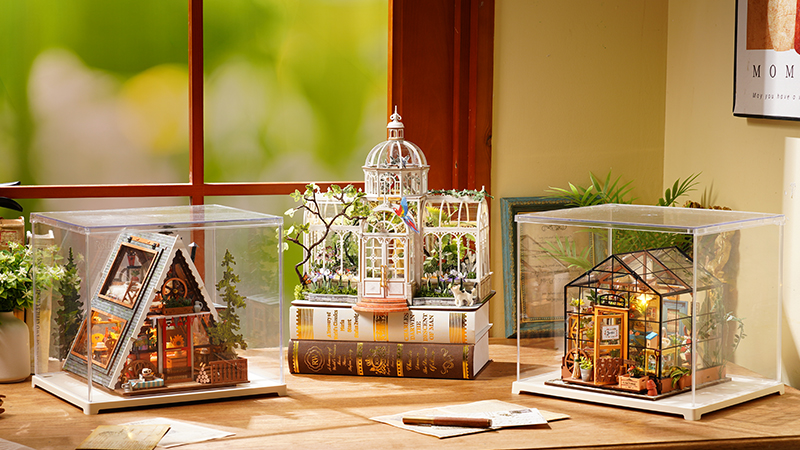
| Ein Zimmer oder eine in sich abgeschlossene Miniaturwelt | DIY-Miniaturhaus-Bausatz |
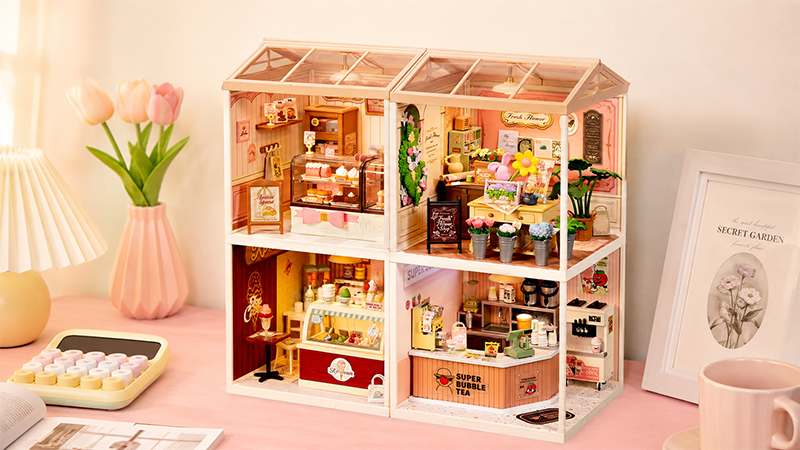
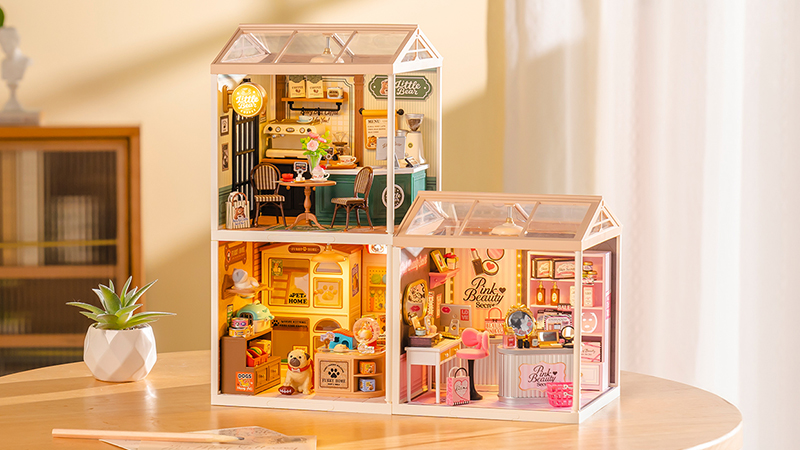
| Ein sammelbares Raumsystem, das Sie verbinden oder erweitern können | Super Creator |
| Eine strukturelle oder mechanische Konstruktion | 3D-Holzpuzzle |
| Ein leichteres dekoratives Handwerk | Holzblumen-Set |
Wählen Sie einebook nook Kitfür eine kompakte Regalszene oder zum StöbernDIY-Miniaturhaus-Bausätzefür eine raumähnliche Darstellung mit mehr von einem Miniaturwelt-Gefühl.
Super CreatorEignet sich für Sammler, die modulare Räume wünschen, die eigenständig stehen oder zu einer größeren Anordnung verbunden werden können. Für einen Bau, der mehr auf Struktur als auf Raumgestaltung ausgerichtet ist, erkunden Sie3D-HolzpuzzlesFür ein kleineres Dekorationsprojekt vergleichen Sie dieHolzblumen-Sets sind bei Rolife erhältlich.Die
Wenn Sie immer noch Kategorien vergleichen, verwenden SieWelches Rolife-Kit sollten Sie wählen?die Auswahl nach Baustil und Anzeigeziel einzugrenzen.
Häufige Kauffehler, die Sie vermeiden sollten
- Die Auswahl erfolgt nur anhand des endgültigen Fotos und ignoriert die Art der Aktivität, die erforderlich ist, um dorthin zu gelangen.
- Angenommen, ein Anfänger benötigt automatisch das kleinste Modell; Klarheit, Motivation und Arbeitsbereich sind ebenfalls wichtig.
- Ein Kit als Geschenk zu kaufen, ohne zu überprüfen, ob der Empfänger tatsächlich Freude an detaillierter Montage hat.
- Das Vergessen, den fertigen Ausstellungsraum vor dem Kauf zu messen.
- Ein unfertiges Kit als Misserfolg zu betrachten, anstatt kürzere Sitzungen zu planen oder ein einfacheres nächstes Projekt auszuwählen.
Wichtigste Erkenntnis
Wählen Sie ein DIY-Miniaturset für das Herstellungserlebnis; wählen Sie ein fertiges Miniaturmodell für die sofortige Ausstellung. Wenn Sie beides möchten, priorisieren Sie ein Set, dessen fertiges Design Sie auch nach dem Bastelerlebnis gerne behalten würden.
Häufig gestellte Fragen
Kann ein Anfänger einen Miniaturbausatz selbst bauen?
Ja, vorausgesetzt, das Set entspricht der Geduld des Bauherrn, der verfügbaren Zeit und dem Komfort im Umgang mit kleinen Teilen. Überprüfen Sie die Produktinformationen und die Anleitung, bereiten Sie einen klaren Arbeitsplatz vor und arbeiten Sie in kurzen Sitzungen, anstatt zu hetzen.
Sind DIY-Miniaturkits günstiger als fertige Modelle?
Nicht immer. Der Preis variiert je nach Größe, Materialien, Details, Konstruktion und Marke. Ein Set umfasst auch den Wert der Aktivität, während ein fertiges Modell den Wert der abgeschlossenen Arbeit beinhaltet.
Was ist, wenn ich mir Sorgen mache, dass ich ein Set nicht beenden werde?
Wählen Sie ein Design, das Sie wirklich präsentieren möchten, richten Sie ein Tablett oder eine Box für die in Arbeit befindlichen Teile ein und teilen Sie den Bau in kleine Meilensteine auf. Wenn Sie hauptsächlich Dekoration möchten, könnte ein fertiges Modell die bessere Wahl sein.
Ist ein fertiges Modell weniger bedeutungsvoll als ein handgefertigtes?
Die Bedeutung kommt davon, warum Sie es gewählt haben, wo es angezeigt wird und welche Erinnerungen damit verbunden sind. Ein handgefertigtes Stück fügt einfach die Zeit und Entscheidungen des Erbauers zu dieser Geschichte hinzu.
Wie vergleiche ich am besten zwei Miniaturbausätze?
Vergleichen Sie die fertigen Abmessungen, den visuellen Stil, das Bauformat, die Anleitungen, die Beleuchtungs- oder Batteriebedürfnisse, die enthaltenen Materialien und die Menge an ununterbrochener Arbeitsfläche, die Sie bereitstellen können.
Bereit zur Auswahl?
Erkunden Was macht ein DIY-Miniaturset kaufenswert?, dann wählen Sie ein Projekt aus, dessen Bauprozess und fertige Szene sowohl zu dem Erlebnis passen, das Sie wünschen.